

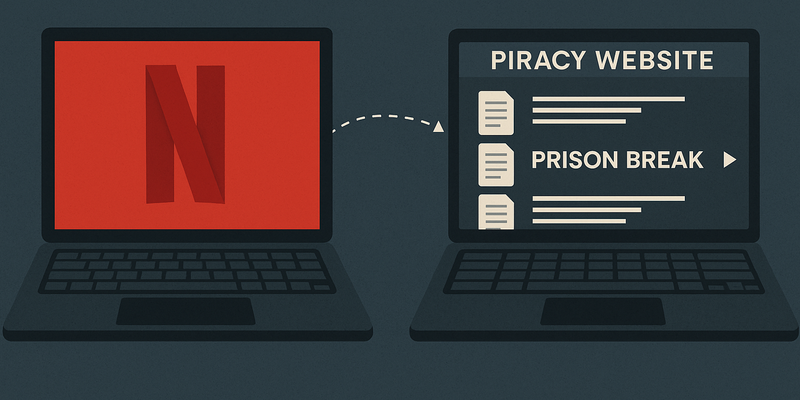
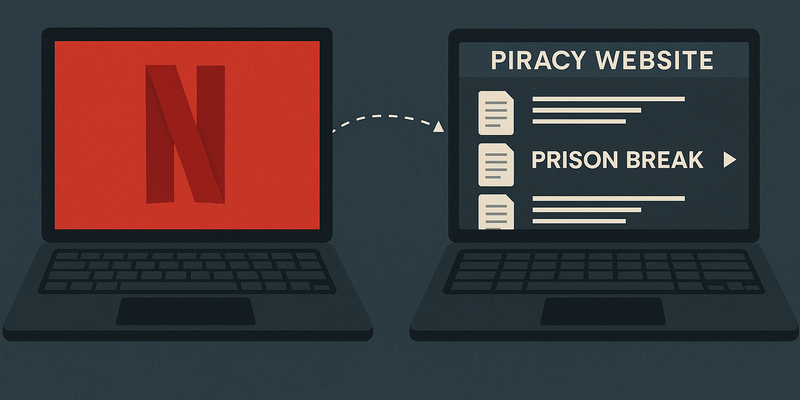
When Netflix began expanding internationally, its biggest challenge wasn’t just licensing—it was knowing what to license. Different countries have different viewing habits, and traditional market research methods were often slow and expensive. So, Netflix turned to a surprisingly effective data source: pirated websites.
During its launch in the Netherlands in 2013, Netflix needed to decide what content to include on its platform. Rather than guessing, they analysed what was being torrented the most. The top pirated title? Prison Break. Netflix bought the rights, added it to its Dutch library, and soon after, the platform gained instant traction. It was a strategic, data-driven move that paid off—and it wasn’t a one-time decision.
A repeatable strategy across countries
According to Netflix executives like then-VP of content acquisition Kelly Merryman, the company routinely checked piracy statistics when entering new markets. By identifying which shows and movies were most frequently downloaded illegally, they could license content with pre-proven demand. This strategy was backed by CEO Reed Hastings, who famously said, “Netflix is so much easier than torrenting—you just click and watch.”
The logic was simple: piracy, often demonised, could actually serve as a powerful indicator of what viewers wanted but didn’t have legal access to. So instead of fighting pirates head-on, Netflix beat them at their own game—by giving users a better, legal alternative.
The results were dramatic. In Canada, for instance, BitTorrent traffic dropped by nearly 50% following Netflix’s launch, showing a direct correlation between content availability and piracy decline. In other words, if you can’t beat the pirates, licence what they love and make it easier to access.
Why piracy data works so well
Pirated content serves as a kind of underground trend report. It reveals what people want badly enough to bypass legal channels. Unlike traditional surveys or focus groups, which are based on intent or preferences, piracy data shows actual behaviour.
This kind of demand-driven acquisition strategy allowed Netflix to localise its content libraries effectively without relying on slow, expensive research. For countries where access to global media is limited or delayed, piracy data became a proxy for unmet demand.
In a way, Netflix turned piracy into market research gold.
But streaming fatigue is bringing piracy back
Fast forward to today, and the landscape looks different. Streaming fatigue has set in. As more content gets split across multiple platforms, users are growing tired of juggling subscriptions—and their wallets.
A 2023 study found that when a movie was removed from Netflix and added to Hulu, illegal downloads of that movie surged by 20%. This suggests a clear consumer behaviour: people are more likely to pirate than pay for yet another streaming service.
In fact, global piracy rates, which had dropped during Netflix’s golden years of expansion, are now back on the rise. According to MUSO and other digital piracy tracking firms, piracy increased by nearly 7% year-on-year in 2023, with film and TV accounting for a large portion of that spike.
Netflix’s piracy-powered model still holds lessons
Despite these shifts, Netflix’s early tactic of using torrent data to inform licensing decisions remains one of the most ingenious moves in digital content history. It proved that:
- Convenience trumps legality when the user experience is superior.
- Illicit demand can inform legitimate strategy.
- Data doesn’t care where it comes from—as long as it’s accurate.
In the age of platform overload, Netflix’s pirate-guided approach could serve as a blueprint for the next wave of streaming players. The trick is not just fighting piracy with takedown notices—but offering something better.
Because at the end of the day, most viewers aren’t loyal to a platform—they’re loyal to ease, access, and affordability.
And that, Netflix figured out by sailing the high seas of torrent data.
