

There are moments in life when words fail us—when everything feels too heavy, too raw, or simply too broken to fix. Whether it’s the loss of a loved one, the end of a meaningful relationship, or a general sense that life is unravelling at the seams, grief doesn’t knock politely. It crashes in, uninvited and unapologetic.
During those times, talking can feel exhausting. Advice, no matter how well-meaning, often misses the mark. What we crave isn’t instruction—but understanding. Not motivation—but quiet presence. And sometimes, the most comforting presence comes not from people, but from pages.
Books, in their quiet, non-judgmental way, can sit with you in the darkness. They don’t try to rush your healing or explain away your pain. They hold your hand and whisper, “You’re not alone. Others have walked this path too.”
5 books to sit with your pain
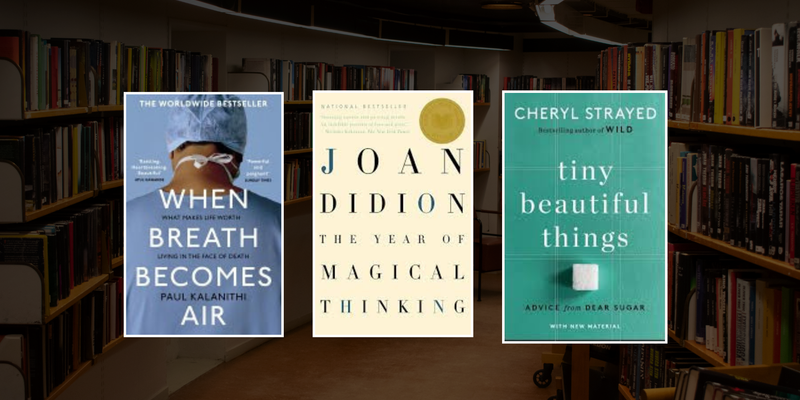
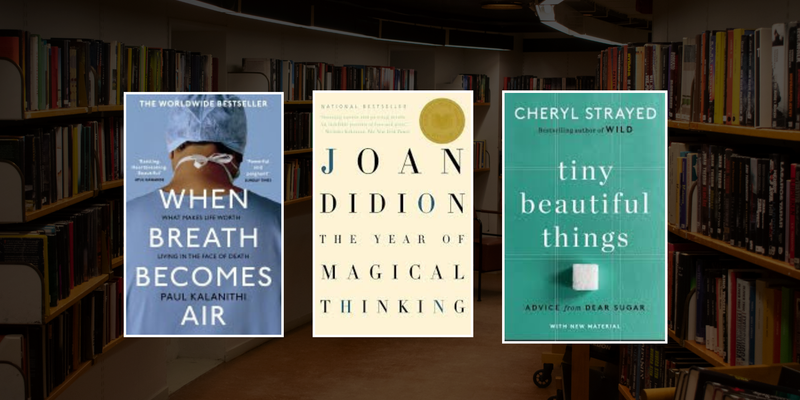
1. When Breath Becomes Air by Paul Kalanithi
Themes: Mortality, purpose, acceptance
Written by a neurosurgeon diagnosed with terminal cancer, this memoir is a moving meditation on death and what makes life meaningful. Paul Kalanithi’s words are clear, poetic, and deeply human. He doesn’t sugarcoat his suffering, nor does he dwell in self-pity. Instead, he writes with a raw elegance that will stay with you long after you close the book.
2. The Year of Magical Thinking by Joan Didion
Themes: Grief, memory, denial
Joan Didion’s account of losing her husband (and shortly after, her daughter) is both deeply personal and universally resonant. She captures the surreal, disorienting stages of grief with precision and honesty. The “magical thinking” she describes, like expecting the dead to walk back through the door, is something every grieving person can recognise.
3. Tiny Beautiful Things by Cheryl Strayed
Themes: Heartbreak, loss, self-compassion
A collection of real-life letters and responses from Strayed’s advice column “Dear Sugar,” this book is raw, loving, and soul-nourishing. With every answer, Strayed shares parts of her own pain, making it feel less like advice and more like friendship. There are sections on grief, relationships, trauma, and starting over. Keep tissues nearby.
4. It’s OK That You’re Not OK by Megan Devine
Themes: Modern grief, emotional validation
Devine, a therapist who lost her partner unexpectedly, challenges the cultural narrative around grief and healing. Instead of encouraging you to “move on,” she helps you move through. This book is perfect for those who are tired of being told to “stay strong” or “look for silver linings.” It allows you to be exactly where you are.
5. The Comfort Book by Matt Haig
Themes: Emotional survival, small joys, mental health
Unlike his previous memoirs, this is more of a collection of affirmations, reflections, and truths written during Haig’s lowest moments. It’s not a linear story, but a book you can open to any page when you need a dose of gentleness or hope. It feels like a warm cup of tea on a cold day.
Final thoughts
When life falls apart, you don’t need someone to fix you—you need someone to sit with you in the rubble. These books do just that. They don’t rush you out of pain or pretend to offer easy answers. Instead, they offer perspective, presence, and permission- permission to grieve, to feel, to fall apart, and to begin again eventually.
If you’re struggling to find your footing, may these stories be a soft place to land. Because even in your most broken moments, you are not alone- and sometimes, all it takes is one page, one sentence, one paragraph—to remind you of that.
