

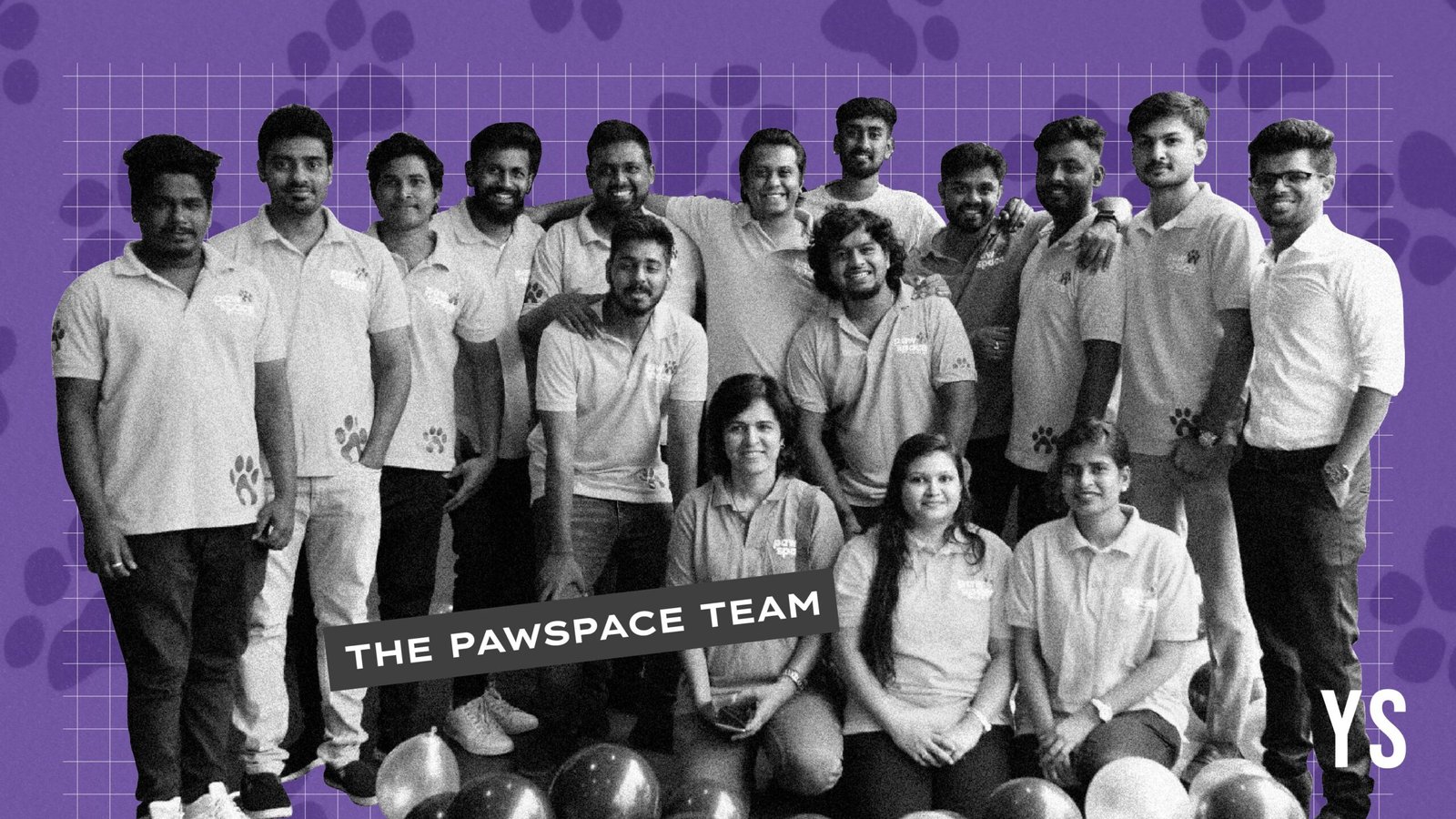

India’s pet care market is booming, but a majority of it remains unorganised. As more Indians embrace pet parenting, the demand for reliable pet care is rising. Yet, most pet parents still rely on friends, family, or other informal setups when they are away.
Spotting this gap, husband-wife duo Shweta Sharma Karthikeyan and Karthikeyan P founded PawSpace, a tech-enabled, full-stack pet care platform, in 2021.
The Bengaluru-based startup started with two core services—pet boarding and sitting services—in 2021, aiming to bring structure and reliability to India’s growing pet care industry.
The company currently provides 11 services, ranging from grooming and training to pet food delivery and even pet funerals. Customers can book services via the website or app, pay online, and receive real-time updates with photos and videos of their pets.
The startup was bootstrapped with Rs 1 crore, and has a team of about 12 people.
A wake-up call
The idea for PawSpace was born out of a personal experience for the founders. While planning a vacation, Shweta and Karthikeyan were forced to leave behind their two dogs—a Labrador and a German Shepherd.
“Friends were comfortable with our Labrador, but our German Shepherd was treated with fear,” recalls Karthikeyan, who has previously worked with Amazon and Indeed.
<figure class="image embed" contenteditable="false" data-id="577509" data-url="https://images.yourstory.com/cs/2/6c7d986093a511ec98ee9fbd8fa414a8/ChatGPTImageJul232025025340PM-1753262636031.png" data-alt="PawSpace" data-caption="
In-house pets- (L-R) Maya and Evy
” style=”float: right; margin-left: 20px; width:50%; height:auto”> In-house pets- (L-R) Maya and Evy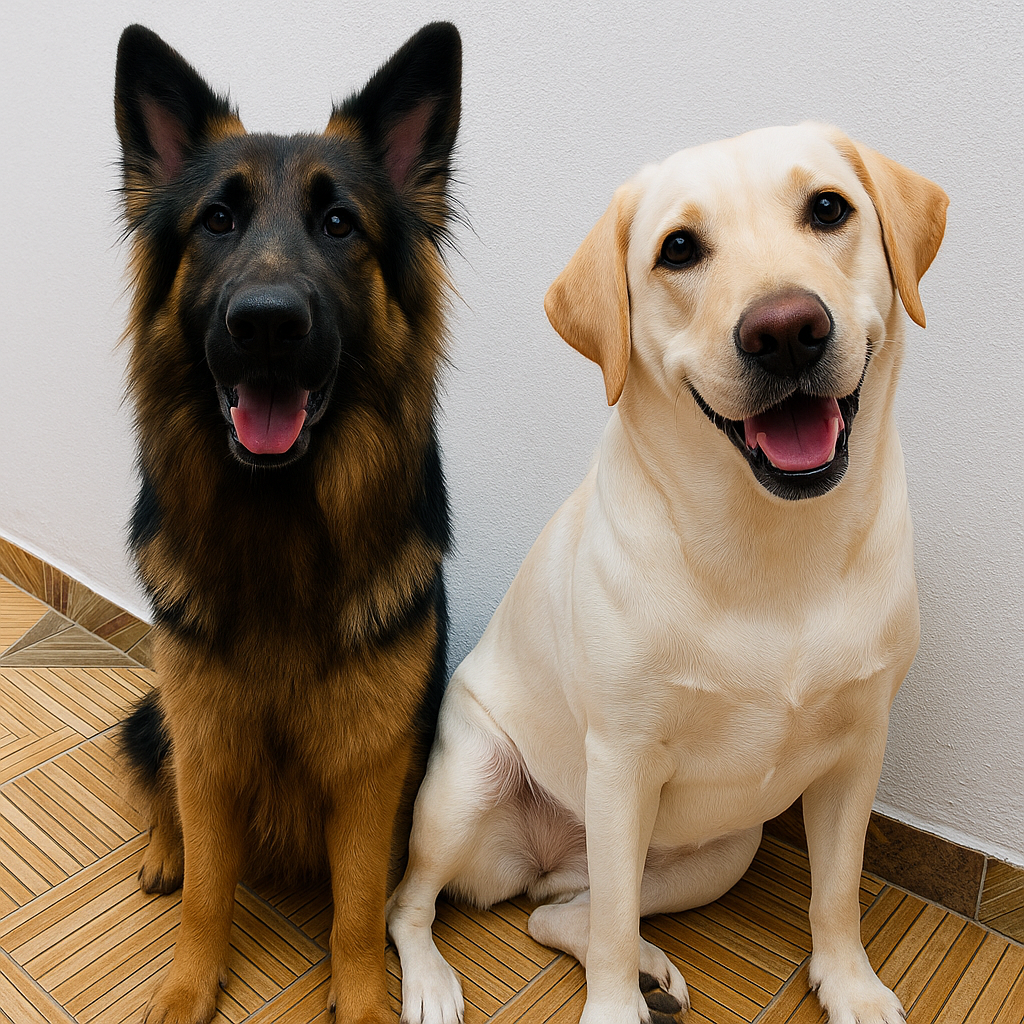
Their German Shephard was confined to a cold kennel, refused to eat, and was distressed. “We had no choice but to cut our vacation short and come home. That was when I realised that the pet care industry in India was fundamentally broken,” he adds.
“I have seen pets come back traumatised or sick after stays at boarding centers. We knew we needed to do something to change that,” adds Shweta, who has previously worked with Treebo and ShopX.
The birth of PawSpace
In 2020, during the COVID-19 lockdown, the founders decided to take a serious step to solve the pet care problem. Over the next year, they conducted extensive research, visiting boarding centers across Bengaluru to assess hygiene, pricing, and service quality. They also interviewed pet parents to learn about their experiences and expectations.
Their findings revealed a widespread issue across India. “Global markets had already set a benchmark for pet care. India was ready for a similar model, but no one was building it with the right focus on trust and quality,” Karthikeyan notes.
Around this time, Mahesh Mohan, an HR professional with over a decade of experience in companies like SAP and BioPharm, was exploring entrepreneurship with a small venture offering home-cooked pet meals.
“When I met Karthikeyan, I instantly connected with his vision. We started with a revenue-sharing arrangement, but it was clear our values aligned. I eventually merged my venture with PawSpace to create something much bigger,” Mahesh recalls.
Together, the trio laid the foundation for PawSpace.
Redefining pet care
PawSpace is built on the belief that pets deserve homely, compassionate care rather than impersonal kennels. “During our pilot phase, we personally hosted pets at home,” Shweta shares. “This helped us understand what pet parents truly needed, regular updates, flexibility, and caregivers who treat pets like family.”
The startup operates on an asset-light business model and generates revenue through multiple streams, including a marketplace commission on every service booked and subscription plans.
The dog boarding starts at Rs 599 for 4 hours, Rs 799 for daycare (up to 10 hours), and Rs 899 for overnight. Cat boarding is slightly more affordable, starting at Rs 499 for 4 hours, Rs 599 for daycare, and Rs 649 for overnight care. Dog walking starts at Rs 1,800 per week and goes up to Rs 22,499 per quarter for premium plans.
<figure class="image embed" contenteditable="false" data-id="577510" data-url="https://images.yourstory.com/cs/2/6c7d986093a511ec98ee9fbd8fa414a8/WhatsAppImage2025-07-22at9-1753262936875.jpeg" data-alt="PawSpace" data-caption="
PawSpace Grooming services
” style=”float: left; margin-right: 20px; width:50%; height:auto” align=”center”> PawSpace Grooming services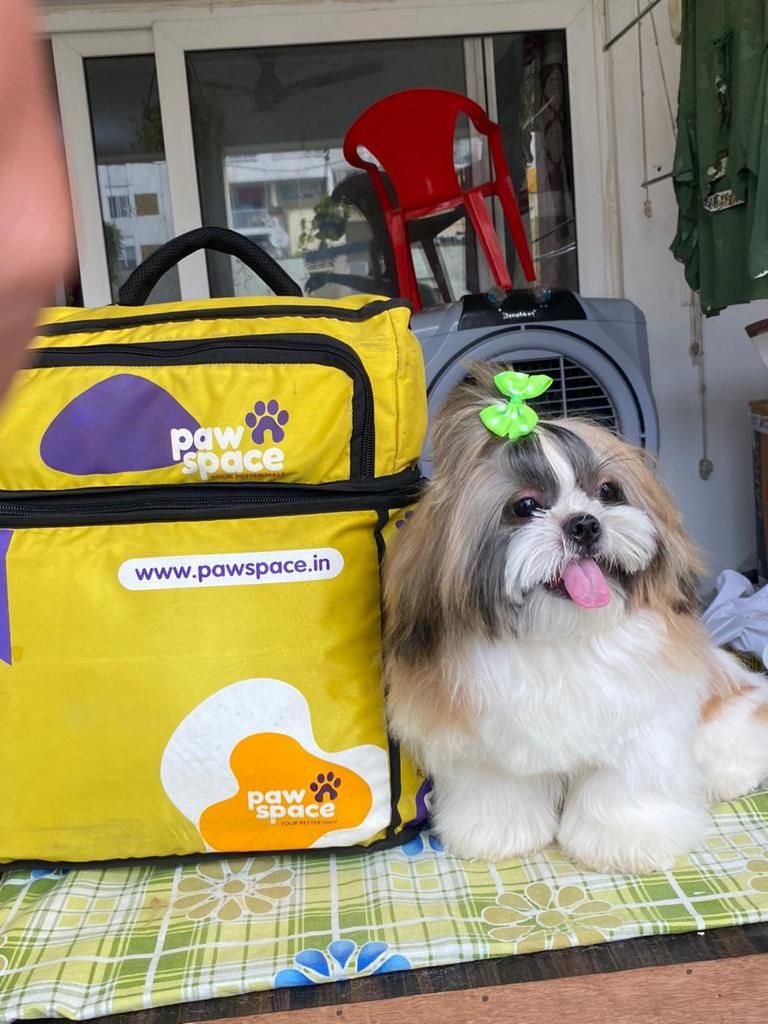
Its training programmes range from Rs 3,000 for puppy starter sessions to Rs 15,999 for comprehensive behavioural training. Additionally, pet sitting services are available at Rs 849 for 4 hours, Rs 999 for daycare, and Rs 1,149 for overnight care, offering convenience and personalised attention at home.
Customer traction and financial growth
PawSpace has quickly built a strong customer base, serving over 35,000, with 27% repeat bookings. The grooming service contributes to about 55-60% of its monthly revenue.
The platform has recorded a gross merchandise value (GMV) of Rs 9 crore to date, with revenue rising from Rs 64 lakh in FY22-23 to Rs 1.8 crore in FY23–24. The startup is projecting a revenue of Rs 6.7 crore by FY 2025–26; Rs 20.6 crore by FY 2027–28.
“We’ve always prioritised quality over blind growth,” Karthikeyan emphasises. “Last year, we intentionally slowed down to invest in technology and build a seamless customer experience. Now, we’re ready to scale responsibly.”
Additionally, PawSpace has partnered with three corporates to create exclusive pet care zones at airports and commercial hubs. The app is available on both Android and iOS.
A network of trust
PawSpace has built a community of 500+ verified service providers, called PawStars. “This isn’t casual gig work. Caring for pets requires empathy, patience, and training. We coach our providers on pet behaviour, emergency protocols, and customer trust,” Mahesh explains.
Many hosts are homemakers and pet lovers who value the platform’s flexibility.
Karthikeyan points out that pet parents in India are extremely emotional about their pets, and even the smallest gap in service can feel magnified. With varying customer expectations across cities, delivering consistently personalised and empathetic care is key.
Also, the unorganised nature of the sector, lack of structured pricing and reviews, and building trust in a new service model remains a challenge. Managing pet anxiety during caregiver transitions adds to the complexity. Raising awareness is another challenge as convincing families to move away from relying on friends and family is a slow cultural shift.
<figure class="image embed" contenteditable="false" data-id="577511" data-url="https://images.yourstory.com/cs/2/6c7d986093a511ec98ee9fbd8fa414a8/WhatsAppImage2025-07-22at8-1753263095572.jpeg" data-alt="PawSpace" data-caption="
Pets at an event conducted by PawSpace
” style=”float: right; margin-left: 20px; width:50%; height:auto” align=”center”> Pets at an event conducted by PawSpace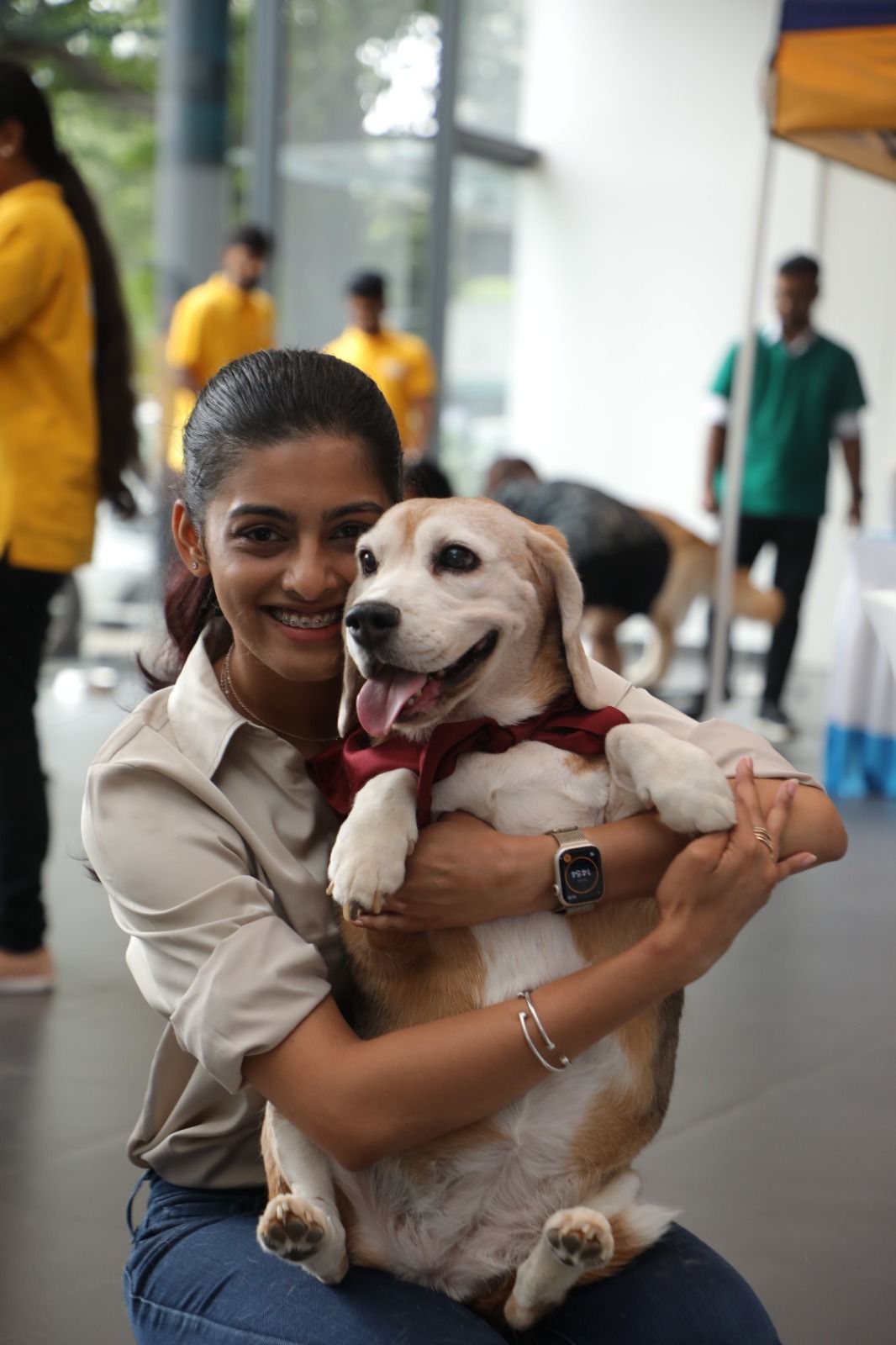
“But each challenge is an opportunity for us to innovate and set new benchmarks for the Indian pet care ecosystem,” he adds.
Bottlenecks in India’s pet care industry
India’s pet market, valued at $861.46 million in 2024, is projected to reach $2.5 billion at a CAGR of 16.7% by 2031, according to a report by BlueWeave. The pet population is projected to rise from 32 million to 43 million by 2026.
To address the shortage of trained professionals, PawSpace launched a training academy for dog training and grooming. In just two months, six batches of seven students each have completed over 35 assignments. “This not only creates a pipeline of skilled caregivers but also opens up a new revenue stream,” says Shweta.
Jahnavi Pula, a PawSpace customer, shared that despite initial concerns about her aggressive dog, the team provided safe, gentle, and exceptional care.
“They examined his skin, trimmed him perfectly. Talha Mirza, whom we spoke to over the phone, patiently explained everything. Overall, PawSpace’s service was fantastic,” she says.
Expansion and future roadmap
PawSpace currently operates in Bengaluru and Hyderabad, and plans to expand to Delhi, Mumbai, Pune, and Chennai by FY 28–29. It also plans to diversify into pet treats, toys, and accessories, and franchise-based experience centers.
The startup is looking to raise external funding to scale operations, upgrade its technology stack, and expand service offerings.
“India’s pet care sector is at an inflection point. With our foundation and focus on trust, we aim to become the go-to brand for pet parents across India,” Karthikeyan observes.
In India, PawSpace competes with platforms like Kuddle, Sploot, Vetic, Snouters, and Supertails, while globally, it faces players such as Rover and Wag! In the US, and Pawshake (Europe).
Despite the competition, PawSpace differentiates itself through its full-stack, tech-enabled model that offers all pet care services under one roof. “Most players focus on one or two services, but pet parents need a reliable, end-to-end solution. We built PawSpace to be a one stop shop for pet care,” says Karthikeyan.
Edited by Megha Reddy
