

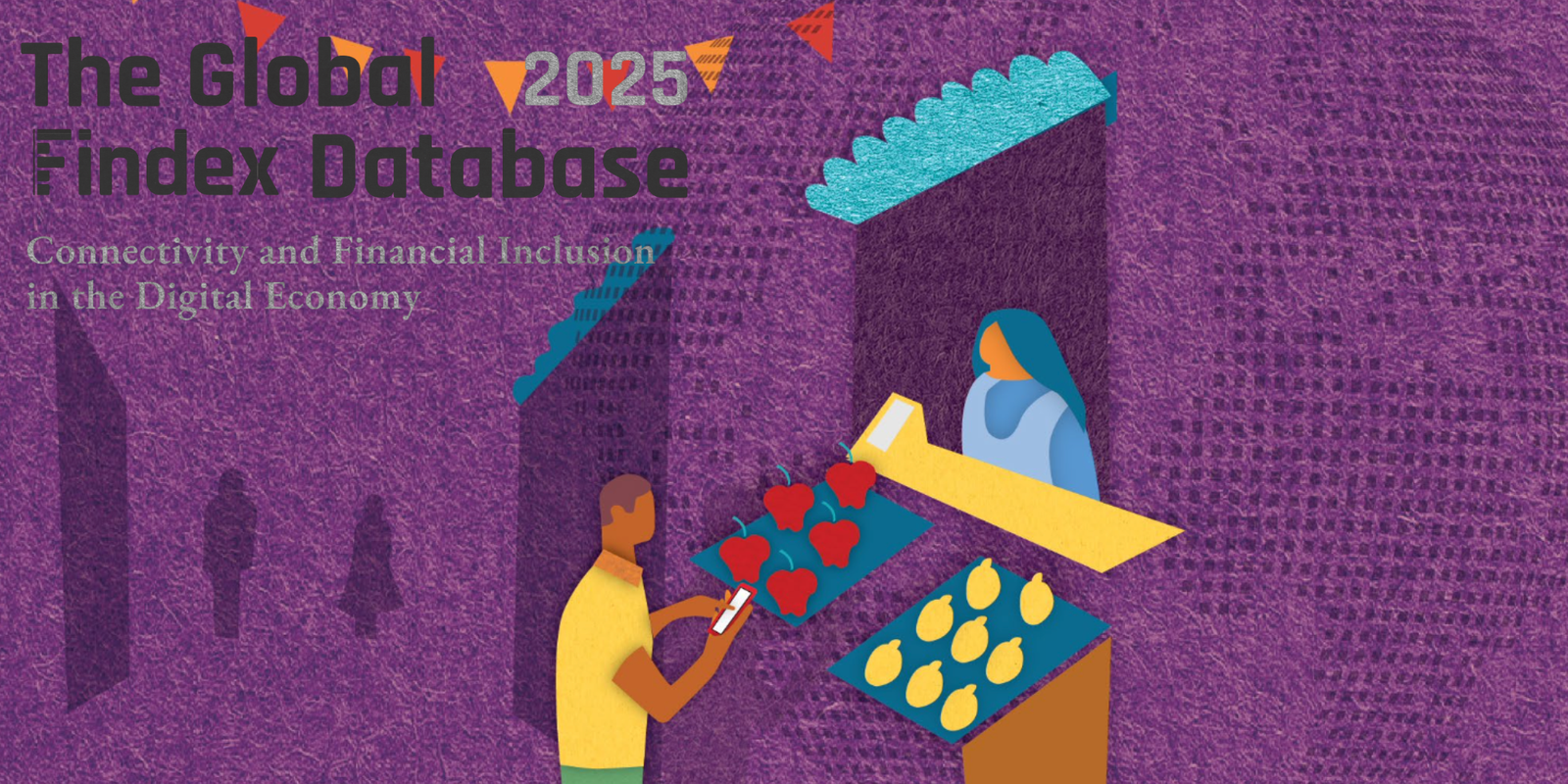
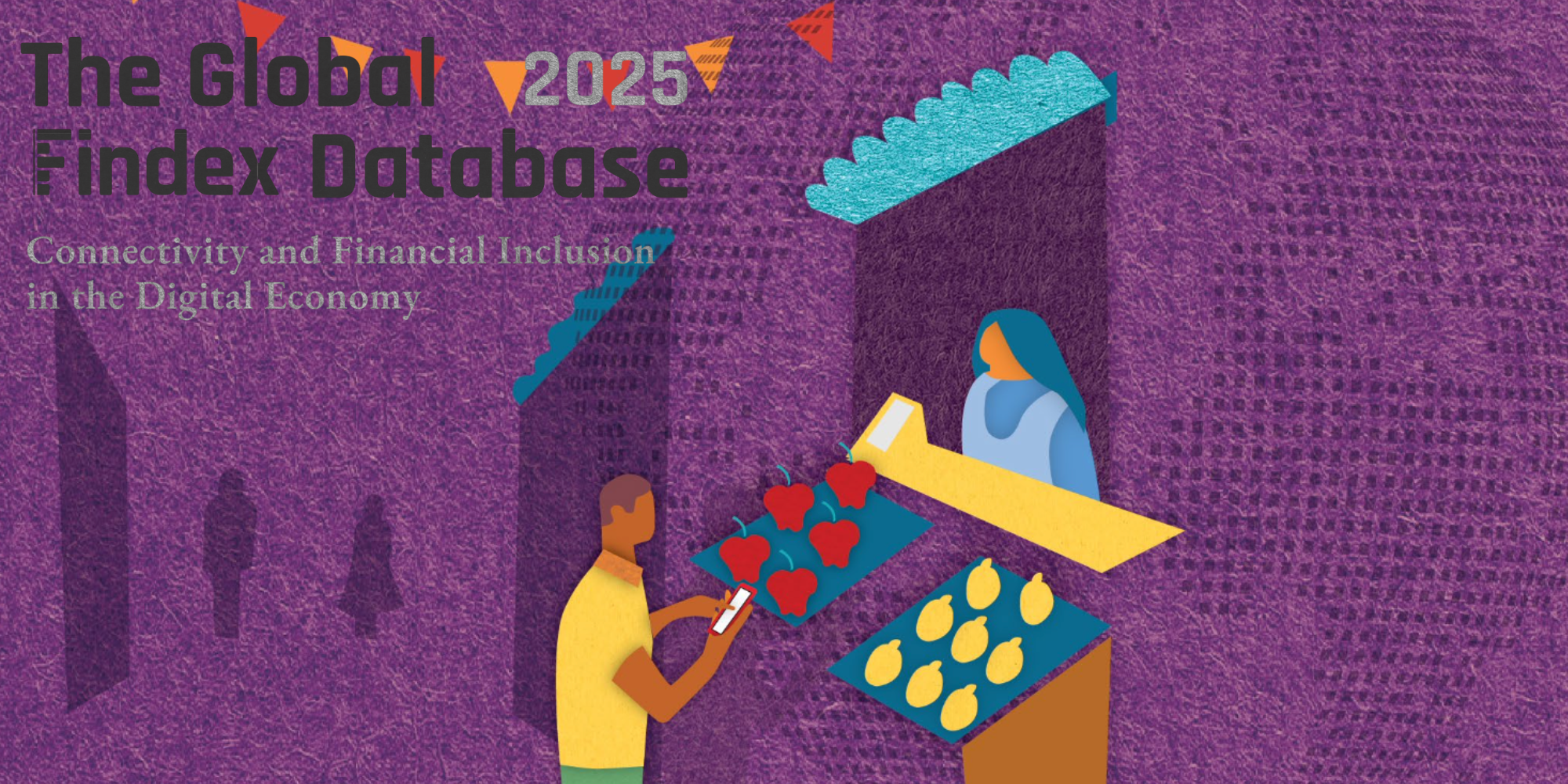
The Global Findex Database 2025, published by the World Bank, presents a detailed picture of the world’s progress in financial inclusion over the last decade. This landmark report—the fourth in the series since its inception in 2011—underscores major strides in account ownership, digital payments, financial resilience, and gender inclusion, while also identifying persistent gaps that demand targeted policy and innovation.
1. Unprecedented Growth in Financial Account Ownership
As of 2024, 76% of adults globally now have an account at a bank, other regulated institution, or through a mobile money provider. This reflects a significant jump from 51% in 2011, showcasing the collective impact of financial digitization, private sector innovation, and government-led initiatives.
In developing economies, 72% of adults own accounts—up from just 42% in 2011. This upward trend indicates that more individuals than ever are participating in formal financial systems, enabling safer savings, credit access, and economic resilience.
2. Digital Payments as a Driving Force
Digital technology has revolutionized financial access and usage. A key highlight of the report is the exponential rise in digital payments, especially during and after the COVID-19 pandemic. By 2024:
- 57% of adults in developing economies made or received digital payments.
- Over 36% of adults used a mobile phone or the internet to pay bills, receive wages, or transact business.
This shift not only indicates broader access but also improved efficiency, reduced transaction costs, and a pathway for economic participation, especially for small businesses and gig workers.
3. Gender Gap Shrinking but Challenges Remain
One of the most encouraging trends is the narrowing gender gap in account ownership:
- In 2024, the global gender gap in account ownership stands at 4 percentage points, down from 7 in 2011.
- In developing countries, it narrowed from 9 percentage points in 2011 to 6 points in 2024.
Yet, women continue to face barriers such as limited access to mobile phones, lower digital literacy, and sociocultural constraints. The report calls for targeted digital financial literacy initiatives and women-first financial products to bridge the gap further.
4. Financial Resilience and Emergency Access
Access to emergency funds remains a challenge, particularly in low-income countries. The report finds:
- Only 55% of adults globally could raise emergency funds within 30 days.
- In developing economies, this number drops to only 48%.
This highlights the need for broader access to formal savings, insurance, and credit products to build household-level resilience.
5. Cash Is No Longer King
While cash remains relevant, its dominance is fading. The report notes:
- An increasing number of people are using digital wallets and payment apps even in remote regions.
- Government-to-Person (G2P) transfers and wage payments have increasingly moved to digital channels, reducing leakage and improving efficiency.
Countries like India, Kenya, and Brazil are cited as case studies for successfully digitizing payments infrastructure.
6. Mobile Money: Africa’s Success Story
Sub-Saharan Africa continues to lead the world in mobile money adoption:
- Over 50% of adults in some African countries have mobile money accounts.
- The region now hosts more than half of the world’s 300 million active mobile money users.
Mobile money platforms have empowered unbanked populations by offering access to savings, remittances, credit, and even insurance—all via a mobile phone.
7. Policy Recommendations and Future Pathways
The Global Findex 2025 emphasizes that while infrastructure has expanded rapidly, usage and impact now take center stage. Recommendations include:
- Public-private partnerships to improve access to financial services in underserved communities.
- Digital literacy campaigns to foster user trust and confidence.
- Strengthening consumer protection frameworks to mitigate digital fraud risks.
- Developing inclusive products like microinsurance, nano-loans, and flexible savings tools.
The 2025 Findex report offers a cautiously optimistic outlook. While more than 1.4 billion adults remain unbanked, the pace of progress and innovation shows that inclusive finance is no longer aspirational—it is achievable. Financial inclusion, as the report underscores, is foundational to reducing poverty, promoting gender equality, and enabling resilient economies.
As we look ahead, it is clear that the next phase of financial inclusion will be defined not just by access, but by empowerment—ensuring that every adult, regardless of geography or gender, can meaningfully participate in the financial ecosystem.
