

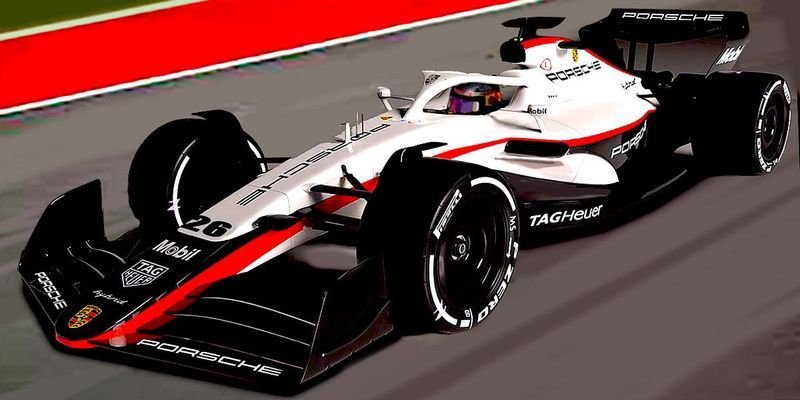
Porsche’s absence from Formula 1 has sparked considerable debate within motorsport circles. As one of the most successful and innovative manufacturers in the automotive world, Porsche’s decision to avoid Formula 1 (F1) raises questions. After all, this is a brand that has dominated the world’s toughest endurance races, showcased cutting-edge technology, and revolutionized the performance car industry. However, despite its engineering excellence, Porsche has consistently chosen not to compete in F1. To fully understand this decision, we must examine Porsche’s philosophy, motorsport priorities, and the dynamic nature of F1.
Porsche’s Engineering Excellence: Redefining Limits in Motorsport
Porsche’s commitment to engineering performance is legendary. Over the years, the brand has demonstrated an uncanny ability to surpass the performance capabilities of some of the most technologically advanced machines on the planet. A prime example of this is the Porsche 919 Hybrid Evo.
919 Hybrid Evo: Defying F1 Limits
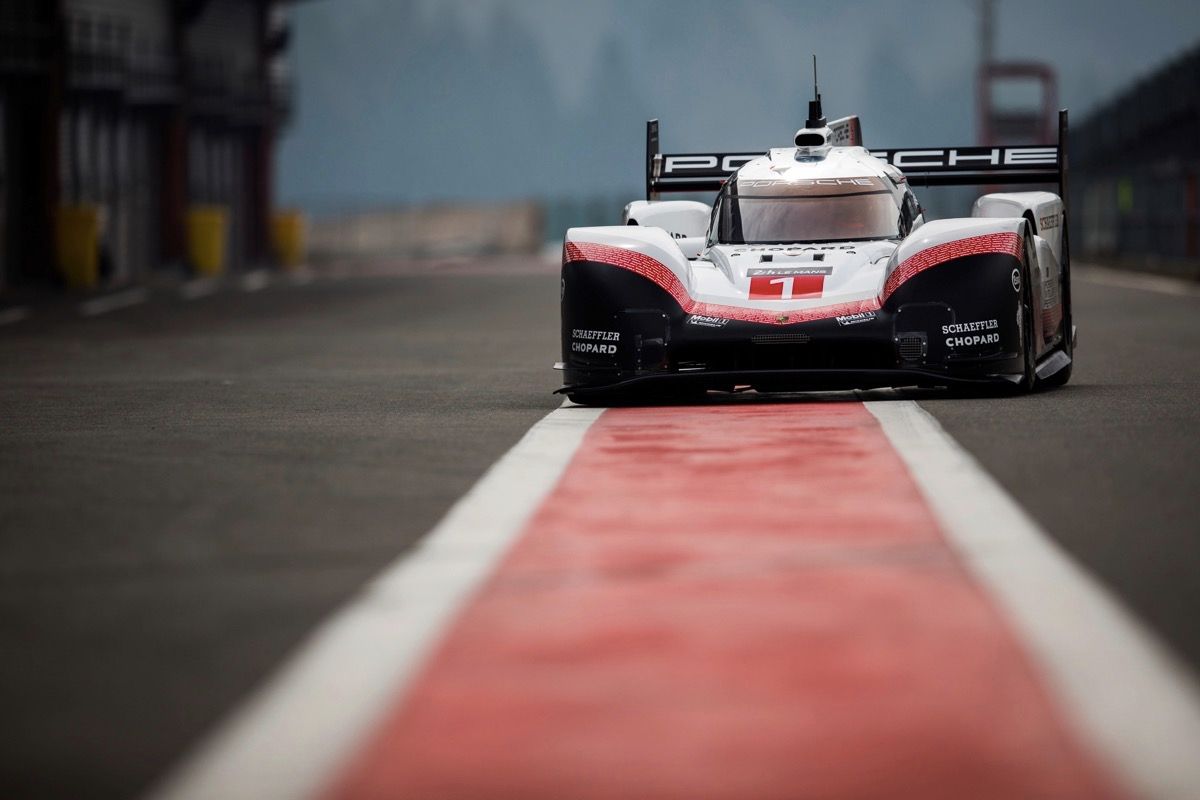
The Porsche 919 Hybrid Evo is a special car that was developed to prove just how much Porsche could achieve without being constrained by F1’s technical regulations. In 2018, the 919 Hybrid Evo set a new lap record at the Nürburgring Nordschleife, clocking in at an astonishing 5 minutes 19.55 seconds. This lap time was almost 45 seconds faster than the previous record held by the second-fastest car. What makes this achievement even more impressive is that the 919 Hybrid Evo achieved these results while still carrying a roof and being 200 kg heavier than the current F1 cars. Porsche has achieved similar feats at other legendary circuits like Spa-Francorchamps, where the car was within half a second of the overall lap record.
Porsche also holds three of the top four lap records at the Nürburgring, with the other spot occupied by their parent company Volkswagen. The success of the 919 Hybrid Evo underlines that Porsche’s engineering expertise doesn’t need to be validated in Formula 1 to be considered world-class.
Porsche’s Commitment to Endurance Racing: A Proven Legacy
Porsche’s motorsport legacy is primarily defined by its dominance in endurance racing, particularly the 24 Hours of Le Mans. The brand has captured more overall wins in Le Mans than any other manufacturer, with a record 19 victories. For Porsche, endurance racing is not just a showcase of speed but an arena for rigorous engineering development.
Le Mans vs. Formula 1: Different Philosophies
Endurance racing focuses on durability, efficiency, and long-term performance, qualities that align with Porsche’s commitment to creating cars that last. The brand’s ethos revolves around pushing cars to their limits while ensuring they can handle extreme endurance. This philosophy contrasts sharply with Formula 1, where cars are built for speed but may not prioritize long-term durability.
The F1 calendar consists of 22 to 24 races a year, with each event requiring high-performance engines that are pushed to their limits. These engines, however, are designed to last for a maximum of only 1,500 km, whereas Porsche’s endurance cars routinely cover much longer distances under similar levels of stress. This stark contrast in engineering requirements helps explain why Porsche has chosen to invest in endurance racing rather than F1.
Why Porsche Doesn’t Need F1: The Brand’s Strategic Perspective
One of the key reasons why Porsche doesn’t participate in F1 is that they don’t need it. The modern Formula 1 landscape is heavily focused on selling more products, from cars to energy drinks, to clothing and memorabilia. In this environment, manufacturers often use F1 to promote their consumer-facing brands, but Porsche has long enjoyed success in the performance car market without needing the added visibility that F1 provides.
Porsche’s Iconic Legacy: The 911
The Porsche 911 is perhaps the most recognizable sports car in the world. Its design has remained largely unchanged for over 60 years, and it continues to enjoy immense demand, with Porsche unable to meet the backlog of orders. In 2017, it was reported that 70% of all 911s ever built were still on the road, a testament to the car’s durability and Porsche’s commitment to engineering excellence. For Porsche, participating in F1 would not generate any significant increase in sales, as the 911 already has a massive fan base, and its reputation for reliability speaks for itself.
F1’s Technological Focus: A Mismatch with Porsche’s Development Strategy
While Formula 1 is at the forefront of cutting-edge technology, particularly in hybrid powertrains, Porsche’s strategy revolves around developing road car technologies that prioritize longevity, reliability, and sustainability. In F1, the technology often involves engines that are meant to be used for only a short duration. For example, the Mercedes AMG One hypercar uses a modified F1 engine but requires a full engine rebuild after just 30,000 miles. In contrast, Porsche cars like the 997 Carrera 4S can go 150,000 miles without any significant issues, with some even reaching up to 300,000 miles.
Porsche’s engineering goals are not limited to the racetrack. The brand integrates its racing technologies, such as hybrid and electric systems, directly into consumer vehicles. This approach allows them to showcase their technological prowess while keeping the consumer-focused brand image intact. The brand’s commitment to sustainability has led to investments in synthetic fuel technologies, which Porsche believes can allow combustion engine cars to remain relevant in an increasingly electric world.
Sustainability and the Future of F1: A Potential Entry Point for Porsche
While Porsche currently doesn’t participate in Formula 1, the future of the sport’s engine regulations may present a new opportunity. F1’s push toward sustainable fuel solutions could align well with Porsche’s investment in synthetic fuels, which aim to be carbon-neutral by reusing CO2 extracted during their production process.
Porsche has already invested $75 million into companies developing these synthetic fuels, which could play a key role in maintaining the legacy of the internal combustion engine (ICE). The next set of engine regulations in F1, scheduled for 2026, will emphasize sustainability, allowing for more sustainable fuels and hybrid powertrains. However, despite these developments, Porsche might still prefer to focus its efforts on Formula E, a series where the focus on electric racing technologies aligns more directly with Porsche’s strategic goals.
Formula E vs. F1: Aligning with Porsche’s Goals
Formula E is another area where Porsche has made significant investments. As part of its commitment to electric vehicle technology, Porsche joined Formula E in 2019, where its entry aligns more closely with the brand’s desire to innovate in the electric space. The technology developed through Formula E is more likely to translate directly into Porsche’s consumer EV lineup, which includes models like the Taycan.
Formula 1, on the other hand, may not offer the same long-term benefits in terms of sustainable tech development, making it less appealing for Porsche when the future of motorsport is already headed towards electrification.
Porsche’s Motorsport Strategy – A Different Path
Porsche’s decision not to compete in Formula 1 is rooted in its strategic vision and commitment to creating cars that last. While F1 offers a platform for cutting-edge racing technology, Porsche’s engineering philosophy has always been centered around durability, reliability, and sustainability. Endurance racing, particularly at events like Le Mans, provides Porsche with the ideal testing ground for its technologies, allowing the brand to maintain its reputation for building cars that are as resilient as they are fast.
Moreover, Porsche’s focus on electric and hybrid technologies through initiatives like Formula E and their own development of synthetic fuels ensures the brand remains at the forefront of automotive innovation. While F1 may be an attractive proposition for some manufacturers, Porsche does not need the exposure that comes with it. The brand is already deeply ingrained in motorsport and continues to innovate in ways that align with its core values.
In the end, Porsche’s motorsport strategy may not involve F1, but that doesn’t mean the brand is stepping away from racing. With its successful ventures into endurance racing, Formula E, and synthetic fuel development, Porsche remains a dominant force in motorsport, carving out its own path in the ever-evolving landscape of automotive technology.
