

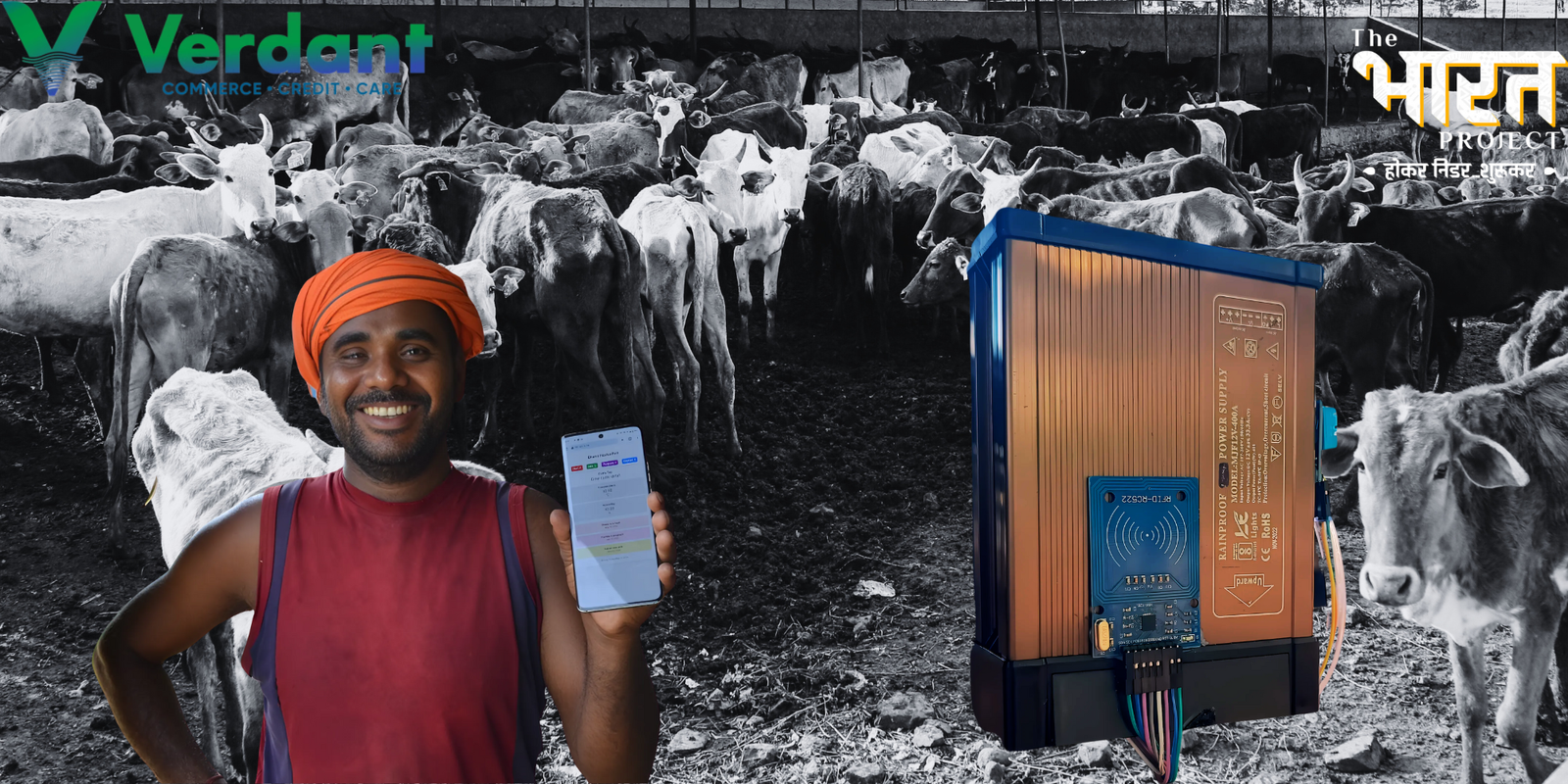

- Verdant Impact is building climate-resilient dairy genetics to empower small Indian farmers.
- The startup combines indigenous breed enhancement, biotechnology, and AI to improve farmer income and sustainability.
- With over 15,000 farmers served and Rs 120 crore additional income generated, Verdant is redefining livestock innovation from rural India.
” data-brand=”yourstory” contenteditable=”false” data-clicktext=”” data-clickurl=”” data-pageurl=”https://yourstory.com/2025/07/verdant-impact-dairy-genetics-agritech-india” data-sectiontype=”Key Takeaways” data-emailid=”aasma@yourstory.com”>
font-size: 1rem;
padding-bottom: 1.1rem;
color: #171B1C;
width: auto !important;
padding: 1.5rem 0.875rem;
margin: 1rem 0rem !important;
background: #FFFEF5;
box-shadow: 0px 4px 24px rgba(130, 150, 165, 0.25);
height: 100%;
display: block;
position: relative;
max-width: unset;
}
.keyTakeAWaysContainer li, .keyTakeAWaysContainer p{
font-family: Adobe Caslon Pro !important;
font-style: normal;
font-weight: 400 !important;
font-size: 21px !important;
line-height: 29px !important;
color: #0F171C !important;
}
.ql-editor .keyTakeAWaysTitlePara{
font-family: Adobe Caslon Pro !important;
font-style: normal;
font-weight: 700 !important;
font-size: 20px !important;
color: #FFFFFF !important;
margin: 0 !important;
text-align: center;
line-height: 20px !important;
}
.keyTakeAWaysTitlePara {
font-family: Adobe Caslon Pro !important;
font-style: normal;
font-weight: 700 !important;
font-size: 22px !important;
color: #FFFFFF !important;
margin: 0 !important;
text-align: center;
line-height: 20px !important;
margin-top: 5px !important;
}
.keyTakeAWaysWrapper{
position: relative;
margin: 6% 0px;
}
.ql-editor .keyTakeAWays{
margin: 1rem !important;
}
.keyTakeAWays{
margin: 3rem 1rem !important;
}
.keyTakeAWays ol li:before {
counter-increment: headings;
content: counter(headings) ”;
}
.ql-editor .keyTakeAWays ol li{
padding-top: 2rem;
list-style-position:outside;
list-style-type: none;
}
.ql-editor .keyTakeAWays ul li{
padding-top: 2rem;
list-style-position:outside;
list-style-type: disc;
}
.keyTakeAWays ol li{
padding-top: 2rem;
list-style-position:outside;
list-style-type: none;
}
.keyTakeAWays ul li{
padding-top: 2rem;
list-style-position:outside;
list-style-type: disc;
}
.keyTakeAWays ol li{
padding-top: 2rem;
list-style-position:outside;
list-style-type: none;
display: table;
}
.keyTakeAWays ul li{
padding-top: 2rem;
list-style-position:outside;
list-style-type: disc;
}
.keyTakeAWays ol li:not(.ql-direction-rtl), .keyTakeAWays ul li:not(.ql-direction-rtl){
padding-left: 0 !important;
}
.ql-editor .keyTakeAWays li::before,
.ql-editor .keyTakeAWays li::marker {
width: 12px;
height: 24px;
font-family: Adobe Caslon Pro !important;
font-style: normal;
font-weight: 400;
font-size: 21px;
line-height: 24px;
color: #0F171C;
padding-right: 0em;
vertical-align: middle !important;
}
.keyTakeAWays li::before,
.keyTakeAWays li::marker {
width: 12px;
height: 24px;
font-family: Adobe Caslon Pro !important;
font-style: normal;
font-weight: 400;
font-size: 21px;
line-height: 24px;
color: #0F171C;
padding-right: 0em;
vertical-align: middle !important;
}
.keyTakeAWays li::marker {
unicode-bidi: unset !important;
font-variant-numeric: unset !important;
text-transform: none;
text-indent: 0px !important;
text-align: unset !important;
text-align-last: unset !important;
vertical-align: middle !important;
}
.keyTakeAWays ul > li::before {
display: inline-block;
white-space: nowrap;
width: unset;
}
.ql-editor .keyTakeAWays .inline_link{
color: #0F171C !important;
border: 1px solid #0F171C;
padding: 2px 5px 0px !important;
text-decoration: none !important;
margin: 0px 3px 5px !important;
}
.keyTakeAWays .inline_link,
.keyTakeAWaysContainer > ol > li > .link,
.keyTakeAWaysContainer > ul > li > .link{
color: #0F171C !important;
border: 1px solid #0F171C;
padding: 5px 5px 0px 5px !important;
text-decoration: none !important;
text-align: center !important;
display: inline-block !important;
margin: 0px 3px 5px !important;
font-weight: 0;
cursor: pointer !important;
}
.ql-editor .keyTakeAWays .inline_link,
.ql-editor .keyTakeAWaysContainer > ol > li > .link,
.ql-editor .keyTakeAWaysContainer > ul > li > .link{
color: #0F171C !important;
border: 1px solid #0F171C;
padding: 5px 5px 0px 5px !important;
text-decoration: none !important;
text-align: end !important;
display: inline-block !important;
margin: 0px 3px 5px !important;
cursor: pointer !important;
}
.keyTakeAWays u {
border-bottom: 1px solid #0F171C;
text-decoration: none !important;
padding-bottom: 0px !important;
display: inline-block !important;
width: auto !important;
}
.keyTakeAWays .keyTakeAWaysPointsWrapper{
margin: unset !important;
}
.keyTakeAWaysContainer p:is(:first-child){
margin: 4% 1% 3% 5.5%;
}
.keyTakeAWaysContainer p:not(:first-child) {
margin: 4% 1% 3% 5.5%;
}
.keyTakeAWaysContainer p:last-child:has(br:only-child) {
margin: 0 !important;
}
.keyTakeAWaysContainer p:is(:first-child) .keyTakeAWaysTitleWrapper{
top: -1rem;
}
.keyTakeAWays .company-widget {
font-size: 20px !important;
color: #000000 !important;
cursor: pointer !important;
font-weight: 600 !important;
font-family: Adobe Caslon Pro !important;
display: unset !important;
}
.ql-editor .keyTakeAWays .company-widget::after,
.keyTakeAWays .company-widget::after {
font-family: pt-sans !important;
content: ‘i’;
font-size: 12px !important;
border-radius: 20px !important;
border: 2.6px solid #000000 !important;
color: #000000 !important;
transform: translateY(-24%) !important;
line-height: 14px !important;
display: inline-block !important;
height: 17px !important;
width: 17px !important;
margin: 0px 0.2rem !important;
text-align: center !important;
font-weight: 900;
padding-top: 2px;
}
.ql-editor .keyTakeAWaysTitleWrapper {
height: 37px;
width: 181px;
display: flex;
align-items: center;
background: black;
justify-content: center;
position: absolute;
top: -1rem;
left: 6%;
}
.keyTakeAWaysTitleWrapper {
height: 37px;
width: 210px;
display: flex;
align-items: center;
background: black;
justify-content: center;
position: absolute;
top: -1rem;
left: 6%;
}
.ql-editor .keyTakeAWays ul {
counter-reset: headings;
}
.keyTakeAWays ul {
counter-reset: headings;
}
.ql-editor .keyTakeAWays ol {
counter-reset: headings;
}
.keyTakeAWays ol {
counter-reset: headings;
}
.keyTakeAWays ol{
margin: 0 !important;
padding: 0 !important;
}
.ql-editor .keyTakeAWays ul, .ql-editor .keyTakeAWays ol {
margin: 0px 0px 0px 0.8rem !important;
padding: 0 !important;
border-collapse: separate;
border-spacing: 1.5rem;
}
.keyTakeAWays ul{
margin: 0px 0px 0px 0.8rem !important;
padding: 0 !important;
border-collapse: separate;
border-spacing: 1rem 2rem;
}
.keyTakeAWays ol {
margin: 0px 0px 0px 0.5rem !important;
padding: 0 !important;
border-collapse: separate;
border-spacing: 1rem 2rem;
}
.ql-editor .keyTakeAWays ol, .ql-editor .keyTakeAWays ol {
padding: 0 !important;
border-collapse: separate;
border-spacing: 1.5rem;
}
.keyTakeAWays ol {
display: table !important;
}
.keyTakeAWays ul {
display: table !important;
}
.keyTakeAWays ol li {
list-style: none !important;
display: table-row !important;
}
.keyTakeAWays ul li {
list-style: none !important;
display: table-row !important;
text-indent: unset !important;
}
.keyTakeAWays ol li::before {
display: table-cell !important;
text-align: right !important;
vertical-align: middle !important;
}
.keyTakeAWays ul li::before {
display: table-cell !important;
text-align: right !important;
padding-right: 0rem !important;
content: “\2022” !important;
vertical-align: middle !important;
}
.ql-editor .keyTakeAWays ul li:not(.ql-direction-rtl)::before{
margin: 0px !important;
}
@media (max-width: 769px) {
.keyTakeAWaysContainer p:is(:first-child){
margin: 13% 1% 3% 5.5% !important;
}
.keyTakeAWaysContainer p:not(:first-child){
margin: 4% 1% 3% 5.5% !important;
}
.keyTakeAWays ul, .keyTakeAWays ol{
margin: 0px !important;
}
.keyTakeAWays .inline_link,
.keyTakeAWaysContainer > ol > li > .link,
.keyTakeAWaysContainer > ul > li > .link{
text-align: center !important;
}
.keyTakeAWaysTitleWrapper{
width: 155px;
height: 30px;
top: -1rem;
left: 12.5%;
}
.ql-editor .keyTakeAWaysTitlePara{
font-family: Adobe Caslon Pro !important;
font-style: normal;
font-weight: 400 !important;
font-size: 16px !important;
}
.keyTakeAWaysTitlePara{
font-family: Adobe Caslon Pro !important;
font-style: normal;
font-weight: 400 !important;
font-size: 16px !important;
margin-top: 5px !important;
}
.keyTakeAWaysContainer{
margin: 1% 0px 0rem 0px !important;
}
.keyTakeAWaysContainer li, .keyTakeAWaysContainer p{
font-family: Adobe Caslon Pro !important;
font-style: normal;
font-weight: 400 !important;
font-size: 17px !important;
line-height: 24px !important;
}
.keyTakeAWays li::before,
.keyTakeAWays li::marker{
width: 5px;
height: 24px;
font-family: Adobe Caslon Pro !important;
font-weight: 500;
font-size: 14px !important;
line-height: 24px;
color: #0F171C;
padding-right: 0em;
}
.keyTakeAWays ul > li::before{
width: unset !important;
font-size: 18px !important;
}
.keyTakeAWaysPointsWrapper{
box-shadow: 0px 4px 24px rgba(170, 167, 162, 0.38);
padding: 0.8rem 0.5rem 1rem !important;
}
.ql-editor .keyTakeAWays ol > li{
padding-top: 1rem;
list-style-type: none;
list-style-position: inside;
}
.keyTakeAWays ol > li{
padding-top: 1rem;
list-style-type: none;
list-style-position: outside;
}
.ql-editor .keyTakeAWays ul > li{
padding-top: 1rem;
list-style-type: disc;
list-style-position: inside;
text-indent: -6% !important;
margin-left: 1em !important;
}
.keyTakeAWays ul > li{
padding-top: 1rem;
list-style-type: disc;
list-style-position: inside;
}
.keyTakeAWays{
margin: 2rem 1rem 3.5rem !important;
// 2rem 1rem 3.5rem !important;
}
.keyTakeAWaysContainer p {
margin: 4% 4% 0 8% !important;
}
.keyTakeAWaysContainer p:last-child:has(br:only-child) {
margin: 0 !important;
}
.ql-editor .keyTakeAWays .company-widget::after,
.keyTakeAWays .company-widget::after {
height: 0.8rem !important;
width: 0.7rem !important;
}
.ql-editor .keyTakeAWays .company-widget,
.keyTakeAWays .company-widget {
font-size: 1.12rem !important;
line-height: 0.9rem !important;
}
.keyTakeAWays li::before, .keyTakeAWays li::marker{
padding: 0px !important;
}
}
@media (max-width: 300px) {
.keyTakeAWaysTitleWrapper{
left: 18% !important;
top: -1rem !important;
}
.keyTakeAWaysContainer p:is(:first-child){
margin: 14% 1% 3% 4.5% !important;
}
.keyTakeAWaysContainer p:not(:first-child){
margin: 4% 1% 3% 4.5% !important;
}
}
@media (min-width: 200px) and (max-width: 389px) {
.keyTakeAWays ul > li::before{
width: unset !important;
}
.keyTakeAWays ul > li{
padding-top: 1rem;
list-style-type: disc;
list-style-position: inside;
}
}
@media (min-width: 500px) and (max-width: 600px) {
.keyTakeAWaysTitleWrapper{
left: 8% !important;
}
.keyTakeAWaysContainer p:is(:first-child){
margin: 8% 1% 3% 2.5% !important;
}
.keyTakeAWaysContainer p:not(:first-child){
margin: 4% 1% 3% 2.5% !important;
}
}
@media (min-width: 390px) and (max-width: 500px) {
.keyTakeAWays ul li:not(.ql-direction-rtl)::before{
margin-left: -1em !important;
margin-right: 0em !important;
}
.keyTakeAWaysContainer p:is(:first-child){
margin: 12.5% 1% 3% 5.5% !important;
}
.keyTakeAWaysContainer p:not(:first-child){
margin: 4% 1% 3% 5.5% !important;
}
}
@media (min-width: 768px) and (max-width: 820px) {
.keyTakeAWays ul li:not(.ql-direction-rtl)::before{
margin-left: -0.3em !important;
margin-right: 0em !important;
}
}
@media (max-width: 1280px) {
.keyTakeAWaysTitlePara{
margin-top: 5px !important;
}
}
@media (min-width: 768px) and (max-width: 768px) {
.keyTakeAWaysTitleWrapper{
left: 6% !important;
top: -1rem !important;
}
.keyTakeAWaysTitlePara{
margin-top: 3px !important;
}
.keyTakeAWaysContainer p:is(:first-child){
margin: 8% 1% 3% 2.5% !important;
}
.keyTakeAWaysContainer p:not(:first-child){
margin: 4% 1% 3% 2.5% !important;
}
}
@media (min-width: 414px) and (max-width: 417px) {
.keyTakeAWays ol{
border-spacing: 1.6rem 2rem !important;
}
.keyTakeAWays ul{
border-spacing: 1.2rem 2rem !important;
}
}
.glossary-story-scroll{
text-decoration: none !important;
color: #000 !important;
cursor: pointer !important;
}
}
Key Takeaways
- Verdant Impact is building climate-resilient dairy genetics to empower small Indian farmers.
- The startup combines indigenous breed enhancement, biotechnology, and AI to improve farmer income and sustainability.
- With over 15,000 farmers served and Rs 120 crore additional income generated, Verdant is redefining livestock innovation from rural India.
In December 2019, Manish Kumar Meena, a part-time dairy farmer, watched helplessly as nine of his buffaloes died from an unknown disease. Lacking access to expert veterinary care, he realised the systemic gaps that haunt India’s small farmers. That painful episode ignited a mission: ensure no farmer has to endure the same.
<div class="externalHtml embed" contenteditable="false" data-val="” align=”center”>
From this experience grew Verdant Impacta climate-first livestock genetics company born not in a lab, but in a shed in Rajasthan. Formally launched in 2020, the startup is now pioneering indigenous breed enhancement to make dairy more productive, resilient, and equitable.
Solving the Twin Crisis of Yield and Climate
India’s dairy sector is caught in a bind of low productivity and increasing climate threats. While traditional breeds are better adapted to India’s harsh conditions, they are often undervalued compared to exotic imports. As a result, farmers grapple with declining incomes, rising disease outbreaks, and worsening water scarcity.
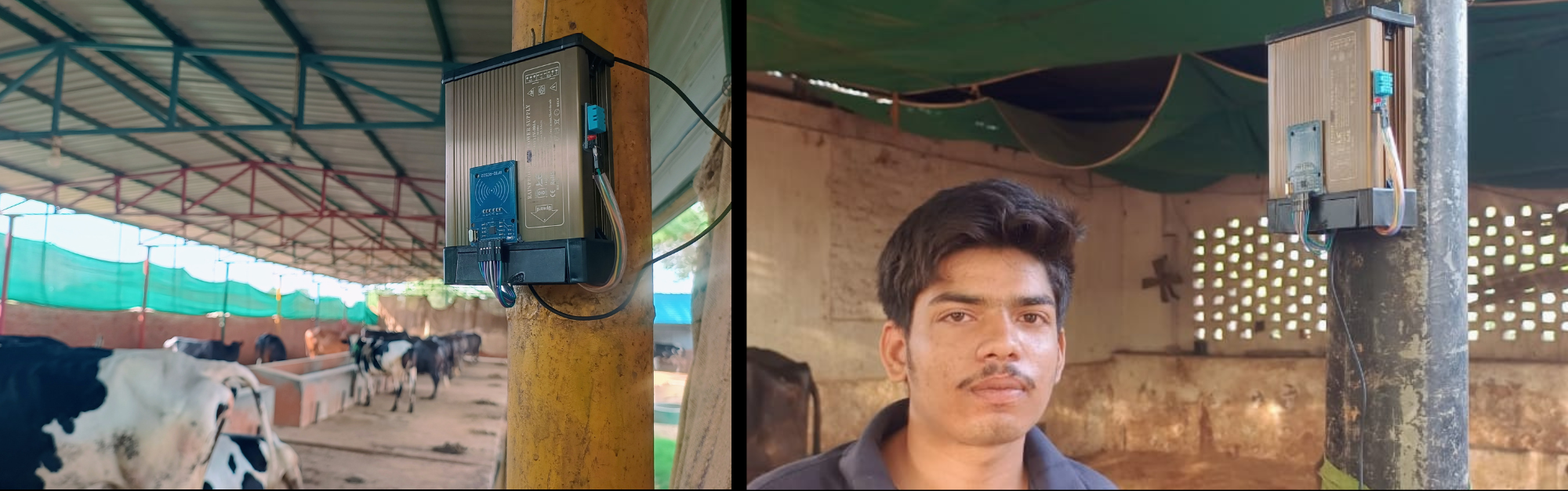
Verdant Impact addresses these challenges through a comprehensive approach. It enhances the genetics of native breeds such as Gir, Sahiwal, and Murrah to boost productivity. The company also provides AI-driven breeding recommendations with an impressive 92% accuracy, coupled with IoT-based monitoring and mobile-first access to technology tailored for rural farmers.
The outcomes speak for themselves: milk yields have increased by 40 to 75%, disease incidence has dropped by 60%, and heat tolerance has improved by 30%. Most importantly, farmers have seen their incomes rise by up to 68%.
Building a Tech-Enabled, Farmer-Centric Ecosystem
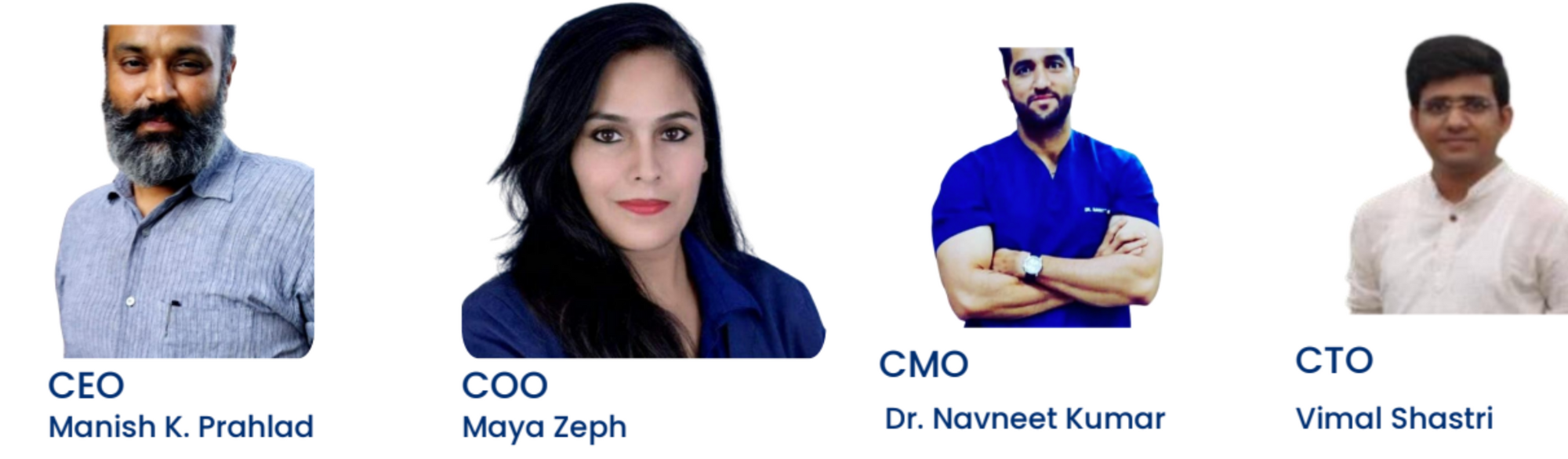
Verdant Impact is structured across a robust and multidisciplinary team: Manish K. Meena (CEO) oversees operations and mission alignment, Maya Meena Zeph (COO) leads germplasm and biotech R&D, and Dr. Navneet Meena (CMO) heads One Health and clinical programs.
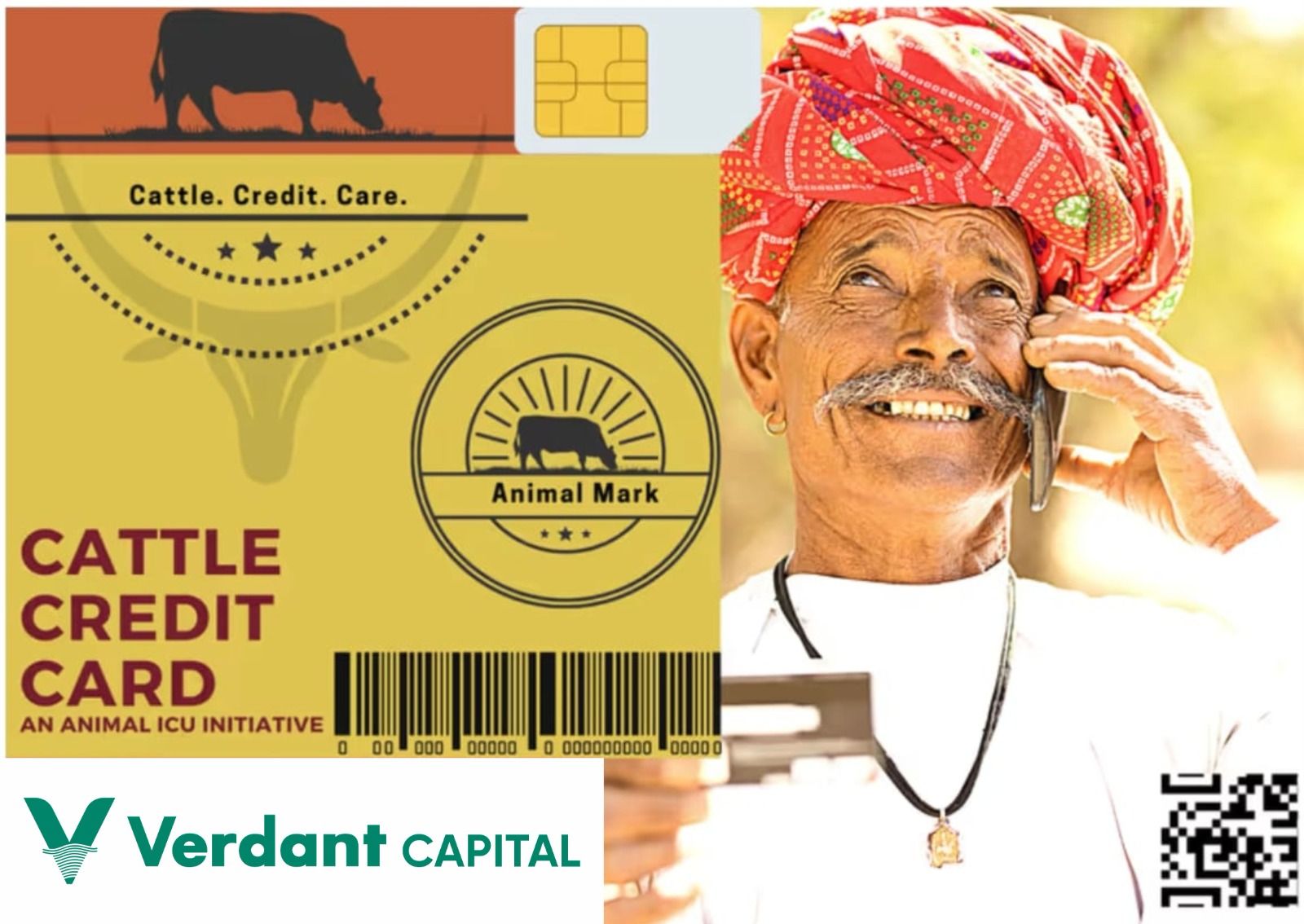
Their platform integrates genomics, AI, and digital commerce. Farmers use the Verdant mobile app—now with 12,000+ active users—to access breeding guidance, diagnostics, insurance, and even sell cattle. Services are localised, mobile-first, and priced to be affordable for the 95% of Indian dairy farmers with 15 animals.
From Rural Roots to National Scale
With eight regional breeding hubs and a cold-chain logistics network, Verdant supports over 15,000 farmers across eight Indian states. To date, the company has added Rs 120 crore to farmer incomes, enhanced the genetics of over 50,000 animals, retained 95% of farmers after the first breeding cycle, and achieved break-even in three operational regions. By August 2025, Verdant aims to reach Rs 100 crore in ARR, expand to 100,000+ farmers, and enter global markets like Southeast Asia and Africa.
Institutional Fuel Behind a Grassroots AgriTech Revolution
Verdant’s journey has been shaped by critical institutional support. AIDEA-NAARM provided the first equity investment through NABARD CCF. PUSA Krishi extended an RKVY-Raftaar grant to help scale the startup’s biotech capabilities.
Additional support in the form of funding and mentorship came from Istart Rajasthan and AIM-AIC under NITI Aayog. Alongside this support, Verdant has won awards from ICAR, IGF and was recognised among the World’s 100 Most Meaningful Businesses in 2024.
A Scalable, Data-Rich Business Model
Revenue flows from four verticals:
- Genetic material sales (40%): Premium semen, embryos, bulls
- Technology platform (25%): Mobile app subscriptions, IoT devices
- Consulting and services (20%): Breeding programs, training, veterinary care
- Digital commerce (15%): Cattle marketplace, logistics, insurance
With over Rs 7 crore in monthly sales and 65–70% gross margins, Verdant’s model scales through AI, cloud infrastructure, and field service automation. Its LTV per farmer exceeds Rs 5,000 with customer acquisition at just Rs 300.
Climate-First, India-First, Future-Ready
Unlike global players pushing foreign genetics, Verdant enhances native breeds for India’s realities. Its cattle thrive in 45°C+ heat, consume 25% less water, and require fewer antibiotics. Genetic data from 10,000+ animals feeds continuous AI improvement.
This not only improves yield and income, but also reduces dairy’s carbon footprint by 25%, saves 2,000 litres of water per cow annually, and preserves the diversity of India’s 8 endangered native breeds.
Lessons from the Field
Verdant’s early days were challenging: mistrust, failed cold storage, and low app adoption. But the team adapted, offering offline features, multi-language support, and local vet partnerships. They simplified their pitch from “AI-powered genomics” to “better cows, more money.” The result: 60% of growth now comes from farmer referrals. 30% of partners are women. 25% of farms are run by youth.
As Manish Meena often says, “Don’t try to change traditional sectors—try to enhance them.” Verdant doesn’t replace the wisdom of rural India. It amplifies it. With deep roots in community and bold science in its vision, Verdant Impact is not just building better cows—it’s building a future where farmers, climate, and culture all thrive together.
Looking Ahead
In the next 12–18 months, Verdant aims to expand into three new states, launch its buffalo genetics and AI-powered nutrition modules, scale up its breeding marketplace and insurance programs, and raise a Rs 25–30 crore Series A round to support growth and R&D initiatives. By 2030, the company envisions becoming a global leader in climate-resilient livestock genetics—empowering one million farmers and preserving more than 25 indigenous cattle breeds.
