

- Agnit Semiconductors aims to build India’s self-reliance in Gallium Nitride (GaN) technology.
- Founded by IISc researchers, the startup delivers end-to-end, IP-rich GaN solutions for strategic sectors.
- Backed by $4.87 million in funding and deep institutional support, Agnit is entering field trials and scaling up production.
” data-brand=”yourstory” contenteditable=”false” data-clicktext=”” data-clickurl=”” data-pageurl=”https://yourstory.com/2025/07/agnit-india-gan-semiconductors” data-sectiontype=”Key Takeaways” data-emailid=”aasma@yourstory.com”>
font-size: 1rem;
padding-bottom: 1.1rem;
color: #171B1C;
width: auto !important;
padding: 1.5rem 0.875rem;
margin: 1rem 0rem !important;
background: #FFFEF5;
box-shadow: 0px 4px 24px rgba(130, 150, 165, 0.25);
height: 100%;
display: block;
position: relative;
max-width: unset;
}
.keyTakeAWaysContainer li, .keyTakeAWaysContainer p{
font-family: Adobe Caslon Pro !important;
font-style: normal;
font-weight: 400 !important;
font-size: 21px !important;
line-height: 29px !important;
color: #0F171C !important;
}
.ql-editor .keyTakeAWaysTitlePara{
font-family: Adobe Caslon Pro !important;
font-style: normal;
font-weight: 700 !important;
font-size: 20px !important;
color: #FFFFFF !important;
margin: 0 !important;
text-align: center;
line-height: 20px !important;
}
.keyTakeAWaysTitlePara {
font-family: Adobe Caslon Pro !important;
font-style: normal;
font-weight: 700 !important;
font-size: 22px !important;
color: #FFFFFF !important;
margin: 0 !important;
text-align: center;
line-height: 20px !important;
margin-top: 5px !important;
}
.keyTakeAWaysWrapper{
position: relative;
margin: 6% 0px;
}
.ql-editor .keyTakeAWays{
margin: 1rem !important;
}
.keyTakeAWays{
margin: 3rem 1rem !important;
}
.keyTakeAWays ol li:before {
counter-increment: headings;
content: counter(headings) ”;
}
.ql-editor .keyTakeAWays ol li{
padding-top: 2rem;
list-style-position:outside;
list-style-type: none;
}
.ql-editor .keyTakeAWays ul li{
padding-top: 2rem;
list-style-position:outside;
list-style-type: disc;
}
.keyTakeAWays ol li{
padding-top: 2rem;
list-style-position:outside;
list-style-type: none;
}
.keyTakeAWays ul li{
padding-top: 2rem;
list-style-position:outside;
list-style-type: disc;
}
.keyTakeAWays ol li{
padding-top: 2rem;
list-style-position:outside;
list-style-type: none;
display: table;
}
.keyTakeAWays ul li{
padding-top: 2rem;
list-style-position:outside;
list-style-type: disc;
}
.keyTakeAWays ol li:not(.ql-direction-rtl), .keyTakeAWays ul li:not(.ql-direction-rtl){
padding-left: 0 !important;
}
.ql-editor .keyTakeAWays li::before,
.ql-editor .keyTakeAWays li::marker {
width: 12px;
height: 24px;
font-family: Adobe Caslon Pro !important;
font-style: normal;
font-weight: 400;
font-size: 21px;
line-height: 24px;
color: #0F171C;
padding-right: 0em;
vertical-align: middle !important;
}
.keyTakeAWays li::before,
.keyTakeAWays li::marker {
width: 12px;
height: 24px;
font-family: Adobe Caslon Pro !important;
font-style: normal;
font-weight: 400;
font-size: 21px;
line-height: 24px;
color: #0F171C;
padding-right: 0em;
vertical-align: middle !important;
}
.keyTakeAWays li::marker {
unicode-bidi: unset !important;
font-variant-numeric: unset !important;
text-transform: none;
text-indent: 0px !important;
text-align: unset !important;
text-align-last: unset !important;
vertical-align: middle !important;
}
.keyTakeAWays ul > li::before {
display: inline-block;
white-space: nowrap;
width: unset;
}
.ql-editor .keyTakeAWays .inline_link{
color: #0F171C !important;
border: 1px solid #0F171C;
padding: 2px 5px 0px !important;
text-decoration: none !important;
margin: 0px 3px 5px !important;
}
.keyTakeAWays .inline_link,
.keyTakeAWaysContainer > ol > li > .link,
.keyTakeAWaysContainer > ul > li > .link{
color: #0F171C !important;
border: 1px solid #0F171C;
padding: 5px 5px 0px 5px !important;
text-decoration: none !important;
text-align: center !important;
display: inline-block !important;
margin: 0px 3px 5px !important;
font-weight: 0;
cursor: pointer !important;
}
.ql-editor .keyTakeAWays .inline_link,
.ql-editor .keyTakeAWaysContainer > ol > li > .link,
.ql-editor .keyTakeAWaysContainer > ul > li > .link{
color: #0F171C !important;
border: 1px solid #0F171C;
padding: 5px 5px 0px 5px !important;
text-decoration: none !important;
text-align: end !important;
display: inline-block !important;
margin: 0px 3px 5px !important;
cursor: pointer !important;
}
.keyTakeAWays u {
border-bottom: 1px solid #0F171C;
text-decoration: none !important;
padding-bottom: 0px !important;
display: inline-block !important;
width: auto !important;
}
.keyTakeAWays .keyTakeAWaysPointsWrapper{
margin: unset !important;
}
.keyTakeAWaysContainer p:is(:first-child){
margin: 4% 1% 3% 5.5%;
}
.keyTakeAWaysContainer p:not(:first-child) {
margin: 4% 1% 3% 5.5%;
}
.keyTakeAWaysContainer p:last-child:has(br:only-child) {
margin: 0 !important;
}
.keyTakeAWaysContainer p:is(:first-child) .keyTakeAWaysTitleWrapper{
top: -1rem;
}
.keyTakeAWays .company-widget {
font-size: 20px !important;
color: #000000 !important;
cursor: pointer !important;
font-weight: 600 !important;
font-family: Adobe Caslon Pro !important;
display: unset !important;
}
.ql-editor .keyTakeAWays .company-widget::after,
.keyTakeAWays .company-widget::after {
font-family: pt-sans !important;
content: ‘i’;
font-size: 12px !important;
border-radius: 20px !important;
border: 2.6px solid #000000 !important;
color: #000000 !important;
transform: translateY(-24%) !important;
line-height: 14px !important;
display: inline-block !important;
height: 17px !important;
width: 17px !important;
margin: 0px 0.2rem !important;
text-align: center !important;
font-weight: 900;
padding-top: 2px;
}
.ql-editor .keyTakeAWaysTitleWrapper {
height: 37px;
width: 181px;
display: flex;
align-items: center;
background: black;
justify-content: center;
position: absolute;
top: -1rem;
left: 6%;
}
.keyTakeAWaysTitleWrapper {
height: 37px;
width: 210px;
display: flex;
align-items: center;
background: black;
justify-content: center;
position: absolute;
top: -1rem;
left: 6%;
}
.ql-editor .keyTakeAWays ul {
counter-reset: headings;
}
.keyTakeAWays ul {
counter-reset: headings;
}
.ql-editor .keyTakeAWays ol {
counter-reset: headings;
}
.keyTakeAWays ol {
counter-reset: headings;
}
.keyTakeAWays ol{
margin: 0 !important;
padding: 0 !important;
}
.ql-editor .keyTakeAWays ul, .ql-editor .keyTakeAWays ol {
margin: 0px 0px 0px 0.8rem !important;
padding: 0 !important;
border-collapse: separate;
border-spacing: 1.5rem;
}
.keyTakeAWays ul{
margin: 0px 0px 0px 0.8rem !important;
padding: 0 !important;
border-collapse: separate;
border-spacing: 1rem 2rem;
}
.keyTakeAWays ol {
margin: 0px 0px 0px 0.5rem !important;
padding: 0 !important;
border-collapse: separate;
border-spacing: 1rem 2rem;
}
.ql-editor .keyTakeAWays ol, .ql-editor .keyTakeAWays ol {
padding: 0 !important;
border-collapse: separate;
border-spacing: 1.5rem;
}
.keyTakeAWays ol {
display: table !important;
}
.keyTakeAWays ul {
display: table !important;
}
.keyTakeAWays ol li {
list-style: none !important;
display: table-row !important;
}
.keyTakeAWays ul li {
list-style: none !important;
display: table-row !important;
text-indent: unset !important;
}
.keyTakeAWays ol li::before {
display: table-cell !important;
text-align: right !important;
vertical-align: middle !important;
}
.keyTakeAWays ul li::before {
display: table-cell !important;
text-align: right !important;
padding-right: 0rem !important;
content: “\2022” !important;
vertical-align: middle !important;
}
.ql-editor .keyTakeAWays ul li:not(.ql-direction-rtl)::before{
margin: 0px !important;
}
@media (max-width: 769px) {
.keyTakeAWaysContainer p:is(:first-child){
margin: 13% 1% 3% 5.5% !important;
}
.keyTakeAWaysContainer p:not(:first-child){
margin: 4% 1% 3% 5.5% !important;
}
.keyTakeAWays ul, .keyTakeAWays ol{
margin: 0px !important;
}
.keyTakeAWays .inline_link,
.keyTakeAWaysContainer > ol > li > .link,
.keyTakeAWaysContainer > ul > li > .link{
text-align: center !important;
}
.keyTakeAWaysTitleWrapper{
width: 155px;
height: 30px;
top: -1rem;
left: 12.5%;
}
.ql-editor .keyTakeAWaysTitlePara{
font-family: Adobe Caslon Pro !important;
font-style: normal;
font-weight: 400 !important;
font-size: 16px !important;
}
.keyTakeAWaysTitlePara{
font-family: Adobe Caslon Pro !important;
font-style: normal;
font-weight: 400 !important;
font-size: 16px !important;
margin-top: 5px !important;
}
.keyTakeAWaysContainer{
margin: 1% 0px 0rem 0px !important;
}
.keyTakeAWaysContainer li, .keyTakeAWaysContainer p{
font-family: Adobe Caslon Pro !important;
font-style: normal;
font-weight: 400 !important;
font-size: 17px !important;
line-height: 24px !important;
}
.keyTakeAWays li::before,
.keyTakeAWays li::marker{
width: 5px;
height: 24px;
font-family: Adobe Caslon Pro !important;
font-weight: 500;
font-size: 14px !important;
line-height: 24px;
color: #0F171C;
padding-right: 0em;
}
.keyTakeAWays ul > li::before{
width: unset !important;
font-size: 18px !important;
}
.keyTakeAWaysPointsWrapper{
box-shadow: 0px 4px 24px rgba(170, 167, 162, 0.38);
padding: 0.8rem 0.5rem 1rem !important;
}
.ql-editor .keyTakeAWays ol > li{
padding-top: 1rem;
list-style-type: none;
list-style-position: inside;
}
.keyTakeAWays ol > li{
padding-top: 1rem;
list-style-type: none;
list-style-position: outside;
}
.ql-editor .keyTakeAWays ul > li{
padding-top: 1rem;
list-style-type: disc;
list-style-position: inside;
text-indent: -6% !important;
margin-left: 1em !important;
}
.keyTakeAWays ul > li{
padding-top: 1rem;
list-style-type: disc;
list-style-position: inside;
}
.keyTakeAWays{
margin: 2rem 1rem 3.5rem !important;
// 2rem 1rem 3.5rem !important;
}
.keyTakeAWaysContainer p {
margin: 4% 4% 0 8% !important;
}
.keyTakeAWaysContainer p:last-child:has(br:only-child) {
margin: 0 !important;
}
.ql-editor .keyTakeAWays .company-widget::after,
.keyTakeAWays .company-widget::after {
height: 0.8rem !important;
width: 0.7rem !important;
}
.ql-editor .keyTakeAWays .company-widget,
.keyTakeAWays .company-widget {
font-size: 1.12rem !important;
line-height: 0.9rem !important;
}
.keyTakeAWays li::before, .keyTakeAWays li::marker{
padding: 0px !important;
}
}
@media (max-width: 300px) {
.keyTakeAWaysTitleWrapper{
left: 18% !important;
top: -1rem !important;
}
.keyTakeAWaysContainer p:is(:first-child){
margin: 14% 1% 3% 4.5% !important;
}
.keyTakeAWaysContainer p:not(:first-child){
margin: 4% 1% 3% 4.5% !important;
}
}
@media (min-width: 200px) and (max-width: 389px) {
.keyTakeAWays ul > li::before{
width: unset !important;
}
.keyTakeAWays ul > li{
padding-top: 1rem;
list-style-type: disc;
list-style-position: inside;
}
}
@media (min-width: 500px) and (max-width: 600px) {
.keyTakeAWaysTitleWrapper{
left: 8% !important;
}
.keyTakeAWaysContainer p:is(:first-child){
margin: 8% 1% 3% 2.5% !important;
}
.keyTakeAWaysContainer p:not(:first-child){
margin: 4% 1% 3% 2.5% !important;
}
}
@media (min-width: 390px) and (max-width: 500px) {
.keyTakeAWays ul li:not(.ql-direction-rtl)::before{
margin-left: -1em !important;
margin-right: 0em !important;
}
.keyTakeAWaysContainer p:is(:first-child){
margin: 12.5% 1% 3% 5.5% !important;
}
.keyTakeAWaysContainer p:not(:first-child){
margin: 4% 1% 3% 5.5% !important;
}
}
@media (min-width: 768px) and (max-width: 820px) {
.keyTakeAWays ul li:not(.ql-direction-rtl)::before{
margin-left: -0.3em !important;
margin-right: 0em !important;
}
}
@media (max-width: 1280px) {
.keyTakeAWaysTitlePara{
margin-top: 5px !important;
}
}
@media (min-width: 768px) and (max-width: 768px) {
.keyTakeAWaysTitleWrapper{
left: 6% !important;
top: -1rem !important;
}
.keyTakeAWaysTitlePara{
margin-top: 3px !important;
}
.keyTakeAWaysContainer p:is(:first-child){
margin: 8% 1% 3% 2.5% !important;
}
.keyTakeAWaysContainer p:not(:first-child){
margin: 4% 1% 3% 2.5% !important;
}
}
@media (min-width: 414px) and (max-width: 417px) {
.keyTakeAWays ol{
border-spacing: 1.6rem 2rem !important;
}
.keyTakeAWays ul{
border-spacing: 1.2rem 2rem !important;
}
}
.glossary-story-scroll{
text-decoration: none !important;
color: #000 !important;
cursor: pointer !important;
}
}
Key Takeaways
- Agnit Semiconductors aims to build India’s self-reliance in Gallium Nitride (GaN) technology.
- Founded by IISc researchers, the startup delivers end-to-end, IP-rich GaN solutions for strategic sectors.
- Backed by $4.87 million in funding and deep institutional support, Agnit is entering field trials and scaling up production.
In an industry long dominated by global giants, Agnit Semiconductors is rewriting the semiconductor narrative from Bengaluru. Founded by a team of scientists with deep expertise in Gallium Nitride (GaN), Agnit is India’s first vertically integrated startup dedicated to building end-to-end GaN technologies from wafer to system.
<div class="externalHtml embed" contenteditable="false" data-val="” align=”center”>
A Vision Rooted in Research
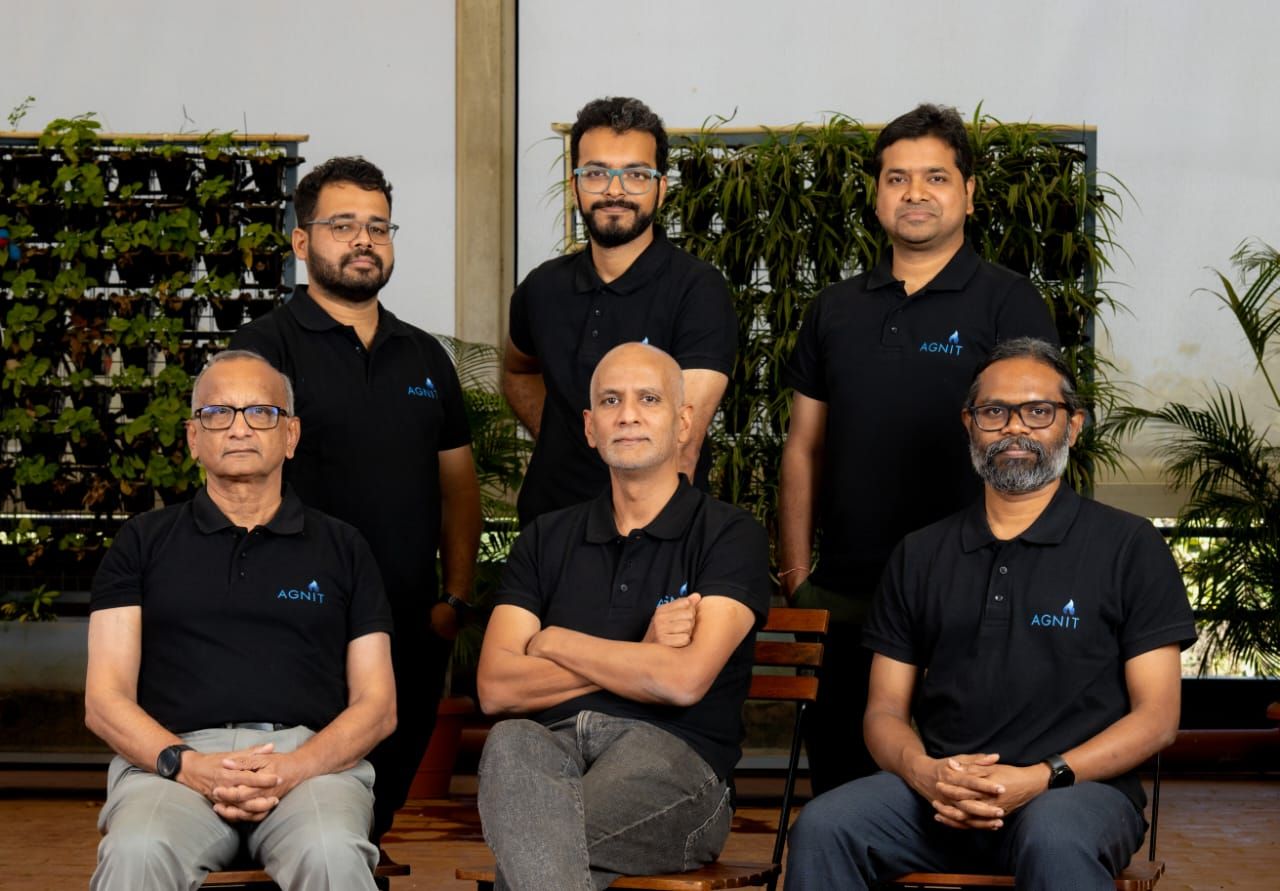
Agnit was born from a conviction: India must build its own semiconductor product companies to secure strategic and economic independence. “We saw the need to transform research into product IP,” says Hareesh Chandrasekar, CEO and Co-founder. With over a decade of R&D in GaN materials and devices at IISc Bengaluru, including 100+ published papers, the founding team laid the groundwork for what would become Agnit.
What the Name Represents
Agnit stands for Advanced Gallium Nitride Semiconductors, capturing both its technical focus and Indian roots. Derived from “Agnit”, meaning “infinite,” the name reflects the boundless potential of GaN technology in high-efficiency electronics.
From Lab to Fab
Although founded in 2019, Agnit began operations in earnest in 2021, post-pandemic. Backed by IISc’s GEECI incubator and grants from MeitY, iDEX, and Karnataka’s ELEVATE program, Agnit transformed academic R&D into field-ready semiconductor platforms. The startup now operates as a 26-member deep-tech team, spanning research, fabrication, and RF subsystem integration.
Solving a Strategic Problem
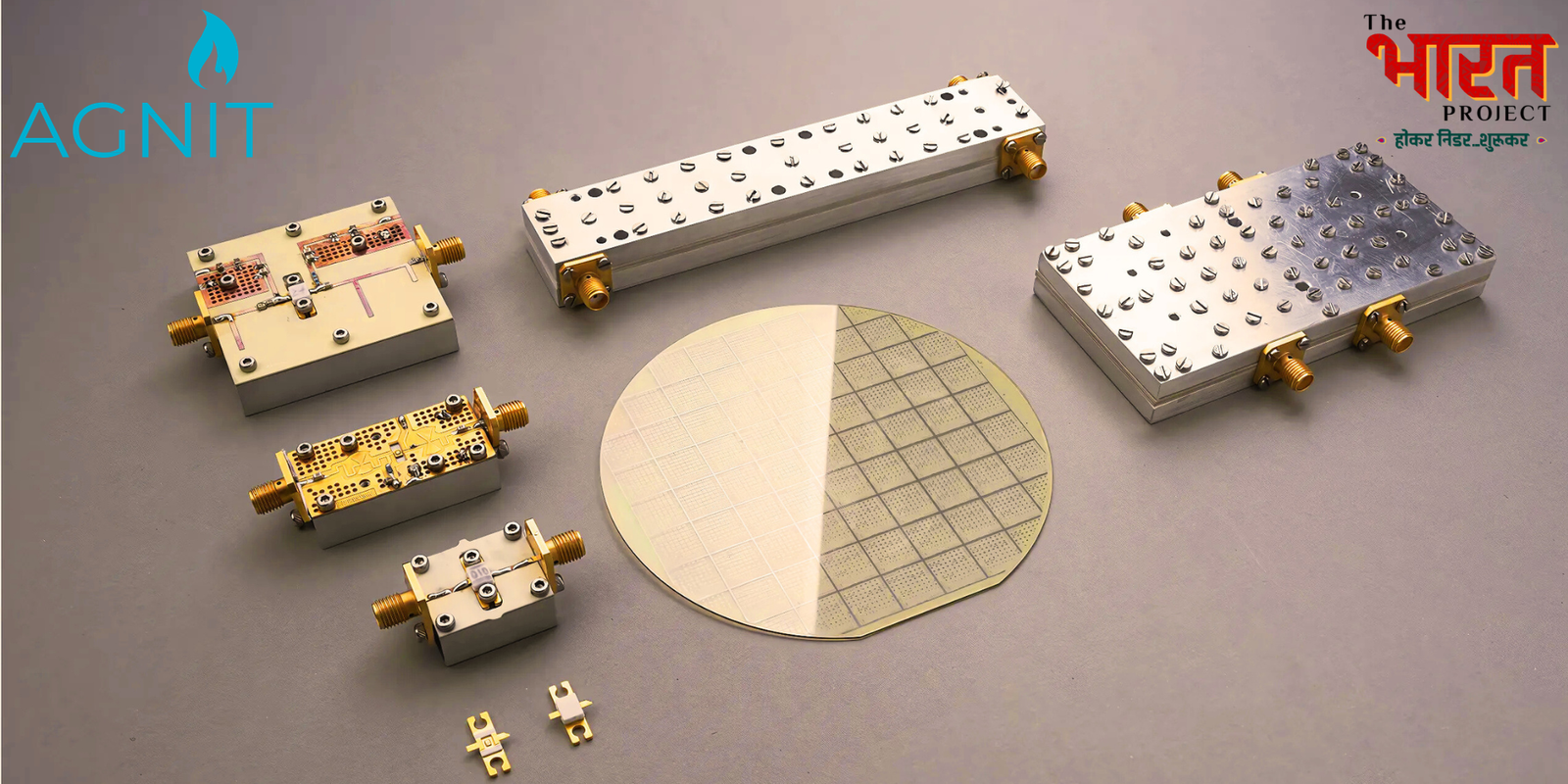
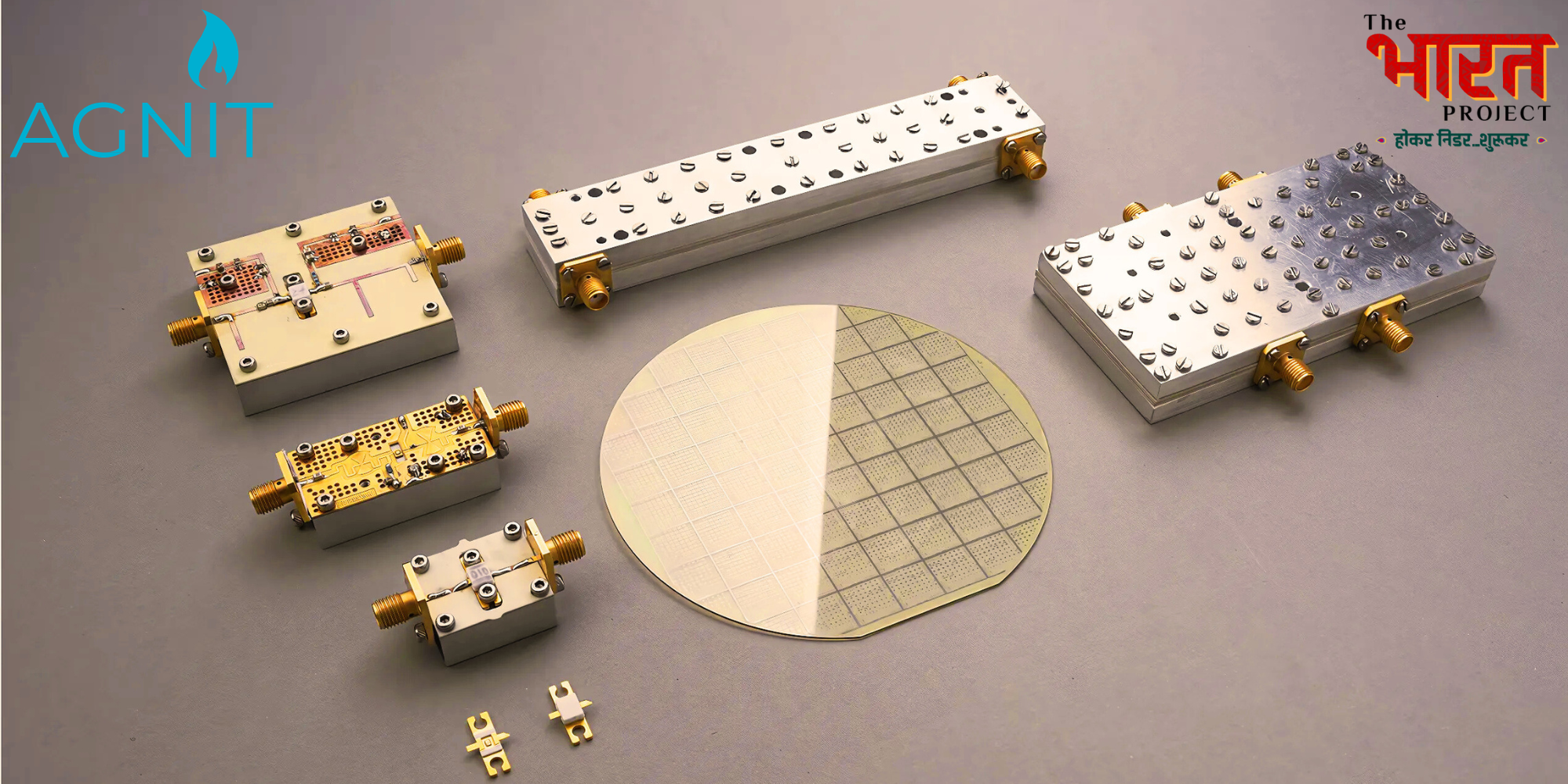
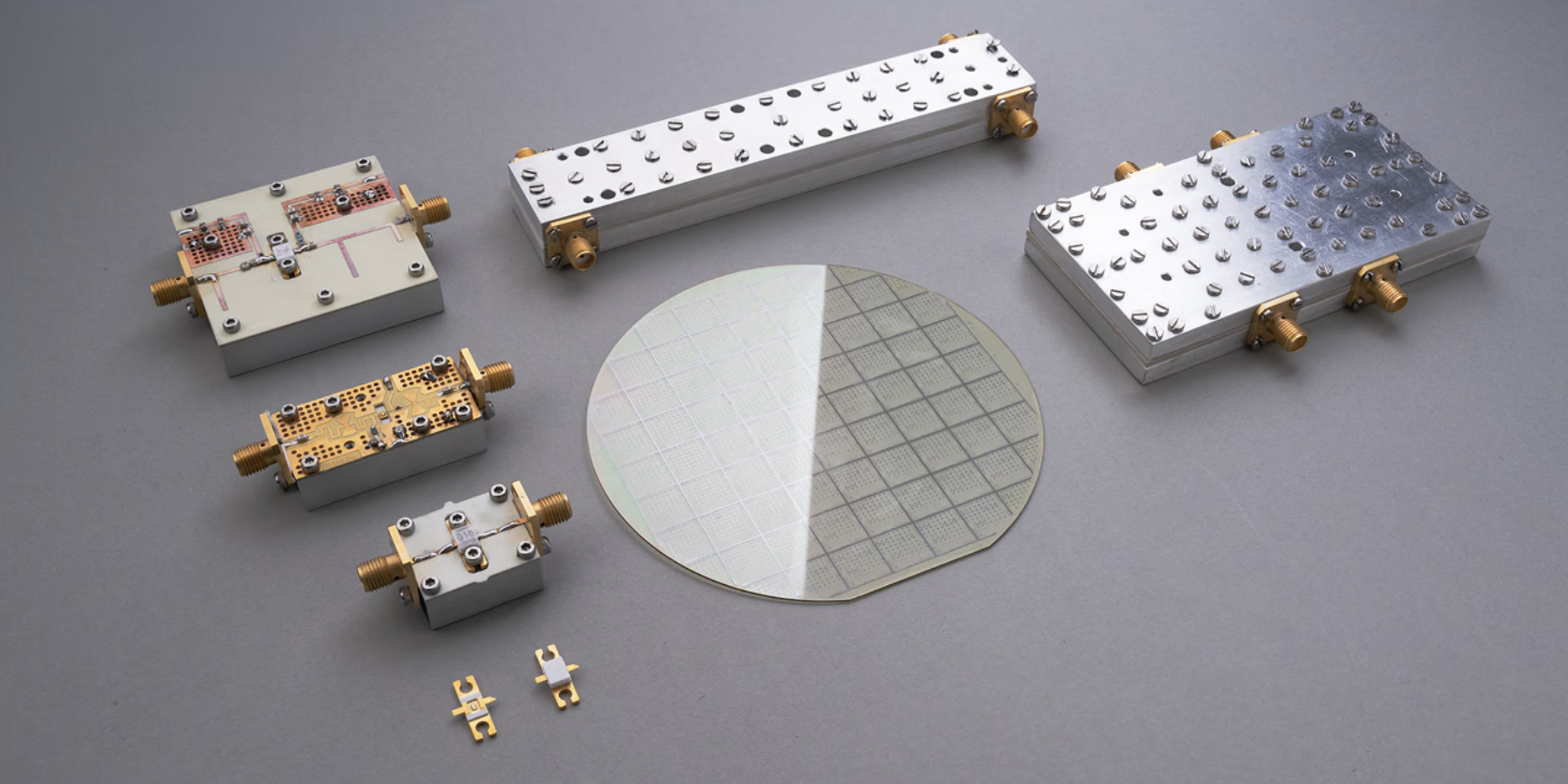
India remains reliant on imported high-performance semiconductor components, especially in defence and telecom. Agnit addresses this gap by offering IP-protected GaN solutions designed and manufactured entirely in-house. These include wafers, devices, and subsystems engineered for size, efficiency, and performance critical for strategic and industrial use.
A Fully Integrated Edge
Agnit takes a vertically integrated approach, controlling every stage of the GaN value chain which very few GaN companies world-wide are able to do. With 17+ years of R&D, 15 patents, and deep IP across materials and systems, the company optimises performance, cost, and form factor from the ground up.
By producing energy-efficient GaN devices locally, Agnit supports India’s Make in India mission, reduces carbon footprints, and catalyses high-value job creation. Its work is not just about chips, it’s about building sovereign capability in foundational technology.
Market Focus and Opportunity
Agnit targets the strategic sector first: defence, aerospace, and space, working with both public and private players. The global GaN market is forecast to exceed $9B by 2030, with India’s share growing rapidly, especially in telecom and power conversion. Agnit’s application engineering and secure supply chain help customers transition to GaN more effectively.
Momentum and Investment
Field trials are currently underway with strategic partners, with volume production targeted within the next 12 months. Agnit has also earned significant recognition for its innovations, including an MoU with the Ministry of Defence under iDEX to co-develop GaN RF transmitters, the IESA Technovation Startup Award 2025 in the semiconductor category, and Karnataka’s prestigious ELEVATE grant for indigenous technology development.
These milestones have been underpinned by strong financial backing. Agnit has raised a total of $4.87 million to date, beginning with $1.3 million in angel funding in 2021 and followed by a $3.5 million seed round in 2024 co-led by 3one4 Capital and Zephyr Peacock.
The funds have been deployed toward scaling GaN wafer processing, establishing pilot manufacturing infrastructure, and expanding into high-growth segments such as telecom and electric vehicles.
Overcoming Barriers
Early challenges included raising long-term capital for deep-tech R&D and sourcing semiconductor talent. “We faced scepticism about whether such a venture was possible in India,” notes Chandrasekar. Sustained policy support and changing geopolitical dynamics have since opened new doors.
Agnit’s key lesson: stay sharply focused on a niche market to establish early credibility. With a clear commercialisation path and team alignment, foundational tech like GaN can achieve tangible impact.
The Road Ahead
In the short term, Agnit aims to bring the first GaN products into volume production within the strategic sector. Long term, the goal is to become a globally relevant compound semiconductor company, making advanced chips in India for the world. Expansion plans include telecom, power conversion, and global markets.
