

Launched in 2014, PhotoSparks is a weekly feature from YourStory, with photographs that celebrate the spirit of creativity and innovation. In the earlier 895 posts, we featured an art festival, cartoon gallery, world music festival, telecom expo, millets fair, climate change expo, wildlife conference, startup festival, Diwali rangoli, and jazz festival.
Following up on the 2024 exhibition Bhakti: The Art of Krishna, the Nita Mukesh Ambani Cultural Centre (NMACC) at Jio World Centre is featuring another showcase titled Bhakti: Krishna’s Grace. See our coverage of earlier exhibitions at this popular cultural hub in Mumbai here.
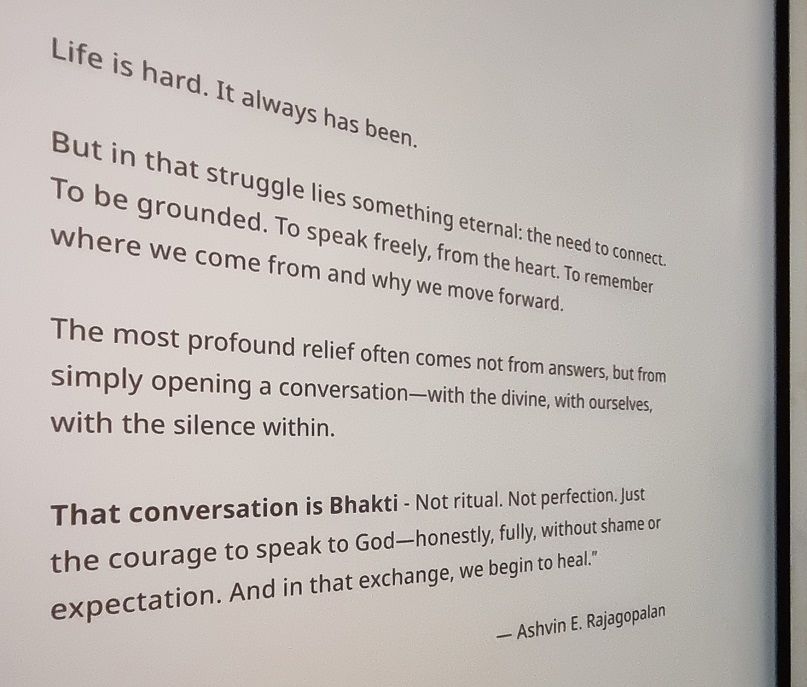
The exhibition is curated by art historian Ashvin E. Rajagopalan. He is also the founder of Ashvita’s in Chennai, a platform that promotes emerging and established Indian artists.
.thumbnailWrapper{
width:6.62rem !important;
}
.alsoReadTitleImage{
min-width: 81px !important;
min-height: 81px !important;
}
.alsoReadMainTitleText{
font-size: 14px !important;
line-height: 20px !important;
}
.alsoReadHeadText{
font-size: 24px !important;
line-height: 20px !important;
}
}

Lord Krishna has long captivated both devoted and curious minds, reimagined through various lenses over time. From advertisements and art galleries to temples and scriptures, his multifaceted portrayals transcend culture, religion and geography.
“We aim to celebrate this timeless legacy while making it accessible and meaningful to a global audience. This exhibition is a tribute to the spiritual and artistic heritage of our land, and a celebration of the values that bind us all and continue to shape our collective consciousness – love, compassion, faith, and unity,” Isha Ambani explains.
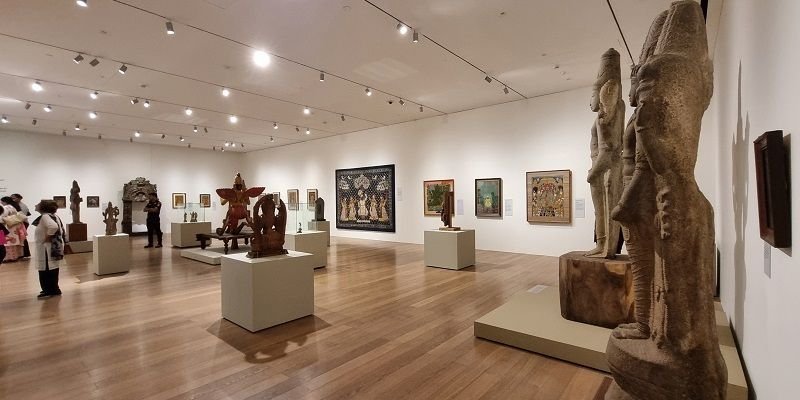
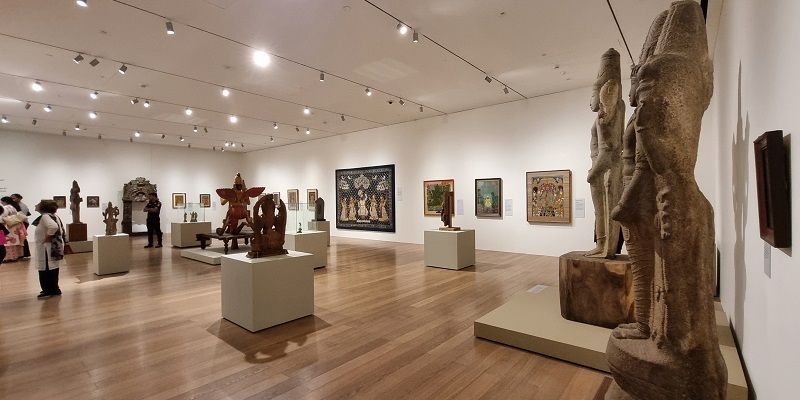
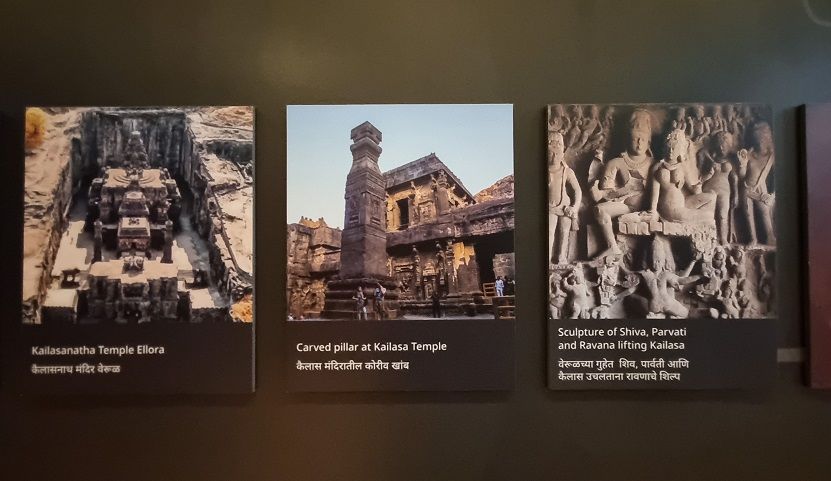
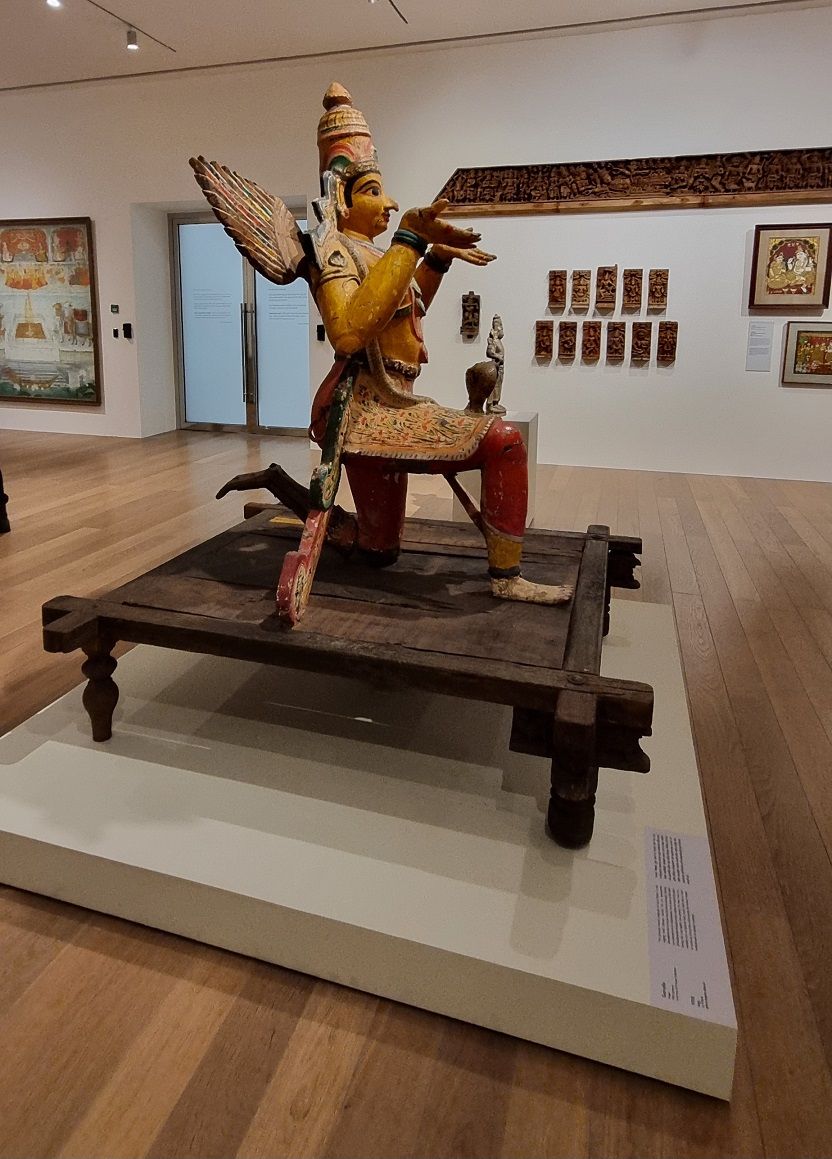
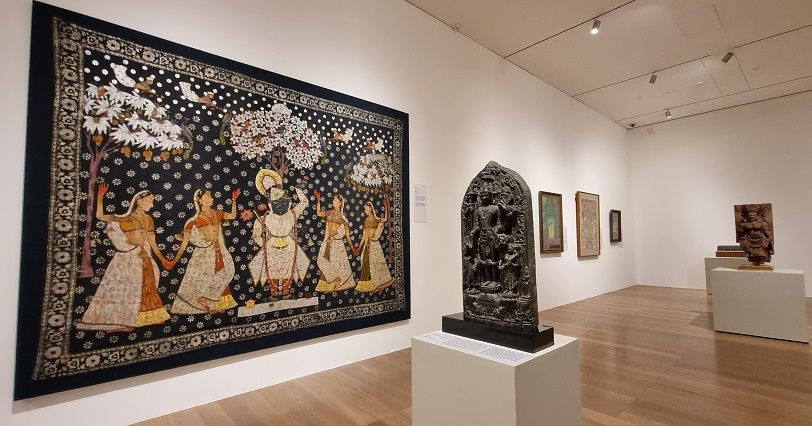
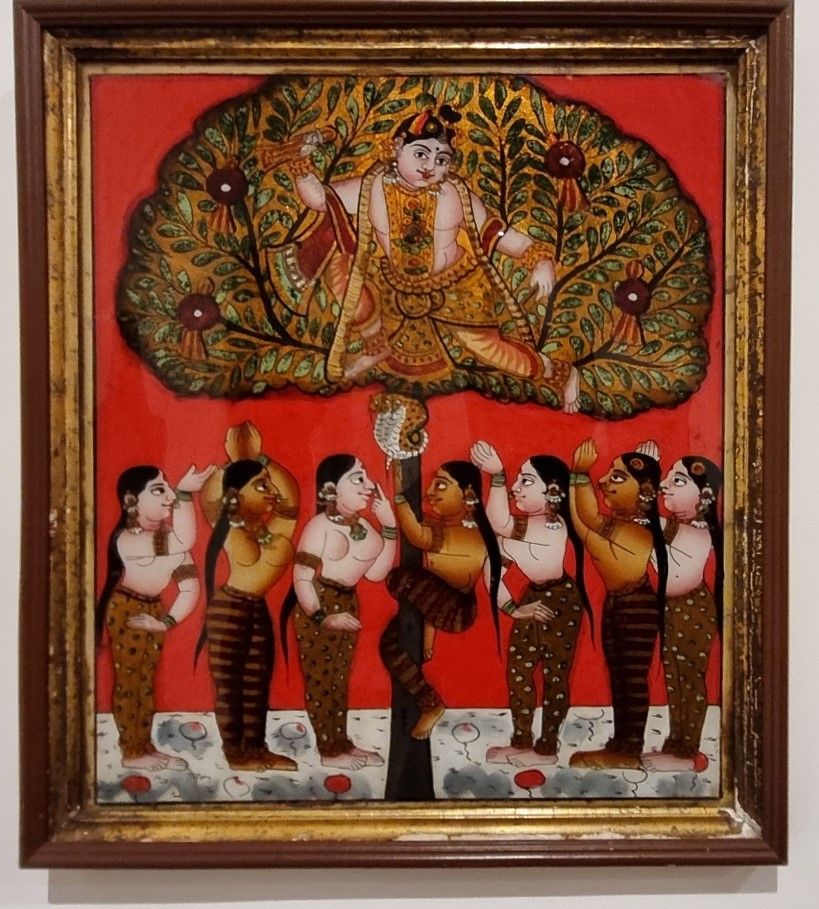
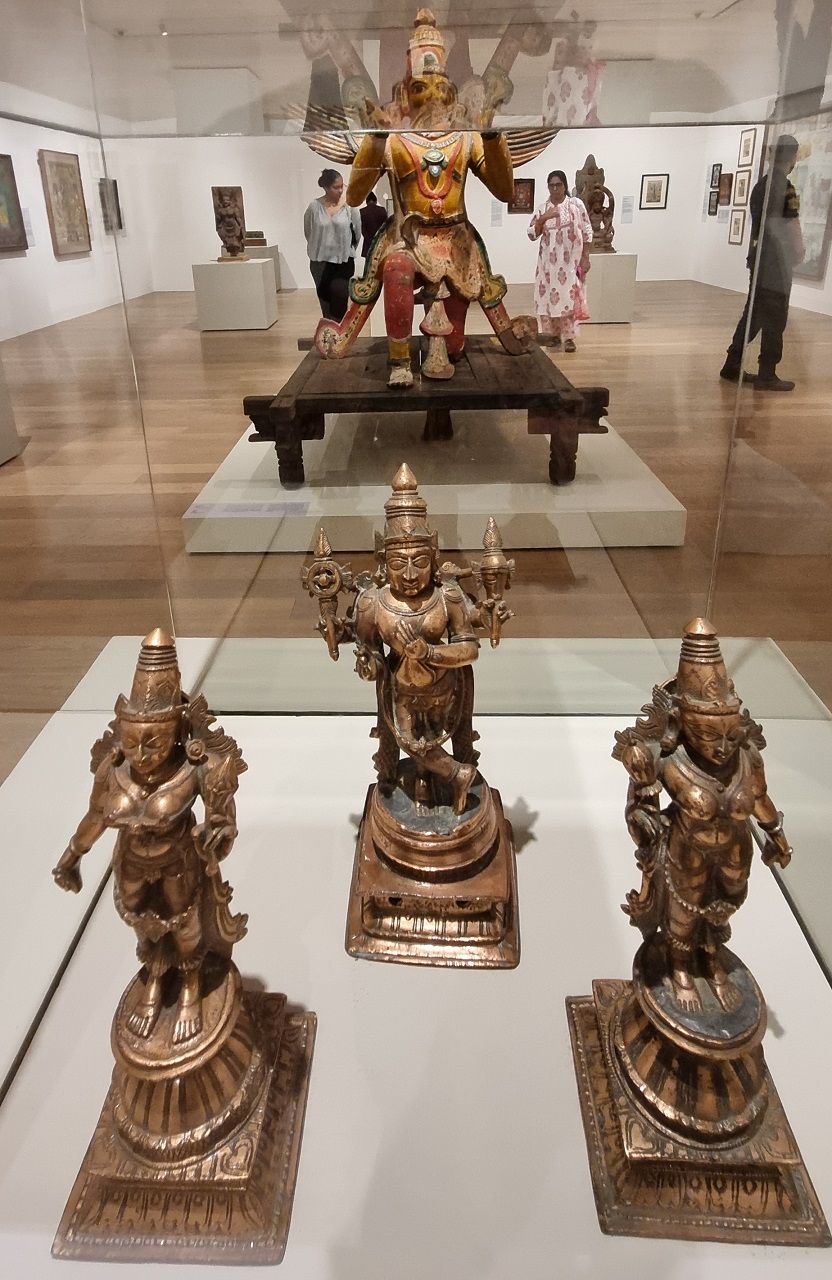
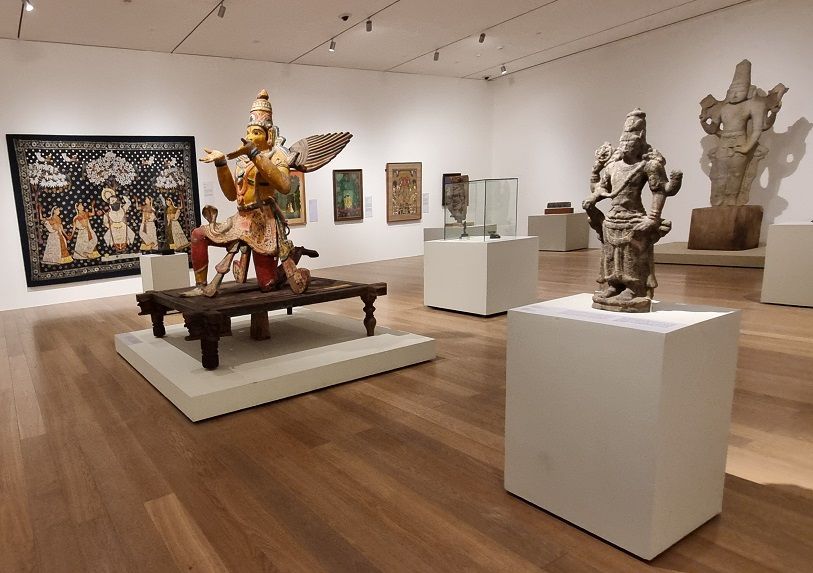
The exhibition spans caves, temples, sacred paintings, folk traditions, carvings, and everyday objects of worship. Overall, the showcase presents a unique pan-India perspective on devotional culture and heritage.
.thumbnailWrapper{
width:6.62rem !important;
}
.alsoReadTitleImage{
min-width: 81px !important;
min-height: 81px !important;
}
.alsoReadMainTitleText{
font-size: 14px !important;
line-height: 20px !important;
}
.alsoReadHeadText{
font-size: 24px !important;
line-height: 20px !important;
}
}

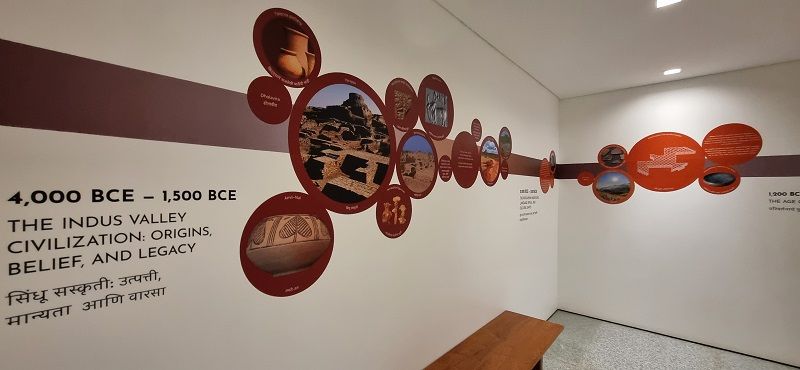
“The exhibition begins by tracing the evolution of faith and spiritual thought across continents and epochs, in search of the primal impulse that led humanity to seek the sacred. Drawing upon insights from evolutionary biology, genetics, ecology, archaeology, history, and art, it examines the many factors that contributed to the global rise of spiritual consciousness,” curator Rajagopalan explains.
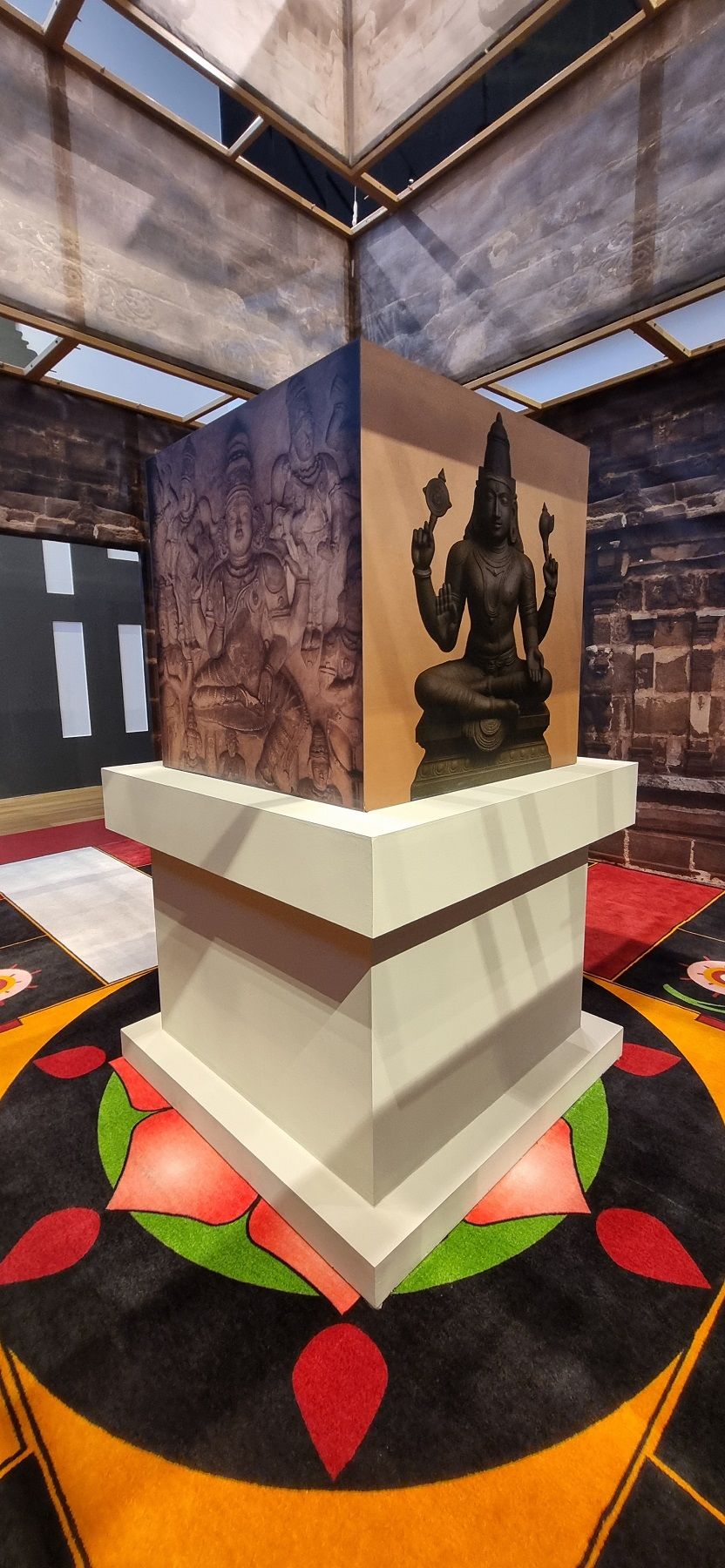
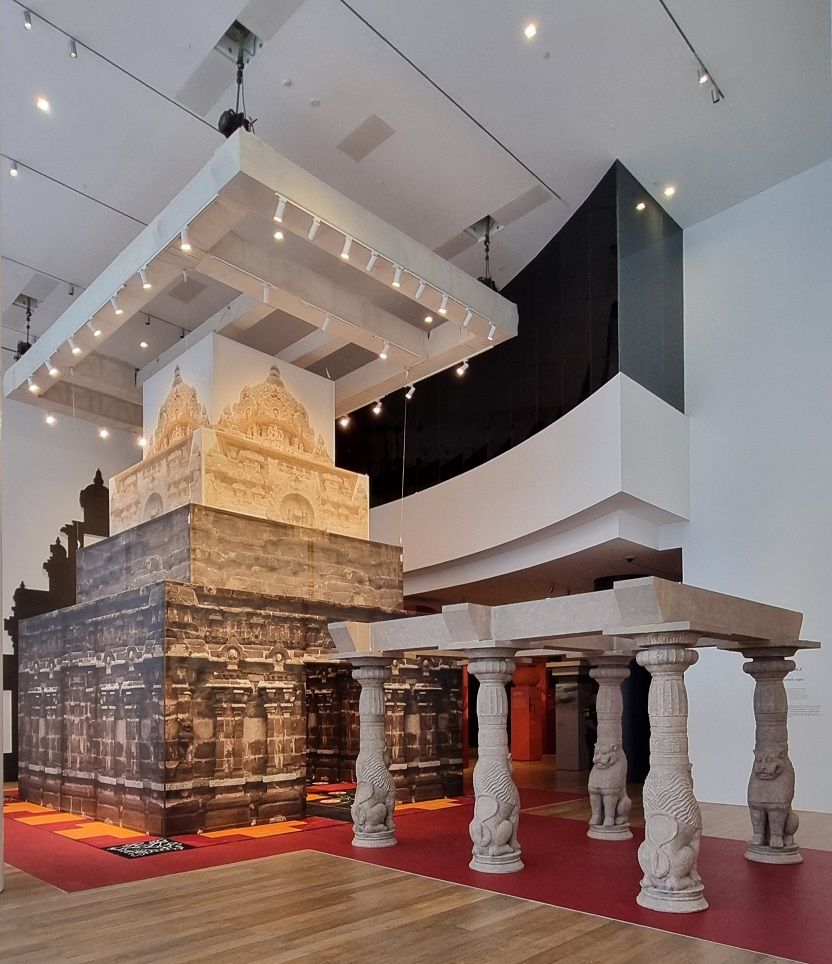
The exhibition is spread across all four levels of NMACC’s Art House. Each level reflects on a different facet of Bhakti, including a breathtaking reconstruction of the Vaikuntha Perumal Temple in Tamil Nadu.
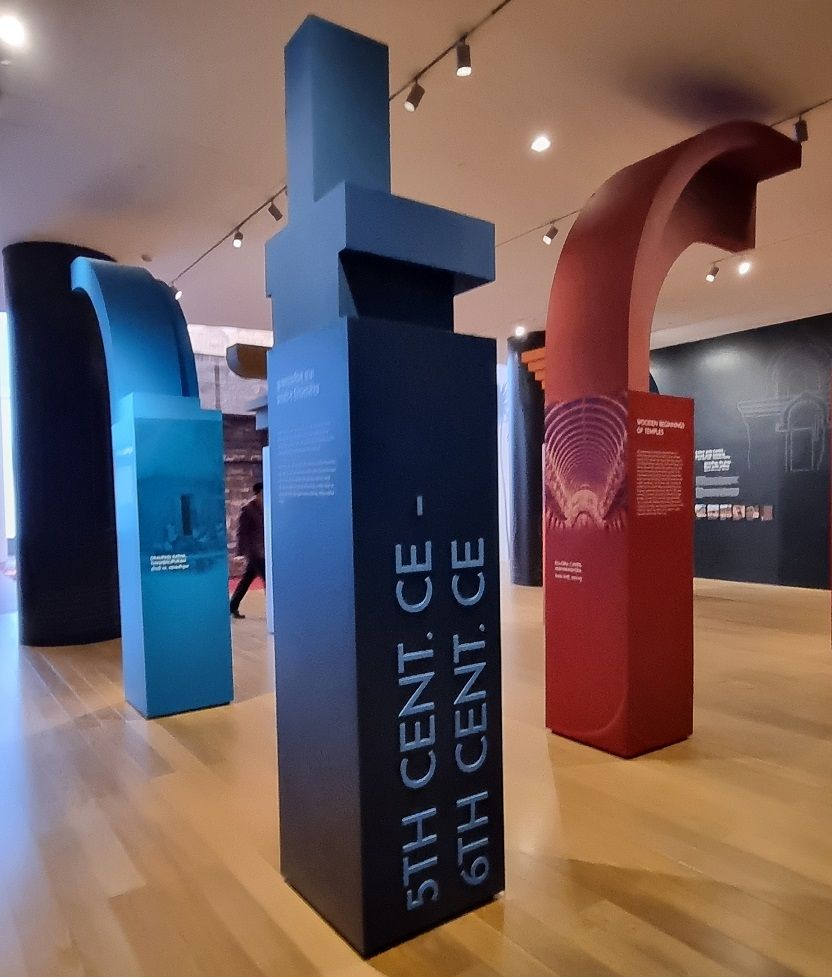
It immerses visitors in the geometry and cosmological design of early Indian temples. A national timeline of temple styles guides visitors through different phases of India’s spiritual and architectural evolution.
.thumbnailWrapper{
width:6.62rem !important;
}
.alsoReadTitleImage{
min-width: 81px !important;
min-height: 81px !important;
}
.alsoReadMainTitleText{
font-size: 14px !important;
line-height: 20px !important;
}
.alsoReadHeadText{
font-size: 24px !important;
line-height: 20px !important;
}
}

“From early practices of nature and ancestor veneration, early humans – emerging as the species Homo sapiens – developed more complex symbolic systems to express awe, gratitude and longing. Over time, this blossomed into the worship of deities and the formation of sophisticated cosmologies, accompanied by a flourishing of material and artistic culture to tangibly express spiritual devotion,” Rajagopalan describes.
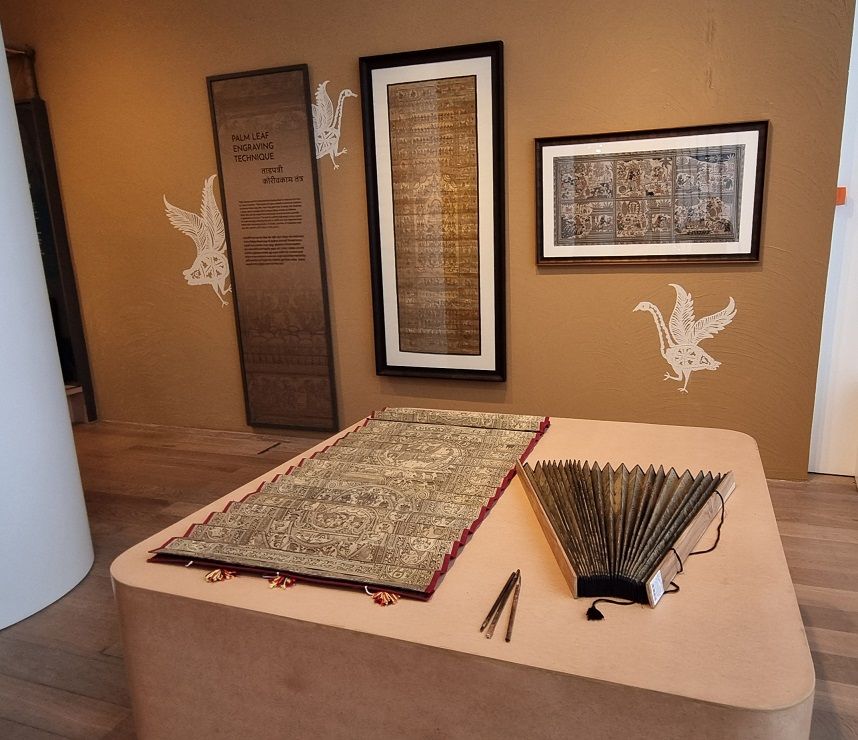
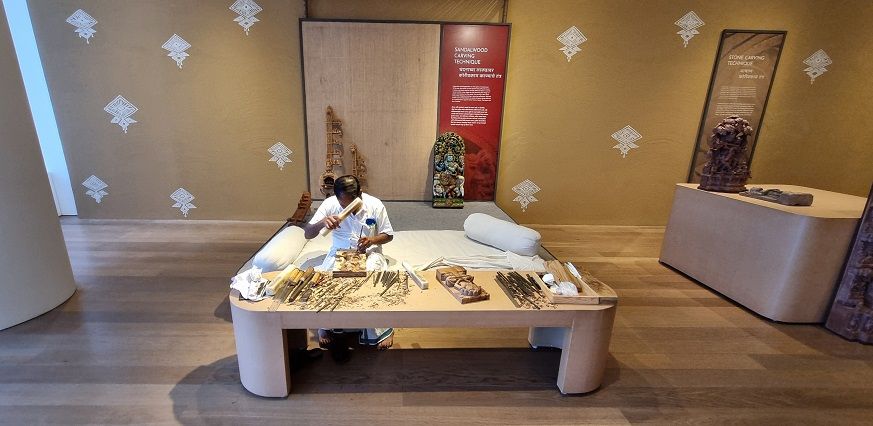
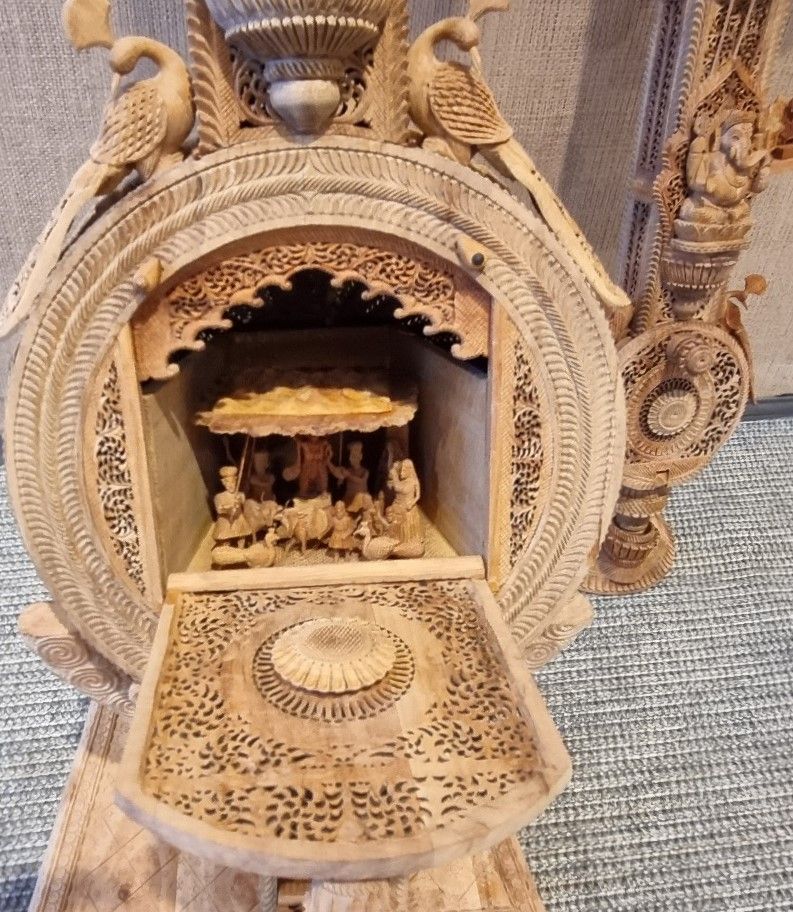
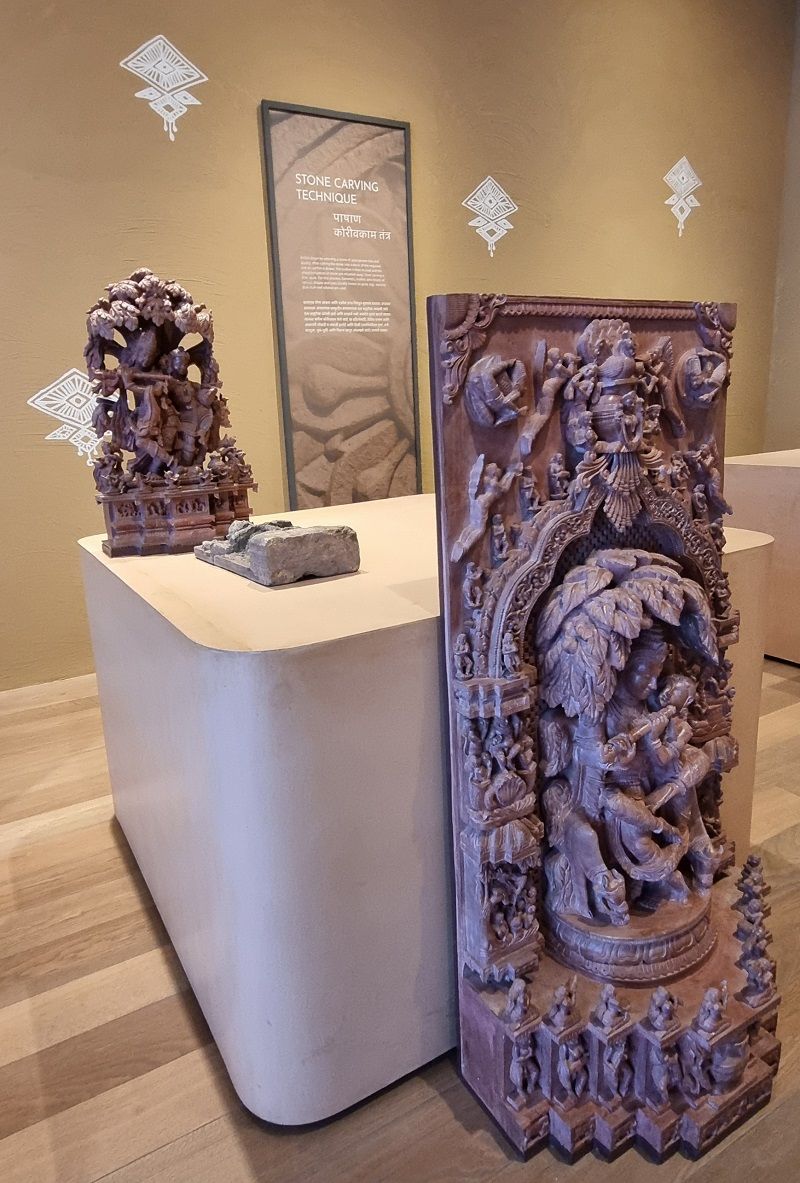
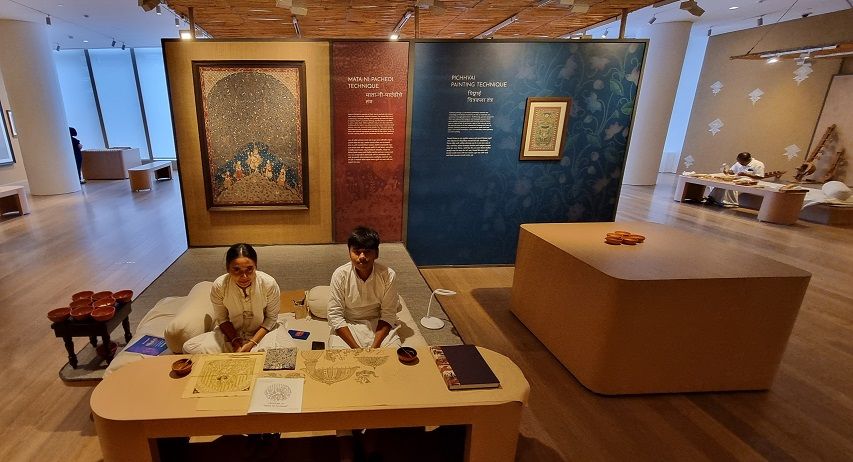
A unique feature of the exhibition is the demonstration of crafting techniques inspired by Krishna devotion, presented by local artisans from across India. They bring to life traditions of worship and offer visitors an intimate encounter with such visual practices that NMACC seeks to preserve and promote.
“The exhibition features paintings, crafts, sculpture, architecture, literature, and performance traditions, illuminating the many manifestations of Bhakti. Through detailed research and a pan-Indian perspective, it traces how Krishna’s presence has been continuously reimagined,” Rajagopalan says.
.thumbnailWrapper{
width:6.62rem !important;
}
.alsoReadTitleImage{
min-width: 81px !important;
min-height: 81px !important;
}
.alsoReadMainTitleText{
font-size: 14px !important;
line-height: 20px !important;
}
.alsoReadHeadText{
font-size: 24px !important;
line-height: 20px !important;
}
}

The exhibition honours countless artisans who sustain the practice of devotion. “Despite immense hardship, they have preserved these forms for generations to come,” he adds.
One of the levels showcases over 50 rare artworks and sculptures. Many of these works have never been publicly displayed, offering an unprecedented opportunity to closely engage with India’s spiritual heritage.
“The exhibition seeks to inspire a deeper understanding of India’s layered cultural inheritance, while affirming the value of cultural sustainability and our shared responsibility to protect and celebrate this rich legacy,” Rajagopalan signs off.
Now, what have you done today to pause in your busy schedule and harness your creative side for a better world?
(All photographs taken by Madanmohan Rao on location at NMACC.)
