

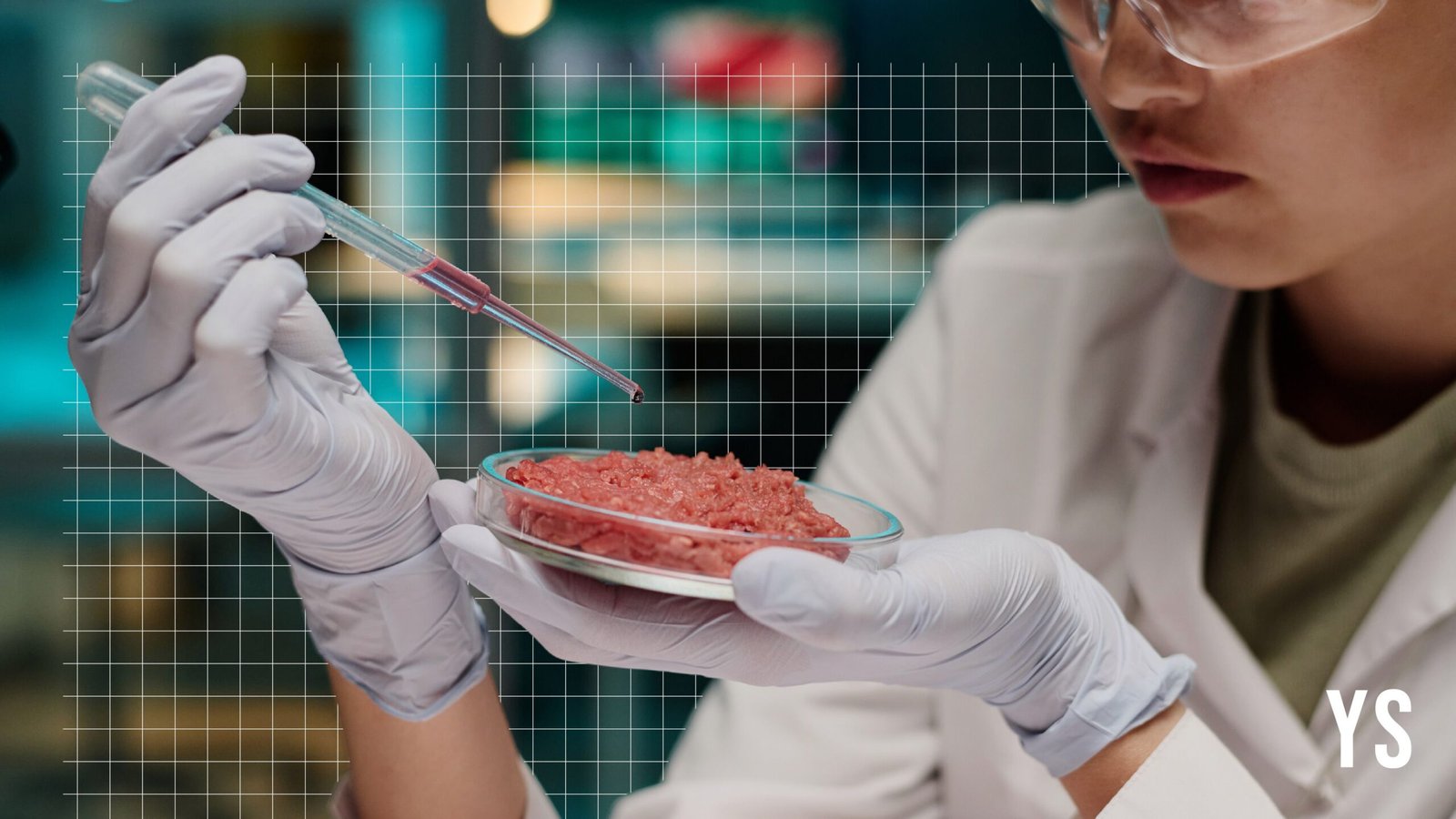
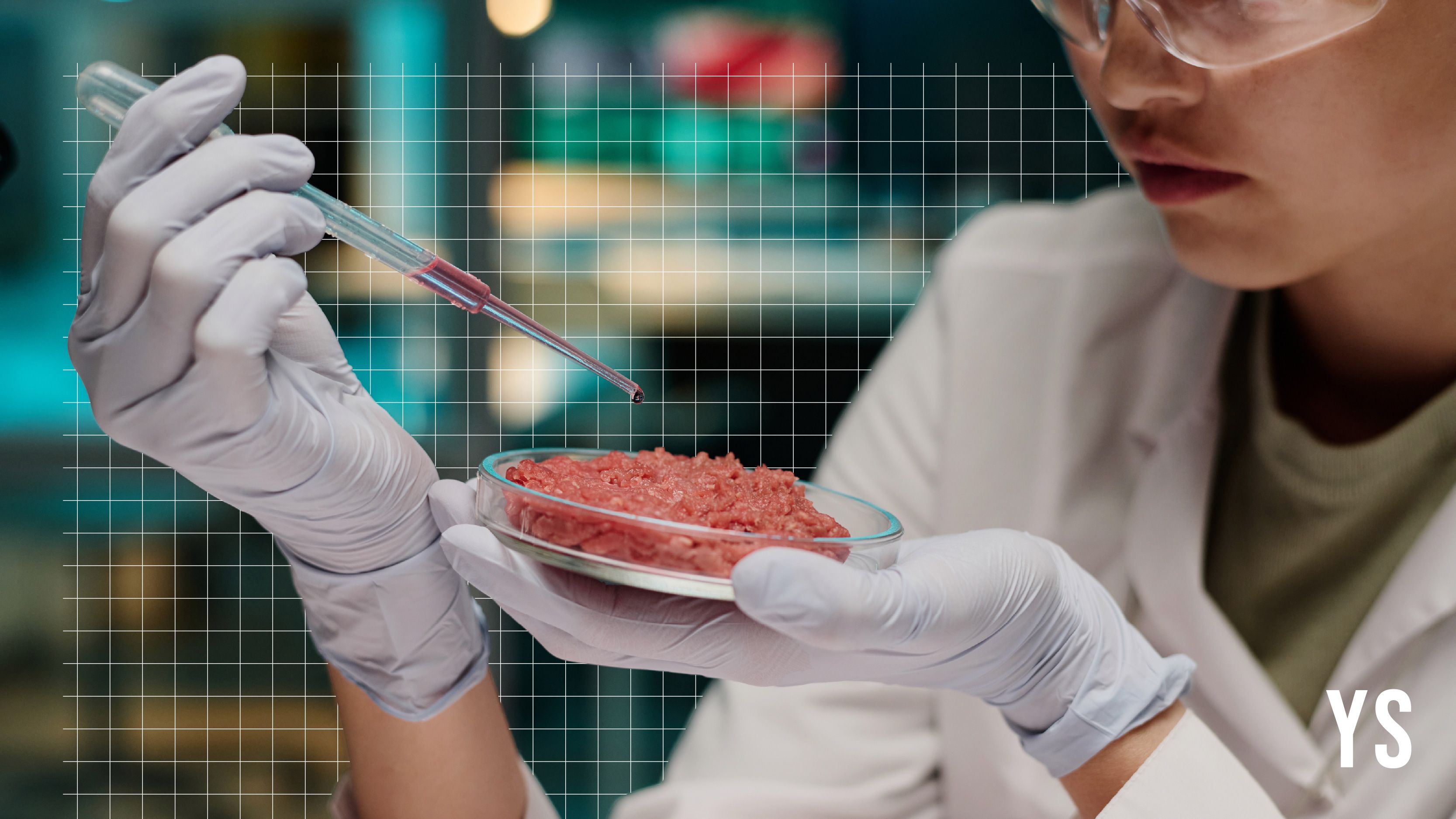
The lab-grown meat and dairy sector, part of the broader cellular agriculture industry, is emerging as a transformative force in global food production. Instead of raising and slaughtering animals, these technologies cultivate animal cells or produce animal proteins through precision fermentation, offering ethical, sustainable, and resource-efficient alternatives to conventional livestock and fishing.
In India, the sector is still in the nascent stage, but gathering momentum rapidly. A handful of startups are working on cultivated chicken, fish, and dairy proteins, supported by research collaborations with premier institutes like IITs, CSIR labs, and international partners. Growing consumer awareness about climate change, food safety, and antibiotic overuse, combined with government interest in sustainable food systems, has created a fertile ground for innovation.
On the technology front, cultivated meat startups are using cell line development, serum-free nutrient media, 3D bioprinting, and scaffolding techniques to replicate the taste and texture of conventional meat. For dairy alternatives, precision fermentation enables microorganisms like yeast to produce key milk proteins (e.g., casein, whey) identical to those from cows, enabling the creation of cheese, yoghurt, and ice cream without animals. In seafood, cell culture methods and structured tissue engineering are being applied to species of shrimp, crab, and fish, aimed at addressing overfishing and marine ecosystem decline.
Indian innovators are also focusing on cost reduction, a critical challenge, by sourcing plant-based hydrolysates for growth media, developing edible scaffolds from agricultural byproducts, and leveraging local bioprocess engineering expertise to make products price-competitive. While regulatory frameworks are still evolving, early prototypes have already matched the sensory profile of animal-based products.
Here’s a look at some of the Indian startups pioneering lab-grown meat and dairy innovations.
Biokraft Foods
Biokraft Foods, headquartered in Mumbai and founded in 2023 by CEO Kamalnayan Tibrewal, is a biotechnology startup developing cultivated meat as a sustainable alternative to conventional animal products. The company focuses on addressing challenges of food security, environmental impact, and public health through cell-based protein production.
Biokraft is developing cultivated chicken and seafood, such as trout, using in-vitro cell culture combined with proprietary 3D bioprinting technology. Their approach involves hybrid bioinks made from animal cells and algal-based biopolymers, enabling the production of structured, whole-cut meat with realistic texture and nutritional profiles. This technology also reduces risks of antibiotic contamination and microplastic exposure. The company is working toward serum-free cultivation to further sustainability.
It also collaborates with institutions such as ICAR-DCFR to advance cultivated seafood research. In the long term, the company aims to bring cultivated meat to cost parity with conventional meat.
ClearMeat
ClearMeat, founded in 2018 by Siddharth Manvati and Pawan Dhar, is India’s first cultivated meat startup. The startup develops lab-grown meat as an alternative to conventional animal farming, focusing on sustainability and ethics.
It is developing products such as cultivated steak, keema, and minced chicken. Its key innovation is a high-performing growth media that eliminates fetal bovine serum (FBS), enabling a cruelty-free and scalable production process. ClearMeat’s solutions are ISO-certified and tailored for Indian culinary preferences, supported by patented cell culture technologies.
The startup collaborates with research institutions, including the National Institute of Food Technology Entrepreneurship and Management (NIFTEM), to advance product development. It is currently conducting pilot studies and working with regulators to secure approval for commercial launch in India.
Neat Meatt
Neat Meatt Biotech Private Ltd., founded in March 2022 and based in Delhi, is an Indian biotechnology startup developing cultivated meat. It aims to create sustainable alternatives to conventional meat through non-GMO animal cell lines and proprietary serum isolation processes, reduce reliance on animal slaughter and achieve cost parity with traditional meat by 2025.
.thumbnailWrapper{
width:6.62rem !important;
}
.alsoReadTitleImage{
min-width: 81px !important;
min-height: 81px !important;
}
.alsoReadMainTitleText{
font-size: 14px !important;
line-height: 20px !important;
}
.alsoReadHeadText{
font-size: 24px !important;
line-height: 20px !important;
}
}

The startup is developing cell-cultured chicken and fish using bioreactors, optimised cell media, and scaffolding/micro-carriers to enable large-scale production. It has partnered with government research bodies to advance cell-cultured seafood and offers end-to-end technology with the option to license its platform, particularly for use in low- and middle-income countries.
Neat Meatt’s team is led by Dr. Sandeep Sharma and Virender Kumar Sobti, supported by scientists including Dr. Rukhsar Fatima and Dr. Sathiyanarayanan A.
Zero Cow Factory
Surat-based Zero Cow Factory, founded in 2021 by Sohil Kapadia and Parini Kapadia, is an Indian biotechnology startup that produces animal-free dairy proteins through bioengineering and precision fermentation.
Its core innovation lies in using engineered microbes to produce non-GMO casein and whey proteins identical to those in cow’s milk, with a specific focus on A2 beta-casein, considered more digestible than A1 proteins. The resulting proteins replicate the taste, texture, and nutritional value of dairy while being free from lactose, cholesterol, hormones, antibiotics, and saturated fat.
This production model offers a significant environmental advantage, reducing land use by up to 99%, water use by 98%, and CO₂ emissions by 84% compared to conventional dairy farming.
In April 2023, it raised over $4 million in seed funding, co-led by Green Frontier Capital, GVFL, and pi Ventures, with participation from Pascual Innoventures. The startup is also part of leading global accelerators, including Plug and Play (USA), Mylkcubator (Spain), and MassChallenge (Switzerland).
Edited by Jyoti Narayan
