

Launched in 2014, PhotoSparks is a weekly feature from YourStory, with photographs that celebrate the spirit of creativity and innovation. In the earlier 895 posts, we featured an art festival, cartoon gallery. world music festival, telecom expo, millets fair, climate change expo, wildlife conference, startup festival, Diwali rangoli, and jazz festival.
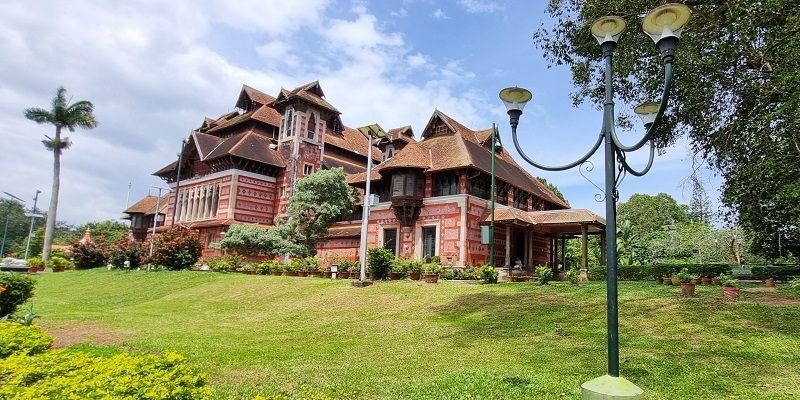
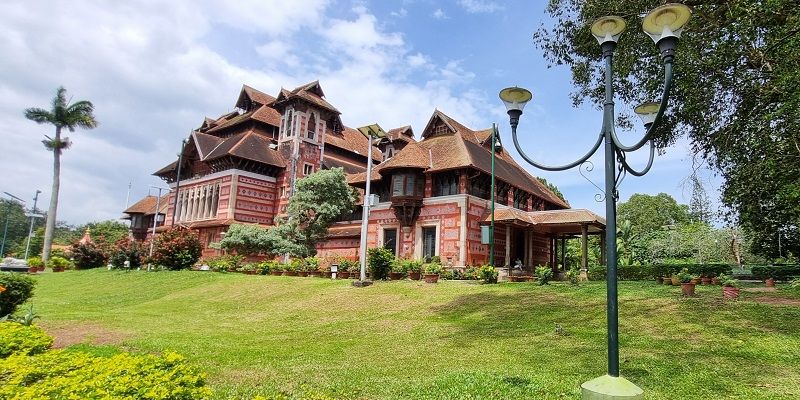
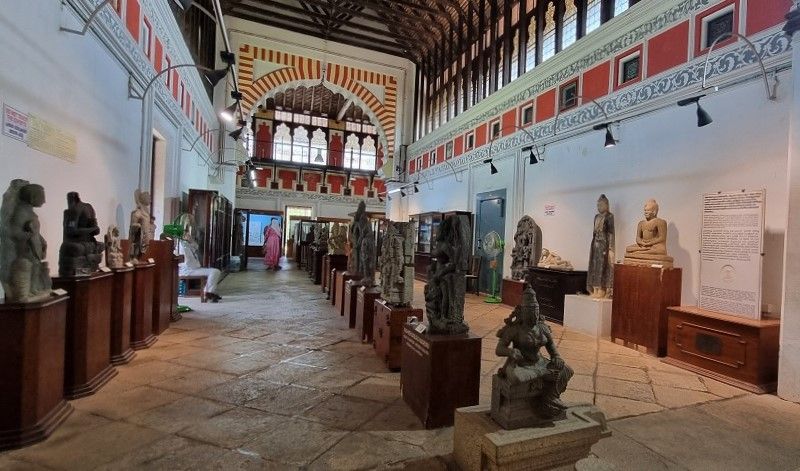
One of the cultural attractions of Thiruvananthapuram is the Napier Museum, with exhibits showcasing Kerala’s rich cultural heritage along with other artefacts from across Asia. It is home to around 550 exhibits, including ivory carvings, wooden installations, bronze sculptures, and coins.
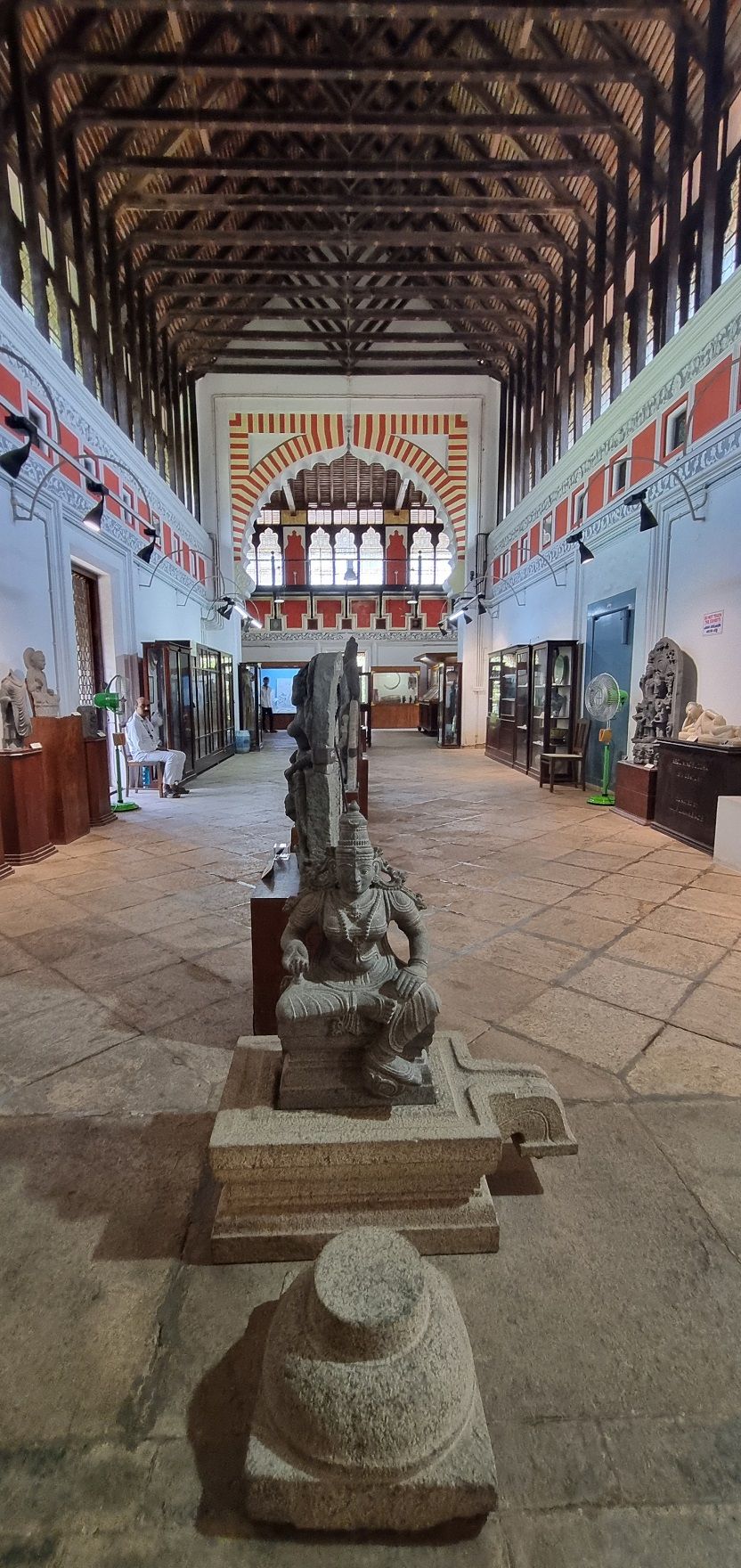
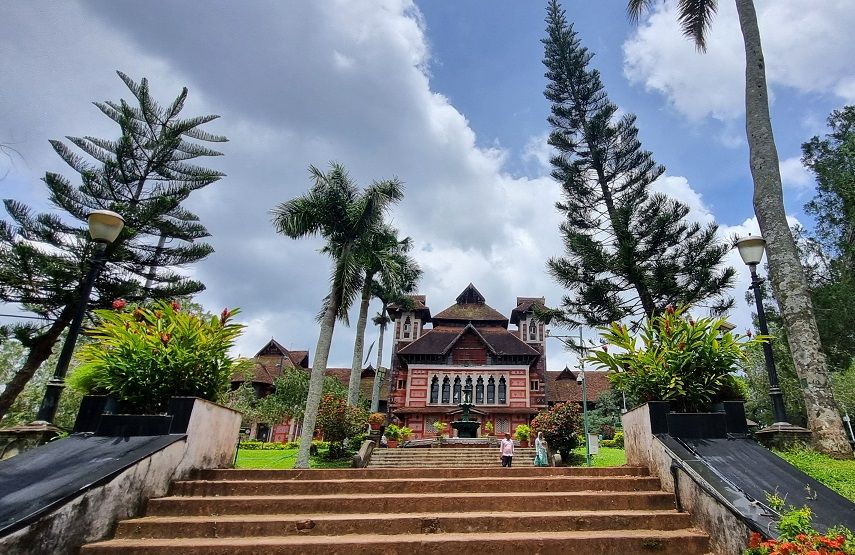
The landmark brick building is named after Lord Napier, former Governor General of Madras. It has unique architecture and ornamentation, with Indian and Gothic roofs and minarets.
.thumbnailWrapper{
width:6.62rem !important;
}
.alsoReadTitleImage{
min-width: 81px !important;
min-height: 81px !important;
}
.alsoReadMainTitleText{
font-size: 14px !important;
line-height: 20px !important;
}
.alsoReadHeadText{
font-size: 24px !important;
line-height: 20px !important;
}
}

It was built in the mid-19th century by the king Ayilyam Thirunal and depicts the grandeur of the Travancore dynasty. These are evinced in the collections such as coins from the prosperous times of Vijayanagara, Pandyas and Cholas, as well as Roman, Persian, Dutch, and Chinese coins.
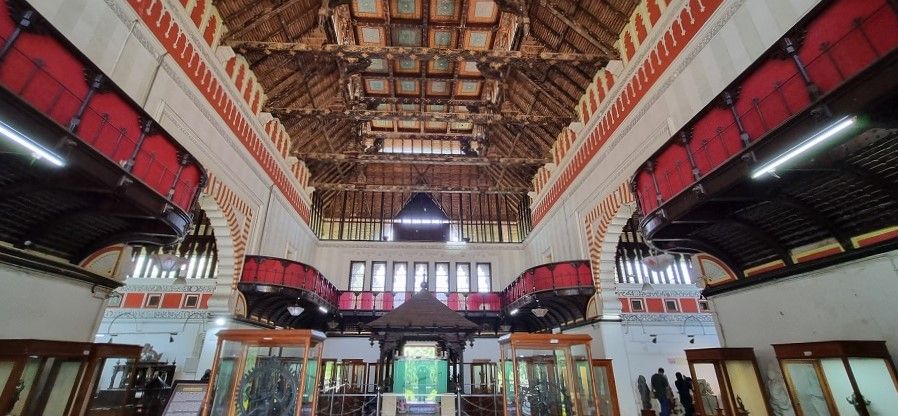
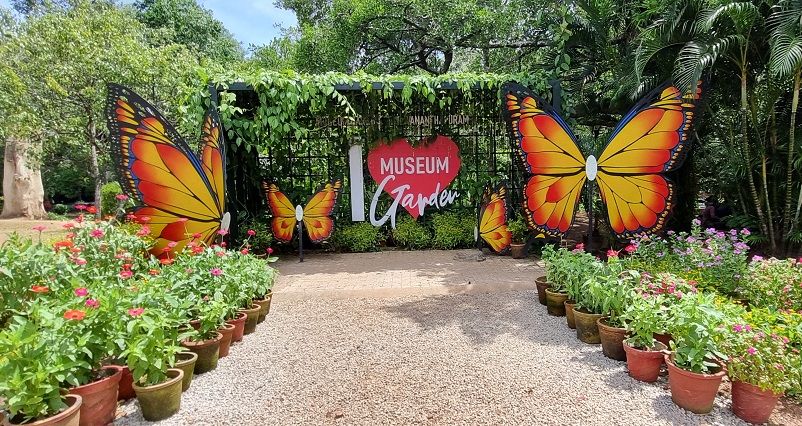
Set in sprawling public gardens, the museum is a popular spot for tourists and art communities. The shades of red in the brickwork are augmented with stained glass windows and four huge watch towers.
The museum has been built in an Indo-Saracenic style, which blends Indian elements and Gothic architecture. There are influences of Mughal, Italian, and Chinese architecture as well.
The architect of the museum was Robert Fellowes Chisholm. The exhibits reflect the culture of Europe, India and other parts of Asia. Other nearby cultural hubs include Sree Chitra Art Gallery and Raja Ravi Varma Art Gallery.
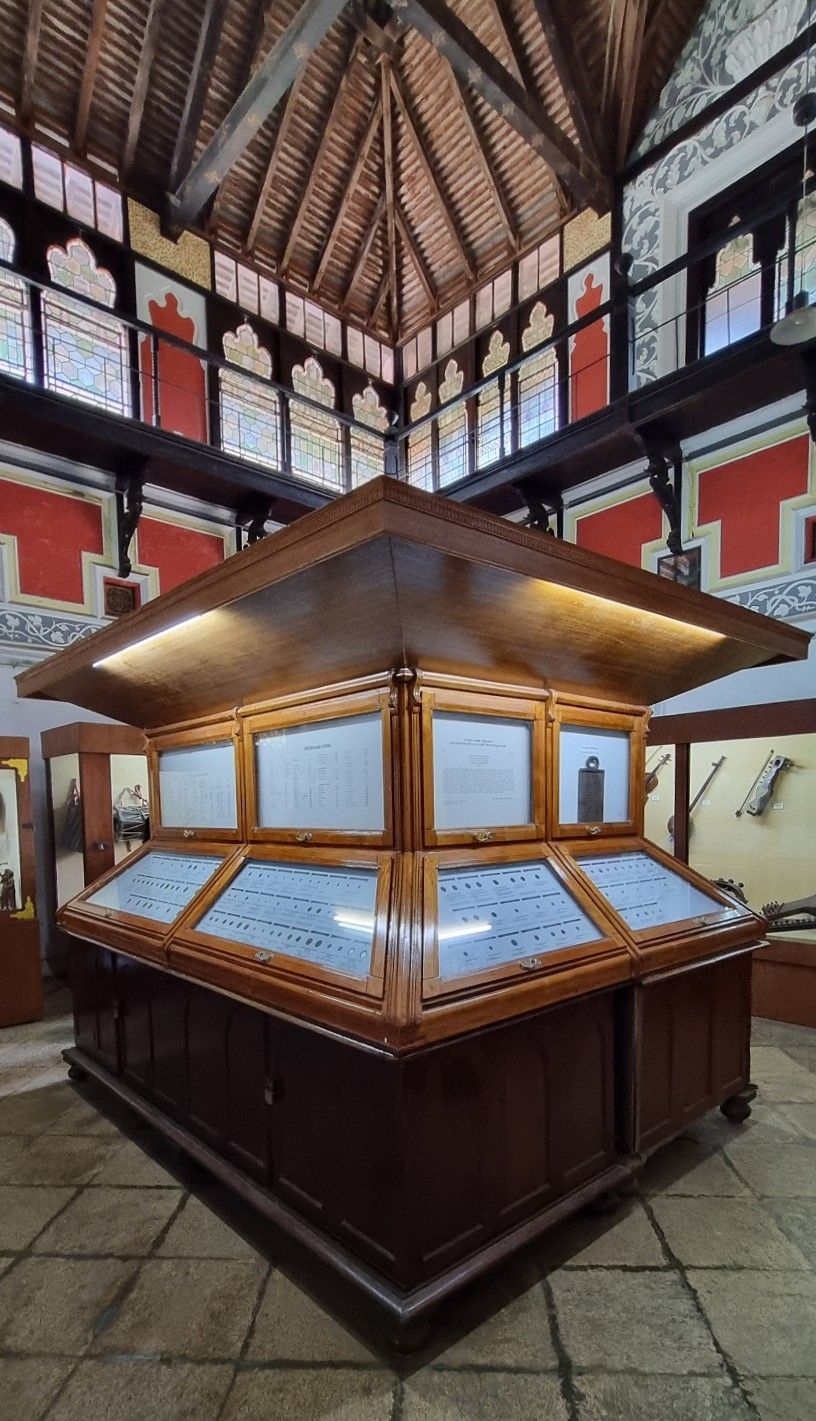
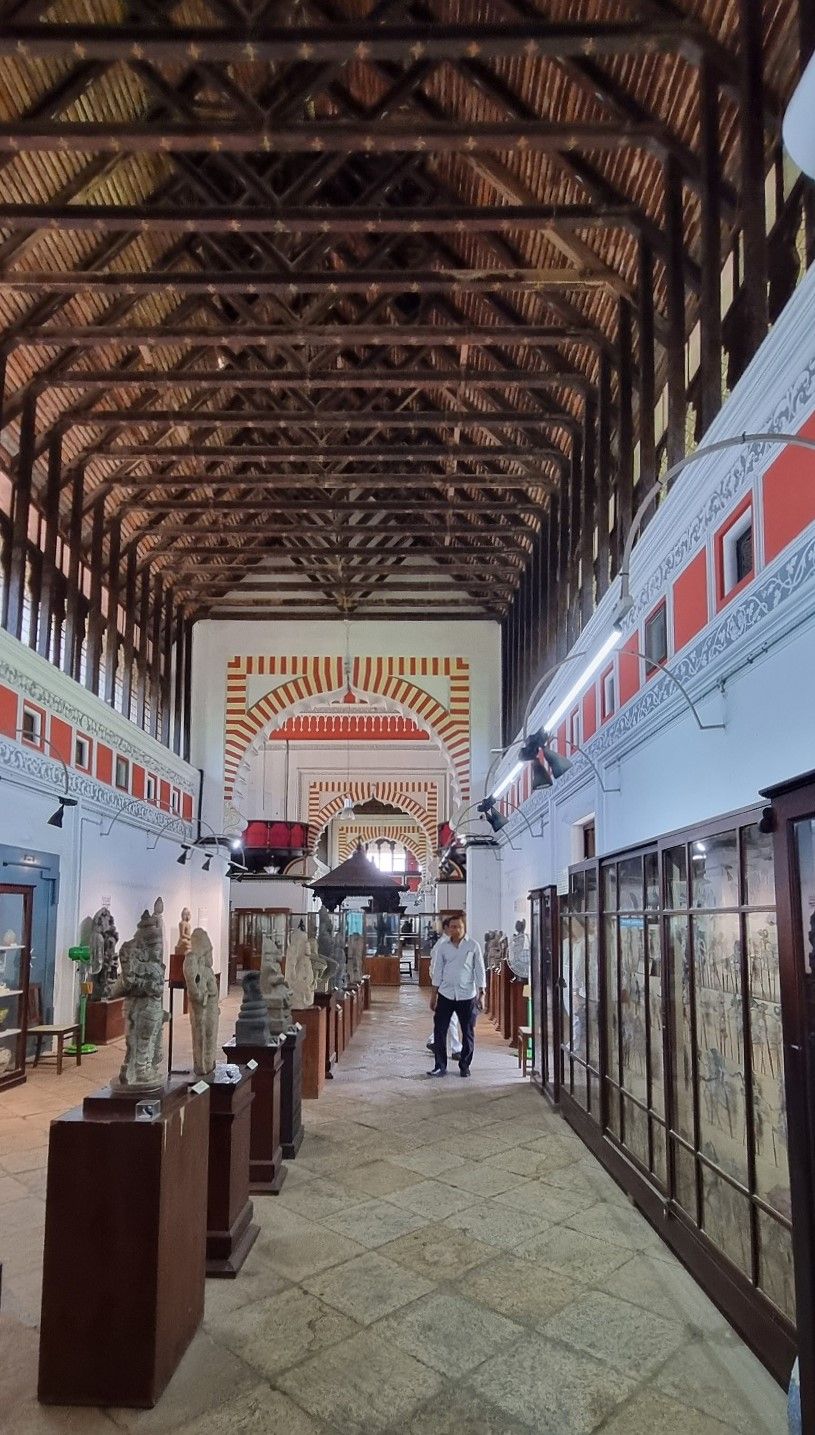
The museum’s wooden beams and panels are adorned with hand-painted floral designs. The ceilings are painted with vibrant patterns that draw the visitor’s gaze upward and across the building.
The museum currently functions under the aegis of Kerala’s Department of Museums and Zoos. The team is led by Kadannappalli Ramachandran, Minister for Registration, Museum, Archaeology and Archives; Rajan Khobragade, Additional Chief Secretary, Cultural Affairs, Health and Family Welfare; and PS Manjula Devi, Director, Museums, Government of Kerala.
.thumbnailWrapper{
width:6.62rem !important;
}
.alsoReadTitleImage{
min-width: 81px !important;
min-height: 81px !important;
}
.alsoReadMainTitleText{
font-size: 14px !important;
line-height: 20px !important;
}
.alsoReadHeadText{
font-size: 24px !important;
line-height: 20px !important;
}
}

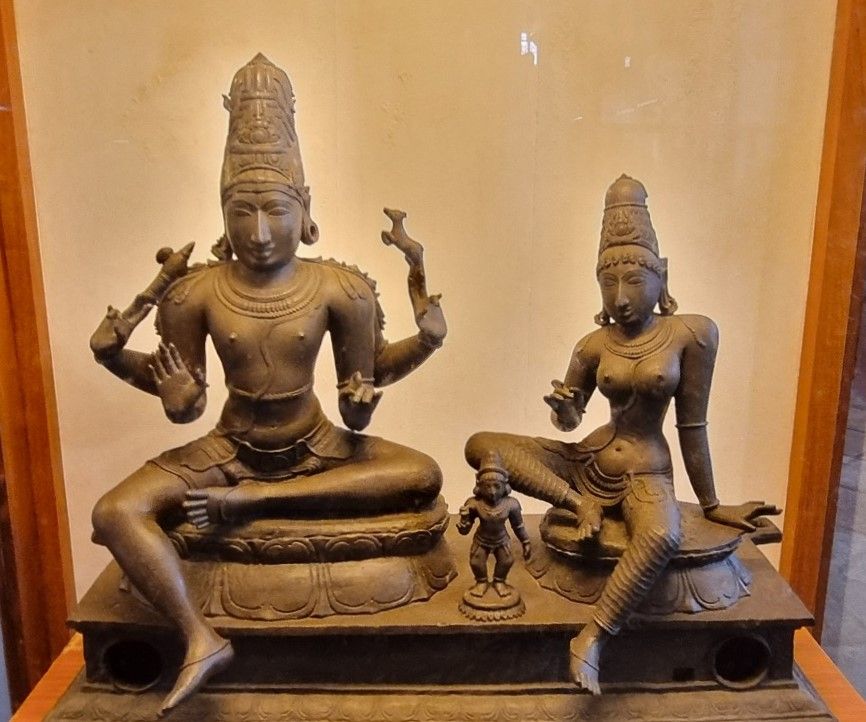
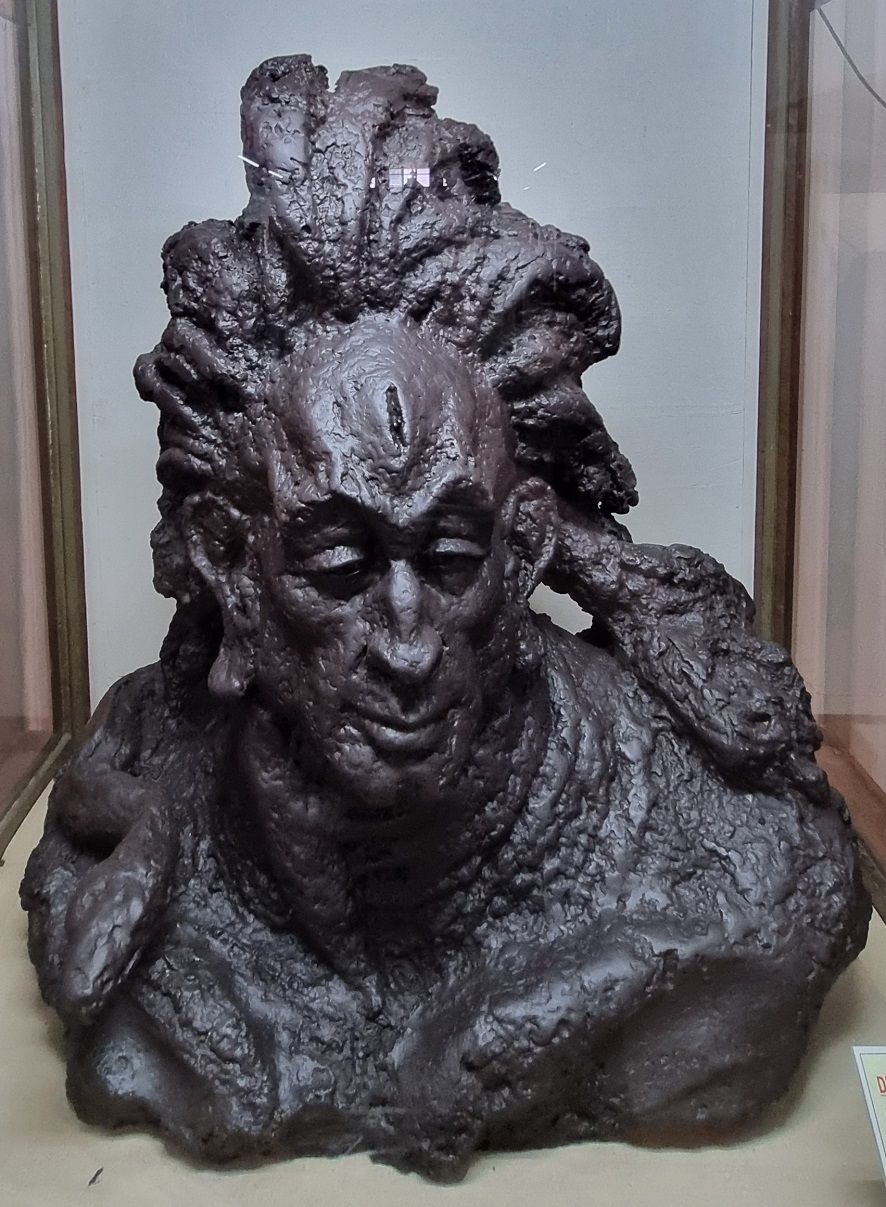
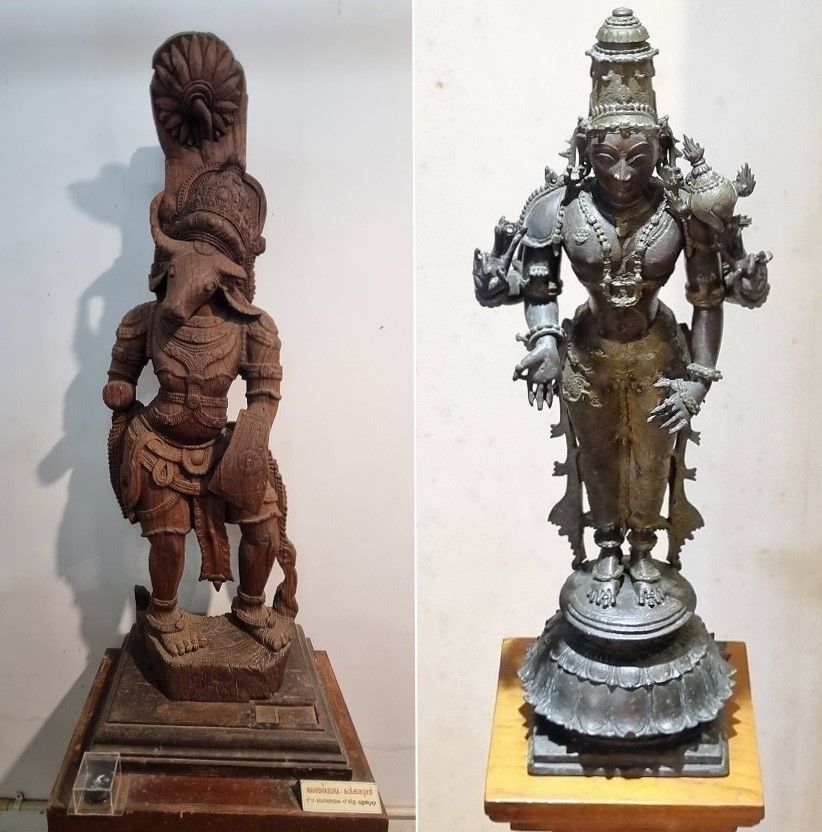
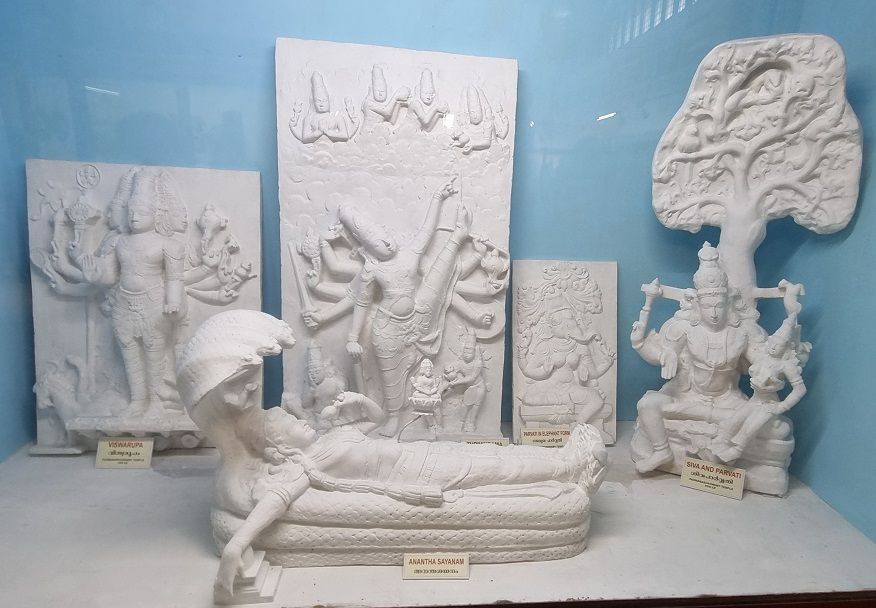
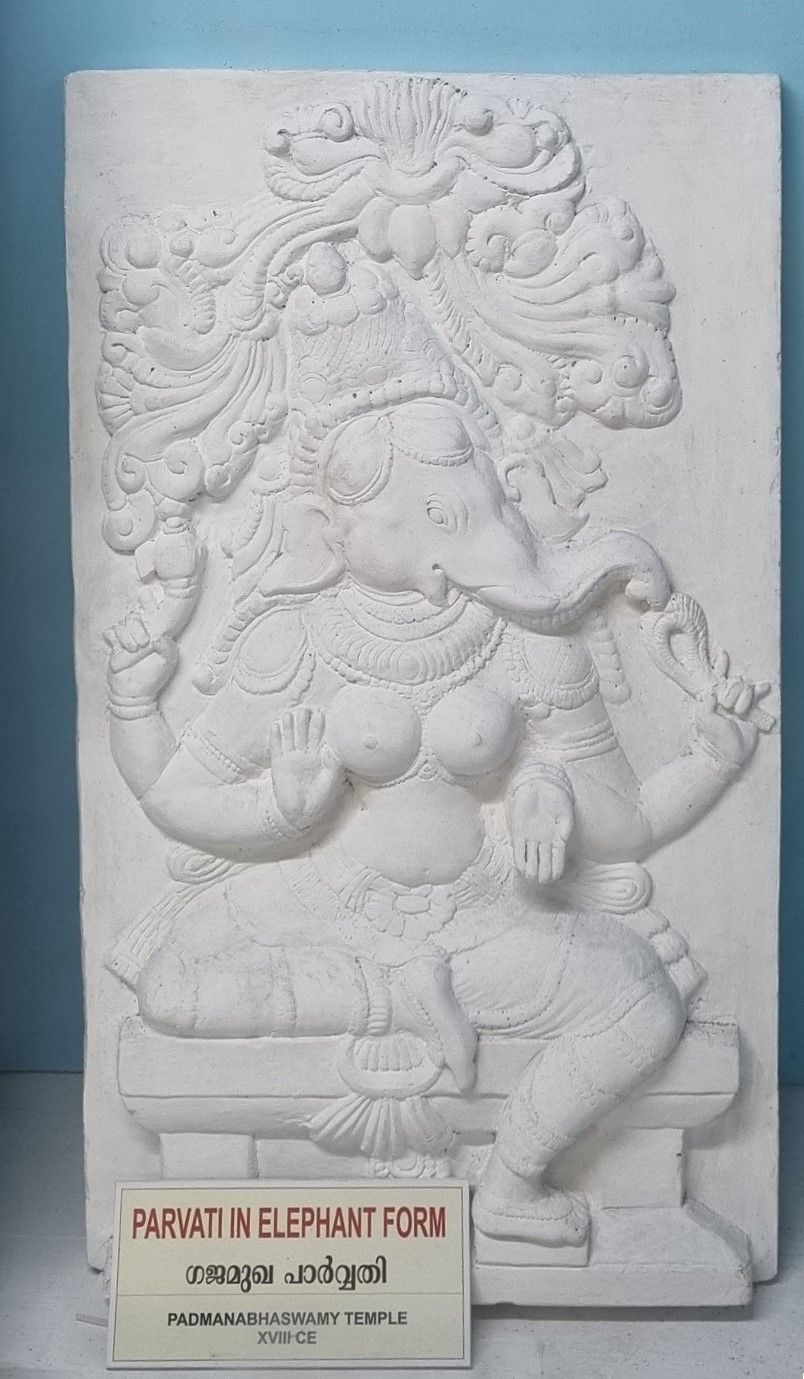
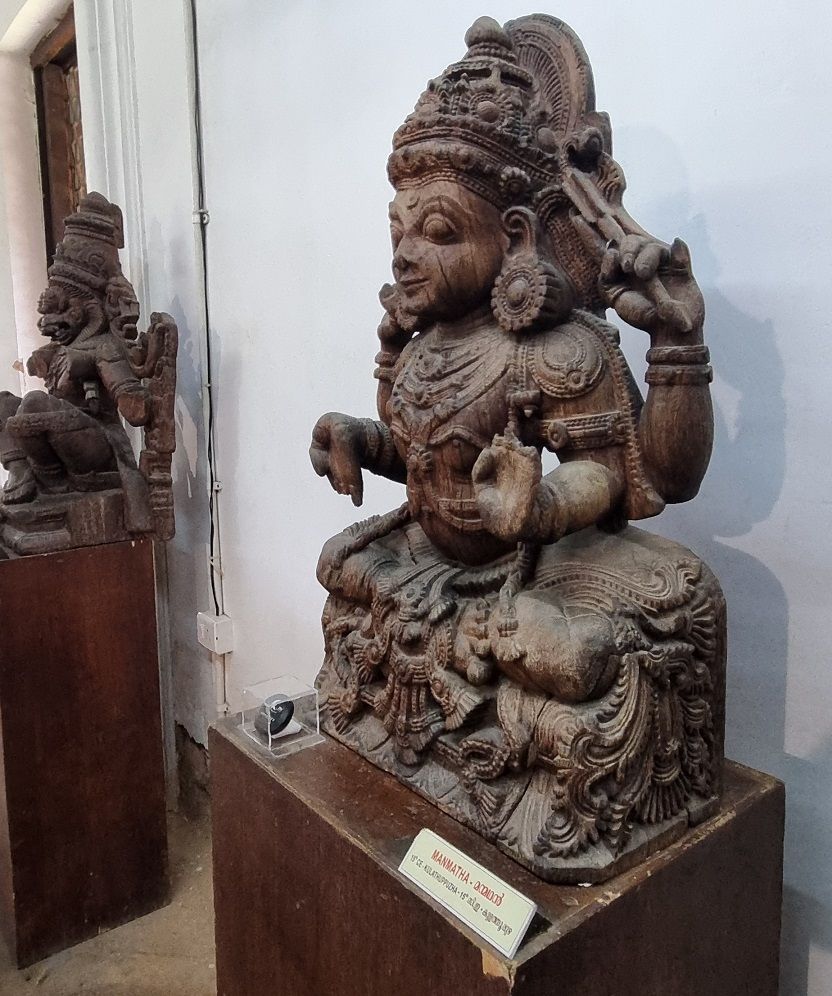
Many of the images of deities are modelled on the rules laid out in the texts called Silpa Sastras. One of the oldest images in the collection depicts Lord Vishnu in Pallava style, collected from Ambalappuzha Temple in central Kerala. A popular exhibit is the sword of freedom fighter Velu Thampi Dalawa.
The collection includes wooden idols of Indra, Narasimha, and Durga. Most of them are seen on the namaskara mandapas of main temple complexes, as adornments of rafters and beams.
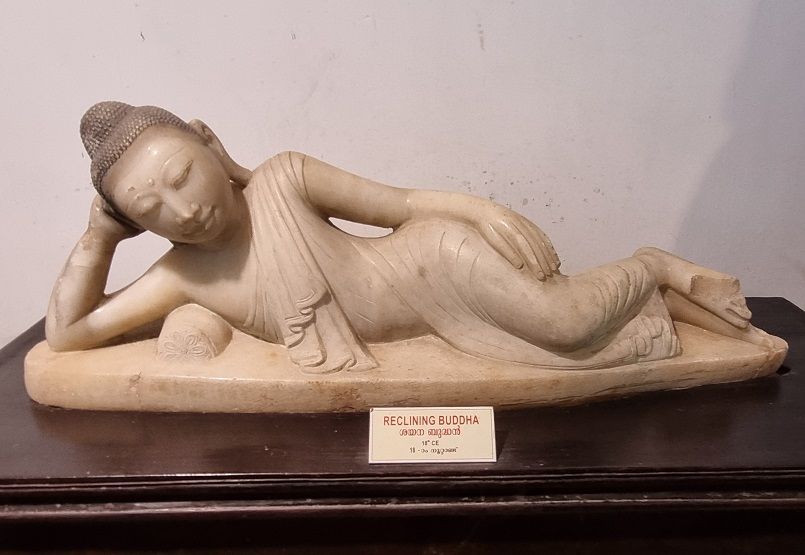
Other works represent temple chariots and royal dressing tables. The exclusive collection of stone artworks includes Buddhist and Egyptian sculptures.
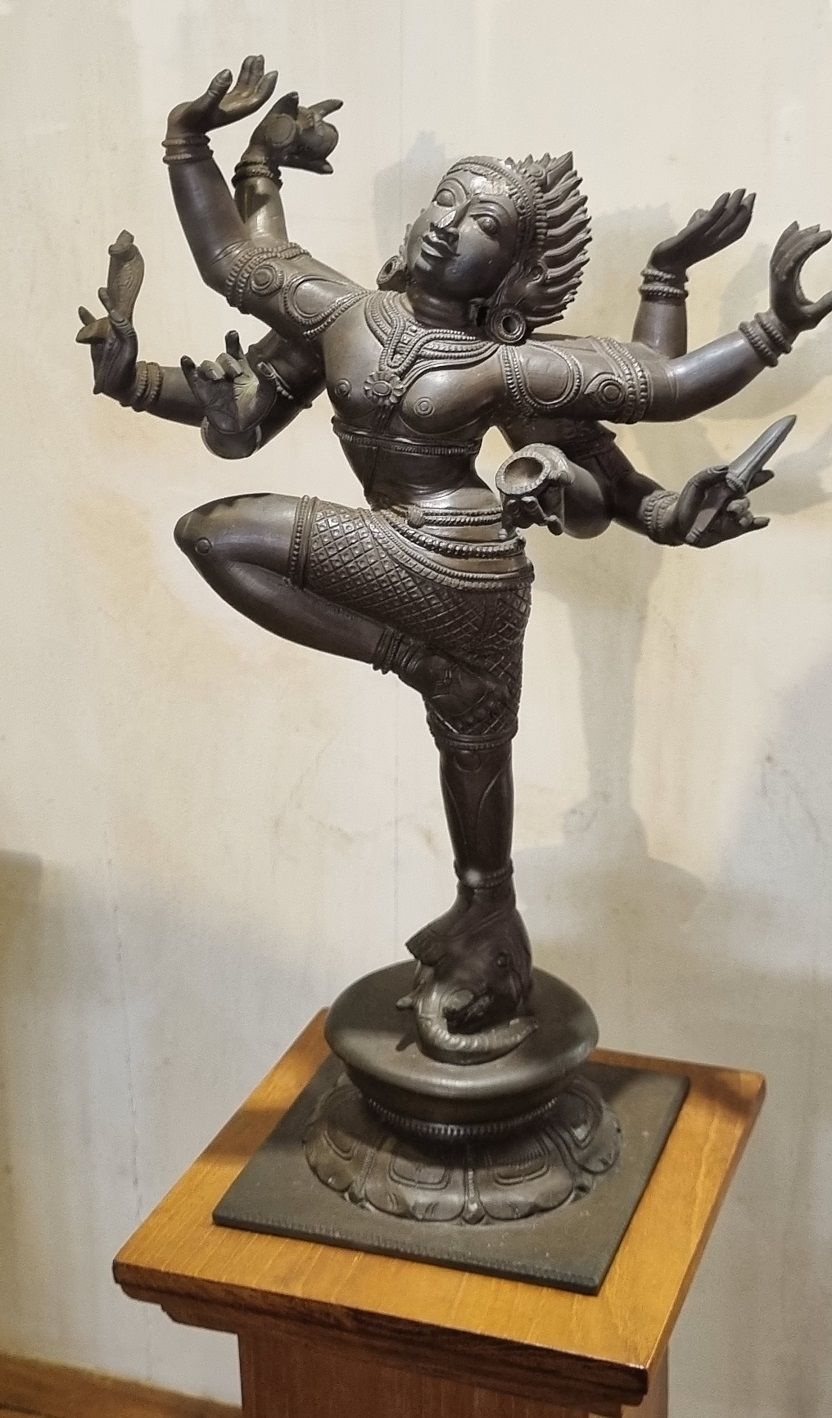
A wide range of metal lamps also stands out in the museum. Kerala excels in the art of bronze and brass lamp making, as seen in the diverse lamp styles in the temples of the region. Some of the exhibited lamps are more than four centuries old.
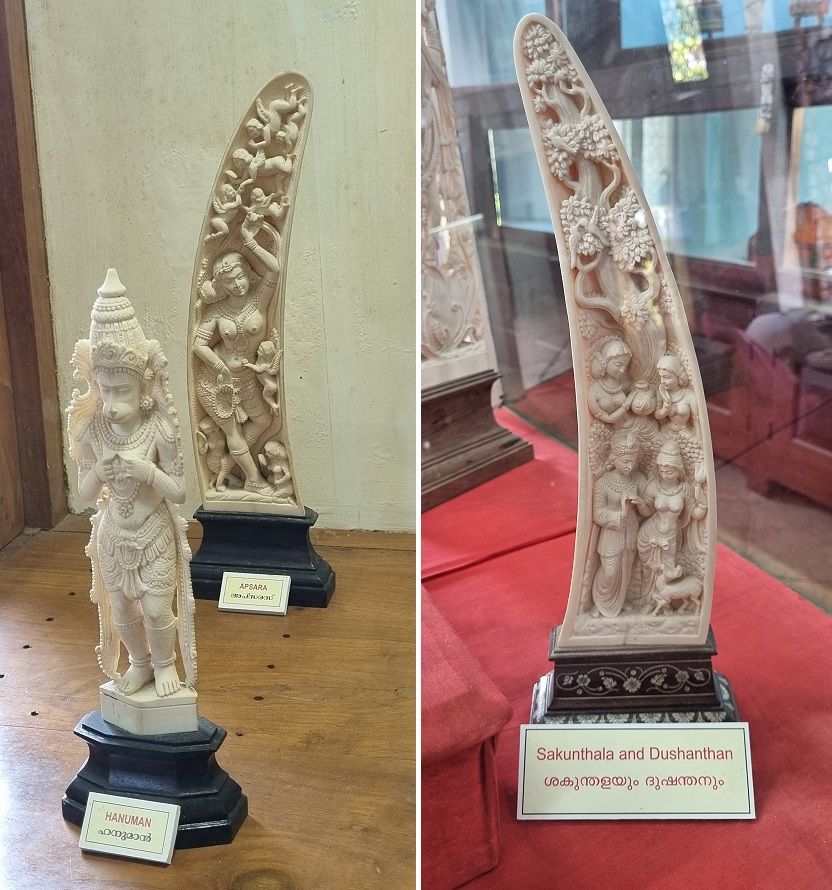
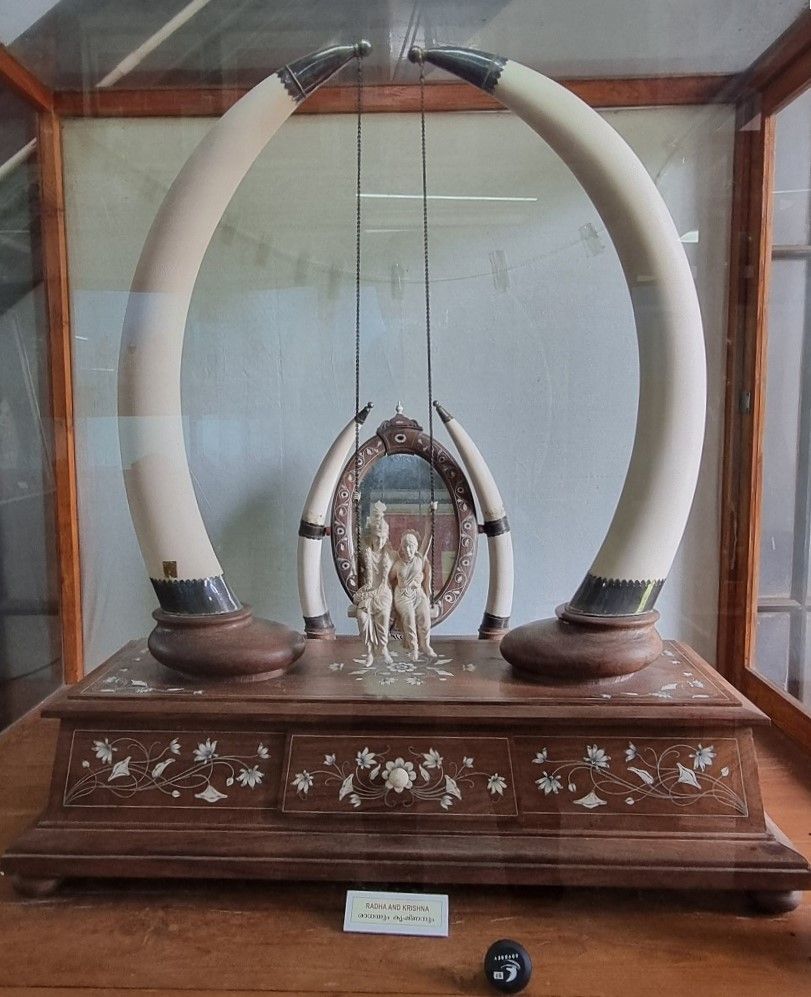
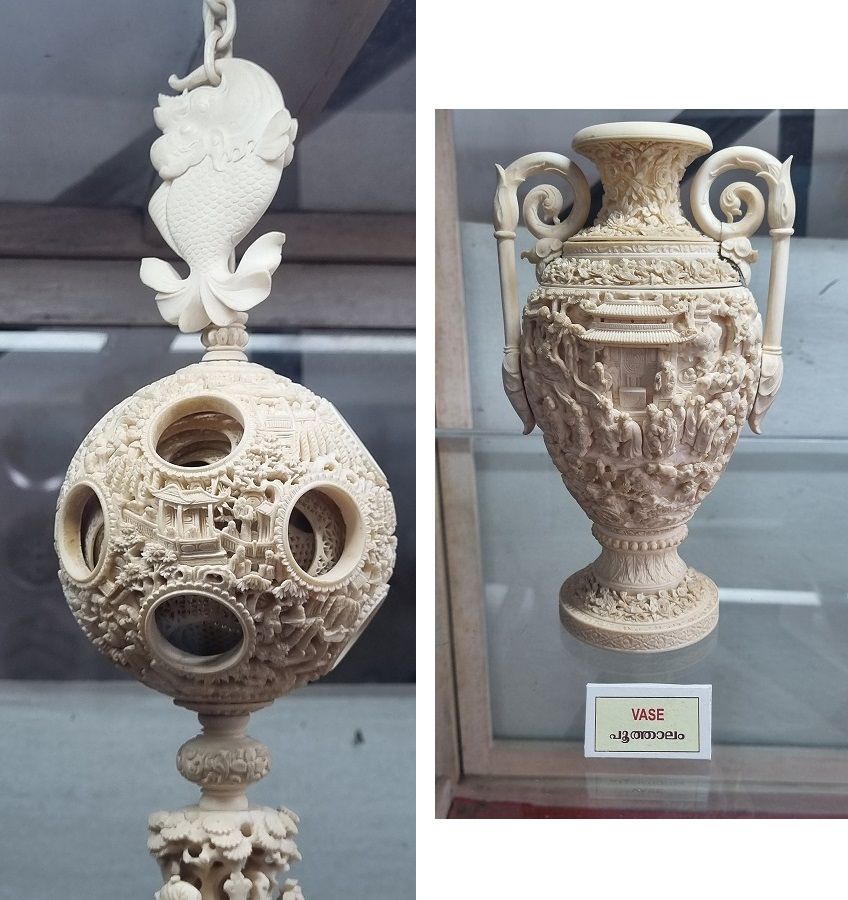
The ivory trade was banned in the late 20th century, but ivory sculptures, ornaments and décor items were popular in earlier eras. The museum has elegant ivory carvings of deities Radha-Krishna, a range of mythological figures, and Buddhist and European sculptures.
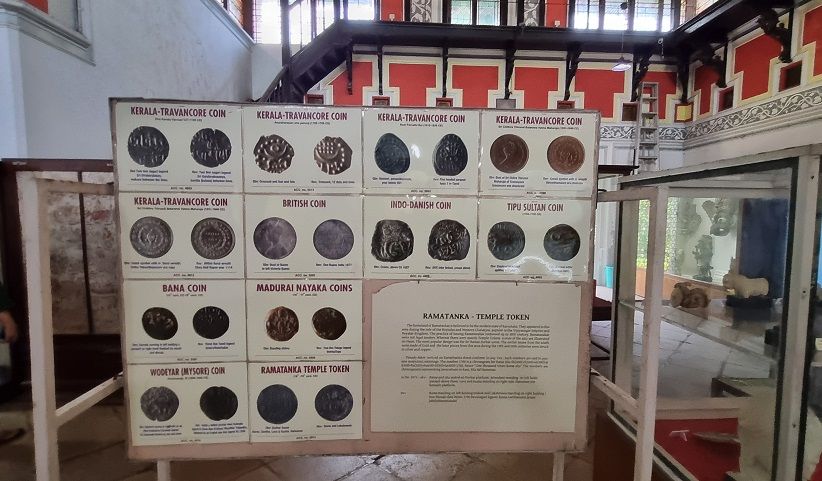
The coin collection spans nine major categories, as well as ancient, medieval and modern South Indian coins. The coins are displayed, along with photographs and curatorial texts.
.thumbnailWrapper{
width:6.62rem !important;
}
.alsoReadTitleImage{
min-width: 81px !important;
min-height: 81px !important;
}
.alsoReadMainTitleText{
font-size: 14px !important;
line-height: 20px !important;
}
.alsoReadHeadText{
font-size: 24px !important;
line-height: 20px !important;
}
}

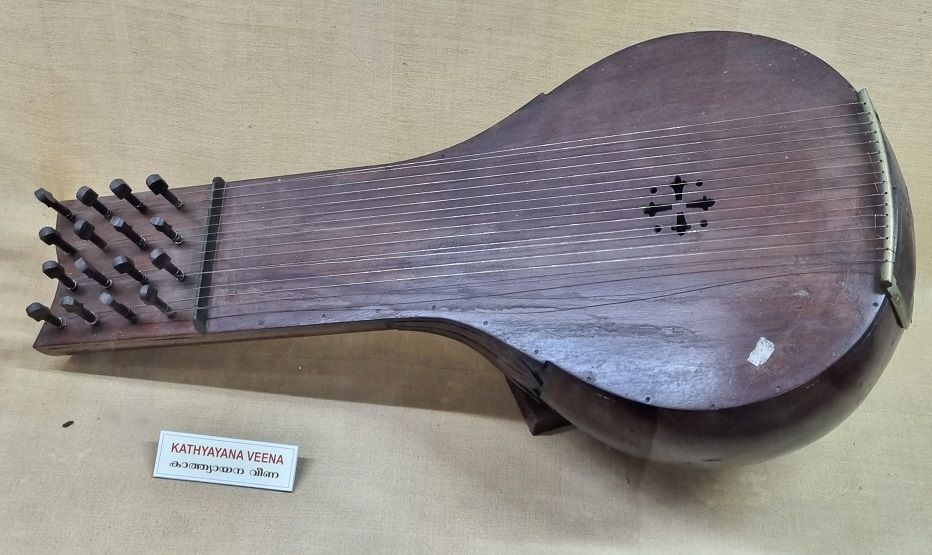
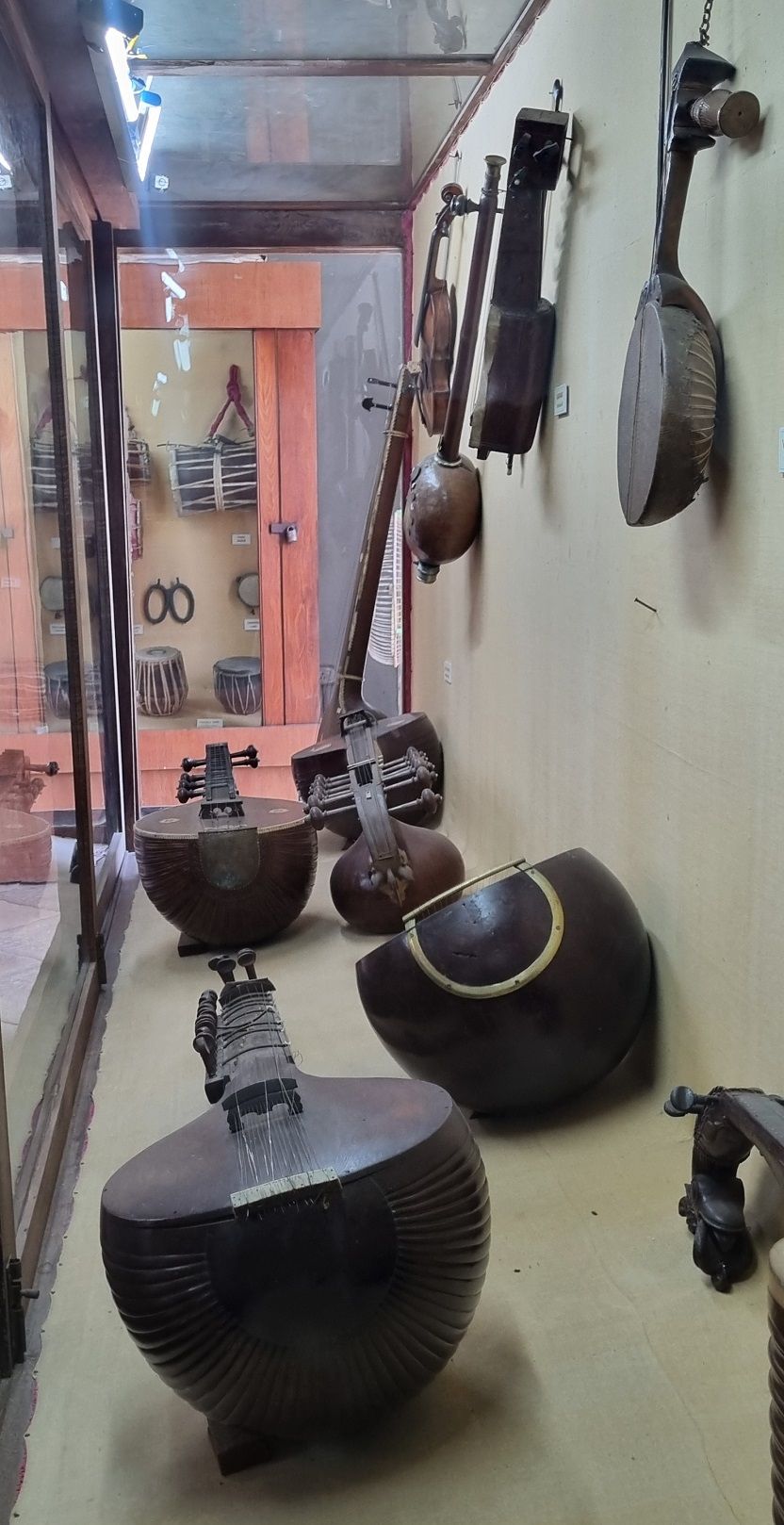
Some of the rare music instruments on display include the ancient Indian yazhl harp, as well as the five panchavadyam instruments. Different varieties of the veena through the ages are also exhibited.
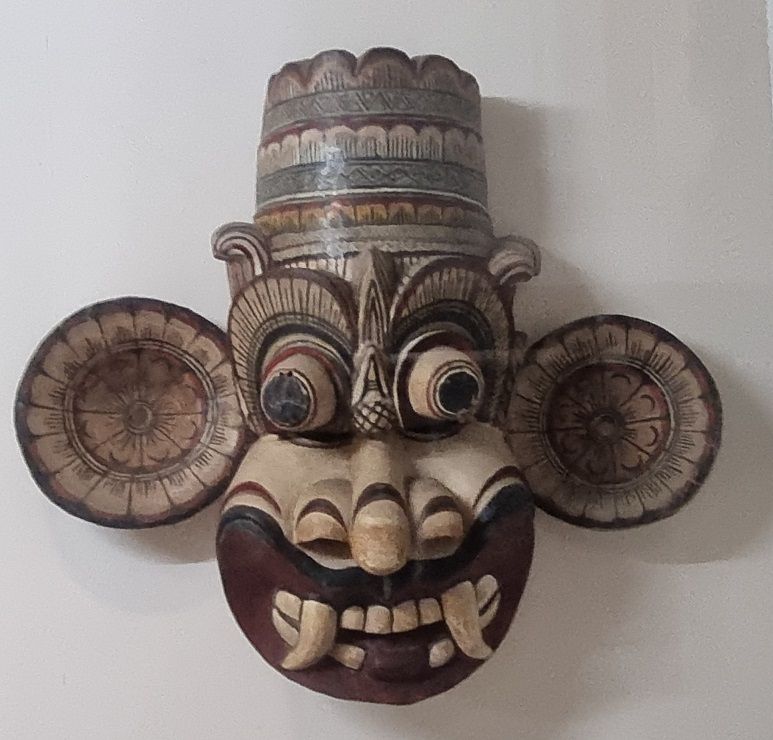
There are cultural artefacts from Southeast and East Asia, including porcelain artworks. Some of them were collected by King Ayilyam Thirunal during his visits across Asia.
In sum, the Napier Museum offers an immersive morning or afternoon experience for art lovers, tourists and educators. The range of styles, genres, themes, and cultural diversity inspires viewers to look for creativity in their own worlds and appreciate the deeper impacts of design.
Now, what have you done today to pause in your busy schedule and harness your creative side for a better world?
(All photographs taken by Madanmohan Rao on location at the Napier Museum.)
