

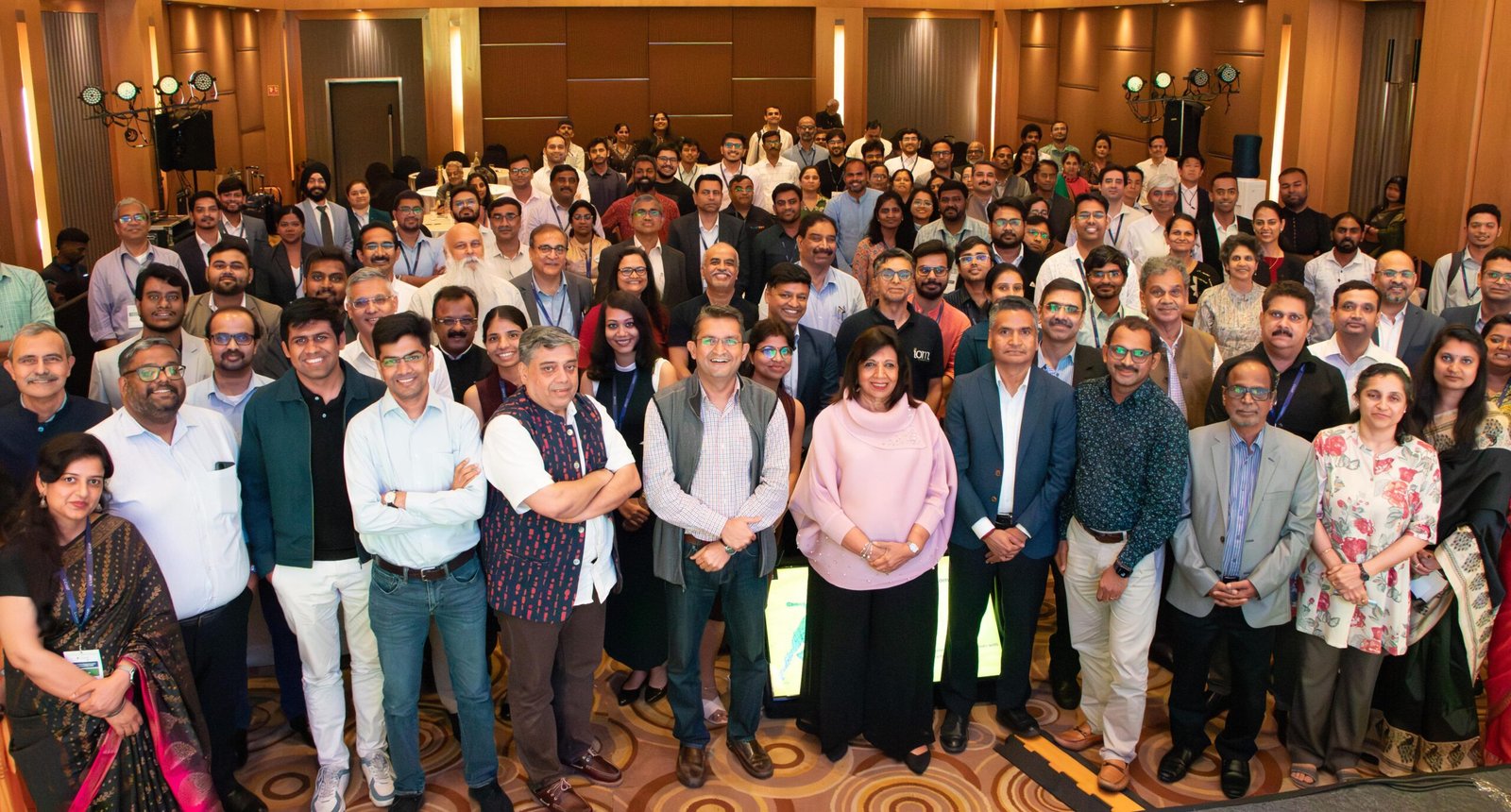
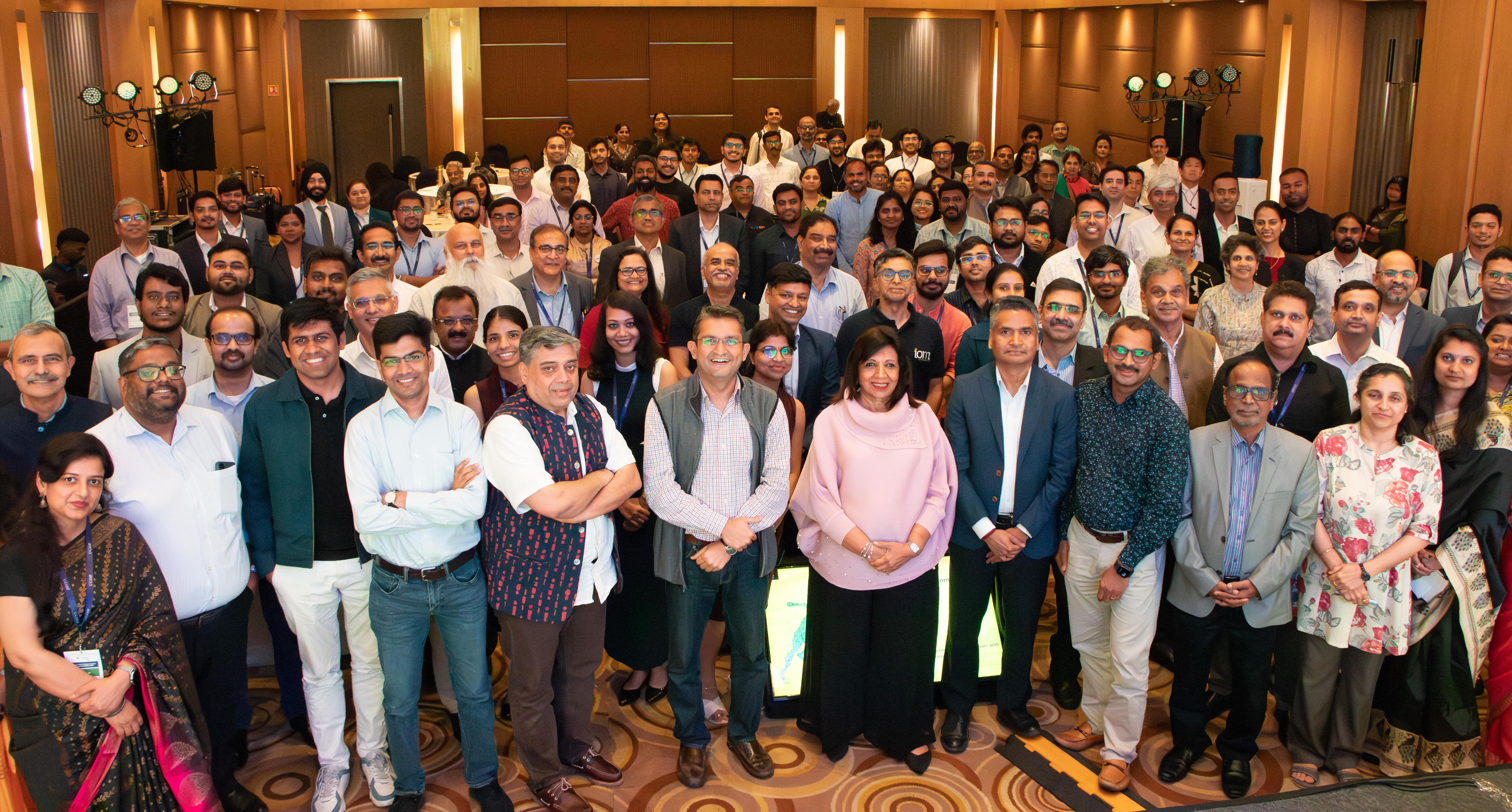
The C-CAMP National Bio Entrepreneurship Competition (NBEC) 2025 announced 16 startups and six student teams as winners at the competition’s grand finale in Bengaluru, which showcased a range of ideas in diagnostics, drug discovery, agriculture, water, and environmental sustainability.
The winning startups collectively received about Rs 40 crore in cash prizes and investment opportunities, while student teams secured an additional Rs 9 lakh.
According to the organisers, this year’s edition attracted over 3,100 applications from 34 Indian States and Union Territories, with a significant share coming from Tier II and III cities.
Taslimarif Saiyed, CEO of C-CAMP, said the competition had evolved from a small experiment into a national platform for bio-entrepreneurship, and emphasised the role of persistence and long-term commitment in turning ideas into businesses.
Projects spanned multiple focus areas, including artificial intelligence-driven drug discovery, carbon capture technologies, biomaterial-based degradable batteries, and neonatal healthcare devices. The finalists were selected for novelty, scalability, and business potential from an initial pool of 65 pre-finalist startups.
“We need to create an economy that is full of truly big ideas. Budding entrepreneurs must think big. Even if you start with a small idea, the design should be for global impact, as success comes from true differentiation and scale,” said Kiran Mazumdar-Shaw, Chairperson of Biocon Group.
She added, “Today, everything is possible; Thanks to the power of computational biology and technology and data science. Today, we can connect immunology with metabolic disease, with microbiome, with genomics, and so on. And I encourage the budding entrepreneurs to leverage technology to sharpen ideas and define the future.”
Murali Ramachandra, CEO of Aurigene Oncology and Chair of the Jury, noted the competition enabled entrepreneurs to exchange ideas across therapeutics, diagnostics, and patient care.
Among the winning startups were immunitoAI, which is developing antibody drugs for autoimmune diseases and cancer using AI; Nexus Power, which is creating naturally degradable batteries from agricultural residues; and Waterfall Automation, which has designed an IoT-based irrigation solution to optimise water use.
Other winners included Ivory, which is building a digital cognitive screening tool for early detection of brain decline; Miraqules Medsolutions, working on a biopolymer for rapid hemostasis in trauma cases; and Neo Avishkar, which has designed a neonatal breathing device.
Student teams also presented innovations with potential applications in healthcare and environmental management. A group from the Manipal Academy of Higher Education developed a bioactive bone filler for orthopaedic use, while students from IIT Kanpur showcased RegenaCure, a precision drug delivery platform. Other teams worked on AI-enabled wound monitoring for diabetic patients, rapid diagnostic kits for neonatal sepsis, and bioremediation solutions for industrial effluents.
The winners attracted strong interest from investors, with Social Alpha announcing up to Rs 10 crore in investment opportunities for seven startups, while Enzia Ventures pledged Rs 5.1 crore for three firms. IIMA Ventures, IdeaSpring, and Theia Ventures also offered funding opportunities ranging between Rs 1.7 crore and Rs 8 crore per startup.
Angel networks, including the Indian Angel Network, BioAngels, and TiE Angels, expressed interest, and agri-focused venture capital firm Omnivore committed Rs 8 crore to one of the winners. Organisers clarified that investment opportunities would be extended after due diligence processes are completed.
Launched in 2017, NBEC has served as a launchpad for science-driven ideas, highlighting over 110 entrepreneurs to date. Many past participants have gone on to attract global investors and expand internationally.
The competition is anchored by the Centre for Cellular and Molecular Platforms (C-CAMP), one of India’s largest life sciences incubators, which has supported over 550 startups and is connected with more than 3,000 entrepreneurs across the healthcare, agriculture, and environmental sectors.
This year’s competition underlined the growing participation from smaller towns and regional universities. Organisers said the trend suggested that high-quality biotech innovations are increasingly emerging from across India rather than being concentrated in metropolitan hubs such as Bengaluru, Hyderabad, or Delhi.
Edited by Suman Singh
