

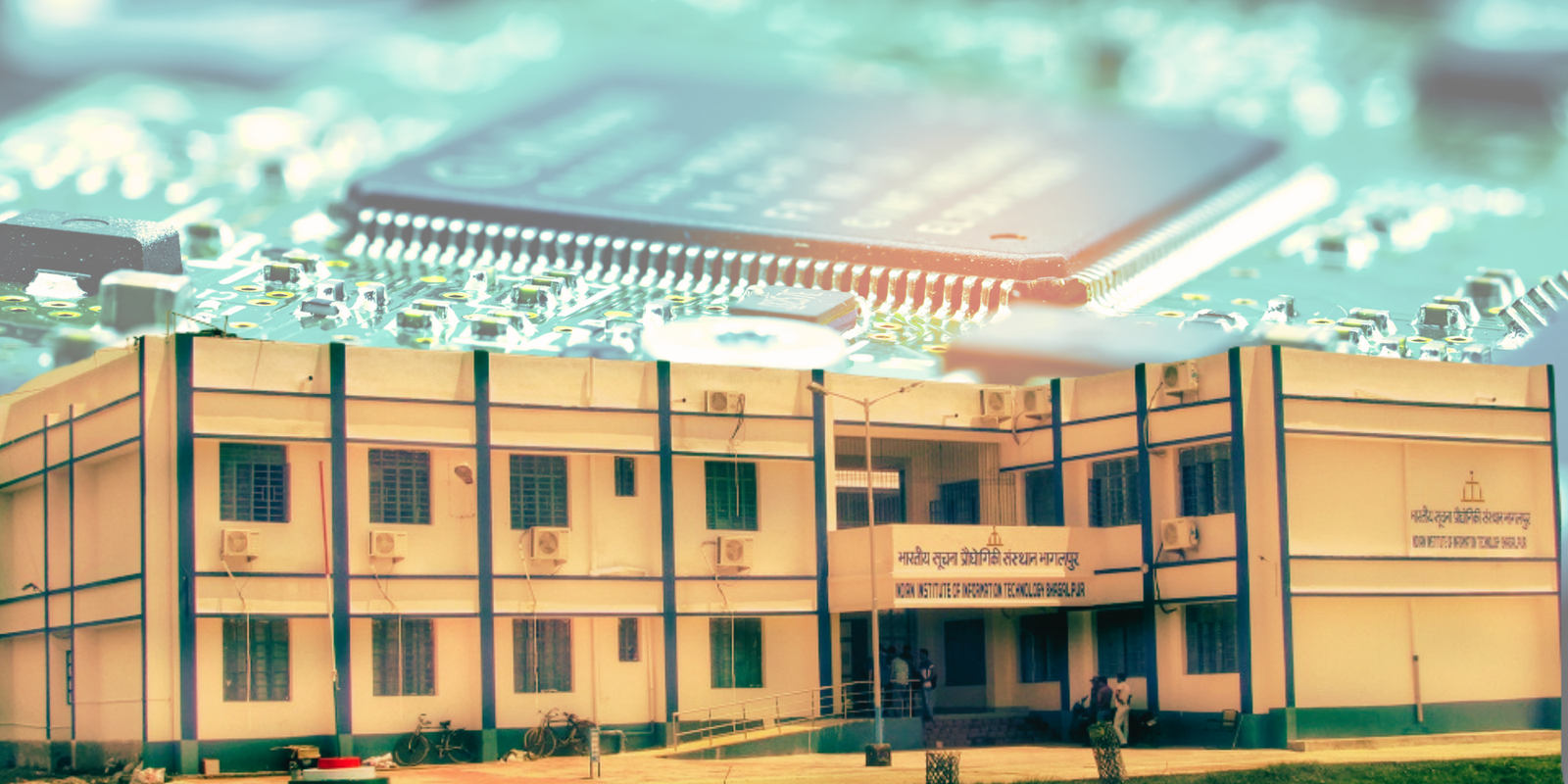
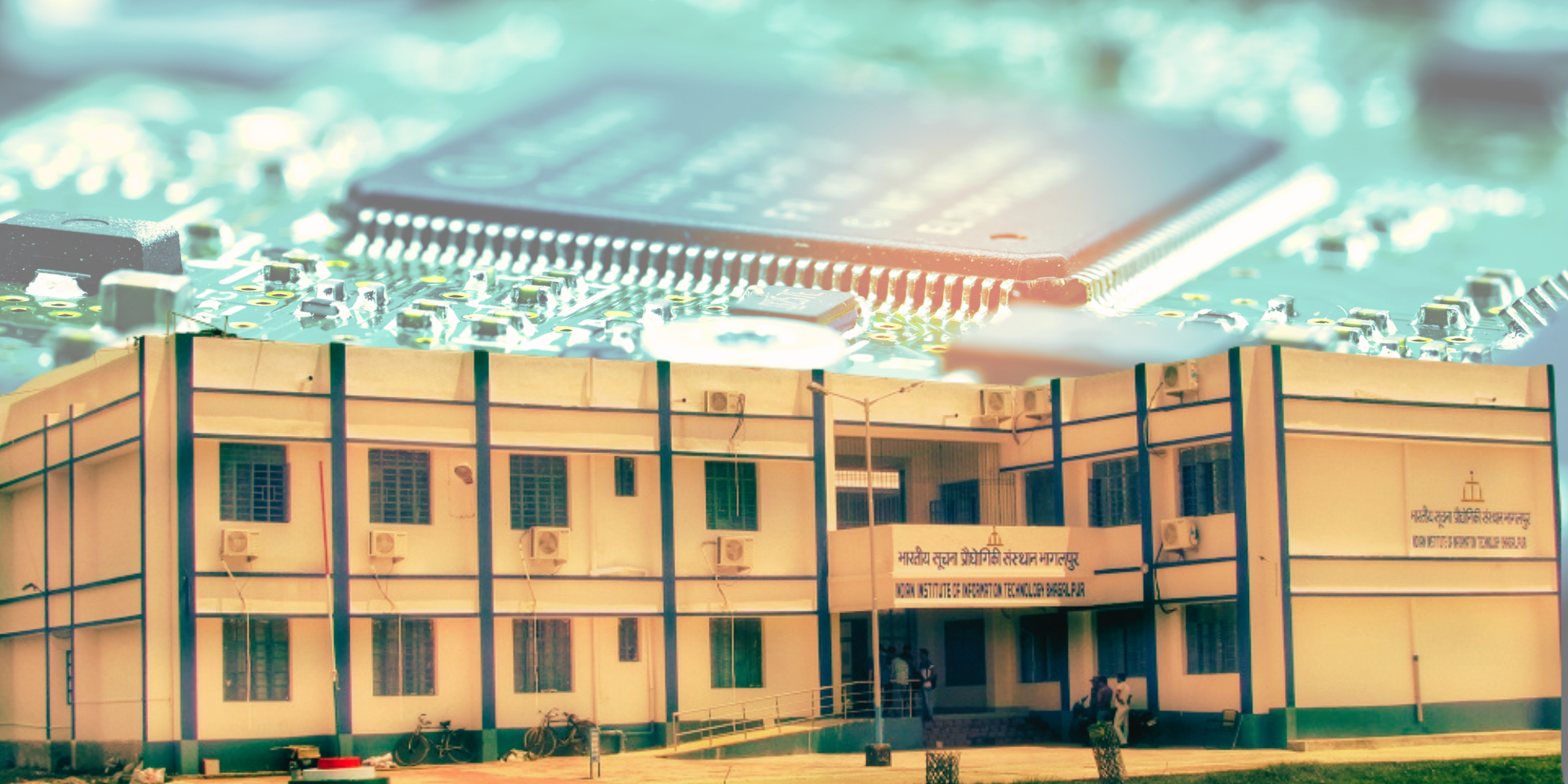
The Indian Institute of Information Technology (IIIT) Bhagalpur has achieved a major breakthrough by successfully designing a 32-bit capacity semiconductor chip within just two years, far ahead of the five-year deadline set by the Ministry of Electronics and IT.
Backed by funding of nearly 98 lakh rupees from the ministry, the project will now enter its next phase. Based on the design, an AI-powered semiconductor chip will be fabricated at HCL Chandigarh within the next three months. This month itself, the research paper, patent, and design are being handed over to HCL for execution.
HCL Chandigarh, a leading institution in chip fabrication, has earlier developed the country’s first 35-bit semiconductor microprocessor, named Vikram. On September 2, Prime Minister Narendra Modi unveiled the Vikram chip at Semicon India 2025, highlighting India’s growing strength in the global semiconductor ecosystem.
Government’s Semiconductor Push
The central government had launched the India Semiconductor Mission in 2021 with the vision of making the country a global chip powerhouse. As part of this initiative, all 26 IIITs and 23 IITs, including IIIT Bhagalpur, were directed two years ago to develop semiconductor chip designs. Funding was allocated to support this ambitious goal, marking a significant step toward reducing dependence on imported chips and establishing India as a hub for electronics manufacturing.
Currently, India has only four chip fabrication plants compared to more than 100 in Japan. Alongside Japan, the United States, China, Taiwan, and Germany are counted among the world’s leading semiconductor-producing nations.
The Breakthrough at IIIT Bhagalpur
The project is led by Chief Investigator Dr. Sandeep Raj, a professor at IIIT Bhagalpur. He explained that the AI-based chip designed at the institute uses a CNN (Convolutional Neural Network) accelerator mechanism. CNN is a deep learning technique that accelerates AI-based data processing. The chip has a 32-bit capacity and is designed for both biomedical and general-purpose applications.
Dr. Raj revealed that the chip already contains chest X-ray data, enabling its use in medical applications. It is capable of working as a co-processor, functioning as an assistant to the main chip. Based on this innovation, the team has secured a patent for developing a COVID prototype device. After the fabrication of the chip, the device itself will be built.
This AI-based chip is not limited to healthcare. It has potential applications across agriculture, defense, aviation, information technology, and consumer electronics.
The project’s co-chief investigators include Dr. Dheeraj Kumar Sinha, Dr. Sanjay Kumar, and Dr. Prakash Ranjan, who have worked alongside Dr. Raj to bring the design to completion well ahead of schedule.
Why Semiconductor Chips Matter
Semiconductor chips form the backbone of modern electronics. From mobile phones, laptops, and tablets to satellites, missiles, and advanced computing systems, every device relies on semiconductors. Often called the “brain” of a gadget, chips are responsible for managing memory, processing signals, and enabling fast computing capabilities.
By achieving this milestone, IIIT Bhagalpur has not only positioned itself as a leader in chip design but also strengthened India’s larger mission of becoming self-reliant in semiconductor technology.
