

India stands at the threshold of an unprecedented wealth creation cycle, with its economy projected to expand nearly tenfold over the next two decades. According to the Ministry of Commerce & Industry, the country’s economy is poised to surge from $3.7 trillion today to nearly $30-35 trillion by 2047. For investors, this is a once-in-a-generation opportunity—though one that comes with its share of risks.
To help investors navigate through this era of unprecedented opportunity, Share.Market, PhonePe’s wealth management platform, has launched a podcast series that simplifies the art of investing. Each episode brings insights from seasoned professionals, offering practical guidance and clear do’s and don’ts for smarter decisions. Whether you are just starting out or have years of experience, this series serves as a practical guide to smarter, more confident investing.
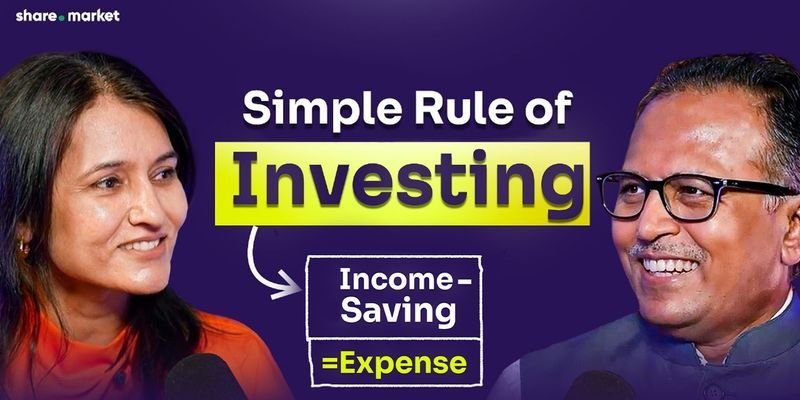
The inaugural episode features Priya Patankar, Head of Corporate Communications, PhonePe Group, in conversation with Nilesh Shah, Managing Director, Kotak Mutual Fund. He highlights how many young investors, despite immense opportunities, fall into traps like overusing credit, chasing quick gains, or panic-selling during turbulent markets. During the conversation, he shares actionable insights for long-term wealth creation.
<div class="externalHtml embed" contenteditable="false" data-val="”>
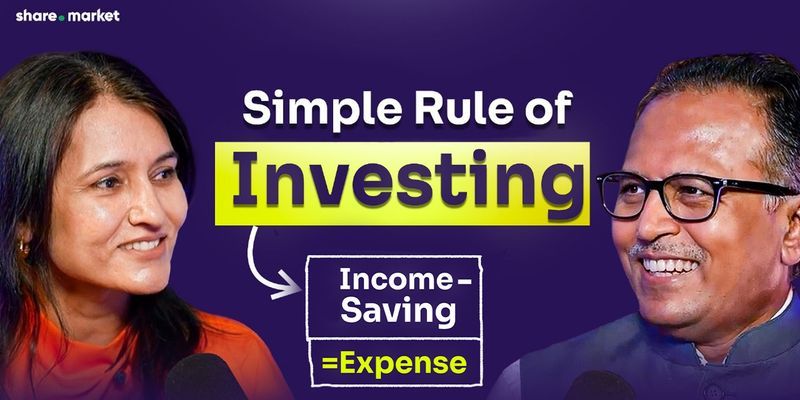
Start with the golden equation: Income – Savings = Expenses
Traditionally, Indian households saved first and spent later. But many young professionals today are flipping this formula by funding their lifestyles with credit cards and borrowing to spend. Prioritizing savings before expenses not only builds financial discipline but also lays the foundation for financial freedom.
Understand your investment style
Investment is like building a cricket team. A team cannot win if it only has batsmen, or only bowlers, or only fielders. One needs the right balance of skills and the same applies to investing. An investor naturally will lean either towards value or growth at a reasonable price or growth at any price, or will be conservative, aggressive or average. It is important that one understands their preferred style of investing and continues to evolve with it. This will help at least outperform inflation.
Although, the key is to be a ‘growth at a reasonable price’ investor rather than chasing growth at any price. Which, in simple terms. means to invest in good-quality management at a fair price rather than overpaying.
SIPs are not equal to equity
Many investors believe that SIP is equity. They are not limited to equity mutual funds but can be in debt, hybrid, or precious metals like gold and silver funds.
Additionally, another myth is that SIPs can be started only from Rs 5,000 and upwards. Today, there are SIP products available that start from an investment amount of as low as Rs. 50 a day. One can also initiate a SIP of Rs 250 per month and let it continue till you are ready to increase the investment amount.
Staying committed and disciplined
Investing, much like life, is about process rather than short-term outcomes. The Bhagavad Gita’s wisdom, “karam karo, phal ki asha mat karo”, which translates to “Do your duty, don’t worry about the outcome”, applies aptly to wealth creation.
For investors, discipline is their “karm”. Committing to SIPs, staying invested, and aligning money with long-term goals like education, retirement, or home ownership is the key to long-term wealth creation. The outcome, which is returns from investment, may fluctuate in the short term, but the discipline pays off over 10 or 20 years,.
Navigating the triangle of greed, fear, and leverage
Young investors often fall into one of three traps:
01. Greed: Chasing lotteries, day trading, or speculative bets.
02. Fear: Parking money only in PPFs or deposits that barely beat inflation.
03. Leverage: Borrowing to fund lifestyles or investments.
To ensure financial freedom and security, the thumb rule is to save early, save regularly, and stay invested long term.
A simple example illustrates the power of compounding. If you invested Rs 1.5 lakh annually in PPF for 25 years, you would build around Rs 1.1 crore. But in an average equity scheme, the same amount could grow to Rs 4.4 crore. That difference could be the price of owning a home in Bengaluru.
Tools for evaluating mutual funds
With the explosion of mutual fund options, choosing the right one can feel as overwhelming as picking from countless dishes on a food delivery app. Just as one balances between cheat meals and a healthy meal, investors need a mix of funds that provide both stability and growth. Using Share.Market’s CRISP tool can help investors select the appropriate mutual funds by converting performance, risk and portfolio data of mutual funds into actionable insights. Based on the information, investors can make an informed decision to balance their portfolio and stay invested for the long term.
Dealing with market crashes
Think of investing like shopping. If you buy a shirt today and tomorrow it is at 50% off, would you return the shirt in anger or buy another one? A similar approach needs to be taken with market downturns. Investors often panic and sell during crashes but one needs to understand that it is the time to buy more because the stocks are cheaper.
Unlike the previous generation, today’s investors are far better equipped to learn, experiment, and grow. Young Indians have multiple ways to build their financial awareness and make smarter choices. Wealth creation is no longer a privilege for a few but is a journey that every young investor can begin today!
(Disclaimer: The views and opinions expressed in this article are those of the author and do not necessarily reflect the views of YourStory.)
