

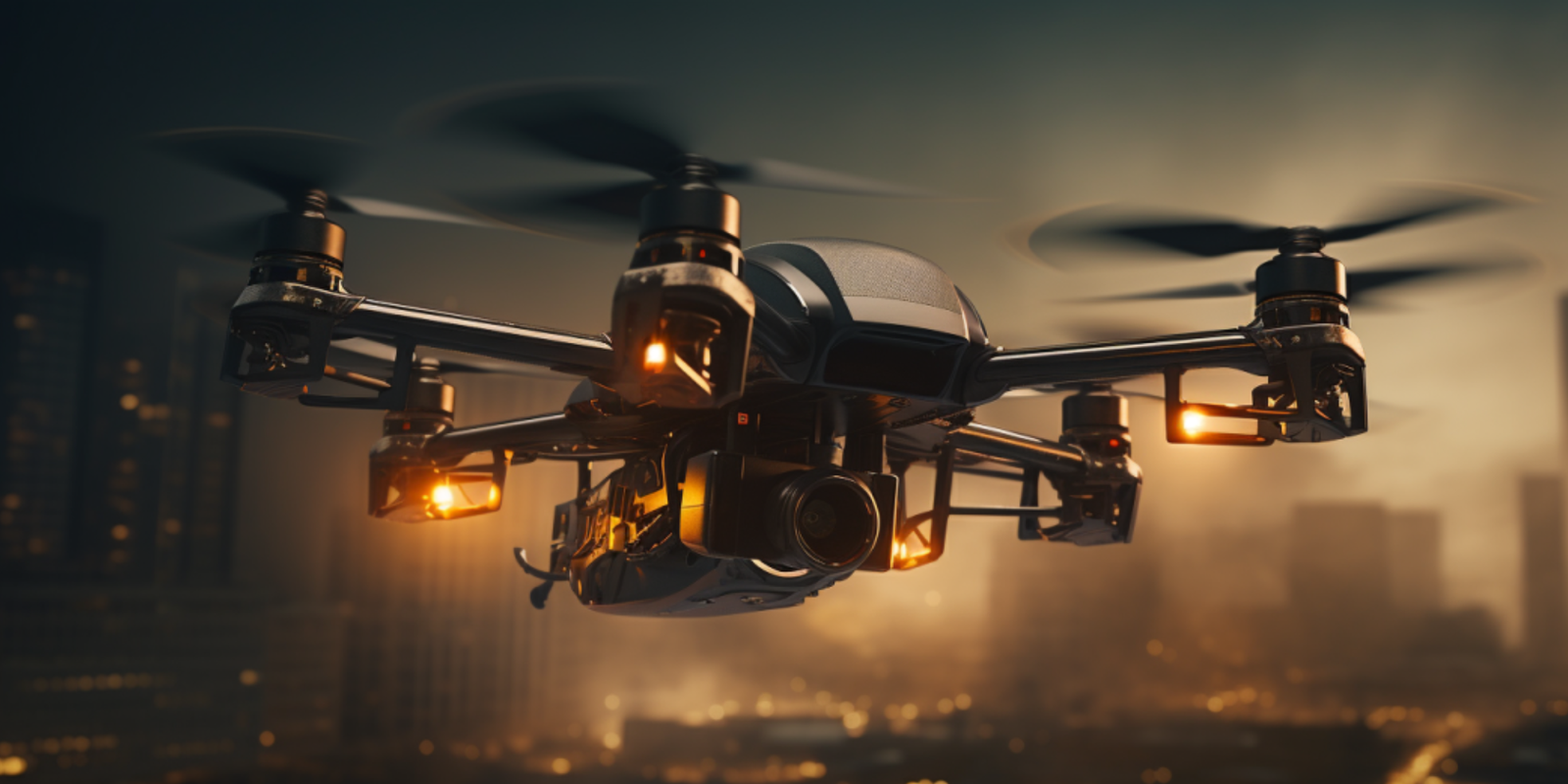
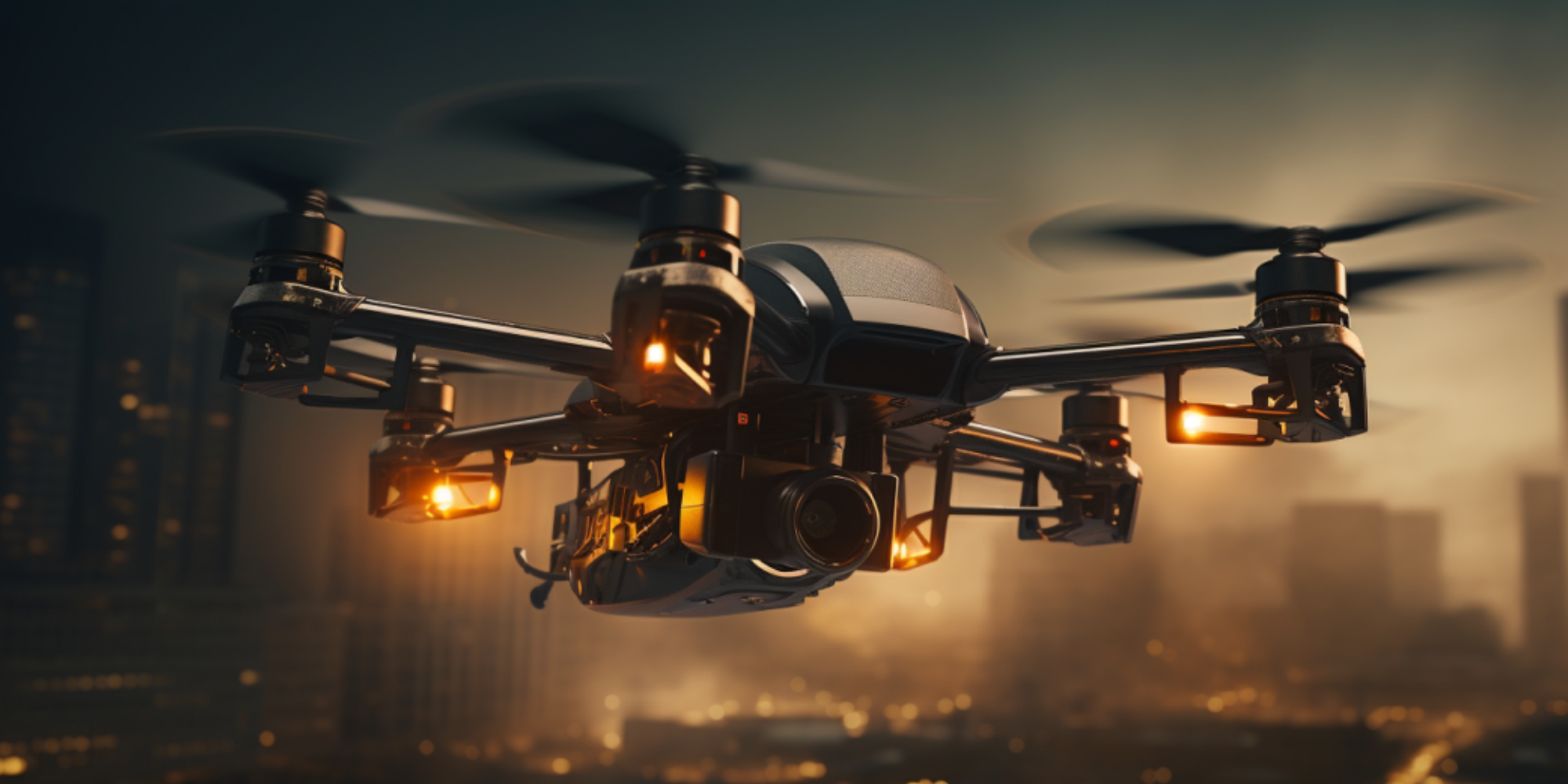
A decade ago, drones were just futuristic toys whirring above parks and weddings and capturing bird’s-eye views of celebrations. Fast forward to 2025, they’ve become so much more, they’re couriers of vital data, eyes in conflict zones, tools for inspecting remote pipelines, and autonomous farmers monitoring crops. But as their wingspan of utility grows, there’s an increasing threat that looms behind: cyber vulnerability.
A new kind of border skirmish
A little after 8:00 PM on May 8, red flares lit up the night sky over Jammu. India’s air defence systems had opened fire not on fighter jets or missiles, but on swarms of drones crossing over from Pakistan. It marked the first time unmanned aerial vehicles (UAVs) were used at scale on both sides.
The four days of fighting ended soon. But something had shifted. Defence experts and officials on both sides now believe this was just the beginning of a new kind of arms race one led not by manpower, but by machines in the sky.
According to Reuters, India may now invest as much as $470 million in UAV technology over the next 12 to 24 months, triple its pre-conflict levels. Why? Because drones offer something no other military asset does the ability to strike without risking personnel or triggering uncontrollable escalation.
The hidden threat in the air
Most drones rely on wireless transmissions, often over the 2.4 GHz frequency, to communicate with their controllers or transmit video feeds to a central server. This makes for a convenient and accessible channel, but on the flipside, it’s inherently open to interference. It’s a bit like shouting across a room; anyone with the right tools can listen in. And the consequences can be devastating.
Take a Distributed Denial-of-Service (DDoS) attack, for instance. If a hacker floods the drone’s communication channels with illegitimate signals, it can overwhelm the system, cause a communication breakdown, or even crash the drone mid-flight. Targeted attacks can also intercept sensitive data (such as footage of a defence installation or structural insights from an oil rig) and make malicious alterations to it or block the signal from going through to the recipient. Or, they can simply sneak in, copy the data and exit, without anyone the wiser.
You might be wondering: why doesn’t anyone encrypt the drone data? They do, but most encryption relies on traditional network models (think routers, cloud-based authentication, or centralised key management systems and PKI). These models work fine in fixed infrastructures, but drones are anything but stationary. They move. They adapt. And they need to communicate securely, even over unknown networks.
Plus, relying on traditional encryption methods introduces dependency on the availability of secure routers and stable internet connectivity, something that just isn’t feasible out on the battlefield or in a remote agricultural facility.
So the question becomes: how does one secure a communication system that needs to be fast, mobile, and untethered?
The flight path to secure communication
Imagine if the encryption itself lived inside the drone. Not somewhere in a data center or an external device, but embedded directly into the drone’s controller and hardware. Now imagine if the video server on the receiving end could decrypt that data without needing access to a shared network, pre-shared keys, or special public key infrastructure (PKI) to protect key exchanges.
And this isn’t a futuristic dream either. This is where modern innovations in embedded security are taking us, with lightweight, hardware-integrated encryption systems that create secure communication pathways from drone to server, end to end. This kind of system operates like a private language between the drone and its controller.
Even if someone intercepts the data mid-flight, they won’t be able to decode or mimic the data. Plus, the drone is designed to respond only to authenticated, encrypted commands, Unauthorised signals are treated as noise and filtered out before they can do any harm.
What this means for India’s security
With China and Pakistan upping their UAV investments as well, India can’t afford to take its drone security lightly. A single compromised feed could expose sensitive troop movements, a disaster during periods of conflict. But it’s not just about defence or government. Agriculture, logistics, and disaster response all rely on fast, secure drone communications. In places where the cloud is patchy and routers are untrusted, we need security that’s built into the device, rather than layered on top of it.
That’s why cybersecurity in drones isn’t just an add-on feature. It’s the foundation that determines whether we can trust what drones see, hear, and do. As these autonomous machines become our eyes, ears, and hands in the field, more and more attackers will be gunning to listen in. And to combat them, we need drones that can carry their own locks—and that know exactly who holds the keys.
(Disclaimer: The views and opinions expressed in this article are those of the author and do not necessarily reflect the views of YourStory.)
