

Opinions expressed by Entrepreneur contributors are their own.
Nothing beats the human touch of a helpful salesperson, right?
Wrong.
For so long, retailers have been told that what sets brick-and-mortar apart is the “human element.” But a landmark new survey shows exactly the opposite: roughly half of younger consumers prefer a shopping experience that lets them avoid other people. Convenience and efficiency loom large here: more than three-quarters of Gen Z and millennial shoppers regularly choose online purchases and curbside or in-store pickup.
All of which raises the existential question: Why do we even have stores anymore, anyway?
The answer isn’t quite as bleak as it might seem. Physical stores have always served a central need for shoppers, and I don’t see that changing. But exactly what that need is — and how retailers can rise to meet it — is evolving fast.
Why retailers can’t count on the human element
First, though, when and why did human interaction become kryptonite for shoppers?
No surprises here: Covid was the accelerant, creating a wealth of possibilities for buying stuff with minimal human contact. On top of already abundant e-commerce options, we suddenly had new curbside pickup and delivery choices.
Throw in new norms for remote working, and that meant never having to chit-chat with anyone IRL.
Of course, the whole IRL thing was already on its way out, anyway. Today, nearly half of teens are constantly online, and 40% of Gen Z say they’re more comfortable communicating digitally than in person. For better or worse, digital interaction has become the predominant way we engage with the world.
All of that adds up to a major challenge for today’s brick-and-mortar retailers: How do you get shoppers in-store who don’t want to leave the house?
The answer requires not so much rethinking as remembering the role that stores play. After all, about 80% of transactions still take place in-store.
That’s not because of some touchy-feely human element — cheesy greeters, schmoozy salespeople, chatty checkout clerks — and it never was. It comes down to adding value, something that not just young shoppers but all shoppers prioritize.
The act of shopping in-store represents an exceptionally efficient way to browse, try, compare and learn. Smart retailers are increasingly leaning into those advantages, and they’re leveraging tech to do it — finding ways to personalize, customize and streamline the in-store experience for digitally native younger shoppers.
Here’s what I’ve seen working on the front lines with thousands of merchants around the world.
Expertise still matters
Small talk and schmoozing may be out. But genuine expertise is always in demand. And there’s arguably no substitute for speaking with an expert staff member who offers personalized service.
A couple of summers ago, in my hometown of Montreal, I bought a bike at Rebicycle, which assembles its rides from recycled components. For newbies, there’s a lot to learn about putting all of those pieces together, from the perfect seat to the right brakes to the ideal tire width. Talking to an expert in-store helped me reach the right decision in minutes… instead of hours searching online.
If Gen Z and Millennial shoppers are all about efficiency, it really doesn’t get much better. Even an AI chatbot can’t compete with a seasoned staff member who knows you, knows the merchandise and knows the stock.
Retailers are increasingly turning to tech to enhance this kind of in-store expertise. New apps, for example, turn any handheld device into a repository of product knowledge, letting staff of all experience levels easily share specs, insights and availability with customers.
Related: Why Online Retailers Are Opening Brick-And-Mortar Stores
The right stock is everything
Physicality and immediacy are two big things stores have going for them. You can physically try out what you’re looking for. And you can take it home immediately, right then and there. Even Amazon can’t top that.
But only if it’s in stock.
There’s nothing more frustrating than traipsing to a store, only to find something sold out (like that soy candle from my favorite downtown boutique — c’mon, guys, your site said two available!).
When it comes to stock, younger shoppers are especially antsy. Rather than wait for an item to be restocked, they’re willing to spend more to get it right away from another merchant.
So, how can retailers ensure they’ve got the right merchandise at the right time?
Seasonality forecasting is critical — i.e., making sure there’s enough stock during busy seasons and not too much at other times. To stock their stores, many retailers still rely on forecasting models that only tap recent sales data — or just go on gut instinct. That can leave them with empty shelves at the most important times of year. New tools remove the guesswork, drawing on historical sales trends to make order recommendations for seasonal products.
Supply chains are another pinch point — especially with tariffs wreaking havoc on inventories everywhere. Big merchants typically have access to alternate suppliers who can fill the gaps, but for smaller retailers, one hiccup can spell disaster. The good news is that new platforms are democratizing supply chain access, giving smaller stores access to the same vast global sourcing network as major retailers.
Related: 5 Myths About Young Shoppers and How Retailers Can Reach Them
Avoid the bad checkout buzz kill
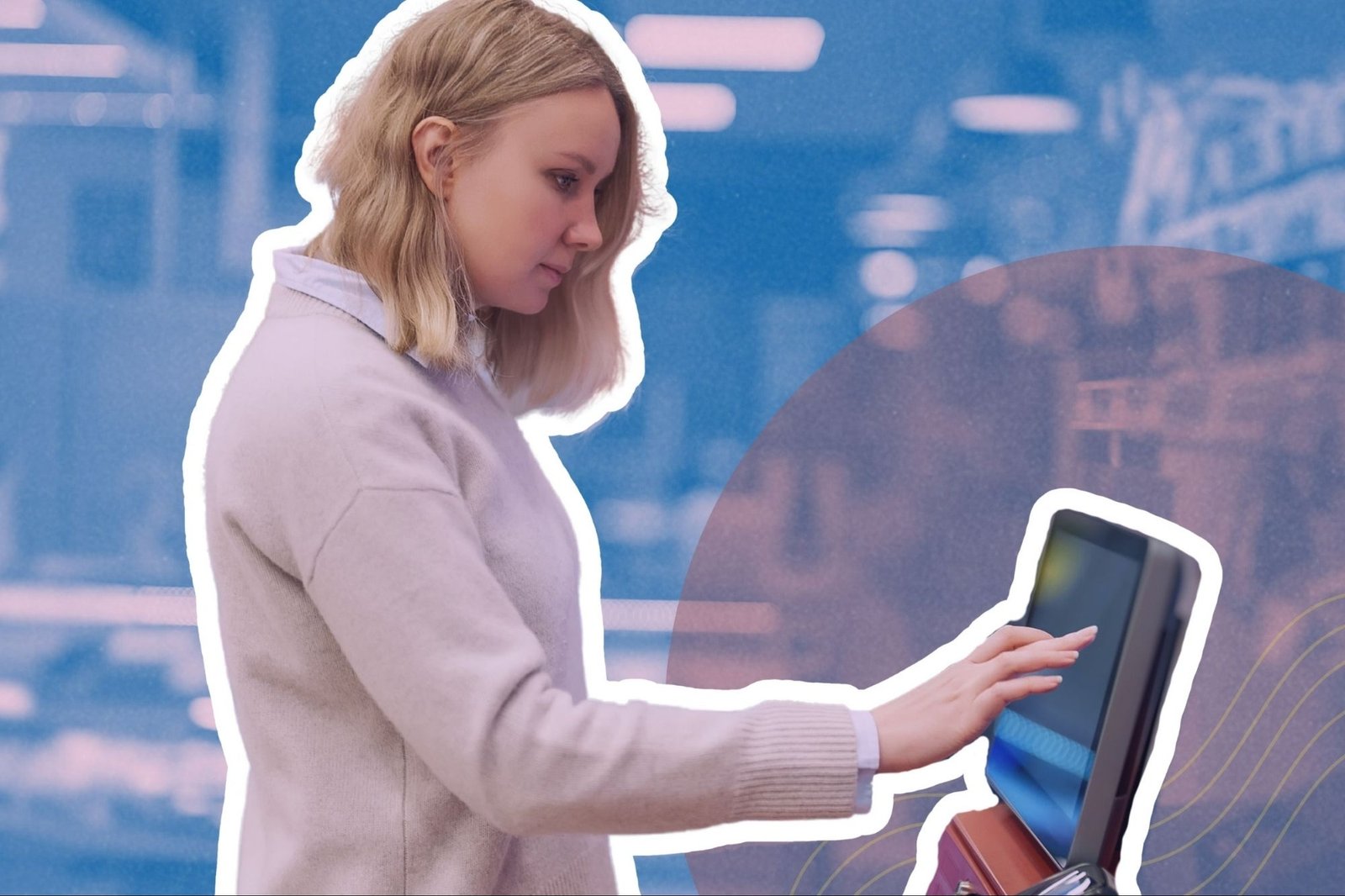
In a world where shoppers demand efficiency, checkout is an overlooked chance for brick-and-mortar retailers to set themselves apart.
For nine out of 10 consumers, a smooth checkout plays a major role in whether or not they return to a retailer. And eight out of 10 will avoid a business with a lineup, with 40% of that group either heading to a competitor or simply abandoning their purchase.
Self check-out to the rescue? Nope.
Unsurprisingly, two-thirds of consumers say they’ve used a dysfunctional self-service kiosk. Clunky tech is costing retailers money, too: 15% of shoppers admit using self-checkout to steal, and almost half of those folks plan to do it again.
A better way? I’m seeing more retailers arm their salespeople with handheld POS devices, capable of tabulating a customer’s order and even checking out, on the go. Not rocket science, but surprisingly effective.
An added advantage here: personalization. The latest tools can call up customer histories and preferences, enabling salespeople to offer additive suggestions or flag sale items… instead of just going for the hard sell. For a generation primed on online algorithms and recommendations, this feels second nature.
Shoppers’ preferences around human interaction in stores may wax and wane. One person’s friendly clerk might be another’s pushy salesperson. But ultimately, everyone — young or old — is seeking value in their in-store experience. Smart retailers know that personalization, curation and efficiency never go out of style.
