

The pace of fast-changing developments in artificial intelligence (AI) and GenAI has given rise to agentic platforms or human-like agents that can perform many day-to-day tasks. But this is only the start as these are going to be super intelligent in the near future.
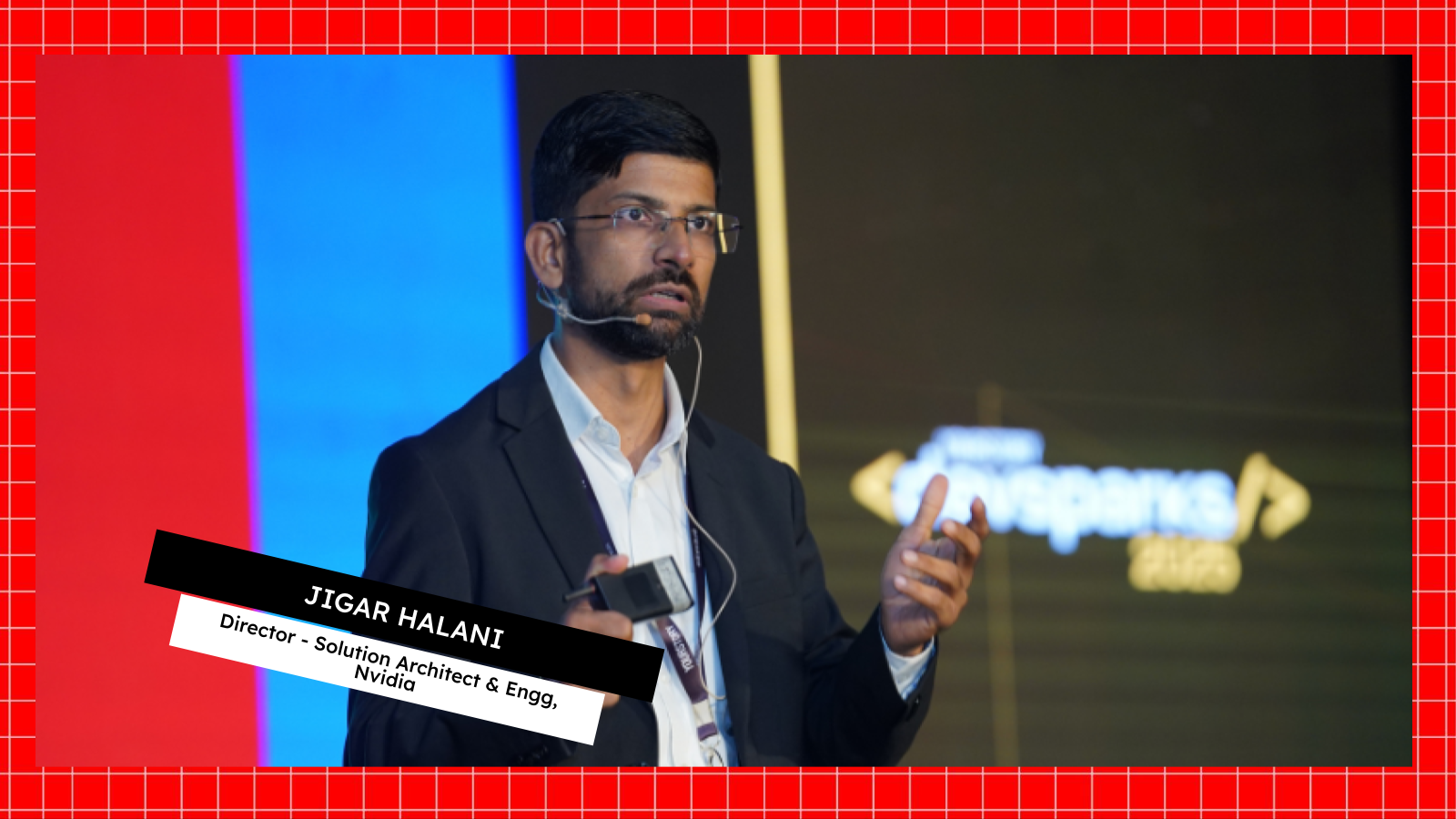
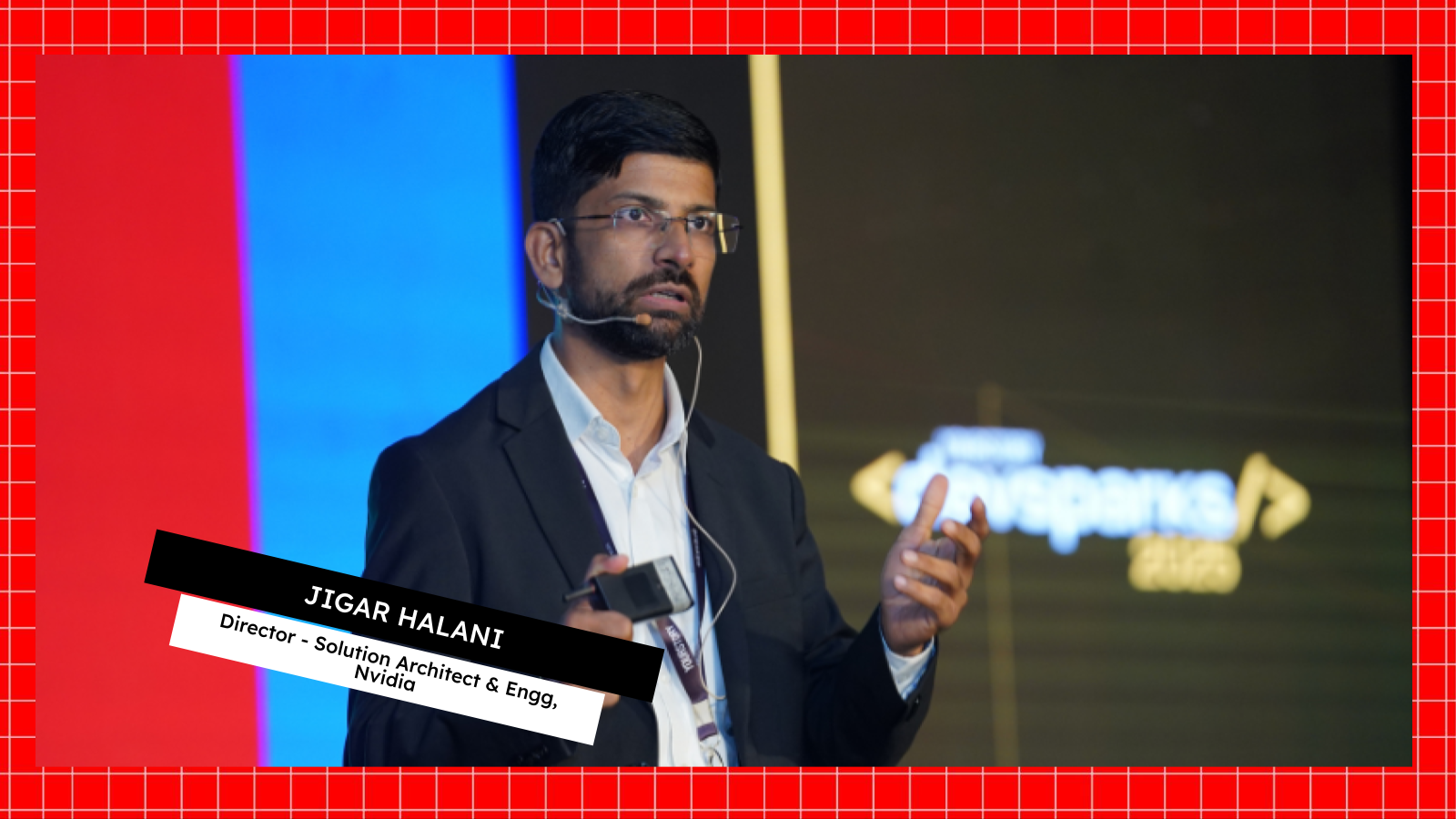
Delivering a talk at DevSparks Hyderabad 2025, YourStory’s flagship event for the developer community, on the topic Building and Deploying Scalable and Economic GenAI Solutions for All Industries, Jigar Halani, Director, Solution Architect & Engg, Nvidia, said, “Super agents will take over one day and they will do a lot of multi-tasking.”
Agentic AI is not just a buzzword for enterprises and government, it has evolved into technology platforms that are taking over routine tasks once done by humans. This shift has ushered in a certain degree of efficiency, speed, and cost savings. However, these agents today are largely focused on doing a particular task.
Halani remarked that there is a collaborative environment around Agentic AI today as there are multiple agents working in co-ordination to perform the tasks.
Since data is fundamental to building these AI agents, there are various software technologies needed before deploying these agents. This has created an environment where multiple agents work in the background in a coordinated manner to perform a single task.
Halani provided with the example of online ticket booking where users can complete the process through voice commands enabled by multiple AI agents working with each other.
Given these developments, AI agents are expected to become much more purposeful in the near future. “AI agents are going to be more realistic, affordable, and far more automotive,” Halani said.
Today AI has increased the speed of technology dissemination as one can reach out to a larger mass of people within no period of time.
Nvidia, as the leader of GPU chips and at the forefront of delivering the benefits of AI, has taken several initiatives to democratise this technology, he said. The Nvidia Nemotron platform helps developers fine tune and optimise open source models for specific use cases.
Halani also provided examples of how Nvidia’s technology is helping several citizen services activities. These include monitoring of traffic violations through AI powered cameras and checking fraud detection across various financial payments services in the country.
