

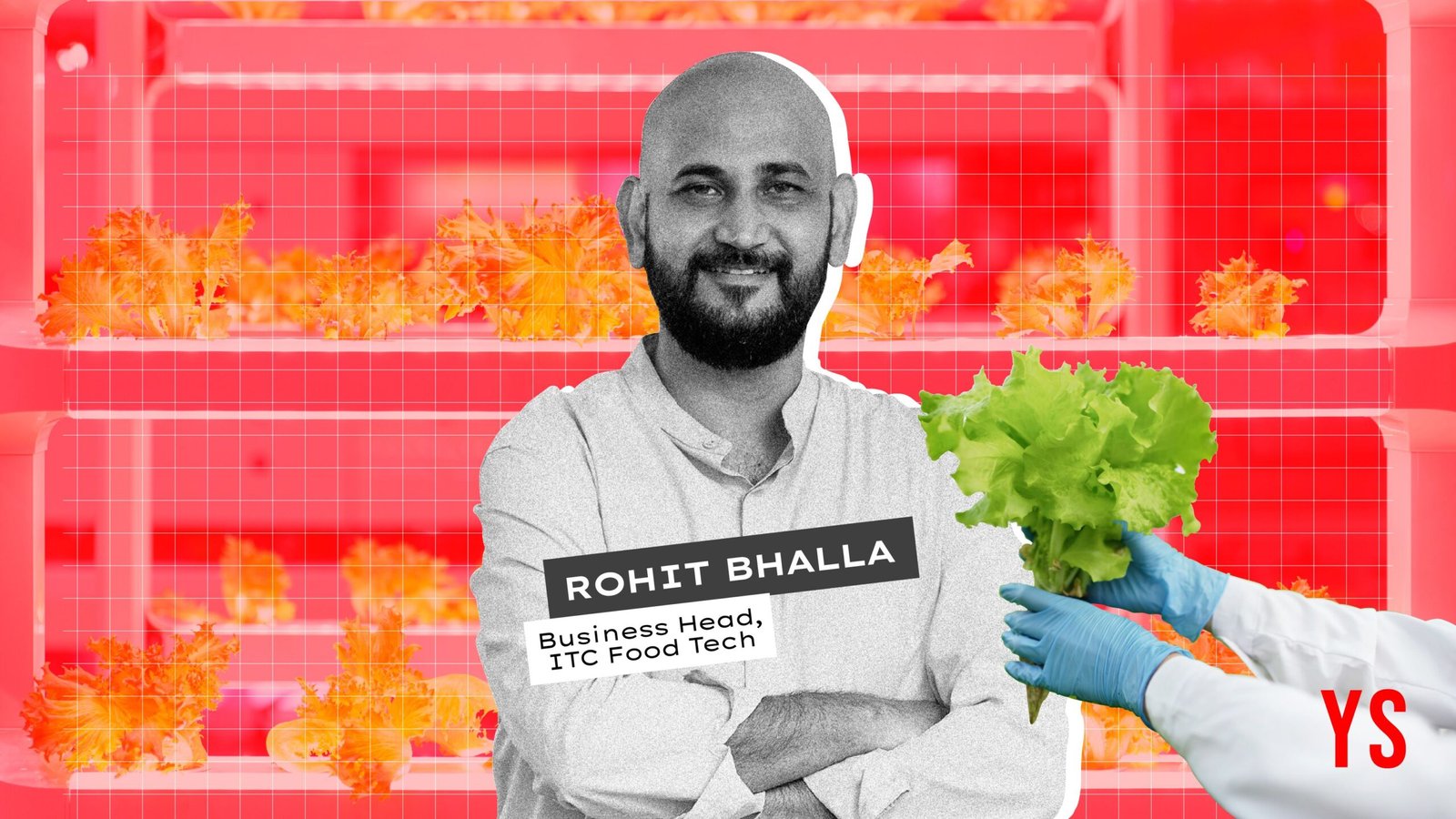
ITC—a household name for various categories, from cigarettes and shower gels to atta and cookies—has been steadily building its game plan in the fresh foods segment with ITC Food Tech.
The business—which operates like a “startup” under the ITC umbrella—primarily comprises three flagship cloud kitchen brands: Ashirvaad Soul Creations, offering homestyle vegetarian North Indian food; Sunfeast Baked Creations for baked goods; and ITC Master Chef Creations for gourmet North Indian cuisine.
About five years ago, ITC began mulling over its growth wheels for the future and set up its first cloud kitchen in Bengaluru in 2020—at a time when these kitchens were still finding their feet. Today, it has over 60 cloud kitchens across Bengaluru, Pune, Mumbai, Chennai and Hyderabad.
Recently, ITC Food Tech launched Sansho, a brand that delivers Pan-Asian gourmet offerings; the service is currently live in select pincodes of Bengaluru. The company has also announced the acquisition of Prasuma, a cloud kitchen and FMCG player in the Pan-Asian ready-to-cook and frozen food category.
Commenting on the perks of building a nimble “startup” within the fold of a legacy FMCG giant, Rohit Bhalla, Business Head – ITC Food Tech Business, says the foodtech business draws from ITC’s institutional strengths in large-scale food manufacturing, procurement, packaging, and culinary expertise, and is poised to develop a scalable model in food services.
“With ITC Hotels in our ecosystem, we have access to deep culinary expertise, particularly in Indian cuisine. Native Indian cuisines have been hard to standardise and scale across geographies, and that’s a gap we are confident we can address. That, combined with our backend capabilities, positions us to build a scalable model in food services,” he says.
In an interview to YourStory, Bhalla details ITC’s strategy in fresh foods and its measured expansion plan in the segment. He also talks about the challenges of running cloud kitchens and the strong synergies across the ITC ecosystem which the foodtech business benefits from.
Edited excerpts:
YS: Why did ITC decide to venture into the fresh foods segment with delivery and cloud kitchens?
RB: The supply side of the food delivery and cloud kitchen industry is extremely fragmented with less than 1 to 2% of the players going beyond the Rs 500-crore mark. This means that pan-India operation and scalability has always been a challenge on the supply side. This is where we believe our institutional strengths give us an edge, both on the culinary side and in large-scale food manufacturing.
YS: What are the advantages of being part of the ITC ecosystem? What edge does it give you over a standalone cloud‑kitchen brand?
RB: There are strong synergies across the ITC ecosystem to do this kind of a business.
When you are in a delivery-first model, you don’t have a direct consumer touchpoint. Therefore, building brands and getting that trust—that the food is coming from a safe place—is a challenge. There is hygiene, there is food quality assurance. The trust factor comes strongly with the ITC brand equity.
On the business side, there are lots of synergies on procurement. We tap into the larger procurement engine of the foods business, which gives us economies of scale.
We do lots of innovations in our packaging by tapping into the packaging business of ITC to craft eco-friendly sustainable packaging, while maintaining the functional aspects, at minimal cost.
YS: What was the rationale behind using your FMCG brand names ‘Sunfeast’ and ‘Aashirvaad’ for your cloud kitchen brands too?
RB: We had made a conscious choice from the beginning to take existing FMCG brands like Sunfeast, ITC Master Chef, and Aashirvaad and leverage their equity to build a fresher portfolio. This brand equity creates strong synergy for us. There is already an initial level of trust with the consumer, which makes brand building relatively easier compared to launching a new cloud kitchen brand with no recall.
This synergy is two-way. It’s not just about taking the FMCG brand into a fresh format. For example, Sunfeast is popularly known as a cookies brand. When it evolves into a larger bakery brand, it also adds back to the equity of the original brand. Experiential bakery products are now reaching consumers under the Sunfeast umbrella, and we are seeing that this gives Sunfeast a segue into a broader portfolio.
Some of this is already visible. Sunfeast Baked Creations is also transferring its brand loyalty into fresher products in retail.
YS: What is the distinct value proposition for your cloud kitchen brands? Isn’t there an overlap?
RB: We define distinct food missions for each of our brands, and each has a unique value proposition.
We wanted to target North Indian cuisine through two brands, ITC Master Chef Creations and Aashirvaad Soul Creations, both positioned very differently.
ITC Master Chef Creations is premium, authentic, indulgent North Indian food featuring dal makhani, butter chicken, kebabs, etc. It’s an authentically crafted, indulgent menu positioned at the premium end of the market. This is not a high-frequency brand; it’s more of a gourmet celebration brand.
Aashirvaad Soul Creations, on the other hand, is crafted for young working professionals and designed for daily food consumption. It is aimed at consumers seeking wholesome, nutritious meals without daily cooking. The menu follows homestyle preparation methods, using slow cooking, high-quality ingredients, and preserving nutritional value, with offerings such as khichdi, rajma chawal, kadhi chawal, and thalis with phulka, steamed rice, and curries. It’s a high-frequency, pure vegetarian, relatively affordable, homestyle brand.
YS: Is it more affordable compared to Master Chef?
RB: Yes, because we want it to be high frequency and encourage consumers to eat from Aashirvaad Soul Creations daily. It’s far more affordable. To give you a broad sense, the average order value for ITC Master Chef Creations is around Rs 900 for two people. For Aashirvaad Soul Creations, it’s around Rs 400–Rs 450 for two people.
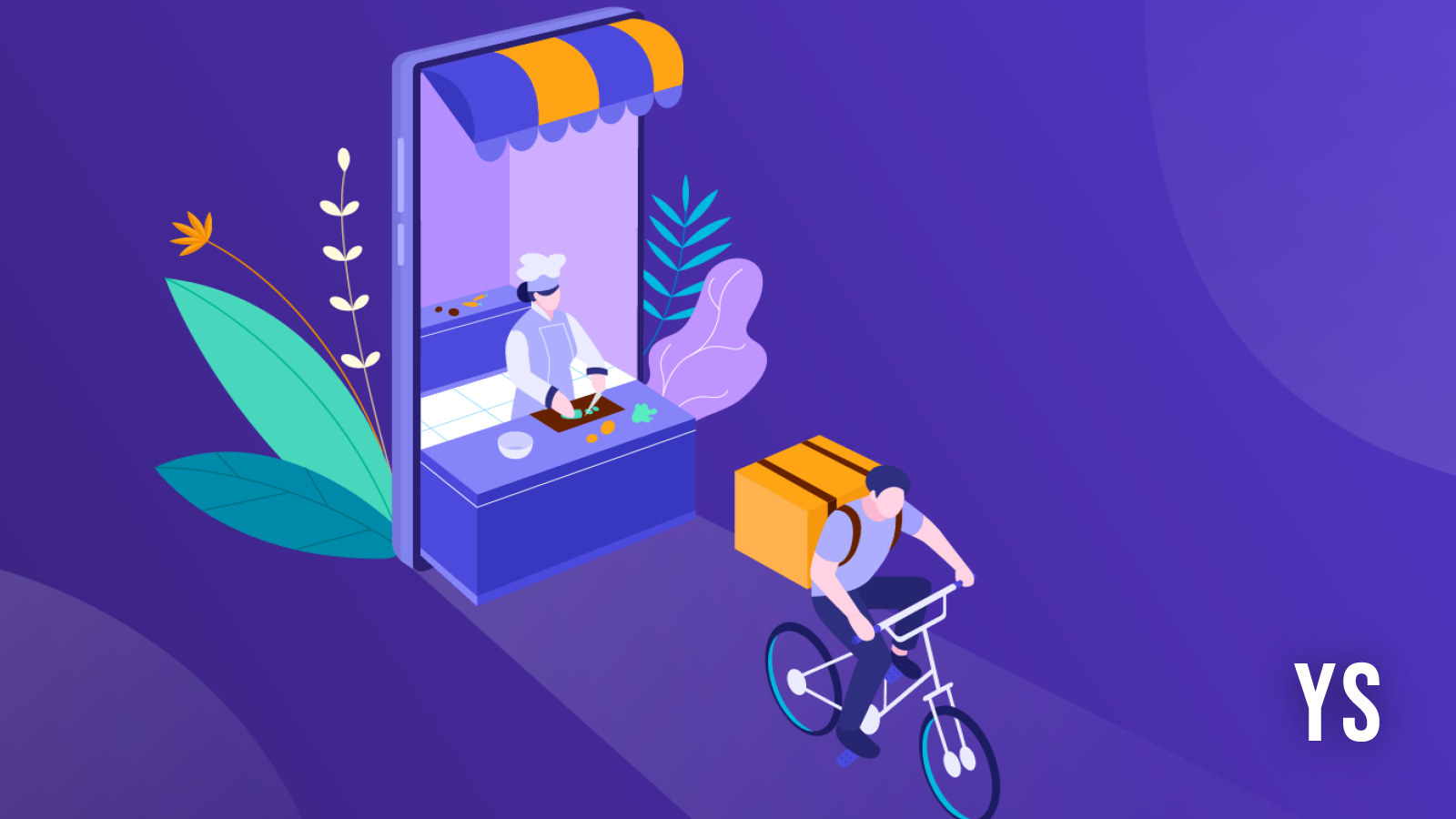
<figure class="image embed" contenteditable="false" data-id="579075" data-url="https://images.yourstory.com/cs/2/c5c652a0fb5a11eca125d7821ea2fbc4/PPTTemplates-1755325463303.png" data-alt="cloud kitchen" data-caption="
ITC Food Tech—which operates like a “startup” under the ITC umbrella—primarily comprises three flagship cloud kitchen brands: Ashirvaad Soul Creations, offering homestyle vegetarian North Indian food; Sunfeast Baked Creations for baked goods; and ITC Master Chef Creations for gourmet North Indian cuisine.
” align=”center”> ITC Food Tech—which operates like a “startup” under the ITC umbrella—primarily comprises three flagship cloud kitchen brands: Ashirvaad Soul Creations, offering homestyle vegetarian North Indian food; Sunfeast Baked Creations for baked goods; and ITC Master Chef Creations for gourmet North Indian cuisine.
YS: Are your three cloud kitchen brands housed under the same kitchen setup?
RB: It’s a house-of-brands strategy. Wherever possible, we use the same kitchen infrastructure and processes. Bakery, for example, is separate because it requires a different setup. If a new cuisine needs fundamentally different kitchen capabilities, we separate it out. But in most cases, the infrastructure is shared.
YS: You operate entirely on Swiggy and Zomato. Does dependence on just two platforms worry you?
RB: I don’t see it as over-reliance. Swiggy and Zomato have played a major role in building this industry, and they specialise in what they do. We specialise in food creation. Fundamentally, we are food creators who want to deliver high-quality food to consumers. They serve as a channel and partner to help us do that.
Once we have built our offerings, we want to reach consumers wherever they are. So, an omnichannel strategy is a natural evolution. We’ve already begun pilots in this direction. Swiggy and Zomato will continue to be our core convenience delivery channel, but we’re also tapping into other formats.
.thumbnailWrapper{
width:6.62rem !important;
}
.alsoReadTitleImage{
min-width: 81px !important;
min-height: 81px !important;
}
.alsoReadMainTitleText{
font-size: 14px !important;
line-height: 20px !important;
}
.alsoReadHeadText{
font-size: 24px !important;
line-height: 20px !important;
}
}

YS: Many cloud kitchens are now trying offline formats and other touchpoints. What is your strategy?
RB: Once food delivery is in place, I would want to reach my consumer, wherever my consumer is. Therefore, an omni-channel strategy is a given, and we will evolve into it. There are already some pilots happening around it.
For instance, many corporates have in-house food courts, where the quality is often suboptimal, typically handled by local vendors at very low price points. Aashirvaad is gaining traction in this space. We are currently piloting Aashirvaad Soul Creations thalis in five corporate food courts in Bengaluru.
We’re also experimenting with a café format for Sunfeast Baked Creations. Dine-in is not going to be a major part of our model, but bakery as a category benefits from an experiential touchpoint, which cafés can provide.
YS: Scaling to 60 kitchens over five years is measured growth for a cloud kitchen business. Why did you decide not to scale faster, especially after getting the proof of concept?
RB: Our growth has been deliberate because the focus from the start was on getting the consumer experience right before chasing scale. Delivery is operationally complex—you have to ensure freshness, consistency, and hygiene across every order. We also invested time in building our own tech stack, understanding platform algorithms, and setting up real-time monitoring systems for kitchens.
Another challenge is employee attrition, which can be high in this industry. When you are operating in the gourmet or premium cuisine space, the skill level required is higher, and replacing trained staff quickly without impacting quality is not easy.
For us, scaling without first solving these operational and people challenges would have compromised the brand experience.
We started in Bengaluru in 2020, and for the first three years we limited ourselves to this city to crack this business. We plan to close the year with over 80 kitchens, and will be adding Delhi.
Edited by Swetha Kannan
