

Launched in 2014, PhotoSparks is a weekly feature from YourStory, with photographs that celebrate the spirit of creativity and innovation. In the earlier 900 posts, we featured an art festival, cartoon gallery. world music festival, telecom expo, millets fair, climate change expo, wildlife conference, startup festival, Diwali rangoli, and jazz festival.
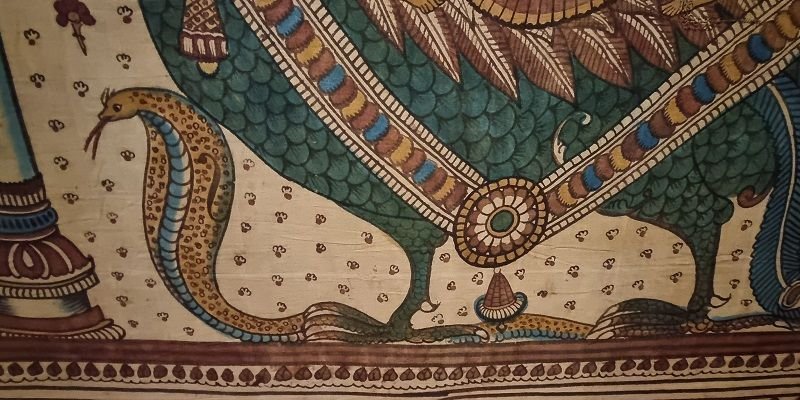
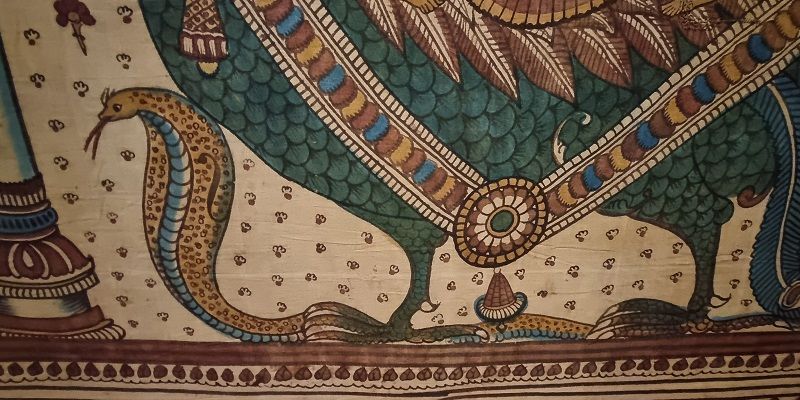
While the upcoming festive season in India prominently features deities, it also helps to pay attention to those who accompany them or are featured in the margins. These include divine helpers, wondrous animals, and mythical beings.
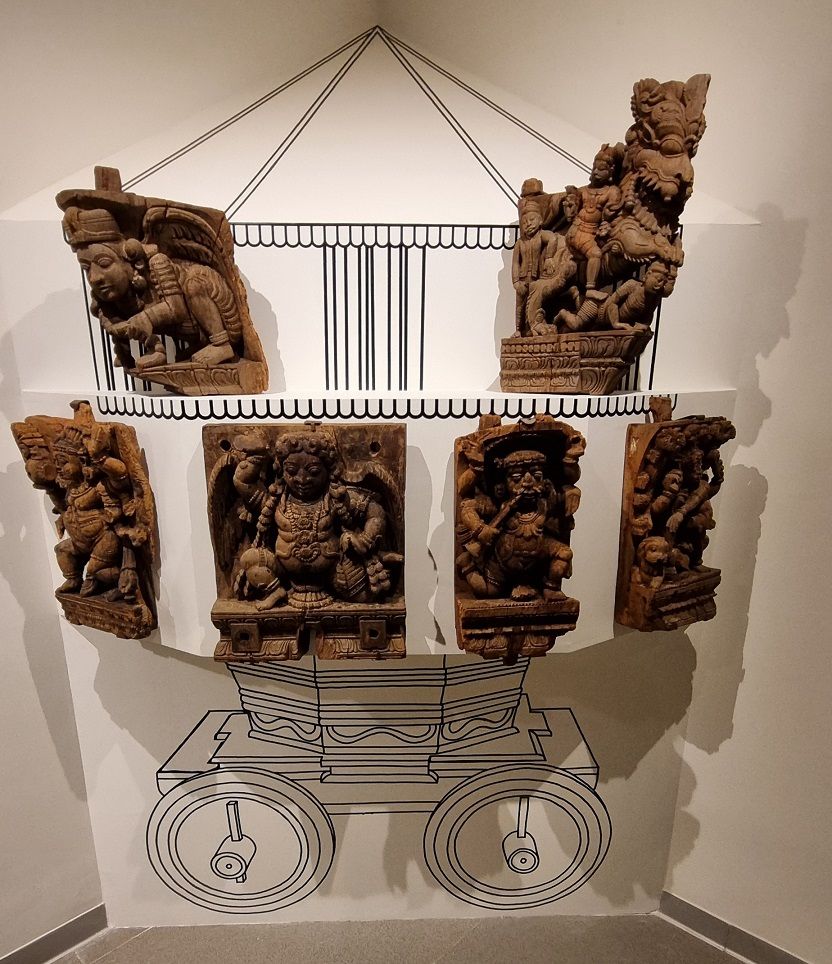
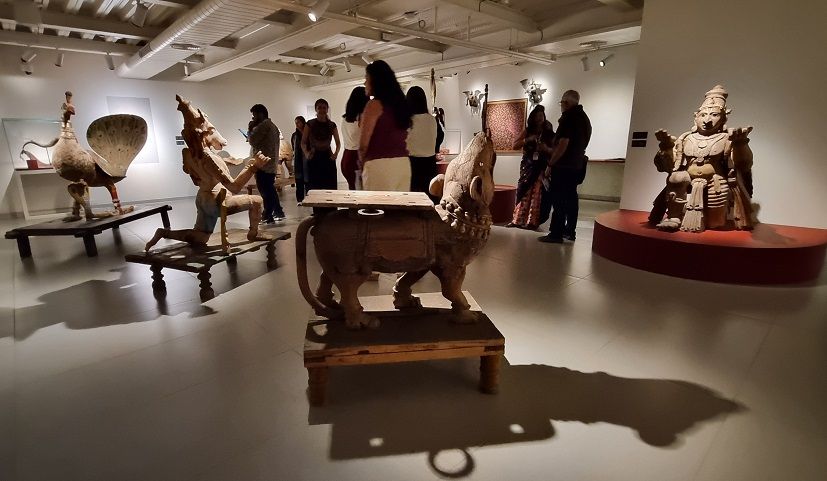
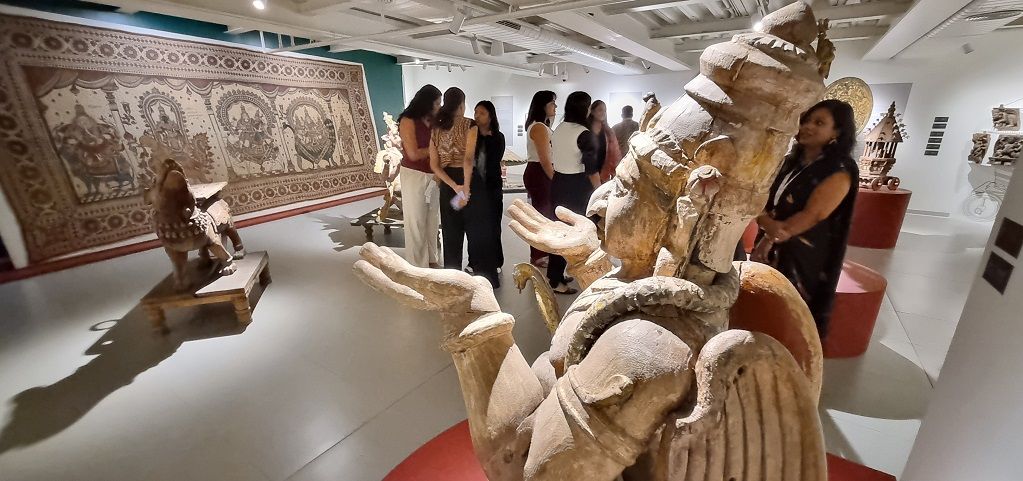
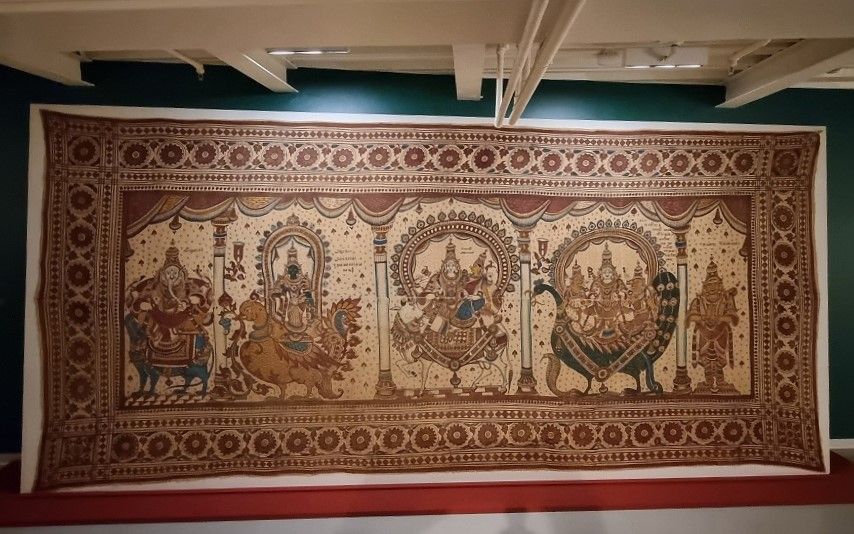
This week, the Museum of Art & Photography (MAP) in Bengaluru has unveiled a thought-provoking exhibition featuring sculptures, textiles, brass figurines, paintings, chariots, and wooden artefacts. They showcase the oft-ignored celestial beings who accompany deities, but are now the centrepiece of the exhibition.
.thumbnailWrapper{
width:6.62rem !important;
}
.alsoReadTitleImage{
min-width: 81px !important;
min-height: 81px !important;
}
.alsoReadMainTitleText{
font-size: 14px !important;
line-height: 20px !important;
}
.alsoReadHeadText{
font-size: 24px !important;
line-height: 20px !important;
}
}

Launched for public viewing in 2023, MAP aims to makes art accessible and engaging for everyone through creative displays and interactive features. These include the multimedia gallery and the digital museum.
Titled In Celestial Company, the current exhibition will run for six months (see our coverage of earlier exhibitions here). Curator Priya Chauhan and her team have drawn from MAP’s extensive collection of over 100,000 artefacts for this exhibition.
“Most art viewers tend to focus on the centre of the artwork or the main character in the cultural artefact, and not on the borders or on the smaller figures. This exhibition aims to subvert that gaze,” Chauhan tells YourStory.
.thumbnailWrapper{
width:6.62rem !important;
}
.alsoReadTitleImage{
min-width: 81px !important;
min-height: 81px !important;
}
.alsoReadMainTitleText{
font-size: 14px !important;
line-height: 20px !important;
}
.alsoReadHeadText{
font-size: 24px !important;
line-height: 20px !important;
}
}

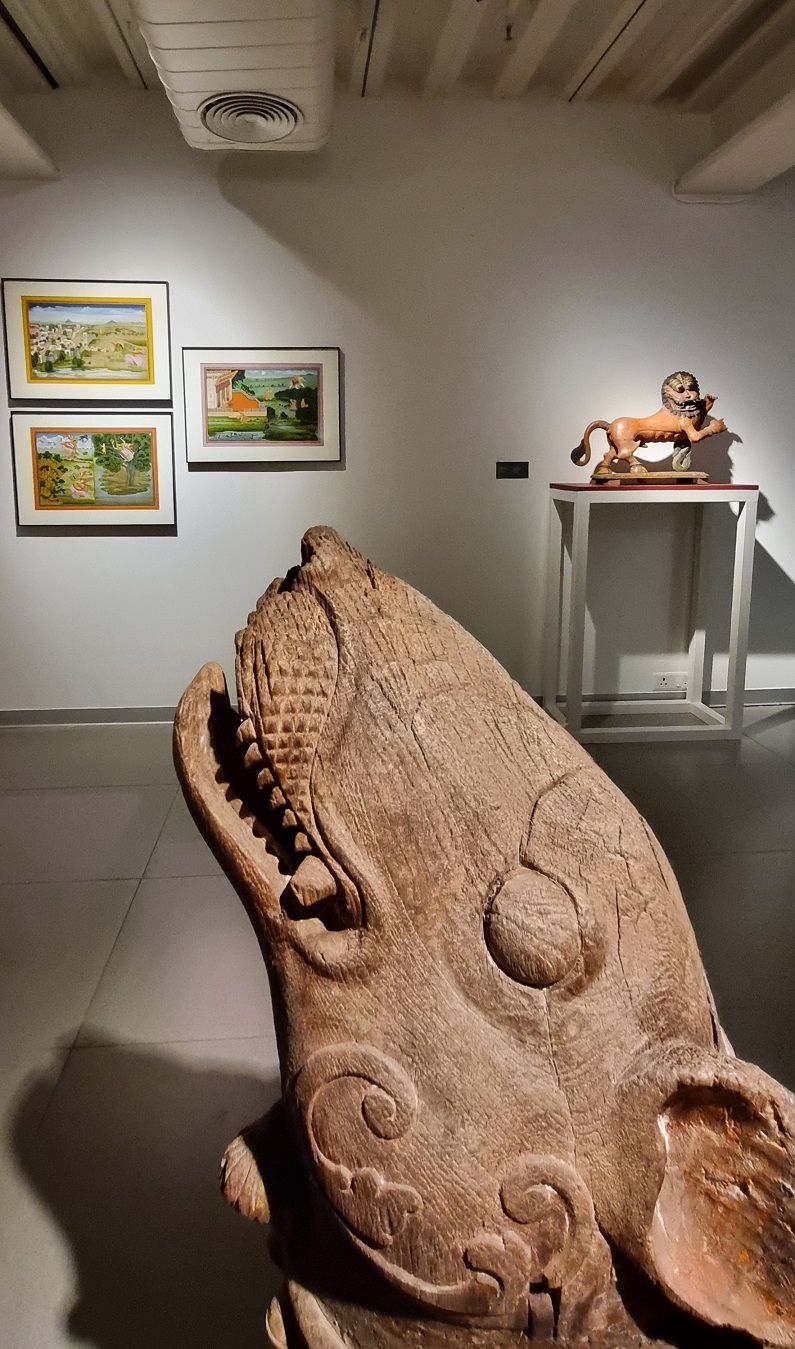
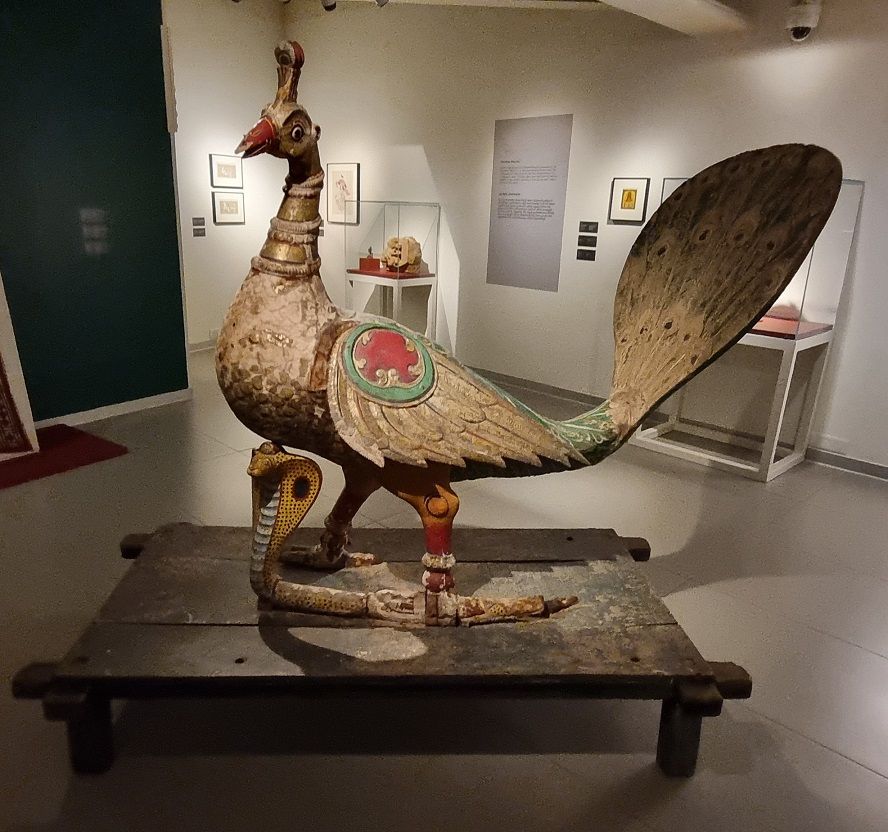
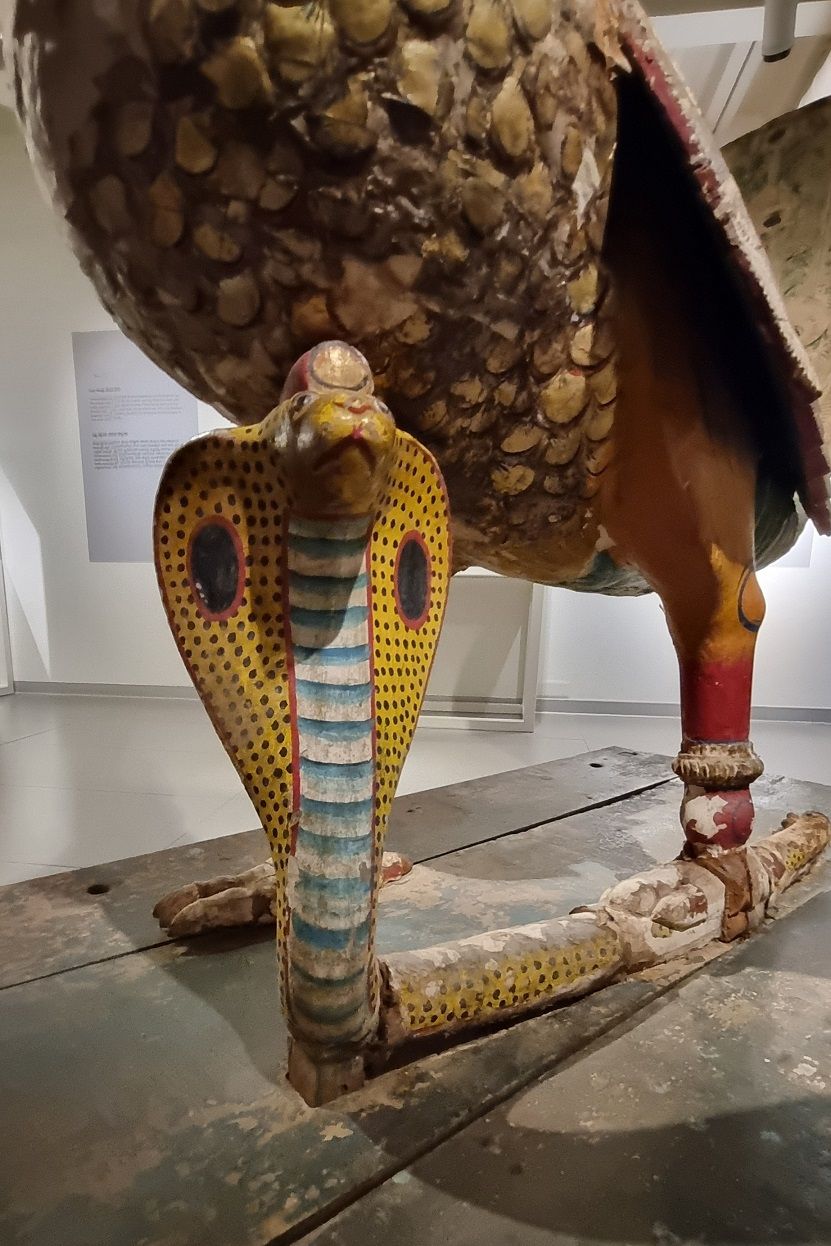
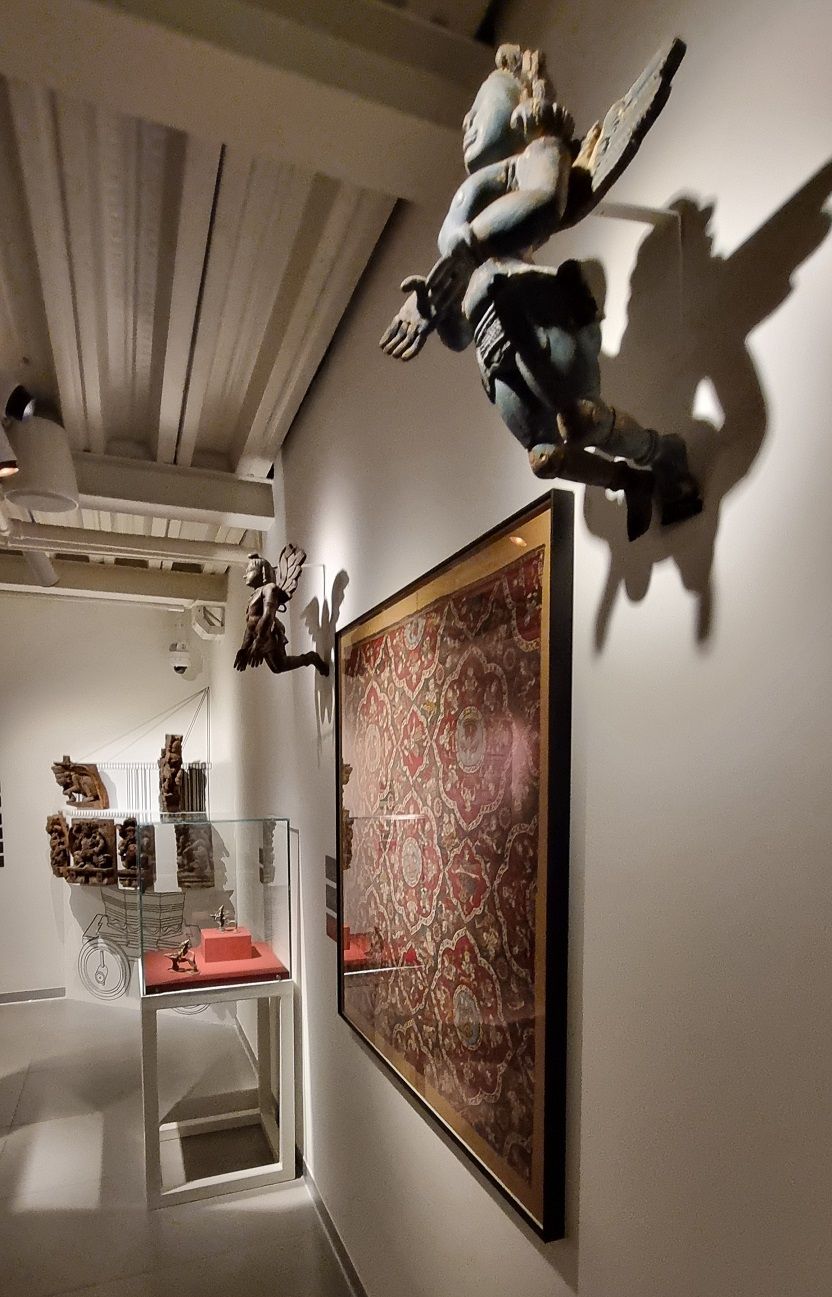
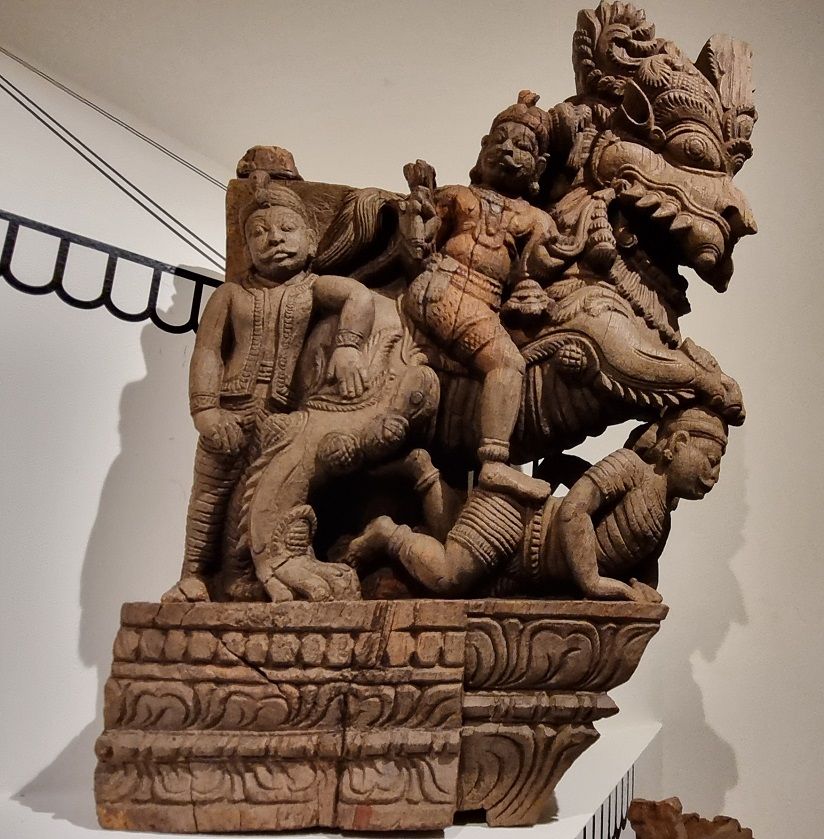
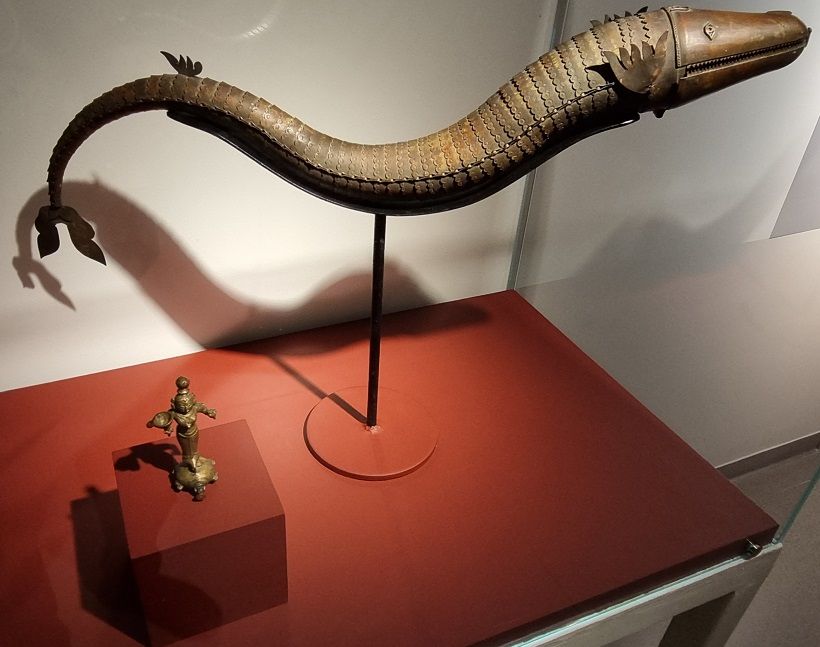
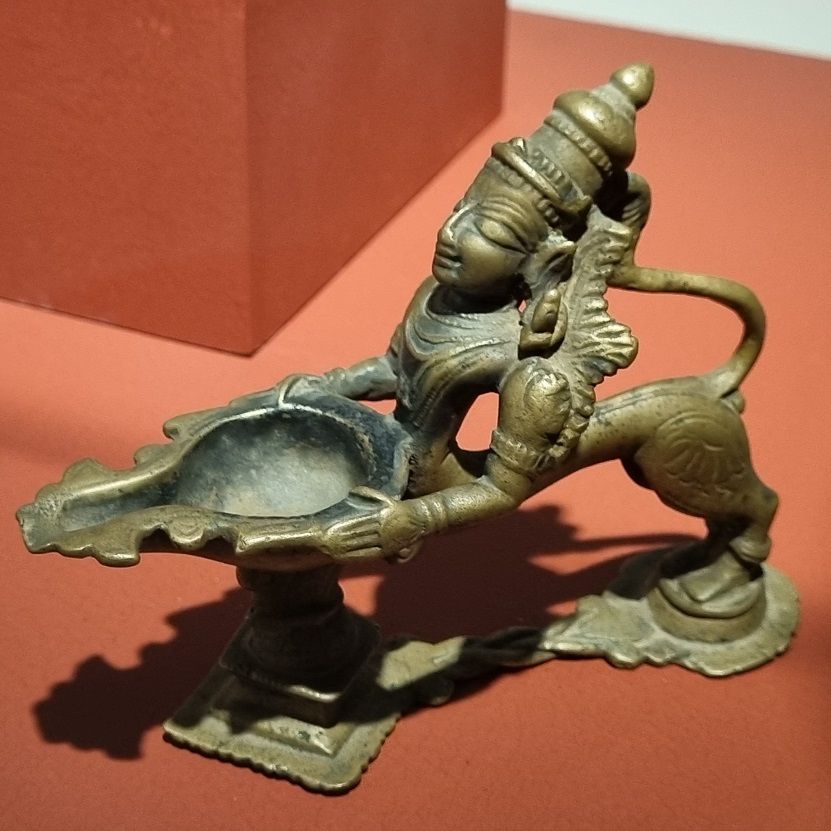
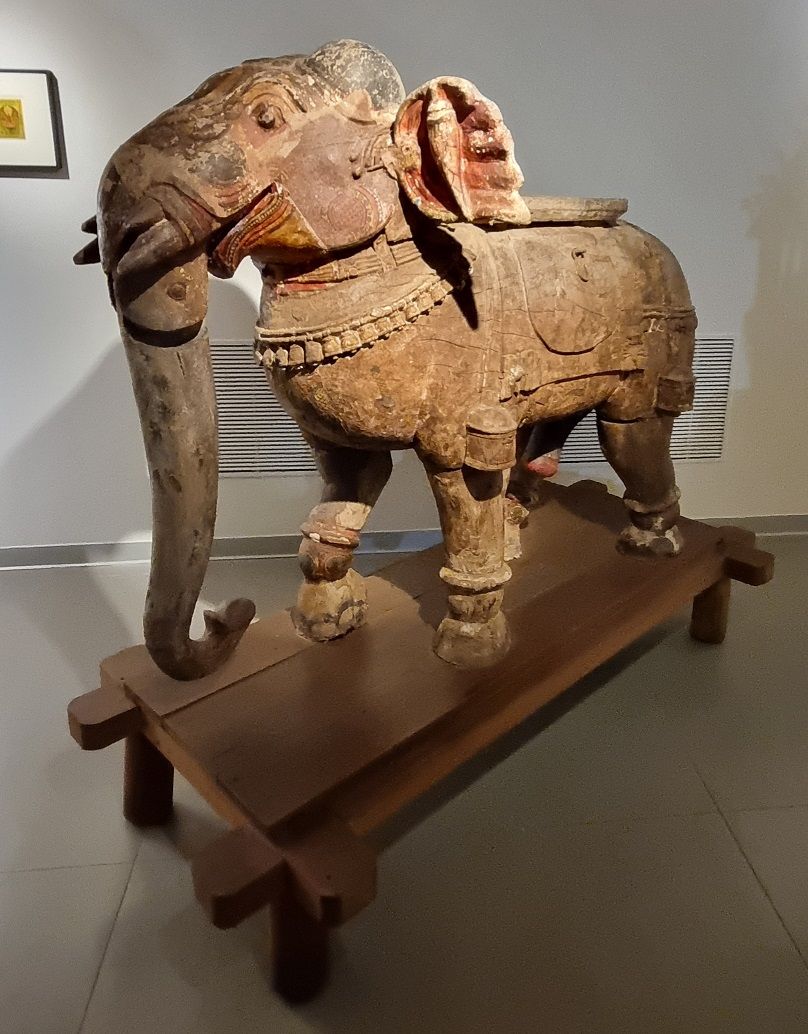
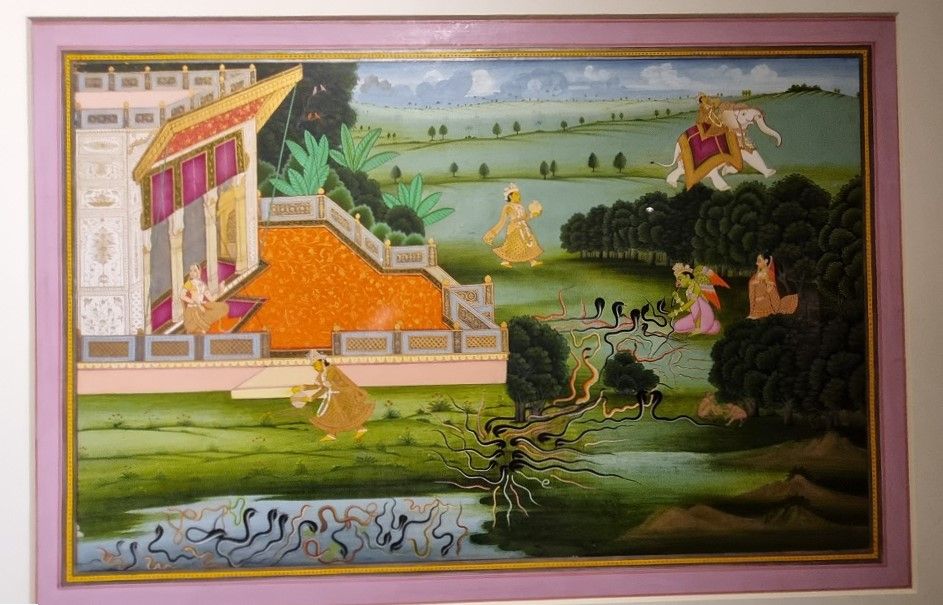
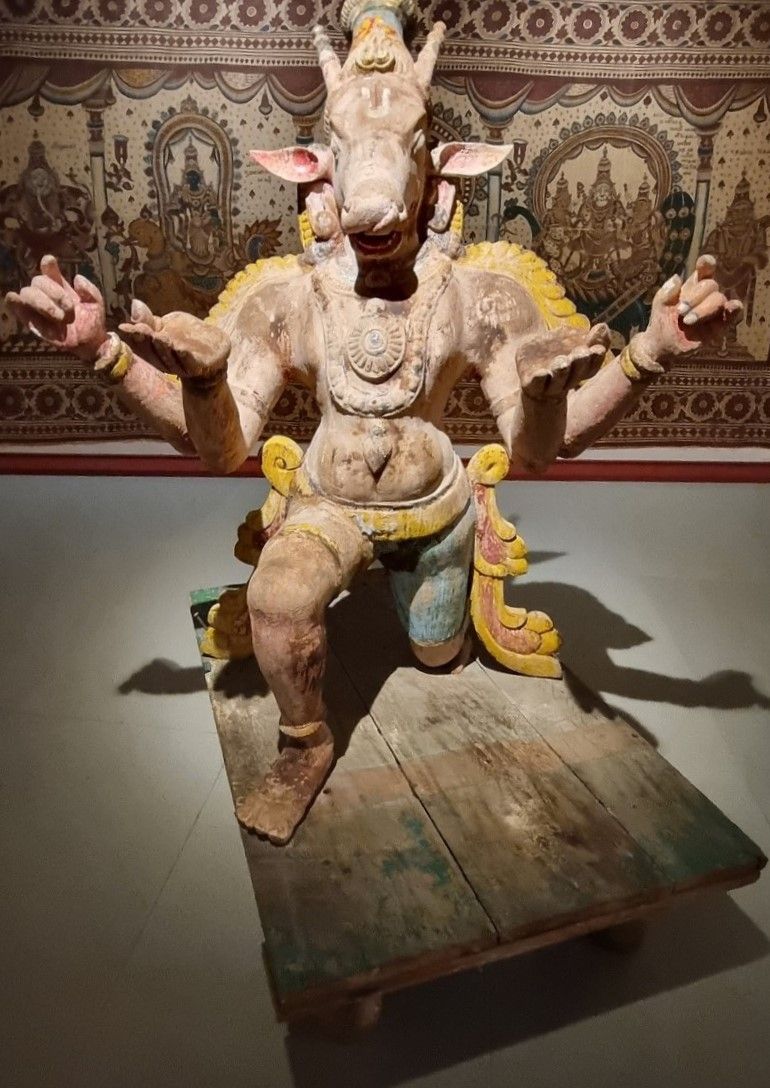
Indian mythological traditions are prominently featured, with installations and models of Garuda, Mooshika, Nandi, Airavata, and Makara. Other figures include the Apsaras, Ganas, Gandharvas, and Kinnars.
Such symbols appear across cultural and religious traditions across the world, as shown in colonial-era artefacts with angels in artworks from Pondicherry. They reflect the cross-cultural influences that have shaped the narrative.
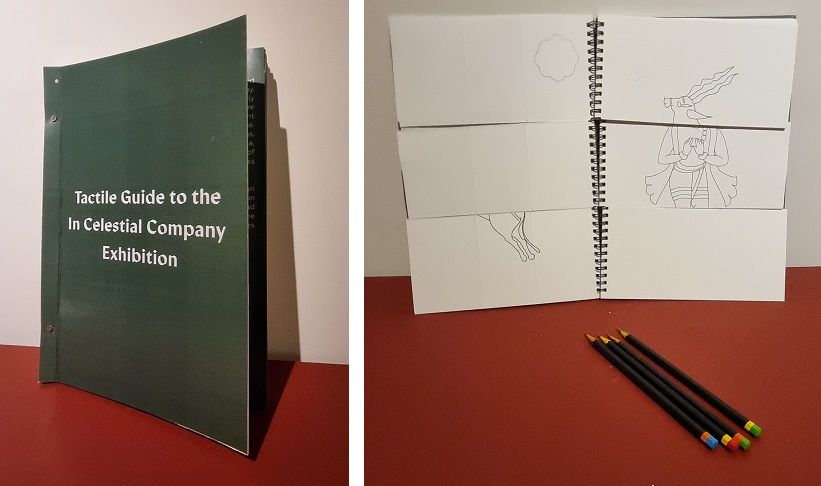
There is also an informative brochure explaining the stories, symbolism and transformative journeys of these hybrid figures. Visitors with visual disabilities can experience the exhibition through a tactile book that represents the artworks, their layout of the gallery, and the descriptions in Braille.
.thumbnailWrapper{
width:6.62rem !important;
}
.alsoReadTitleImage{
min-width: 81px !important;
min-height: 81px !important;
}
.alsoReadMainTitleText{
font-size: 14px !important;
line-height: 20px !important;
}
.alsoReadHeadText{
font-size: 24px !important;
line-height: 20px !important;
}
}

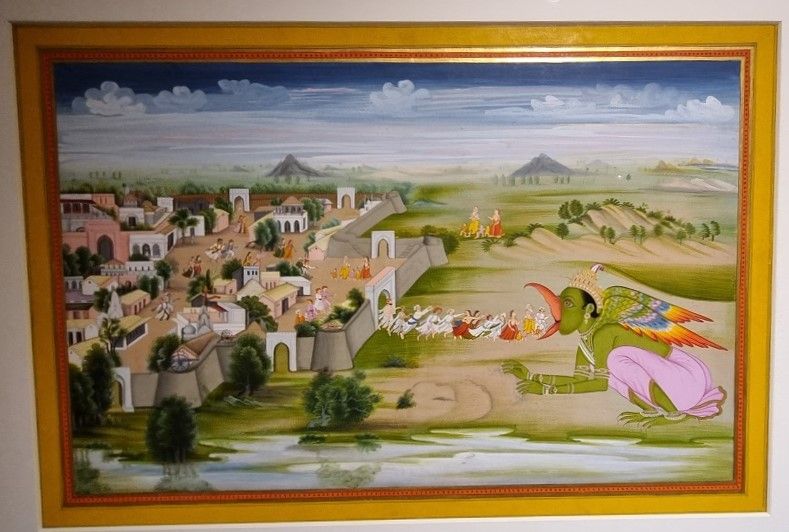
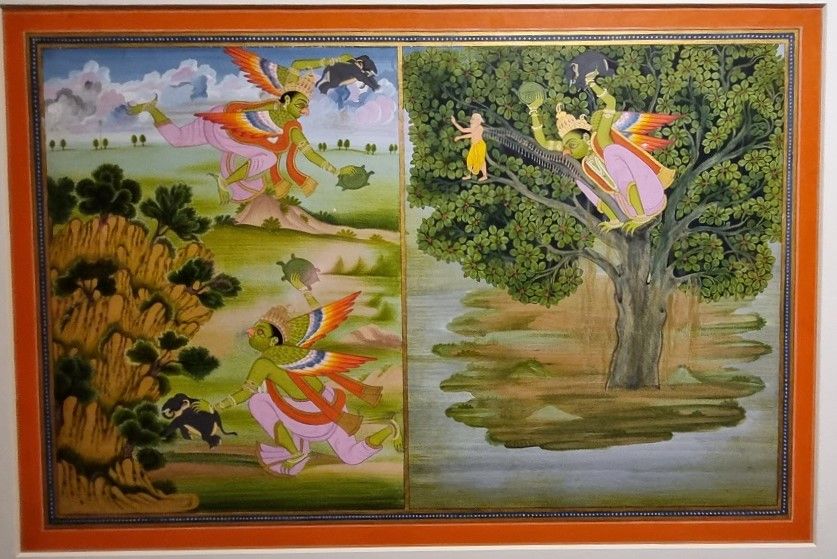
Most of the exhibits are from Tamil Nadu, Rajasthan, Odisha, Bengal, Gujarat, and Karnataka. The ground floor has an immersive multimedia booth, with a 360-degree storytelling experience of Garuda and his adventures.
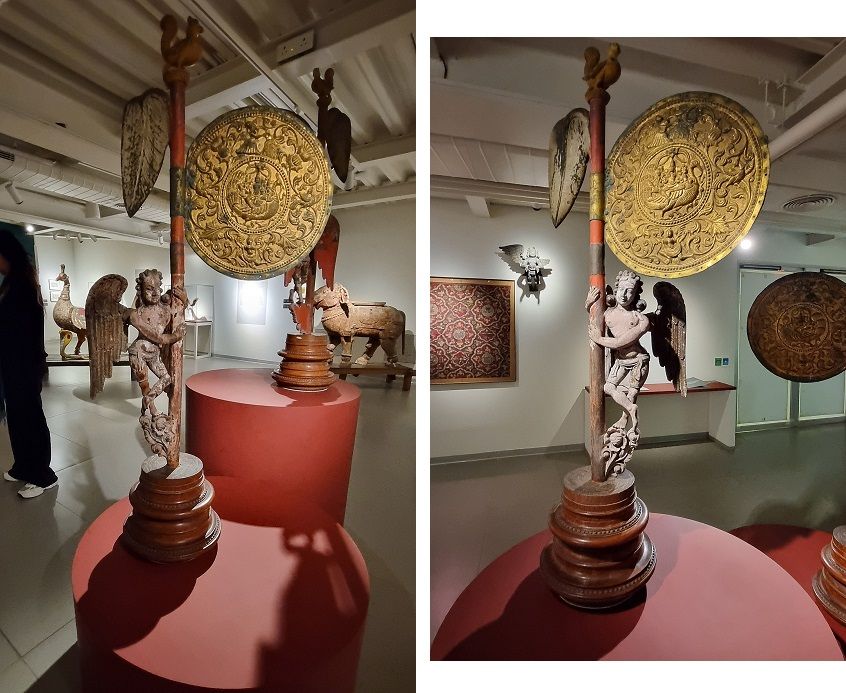
Exhibits which are around 100-150 years old include wooden figures of Garuda, whose courage and loyalty earned him immortality and a place by Vishnu’s side. Garuda is worshipped in Thailand and Indonesia as well.
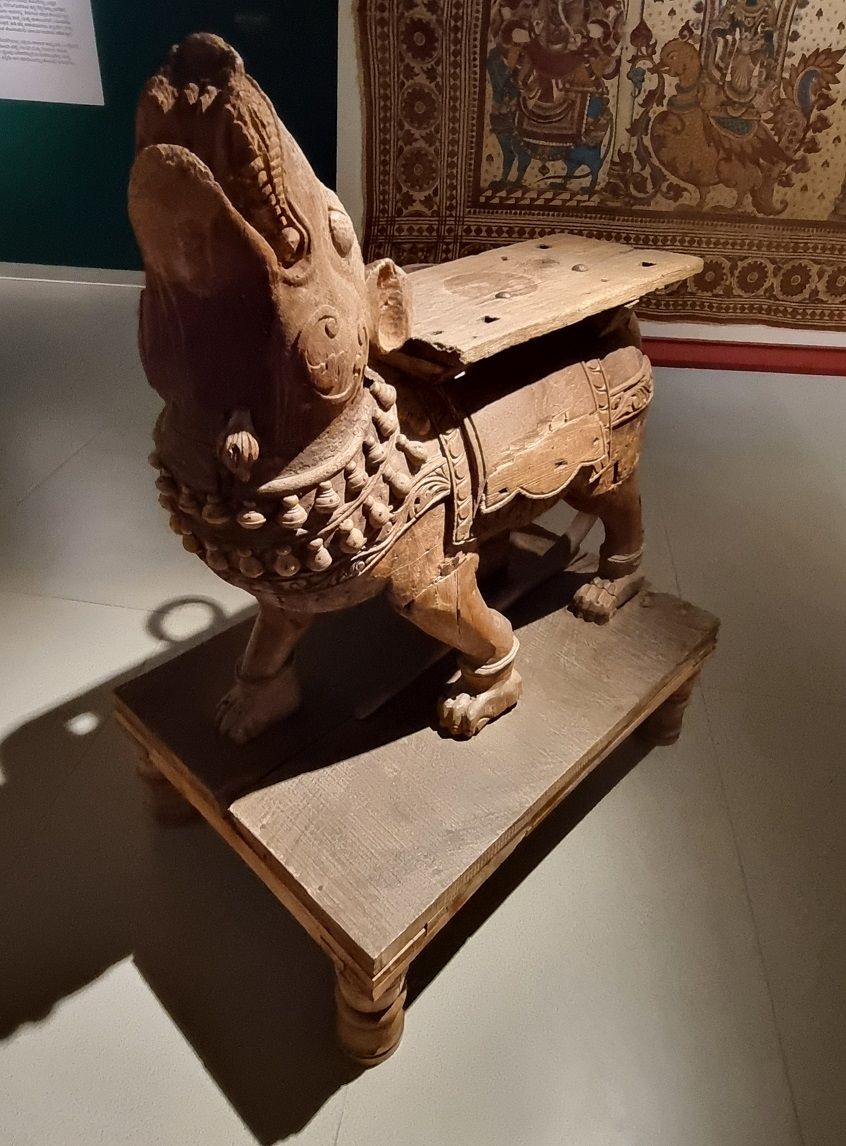
The exhibition includes figures of Kurma, the turtle on whom Yamuna stands; Mooshika, Ganesha’s mount; and a chariot with Vahanas such as bulls and elehphants that carry the god’s power. In Hindu mythology, dogs are more than companions – they have served as guards to the afterlife for Yama, and a tester of loyalty for Yudishthira.
.thumbnailWrapper{
width:6.62rem !important;
}
.alsoReadTitleImage{
min-width: 81px !important;
min-height: 81px !important;
}
.alsoReadMainTitleText{
font-size: 14px !important;
line-height: 20px !important;
}
.alsoReadHeadText{
font-size: 24px !important;
line-height: 20px !important;
}
}
Other mythical animals have hybrid form, such as Airavata, the winged elephant of Indra; Somnandi, the hybrid lion-tiger mount of Durga; Kinnaras, half-human half-bird; and Makara, part crocodile, fish and elephant.
By the end of the exhibition, viewers will learn to how to look for and appreciate these celestial companions, and the role they play in supporting the central narrative. From procession participants to mobility assistants, the exhibition showcases dozens of such characters.
Now what have you done today to pause in your busy schedule and harness your creative side for a better world?
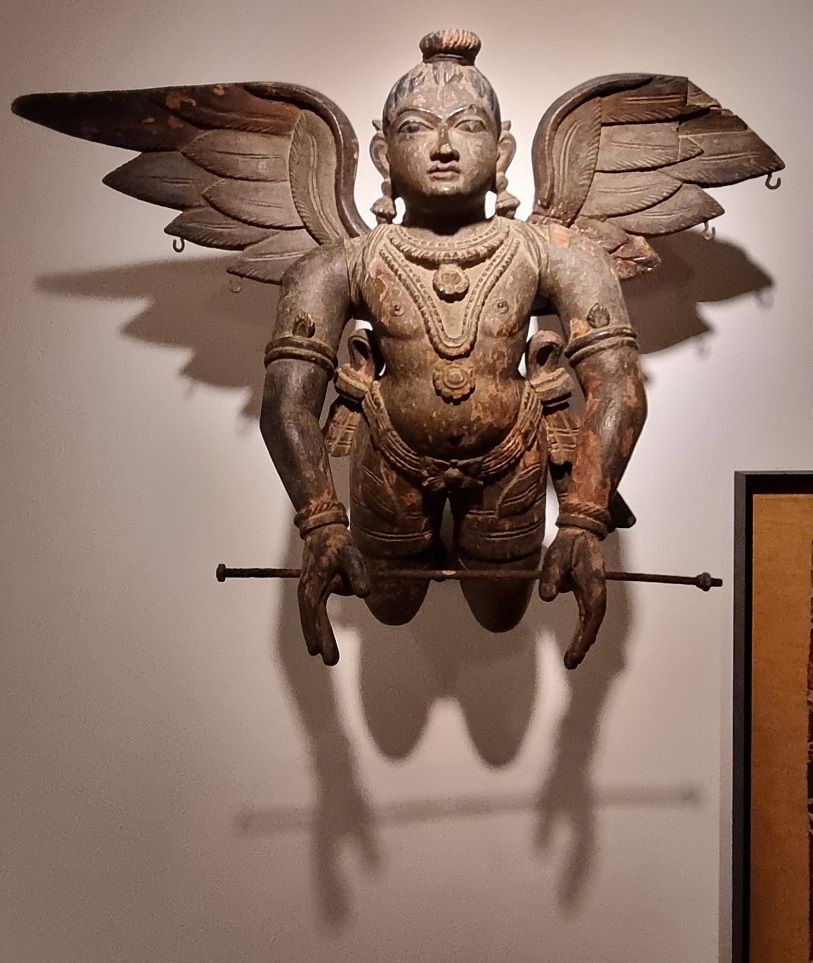
(All exhibition photographs taken by Madanmohan Rao on location at MAP.)
