

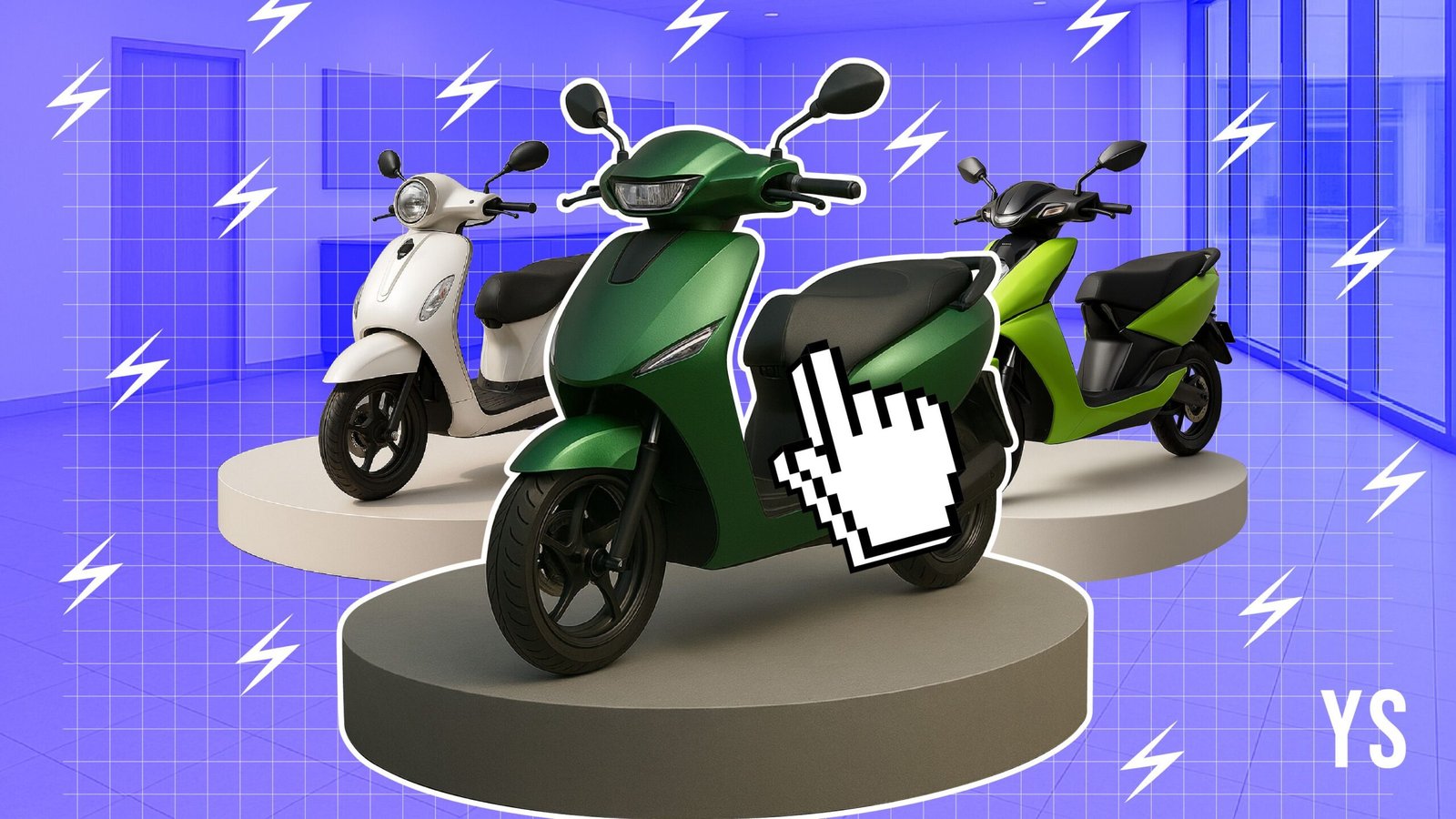
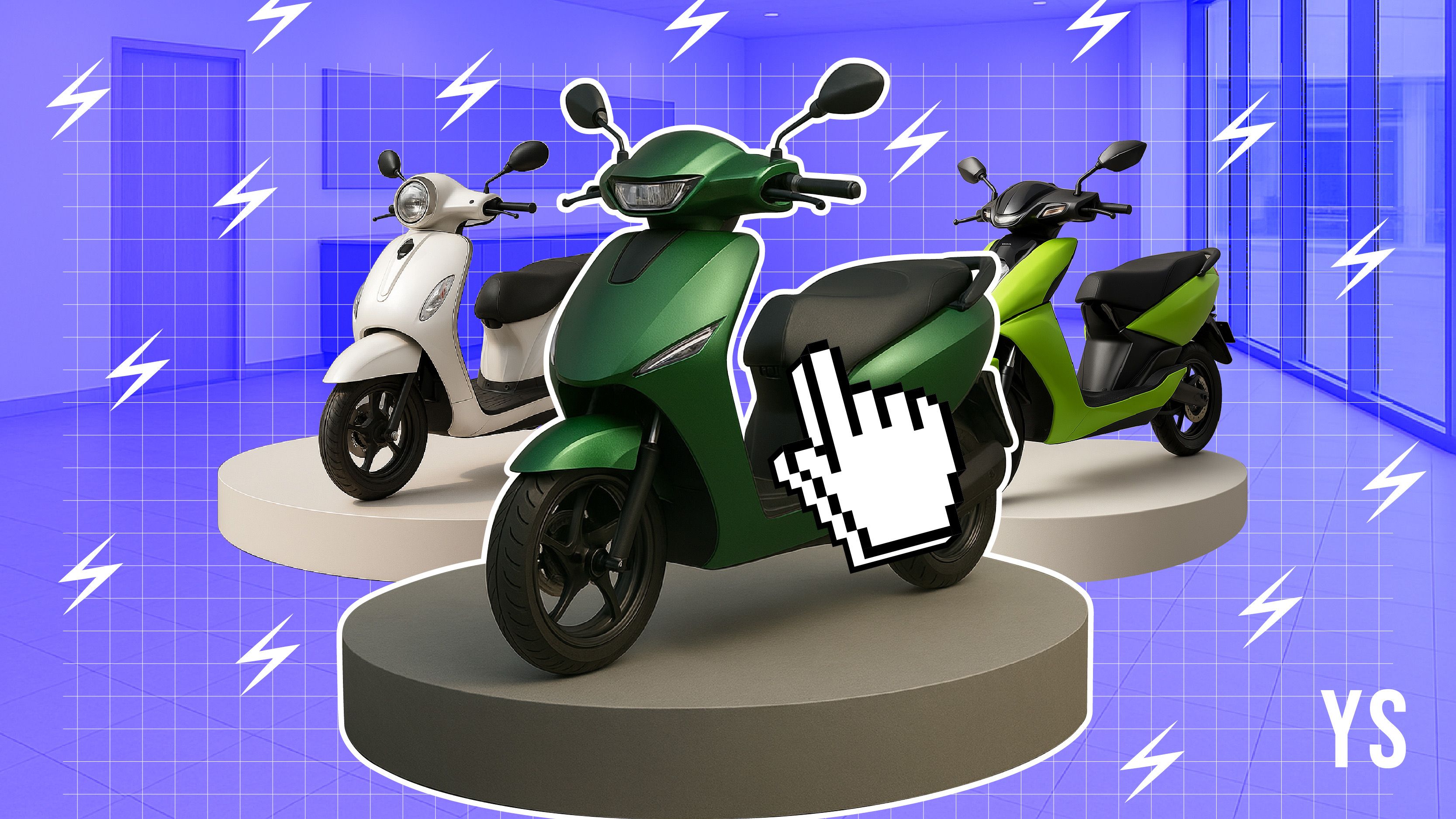
Adoption of electric two-wheelers is on the rise among Indian consumers—be it for quick errands or wading through city traffic to get to work. Interestingly, consumers are not making electric vehicle (EV) purchases based on cost alone.
Over the last few years, consumers have moved from low-cost vehicles to sturdier, mid-priced EVs with better features and performance, and manufacturers are taking note of this shift by focusing on building sturdier vehicles rather than cheaper options.
While India is still a value conscious market, the price tag doesn’t act as a significant barrier to consumption. The sub-1 lakh price point isn’t a game-changer anymore in electric two-wheelers, say EV makers. Consumers today seek durable and reliable EVs with better range and lower running costs, and don’t mind paying a bit more for these. Improved charging infrastructure and other technological advancements are also influencing their purchase decision.
Ather Energy has time and again reiterated that Indian consumers are now choosing the best option over the cheapest. Responding to consumer needs, Ather has decided to not make vehicles priced below Rs 1 lakh.
At the third edition of the Ather Community Day event, Co-founder and CEO, Tarun Mehta, said, “Historically, Rs 1 lakh has been like this Laxman Rekha, below which we have not seen value as a company and for the customer. When you try to build an electric product between the Rs 80,000 or 85,000 price range, either you are too subsidy dependent or you cut the product so deeply that it is not a good product for the end consumer. So, we may not go below a lakh.”
Price is no longer a barrier
Once upon a time, some EV players held the notion that the big barrier to purchase was price, and that if they lowered the price, the market would explode. This hypothesis has been shattered, points out Ather’s Chief Business Officer Ravneet Phokela.
“There was a time when products were selling at Rs 69,000, Rs 79,000, and so on. The market didn’t explode. It was still organically growing. Which means people would have paid more money also for the same product,” he says.
Ather’s best-selling product is the family scooter line Rizta. Prices of Rizta S—the lower-priced model in this range—start at Rs 1.15 lakh, according to the company’s website. While this is the base price, add-ons and on-road costs could push the model’s price to up to Rs 1.7 lakh.
Rizta scooters are more spacious than other variants, and come with a long and wide seat and ample storage space for bags and groceries. They also offer improved range, covering between 123 to 159 km per charge.
The Rizta line—which includes Rizta S and the higher priced Rizta Z model—drives demand at Ather.
.thumbnailWrapper{
width:6.62rem !important;
}
.alsoReadTitleImage{
min-width: 81px !important;
min-height: 81px !important;
}
.alsoReadMainTitleText{
font-size: 14px !important;
line-height: 20px !important;
}
.alsoReadHeadText{
font-size: 24px !important;
line-height: 20px !important;
}
}

Ola Electric’s most selling vehicle is not its cheapest. Majority of Ola Electric’s sales in FY24 were from its premium segment vehicle, Ola S1 Pro (Gen 1), according to the company’s red herring prospectus. Gen 1 has now been replaced by the Gen 2 and 3 variants.
The Gen 3 model of S1 Pro—which is compatible with the MoveOS+ platform with advanced features such as hill hold and cruise control—currently retails from about Rs 1.3 lakh.
In contrast, the company’s cheapest variant, the Ola S1 series, which was retailing from about Rs 79,999 as of March last year, had contributed to a mere 2.68% of the company’s overall revenue in FY24.
Meanwhile, Bajaj Auto saw a sharp dip in sales and market share last month under the impact of the supply chain restrictions on rare earth magnets. However, all of its sales came from its Chetak EV range with on-road prices starting at Rs 1.12 lakh.
EV startup River Mobility’s CEO and Co-founder, Aravind Mani, had earlier said in an interview to YourStory that cheap electric vehicles are not selling anymore.
The OEM, which has seen its sales grow almost 3X this year to 1,661 units in August, has priced its vehicles from Rs 1.44 lakh. The Yamaha-backed EV maker is keen to build a reliable line of scooters rather than play the price war to boost sales.
On the other hand, bucking the trend, TVS recently entered the EV market with Orbiter priced at Rs 99,999. According to reports, the company is looking at price-conscious urban commuters who are buying their first electric vehicle.
Who’s using low-cost scooters?
While customers are gradually moving away from low-cost EVs for personal commute, there continues to exist a market for these vehicles, driven by the gig economy.
Delivery partners—who often come from suburbs and small towns—tend to lease lower-priced EVs from fleet operators as they are economical. They also predominantly enable battery swapping. As most gig workers live in shared accommodations that may not have charging ports, these vehicles present a hassle-free option to them.
Edited by Swetha Kannan
