

Launched in 2014, PhotoSparks is a weekly feature from YourStory, with photographs that celebrate the spirit of creativity and innovation. In the earlier 910 posts, we featured an art festival, cartoon gallery. world music festival, telecom expo, millets fair, climate change expo, wildlife conference, startup festival, Diwali rangoli, and jazz festival.
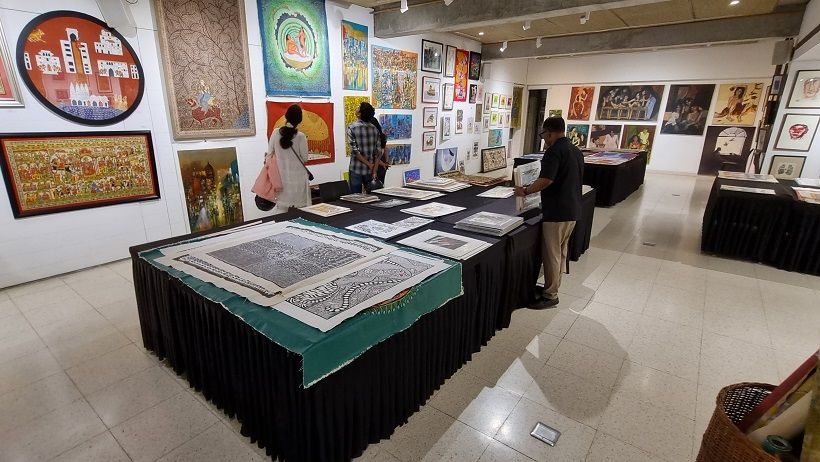
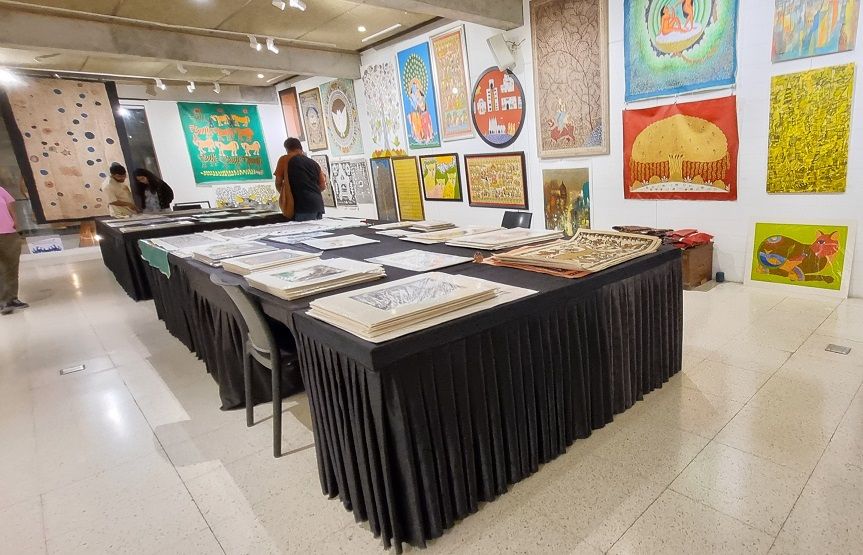
The Bangalore International Centre (BIC) recently hosted an exhibition on affordable art, organised by Mumbai-based Baro Market. See our photo essays from earlier exhibitions at this popular cultural hub here.
Founded by Srila Chatterjee, Baro Market is a platform that curates and sells fashion, home goods, art, fabrics, crafts, and more. It is also curating an exhibition on art and design this weekend at Gallery 78 in Hyderabad.
.thumbnailWrapper{
width:6.62rem !important;
}
.alsoReadTitleImage{
min-width: 81px !important;
min-height: 81px !important;
}
.alsoReadMainTitleText{
font-size: 14px !important;
line-height: 20px !important;
}
.alsoReadHeadText{
font-size: 24px !important;
line-height: 20px !important;
}
}

An earlier exhibition titled Art Deco focused on Mumbai’s architecture and culture, through photographs of architectural sites, antiques, fashion, wall coverings, and textiles. It illustrated how designers continue to draw inspiration from the Art Deco style in everyday works.
Baro Art organises pop-up shows in a range of cities to bring art closer to people instead of showcasing it only in galleries. These pop-ups reach people right where they commute and gather for recreation, thus bringing broader exposure for artists and making it easier for potential buyers to engage with art.
The platform helps artists, especially in folk communities, generate income, retain authenticity, and sustain their practices. While preserving such techniques and knowledge, its exhibitions allow new expressions, crossovers, and contemporary voices as well.
.thumbnailWrapper{
width:6.62rem !important;
}
.alsoReadTitleImage{
min-width: 81px !important;
min-height: 81px !important;
}
.alsoReadMainTitleText{
font-size: 14px !important;
line-height: 20px !important;
}
.alsoReadHeadText{
font-size: 24px !important;
line-height: 20px !important;
}
}

For example, its Matra initiative with Banglanatak benefits rural and underrepresented communities in West Bengal. Some of these works are part of Baro Art’s inventory under Art from Matra, emphasising social depth and not just commercial opportunity.
Its Affordable Art initiative aims to demystify art for the public and make access to original art more enjoyable, exciting and easy. The art collections in these exhibitions are certified and curated, thus addressing trust and authenticity concerns.
The guiding belief is that art should not be something intimidating, exclusive, or only for traditional collectors. Instead, the Affordable Art initiative aims to make channels, displays and even price points more attractive.
.thumbnailWrapper{
width:6.62rem !important;
}
.alsoReadTitleImage{
min-width: 81px !important;
min-height: 81px !important;
}
.alsoReadMainTitleText{
font-size: 14px !important;
line-height: 20px !important;
}
.alsoReadHeadText{
font-size: 24px !important;
line-height: 20px !important;
}
}

One of the core principles of the curation is fairness. The price is chosen in a manner that is perceived as fair to both the artist and the buyer.
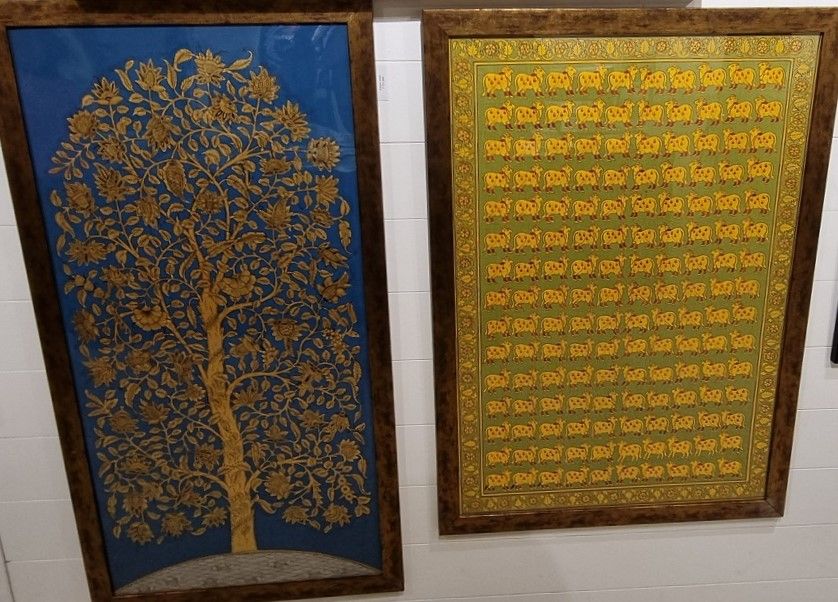
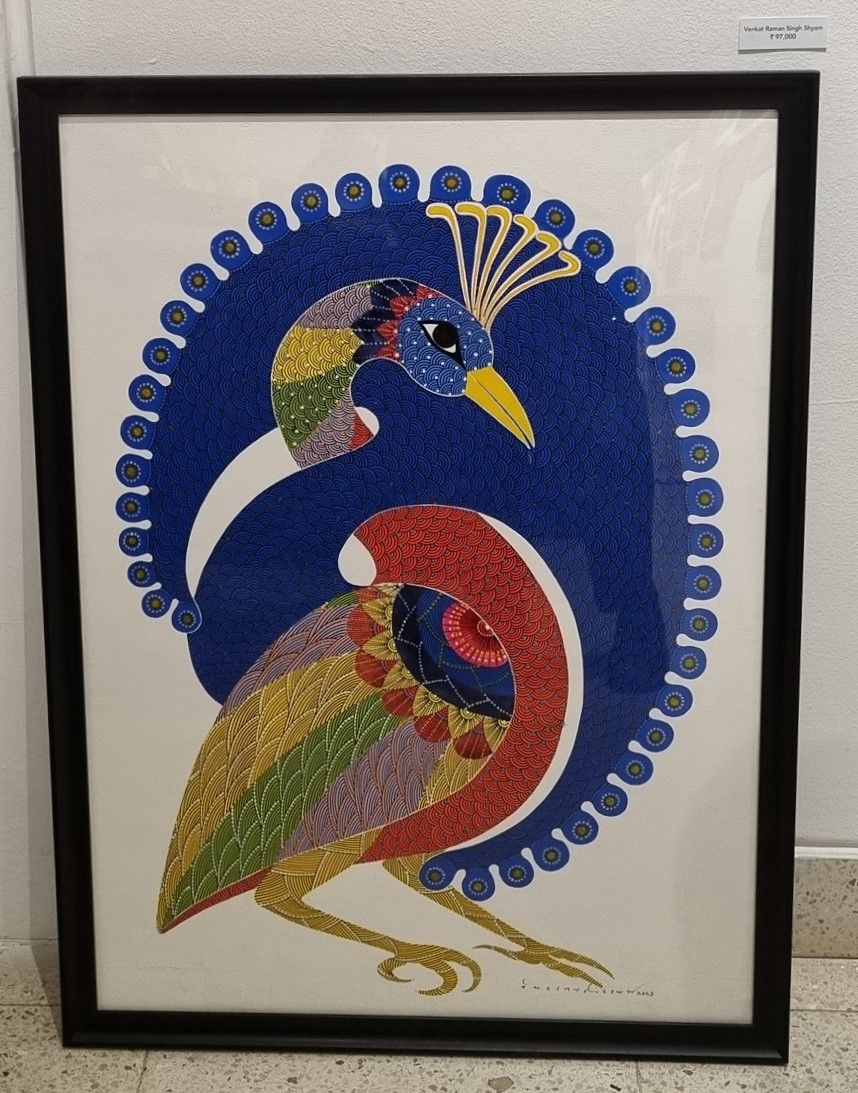
Baro Art includes artists from traditional and folk art backgrounds. Their work includes floor paintings, puppets, toys and game puzzles. Such artefacts are sometimes juxtaposed with contemporary art.
In addition to artworks that are displayed and admired, Baro Art highlights items of daily use that also have artistic and design value. Thus, they blend craft and decorative arts.
.thumbnailWrapper{
width:6.62rem !important;
}
.alsoReadTitleImage{
min-width: 81px !important;
min-height: 81px !important;
}
.alsoReadMainTitleText{
font-size: 14px !important;
line-height: 20px !important;
}
.alsoReadHeadText{
font-size: 24px !important;
line-height: 20px !important;
}
}

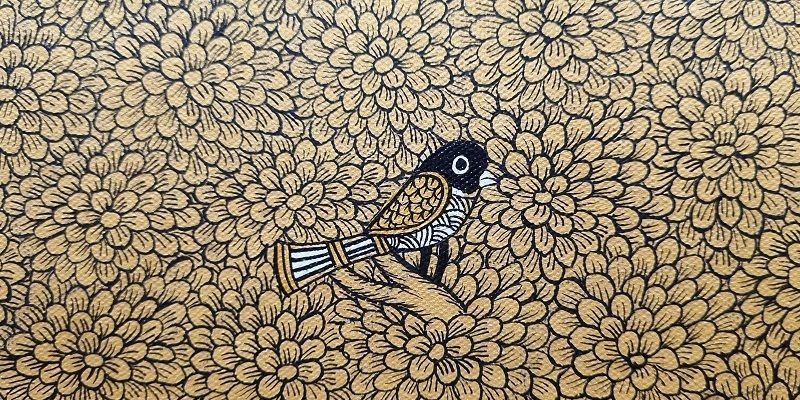
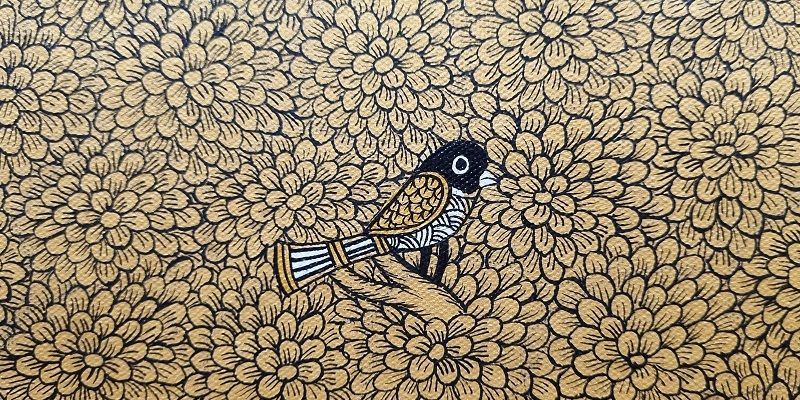
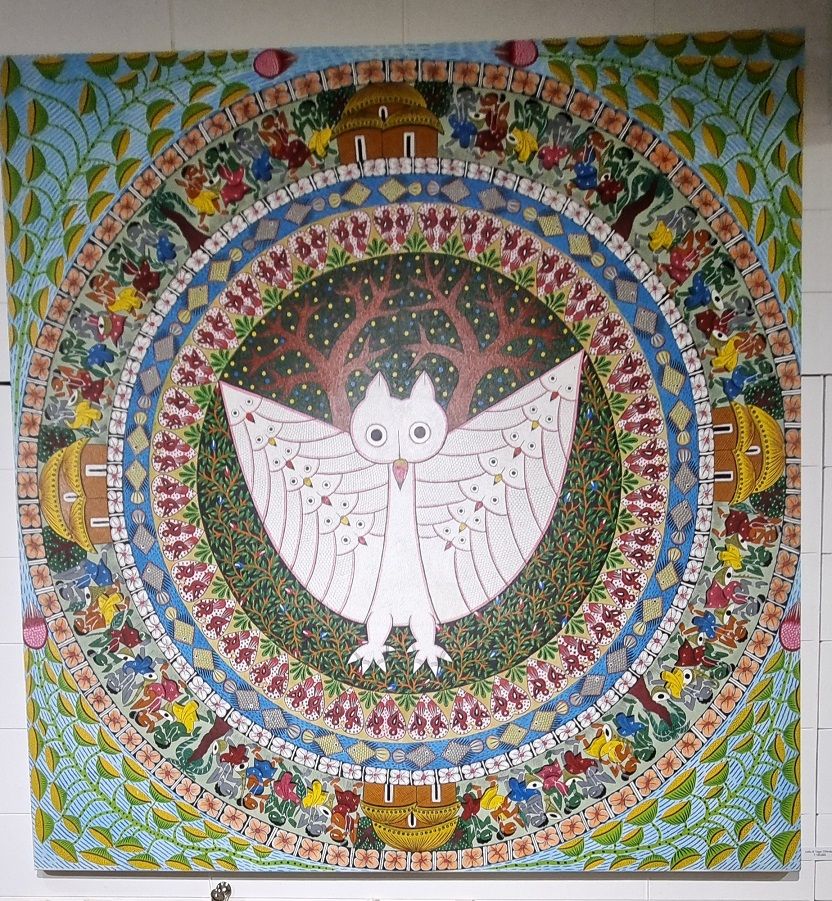
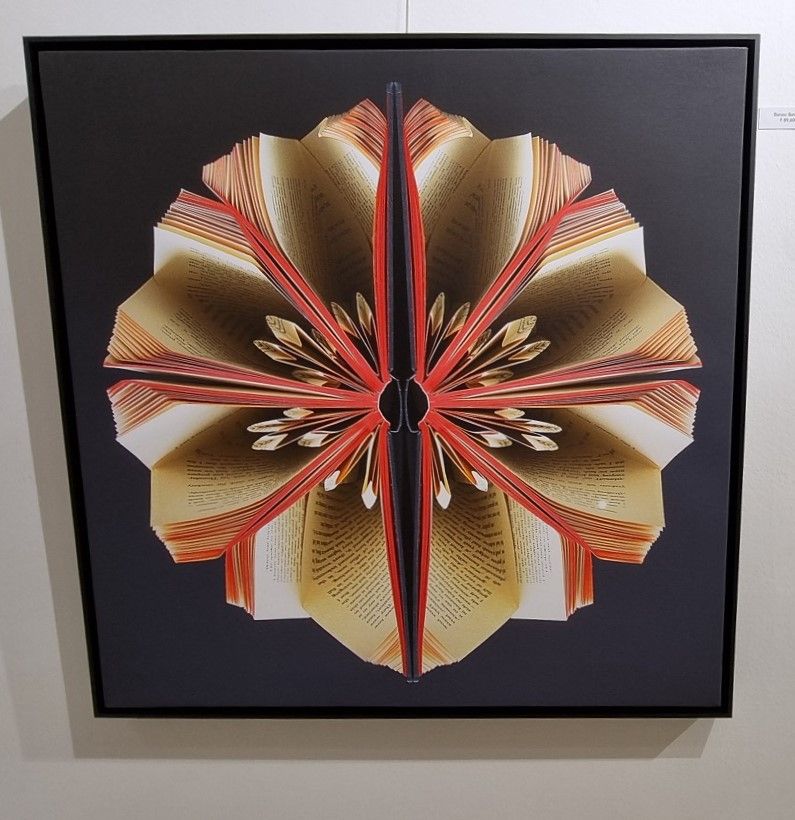
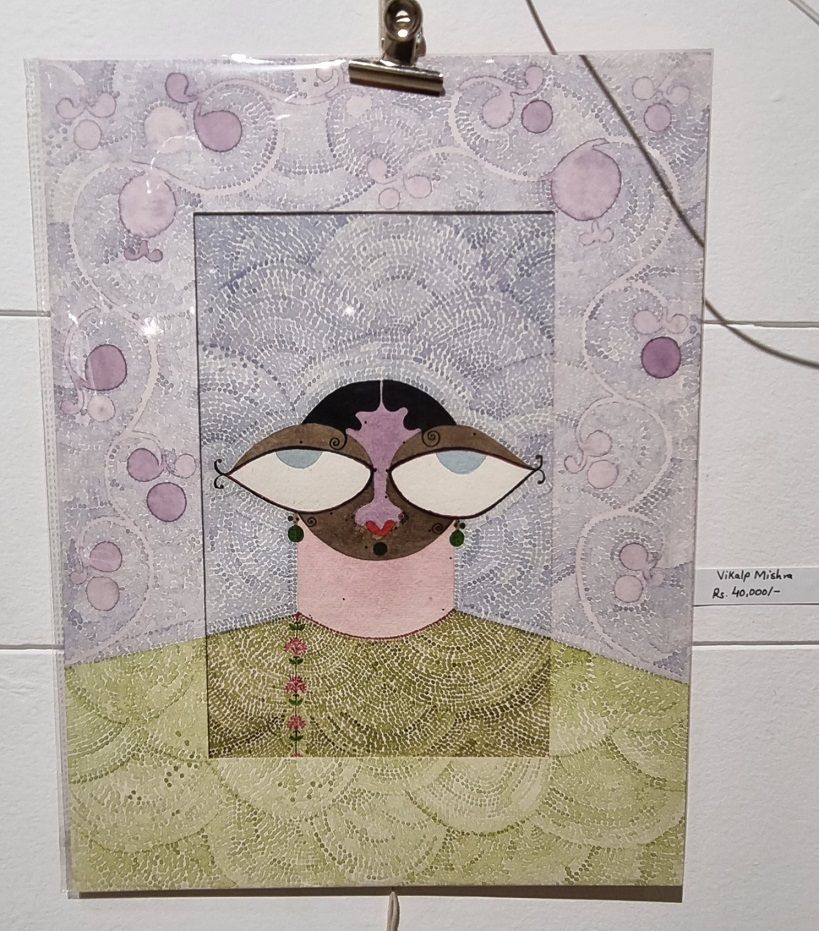
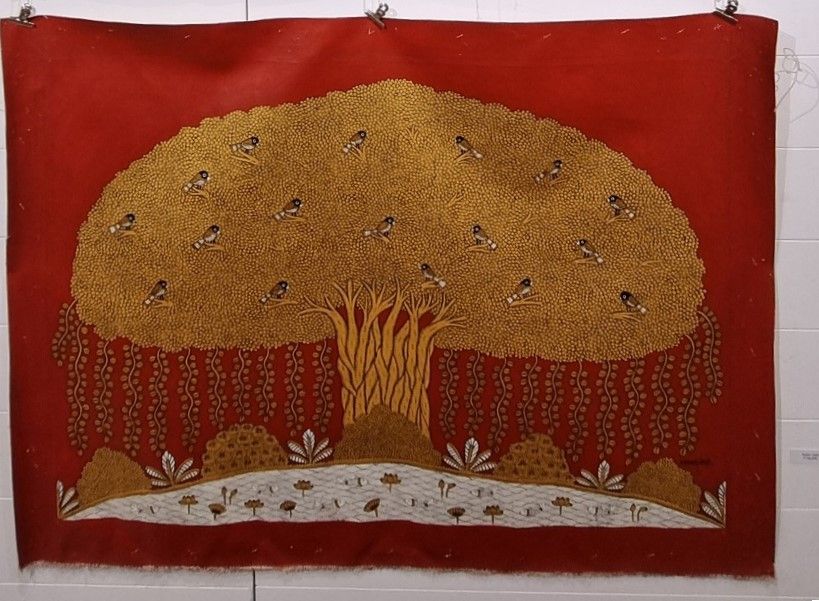
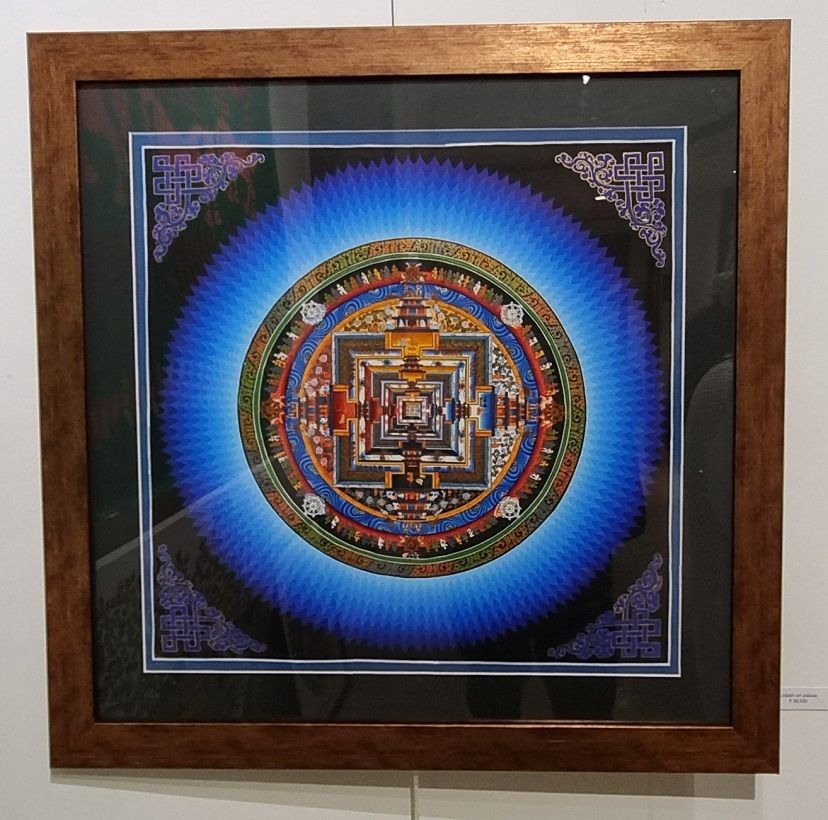
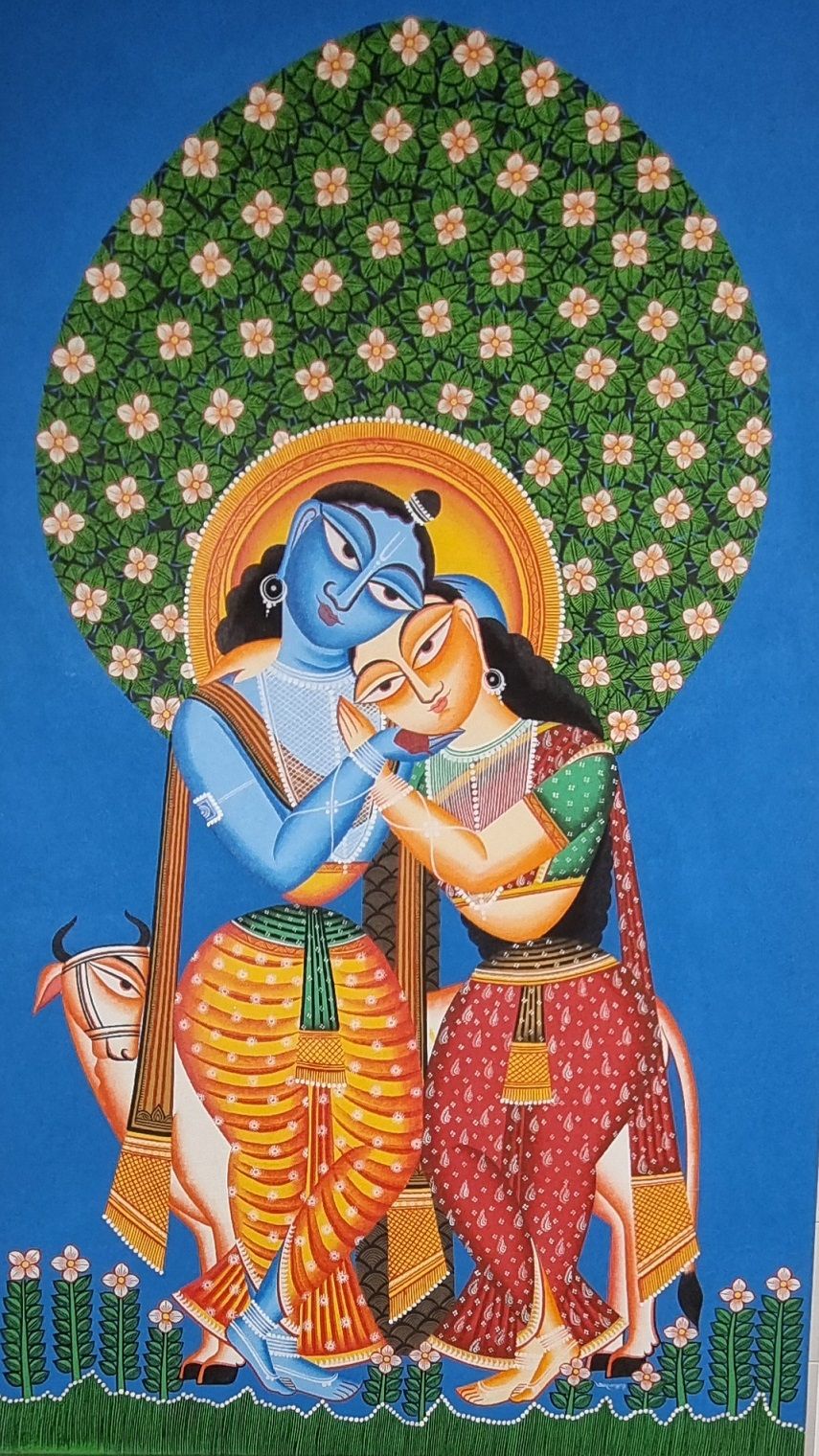
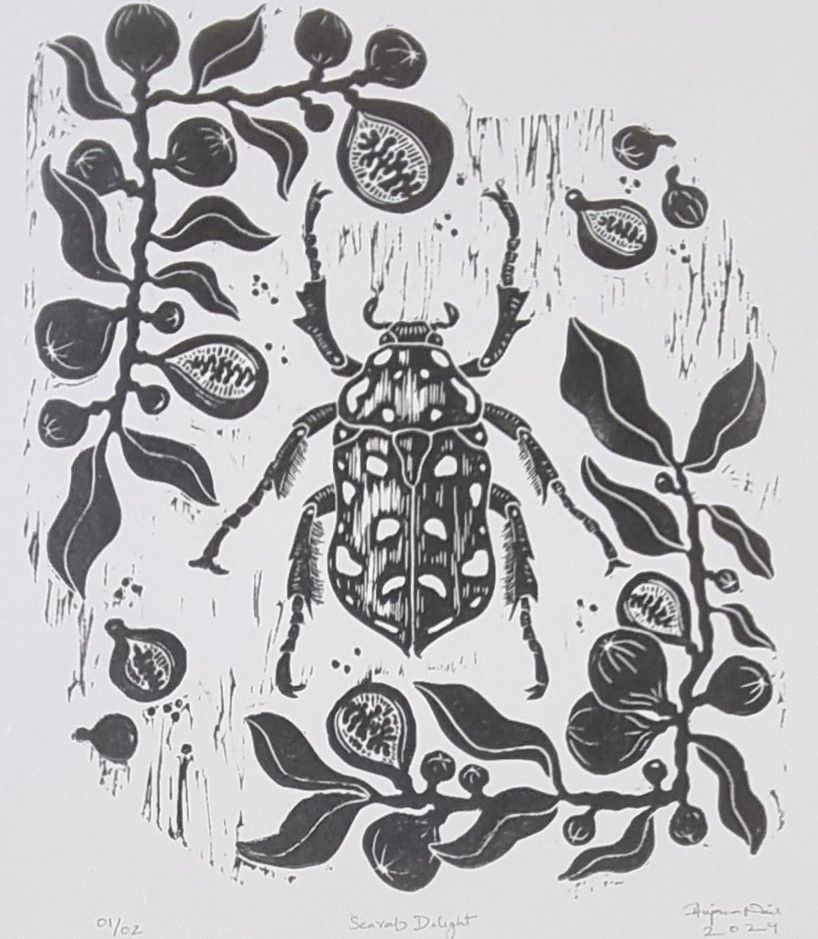
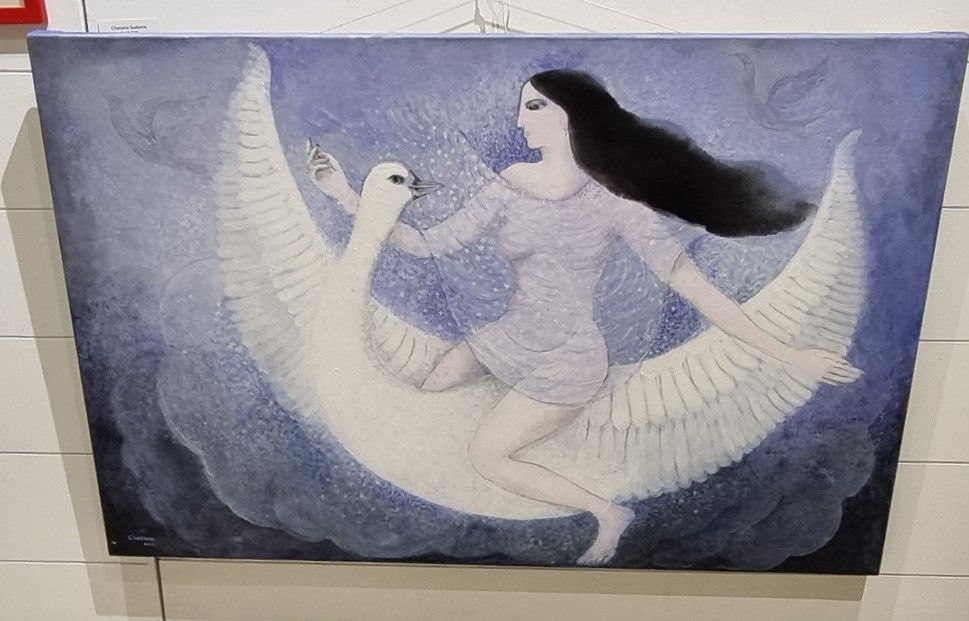
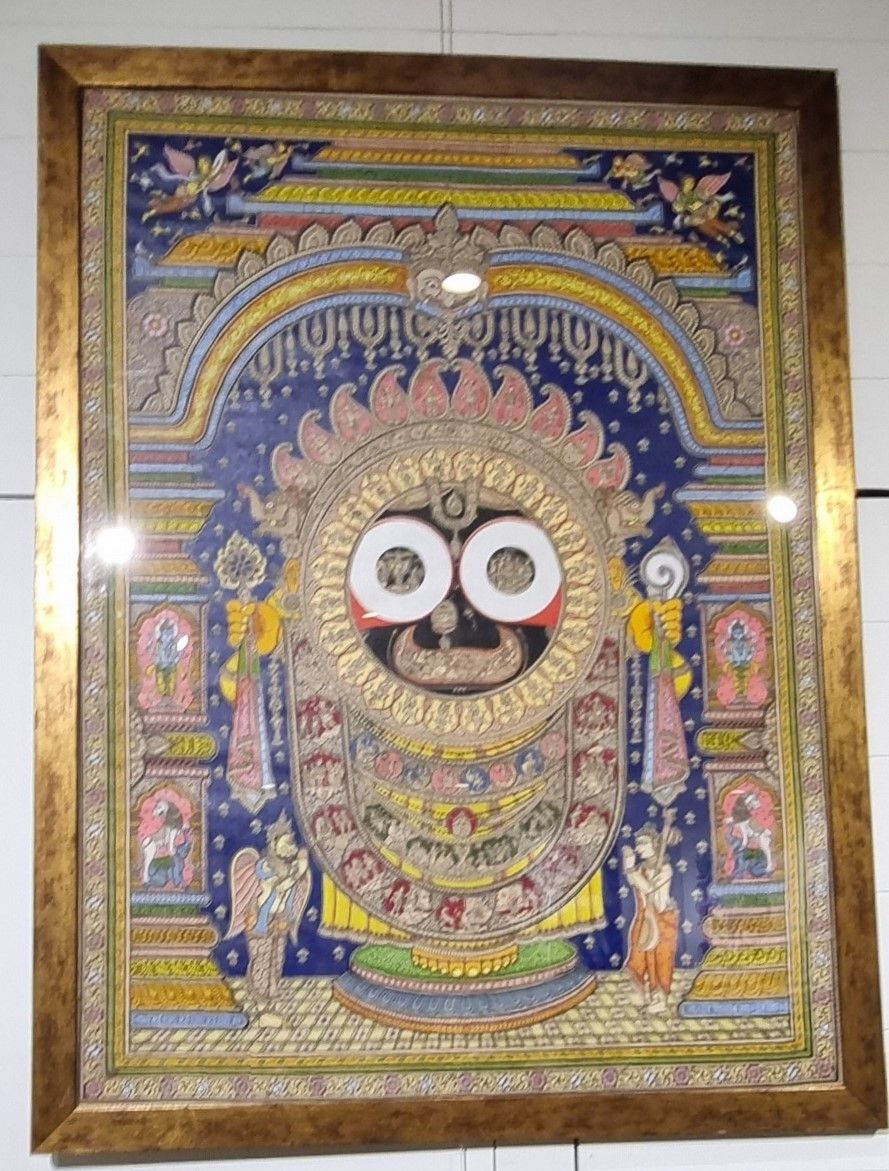
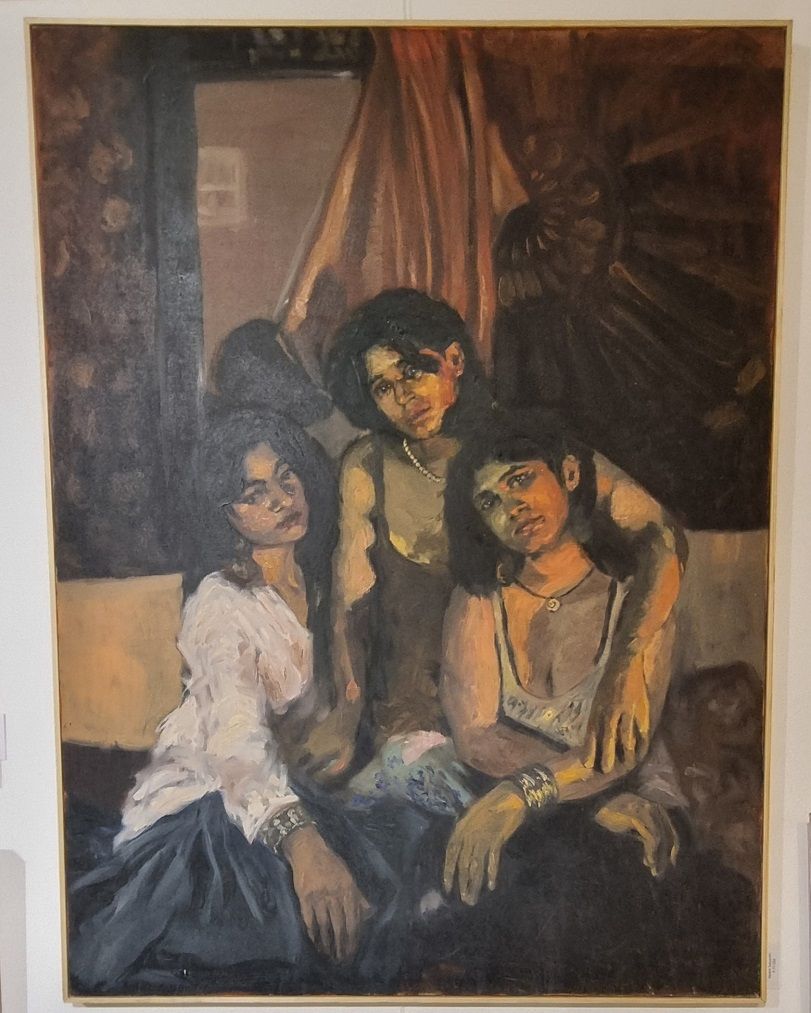
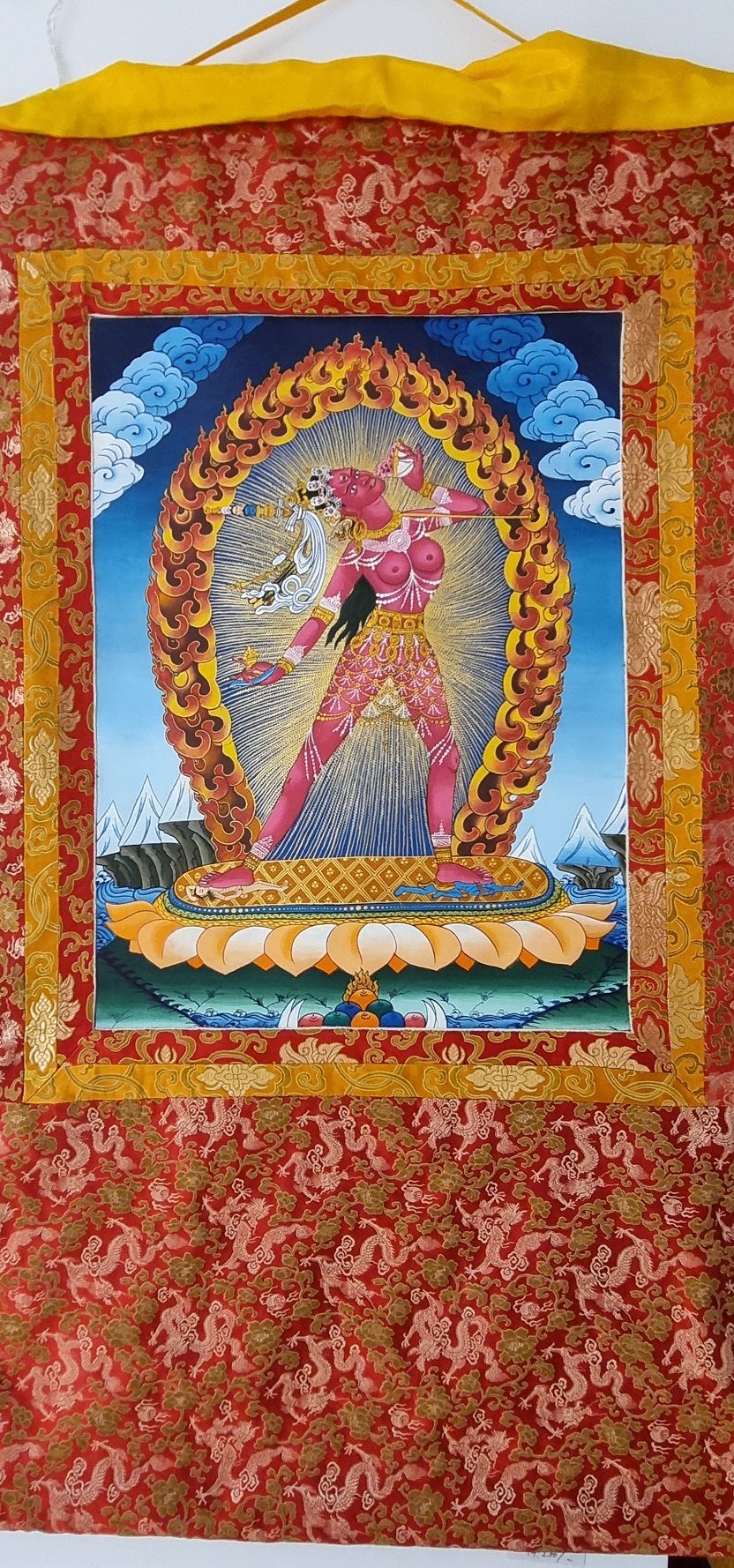
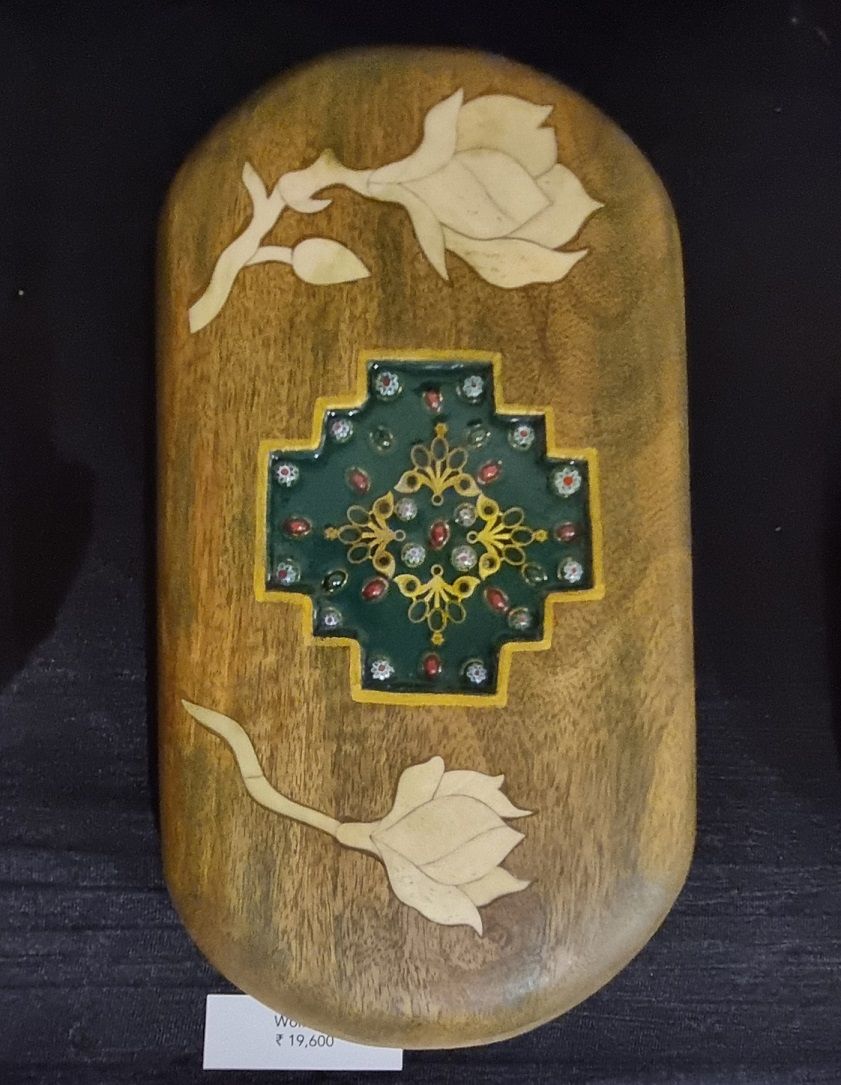
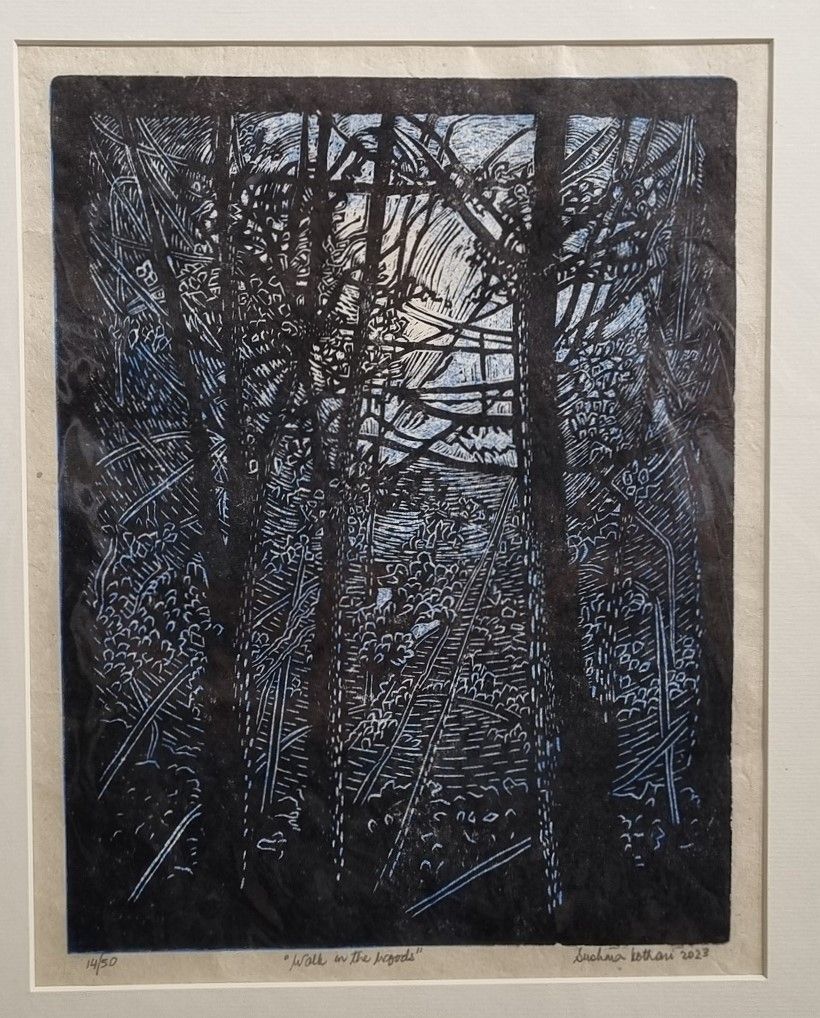
As seen in this photo essay, the Bengaluru exhibition spans art forms like Gond, Warli, Ajrakh, Pattachitra, Bhil, and Batik. These forms are captured in paintings, photographs, textiles, needlecraft, sculpture, prints, and even digital art.
Such activities invite further collaborations between art galleries and studios with museums and educational institutions. For example, they can spawn new workshops and educational modules, or facilitate commissioned artworks.
In sum, Baro Art exhibitions help with cultural awareness as people are exposed to regional and traditional art forms. Blurring the distinction between ‘gallery-only’ art and art as part of everyday life, Baro Art thus help democratise art appreciation.
Now what have you done today to pause in your busy schedule and harness your creative side for a better world?
(All photographs taken by Madanmohan Rao on location at BIC.)
Edited by Jyoti Narayan
