

Launched in 2014, PhotoSparks is a weekly feature from YourStory, with photographs that celebrate the spirit of creativity and innovation. In the earlier 895 posts, we featured an art festival, cartoon gallery. world music festival, telecom expo, millets fair, climate change expo, wildlife conference, startup festival, Diwali rangoli, and jazz festival.
Located in the heart of downtown Montreal, the McCord Stewart Museum showcases a number of exhibitions and educational activities on the history of Montreal and Quebec, its impact on Canada, and influences from around the world. See our coverage of earlier exhibitions at this award-winning museum here.
In 2013, the McCord Museum and the Stewart Museum entered into a merger agreement. A few years later, Musée de la Mode and the McCord Museum announced their merger in 2018. Along with the enriched collection of the merged organisations, the museum reflects the vitality, creativity and diversity of its local communities.
.thumbnailWrapper{
width:6.62rem !important;
}
.alsoReadTitleImage{
min-width: 81px !important;
min-height: 81px !important;
}
.alsoReadMainTitleText{
font-size: 14px !important;
line-height: 20px !important;
}
.alsoReadHeadText{
font-size: 24px !important;
line-height: 20px !important;
}
}

“The McCord Stewart Museum celebrates life in Montreal, past and present. It reflects Montreal society: creative, diverse, and constantly evolving. Dedicated to social history, the Museum is nonetheless resolutely forward-looking,” explains Anne Eschapasse, the museum’s President and CEO.
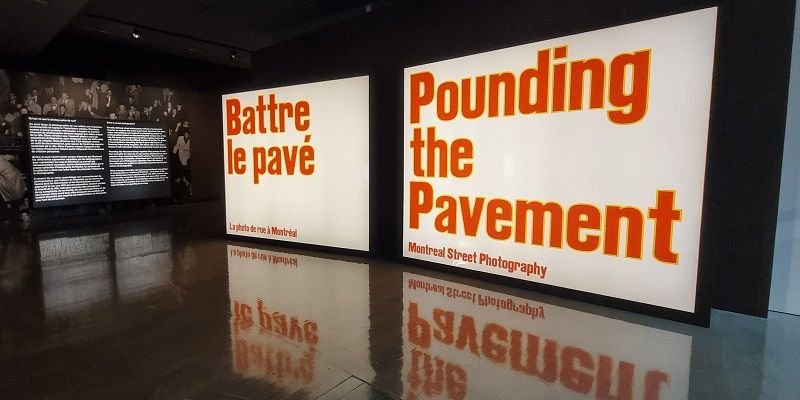
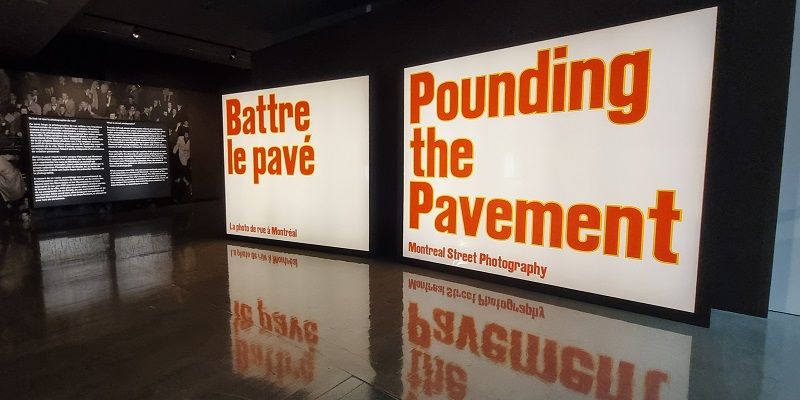
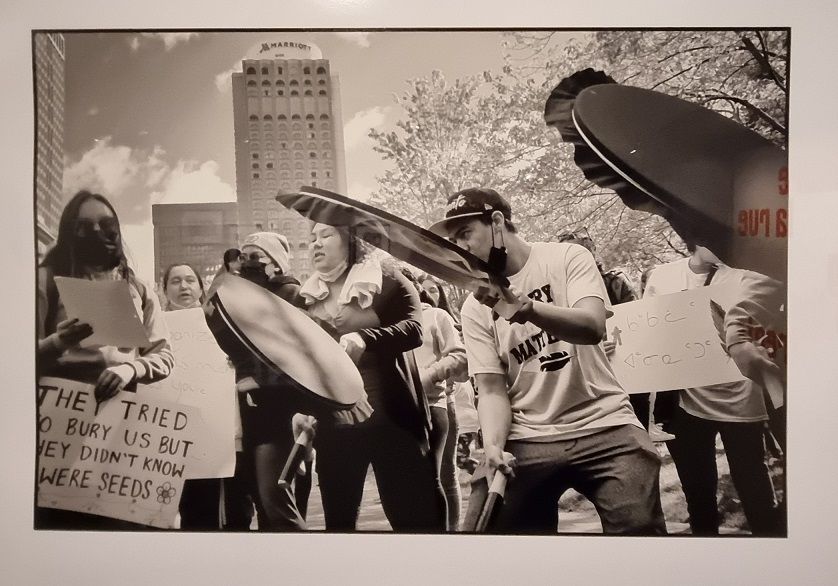
Current exhibitions include Pounding the Pavement: Montreal Street Photography, which celebrates the practice of street photography in Montreal from the 19th century onwards. The 400-plus images shed light on the history, neighbourhoods and atmosphere of the city.
Featured expert practitioners include Bertrand Carrière, Clara Gutsche, Brian Merrett, Serge Clément, and Gilbert Duclos. There are also other talents like Edith Mather, David Marvin, Alan Stone, and John Taylor.

The exhibition titled Little Burgundy – Evolving Montreal is a foray into the south-western district of the city. It features the works of Andrew Jackson, a British-Canadian photographer, who documented important landmarks for the Black community.
“When city spaces, such as Little Burgundy, are designated as Black spaces, there are profound implications for Black occupants. This is especially true in North America, where historically, in non-Black minds at least, Black spaces have not existed as places of acceptance or celebration of difference,” he explains.
Jackson’s practice explores the intersection of photography and text. His recent themes include notions of family, transnational migration, displacement, trauma, and collective memory.

.thumbnailWrapper{
width:6.62rem !important;
}
.alsoReadTitleImage{
min-width: 81px !important;
min-height: 81px !important;
}
.alsoReadMainTitleText{
font-size: 14px !important;
line-height: 20px !important;
}
.alsoReadHeadText{
font-size: 24px !important;
line-height: 20px !important;
}
}

Another outstanding exhibition is titled Costume Balls: Dressing Up History, 1870-1927. It features the extravagant costume balls and skating carnivals that were at the heart of social entertainment in earlier days.
There are over 40 elaborate outfits on display, as well as photographs of guests in costume that capture the prestige of those grand events. But at the same time, such costume balls reinforced core myths of colonial destiny and imperial futures.
“Parading Indigenous cultural belongings on an ice rink or ballroom floor was tantamount to showing them off as trophies, proof of the success of their political endeavours,” according to Jonathan Lainey, Curator, Indigenous Cultures, and Cynthia Cooper, Head, Collections and Research and Curator, Dress, Fashion and Textiles, McCord Stewart Museum.

Their findings are described in the paper Impersonating Indigeneity. The researchers show how impersonations about Indigenous communities embodied stereotypes, reflecting cultural appropriation and erasure in the late 19th and early 20th centuries.
Such concerns are also reflected in the thought-provoking exhibition, Indigenous Voices of Today: Knowledge, Trauma, Resilience. The exhibits depict the still unrecognised knowledge of Indigenous peoples in Quebec and Canada, the deep wounds they carry, and their resilience.
There are over 100 artefacts on display, combined with around 80 powerful text and video stories from members of the 11 Indigenous nations in Quebec. The testimonies were gathered by the Wendat curator Elisabeth Kaine between 2010 and 2018.

.thumbnailWrapper{
width:6.62rem !important;
}
.alsoReadTitleImage{
min-width: 81px !important;
min-height: 81px !important;
}
.alsoReadMainTitleText{
font-size: 14px !important;
line-height: 20px !important;
}
.alsoReadHeadText{
font-size: 24px !important;
line-height: 20px !important;
}
}

While preparing its Strategic Plan 2022-2027, the museum observed that visitors want a participatory, civic-minded, and eco-responsible museum that fosters dialogue and exchange. This reinforced the museum’s mission of a greater commitment to social justice.
For example, the museum has embraced the decolonisation approach and the implementation of sustainable museum practices. Its educational and cultural activities take a critical and inclusive look at social history and contemporary issues.
The museum has increased the accessibility of its Indigenous Cultures collection to reflect the contemporary concerns and perspectives of Indigenous people. It has also established a permanent Indigenous Advisory Committee to provide an informed, cross-disciplinary perspective.
Now, what have you done today to pause in your busy schedule and harness your creative side for a better world?


(All photographs were taken by Madanmohan Rao on location at McCord Stewart Museum.)
