

Launched in 2014, PhotoSparks is a weekly feature from YourStory, with photographs that celebrate the spirit of creativity and innovation. In the earlier 905 posts, we featured an art festival, cartoon gallery. world music festival, telecom expo, millets fair, climate change expo, wildlife conference, startup festival, Diwali rangoli, and jazz festival.
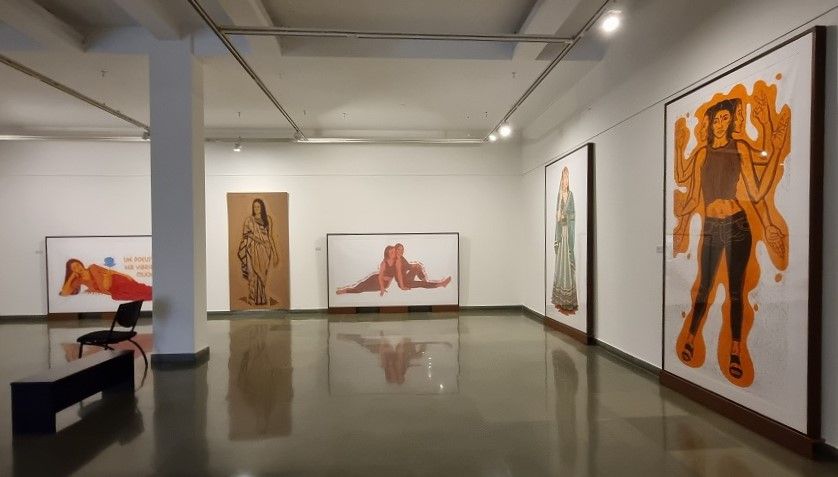
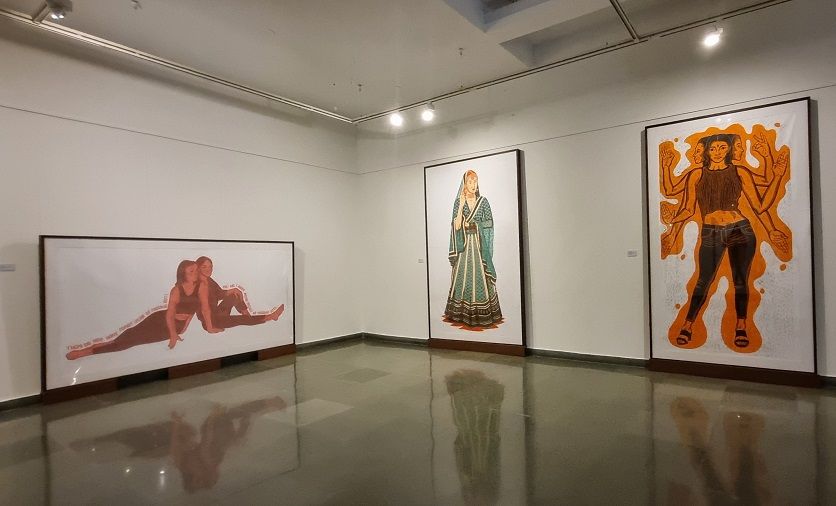
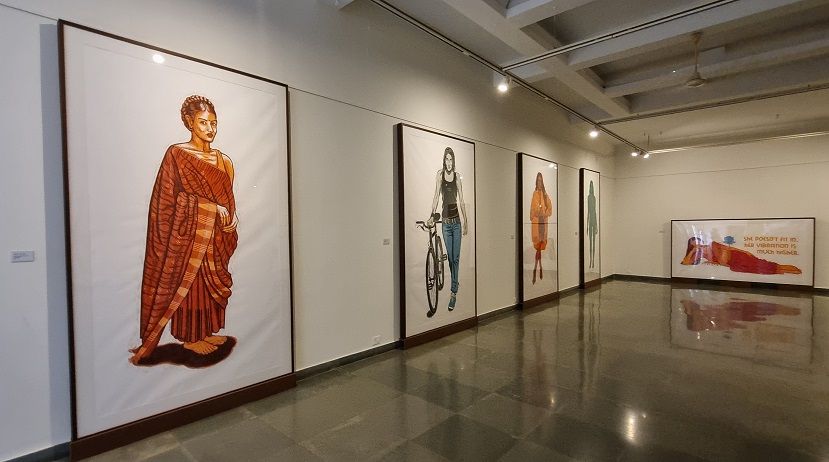
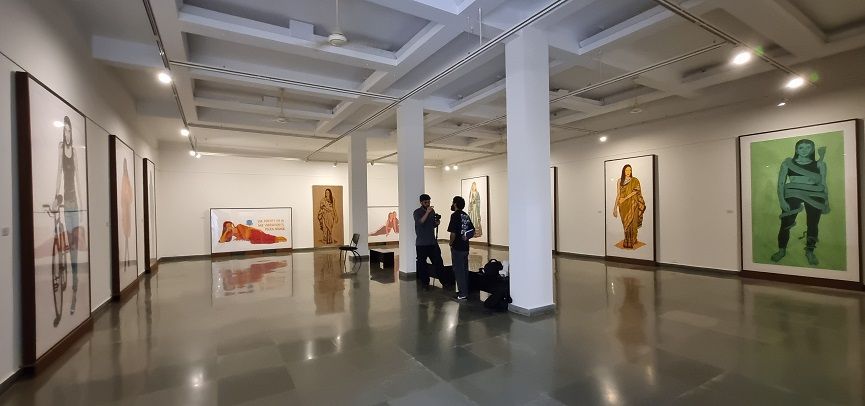
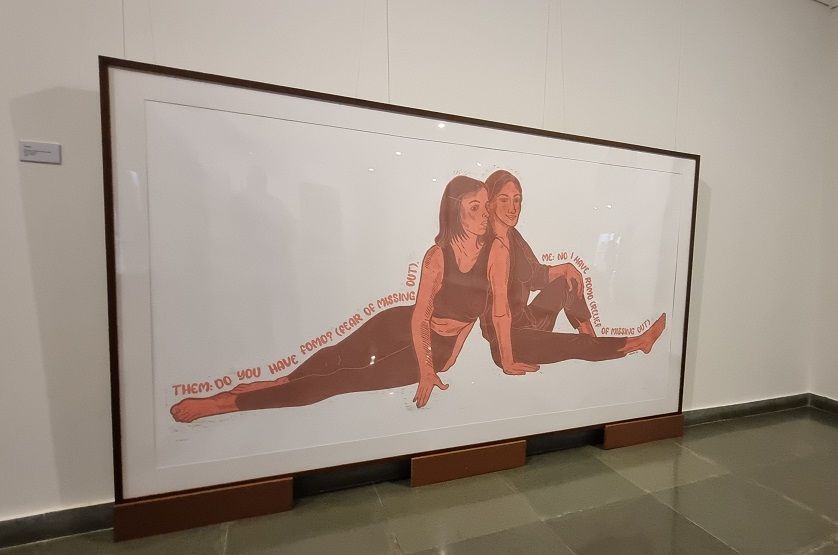
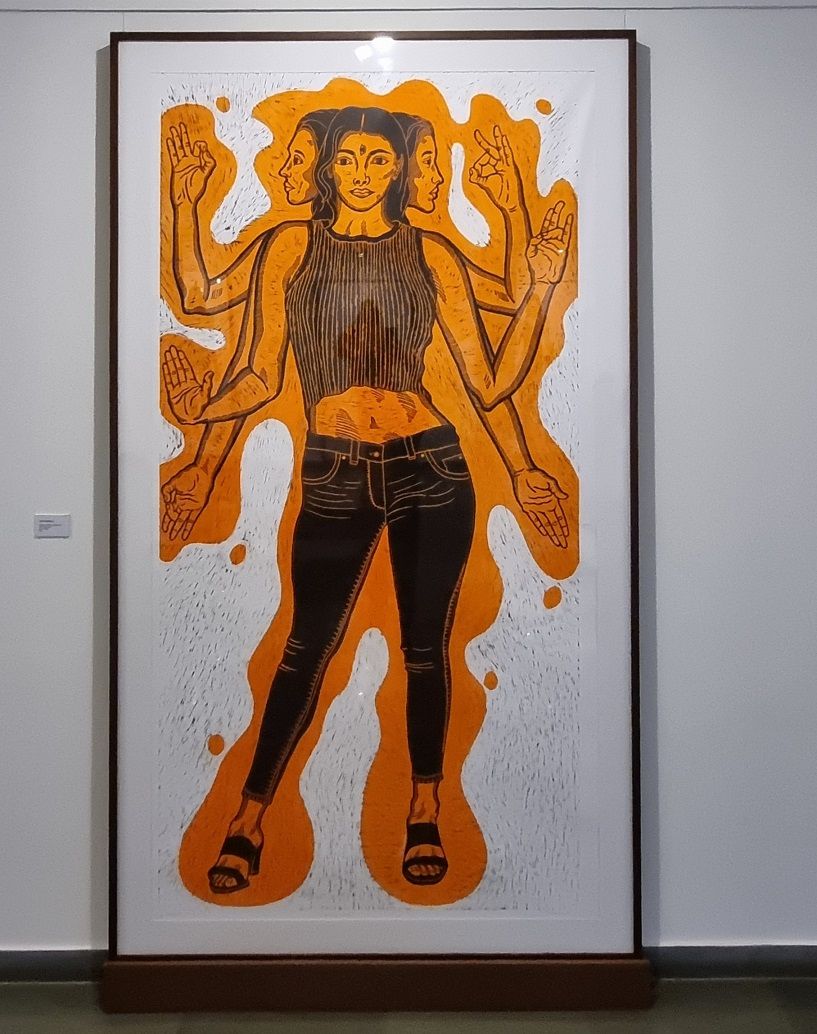
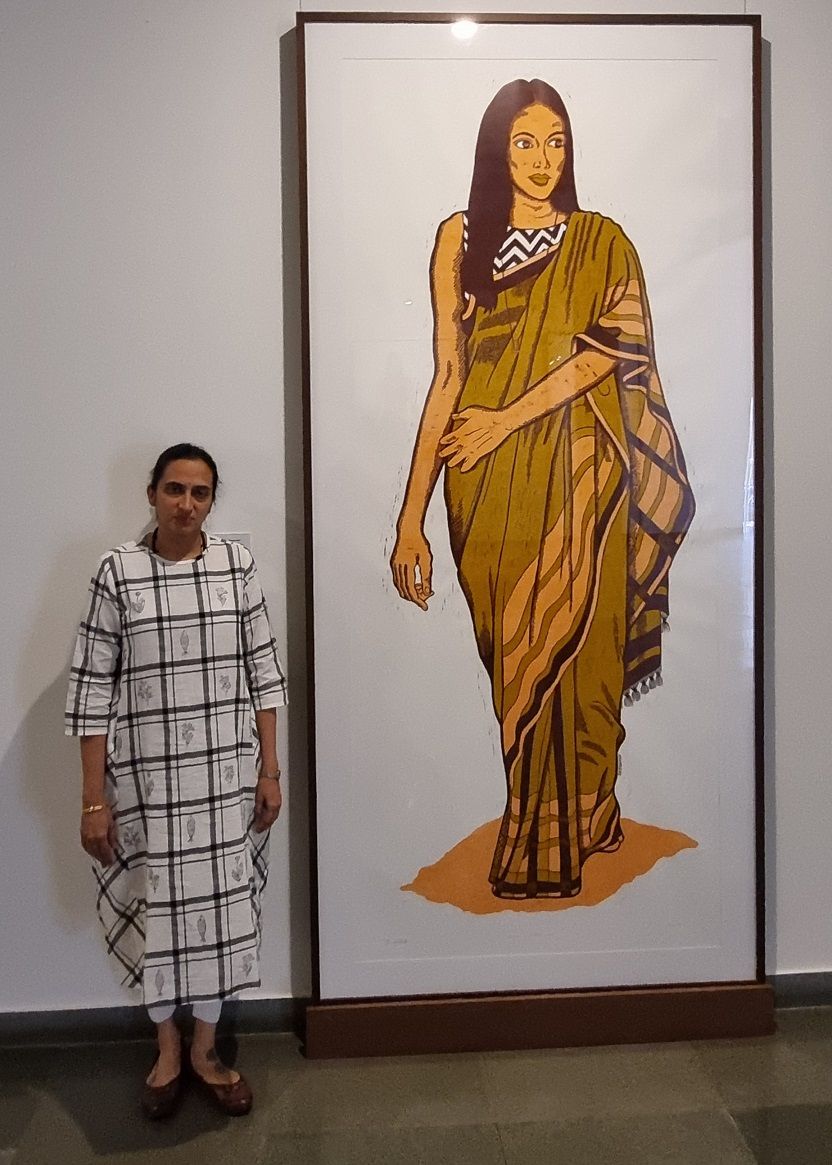
Gallery Sumukha is currently hosting a one-month exhibition by printmaker Champa Sharath, titled Avatars. See our coverage of earlier exhibitions at this popular art gallery here.
“My works are a reflection and reinterpretation of what I see around me, in mass media like glossy magazines, newspapers and the internet. I choose characters to whom I can relate – maybe they are all extensions of me,” Sharath tells YourStory.
.thumbnailWrapper{
width:6.62rem !important;
}
.alsoReadTitleImage{
min-width: 81px !important;
min-height: 81px !important;
}
.alsoReadMainTitleText{
font-size: 14px !important;
line-height: 20px !important;
}
.alsoReadHeadText{
font-size: 24px !important;
line-height: 20px !important;
}
}

She was born in Mysuru and has degrees in printmaking from the Faculty of Fine Arts, MS University, Baroda, and the Chamarajendra Academy of Visual Arts, Mysuru. She has held a range of solo shows across venues and themes.
Some of the exhibitions have been titled Divine Phantoms and Mirror of the Mind. The venues include Gallery Sumukha and Welcome Art Gallery in Bengaluru, and Shristi Art Gallery in Hyderabad.
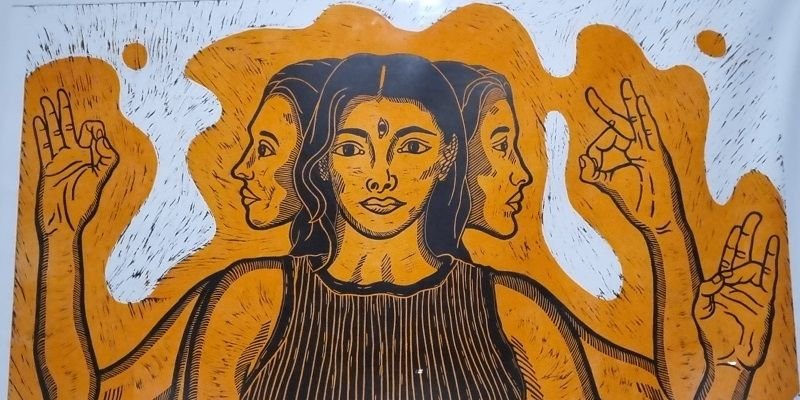
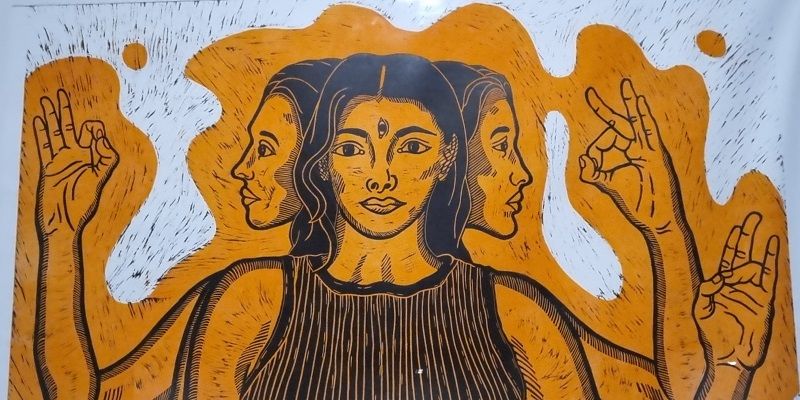
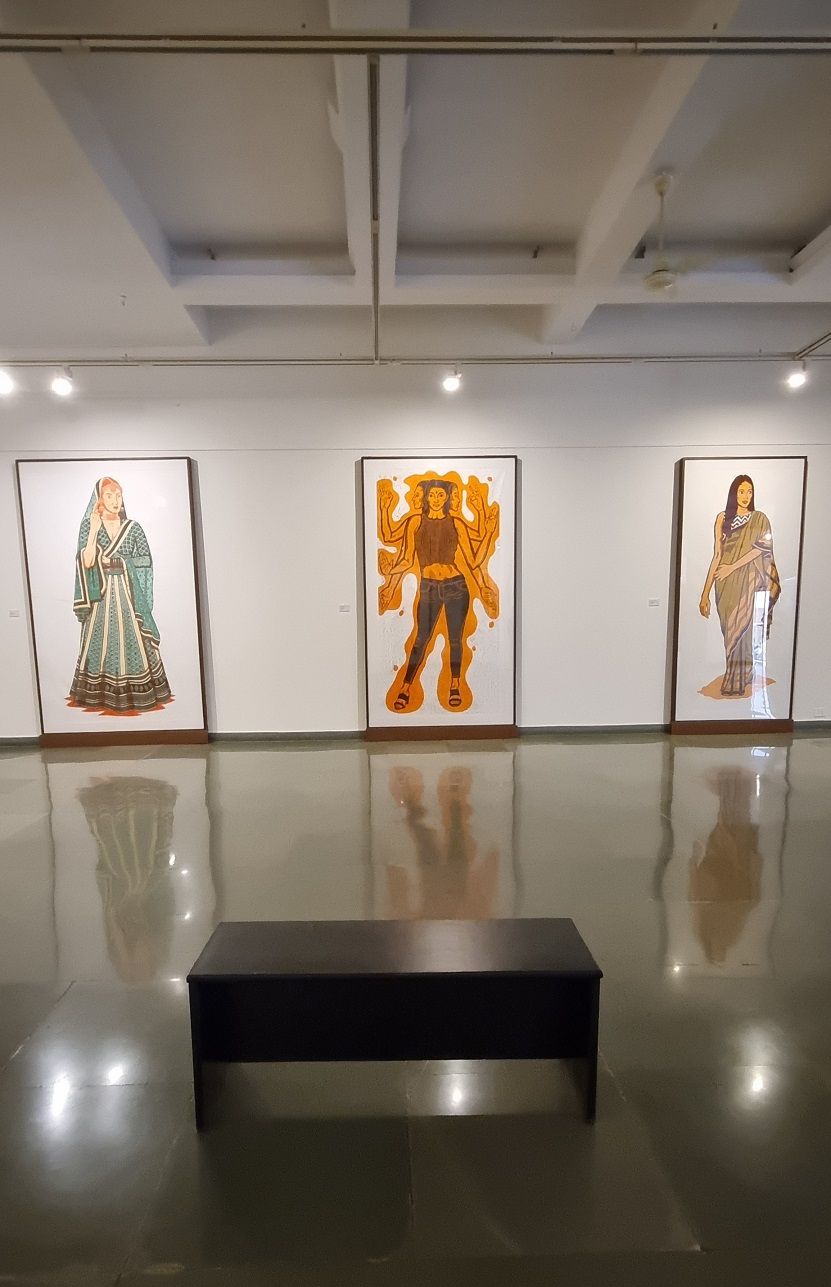
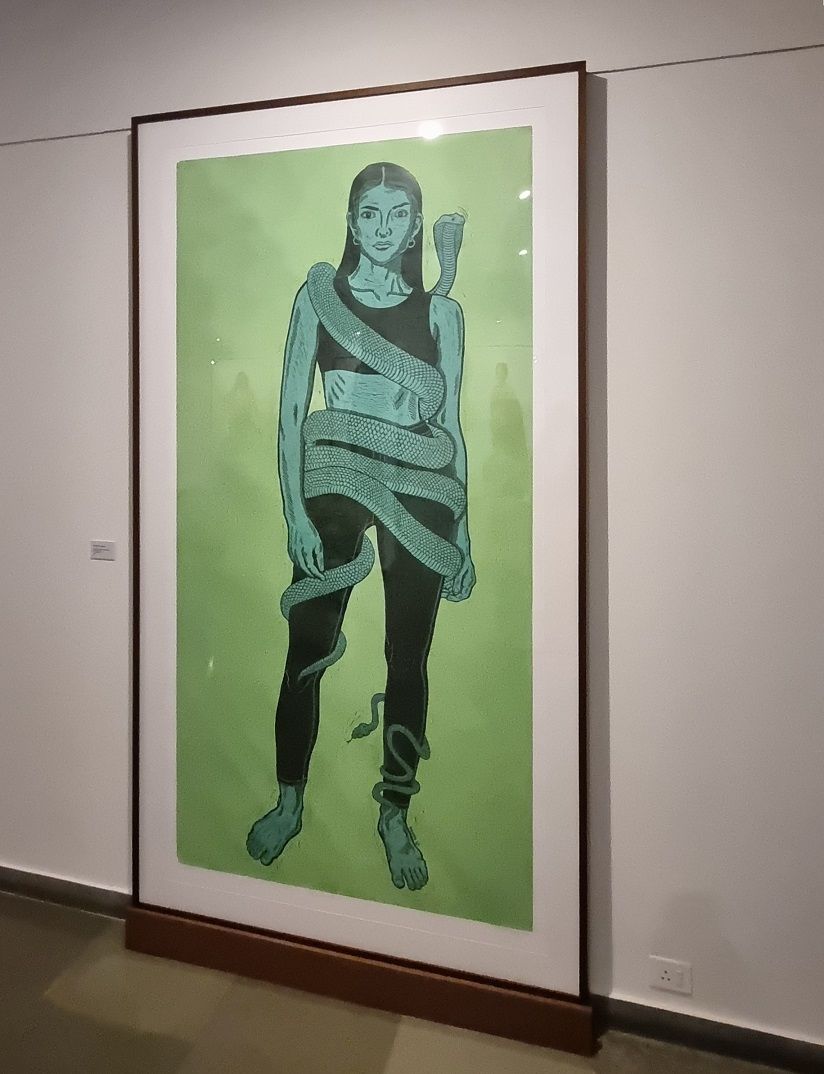
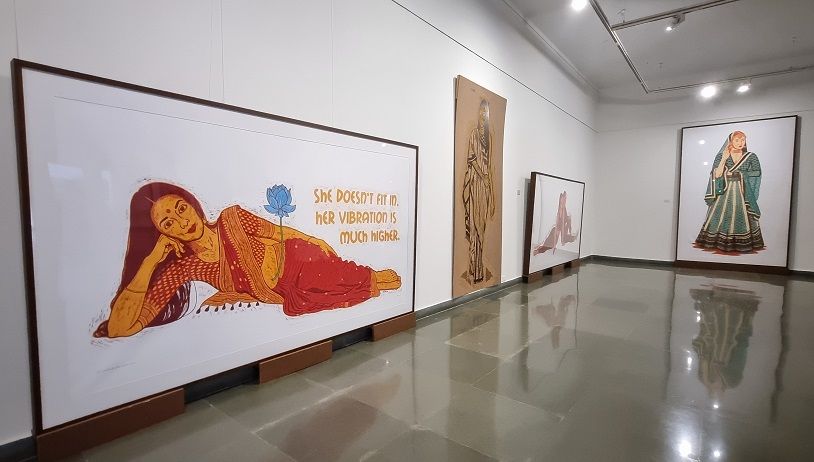
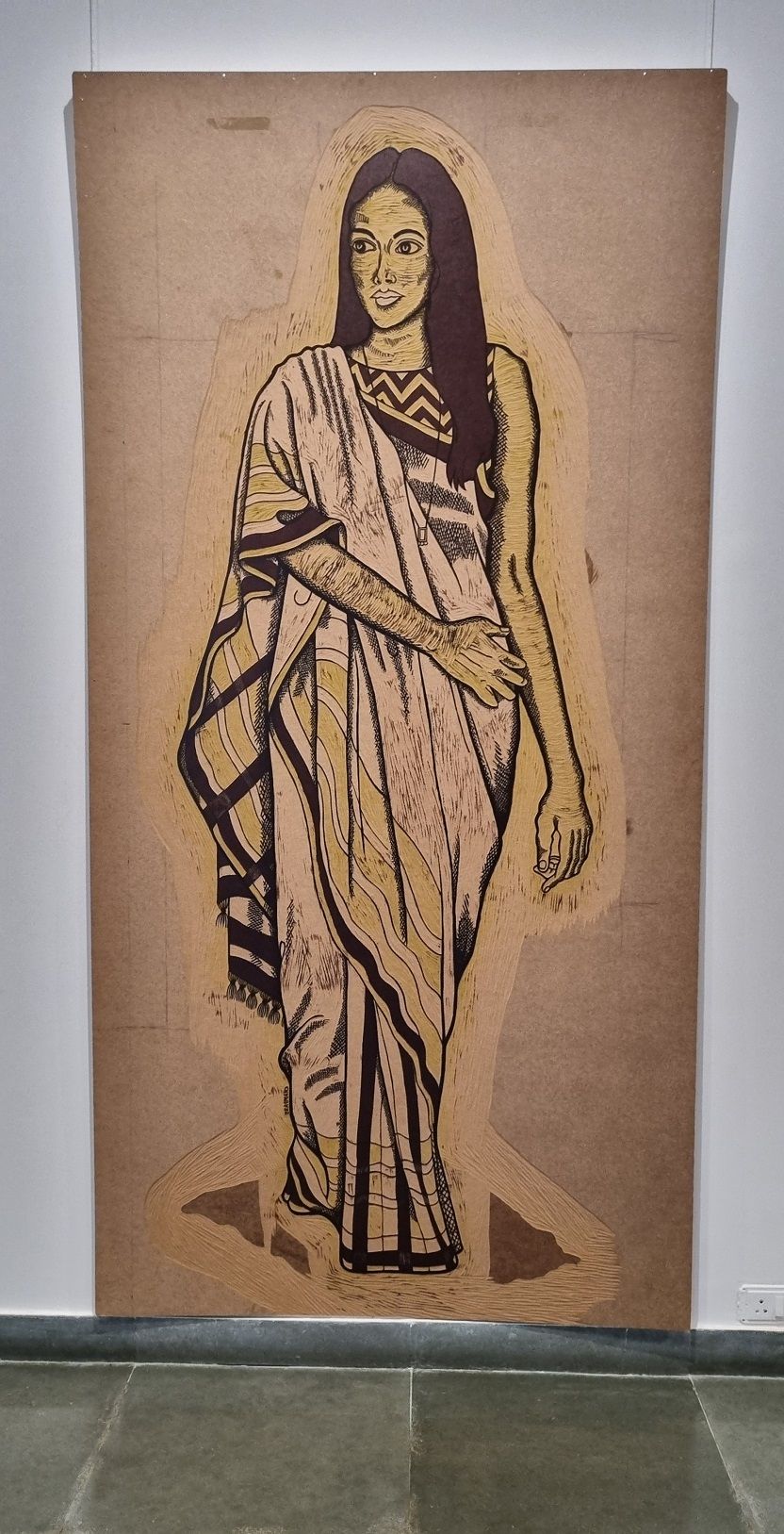
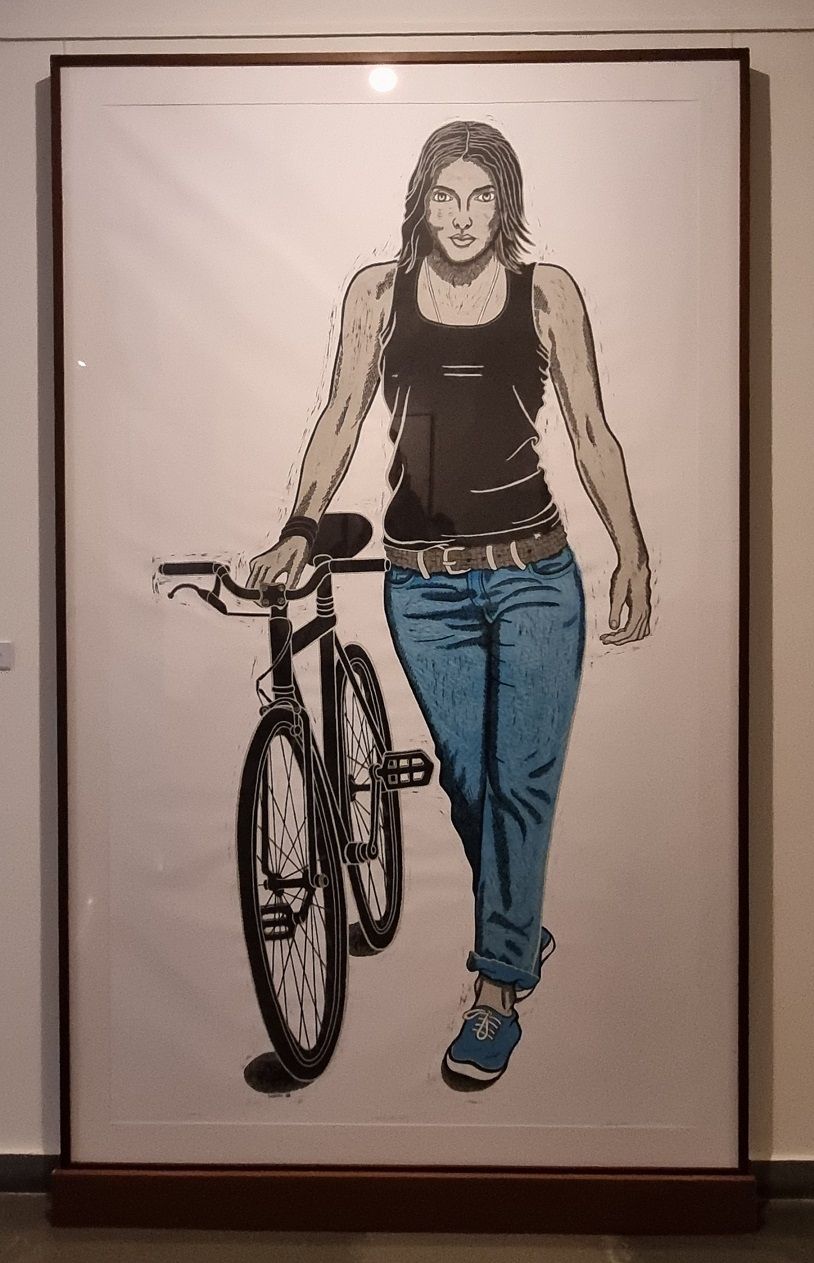
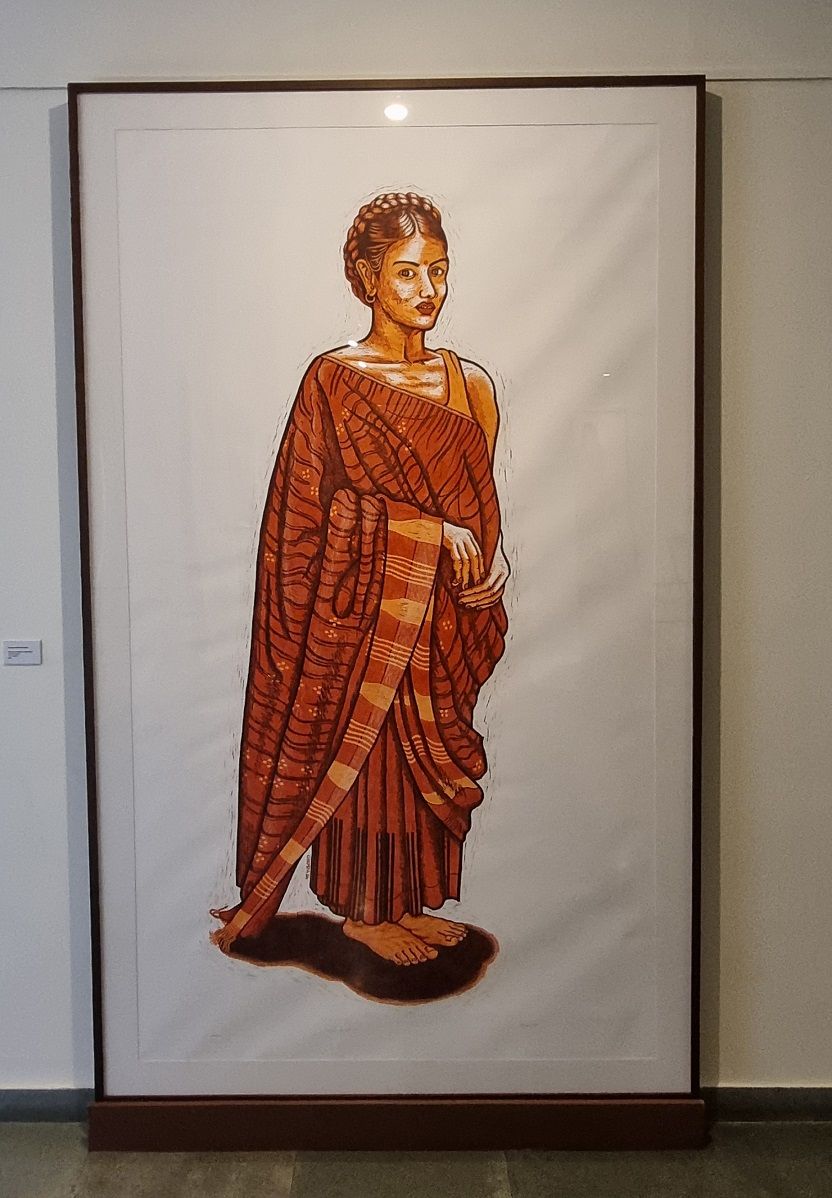
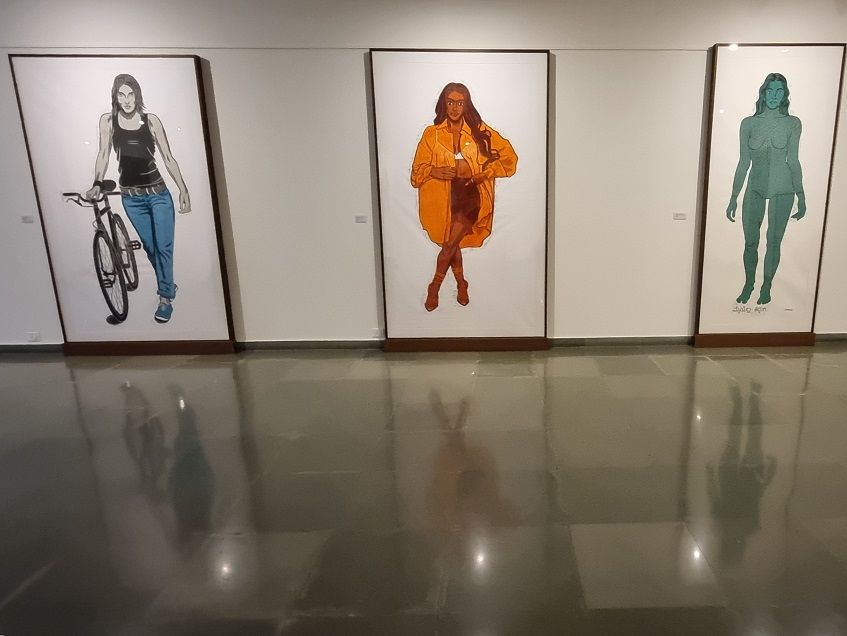
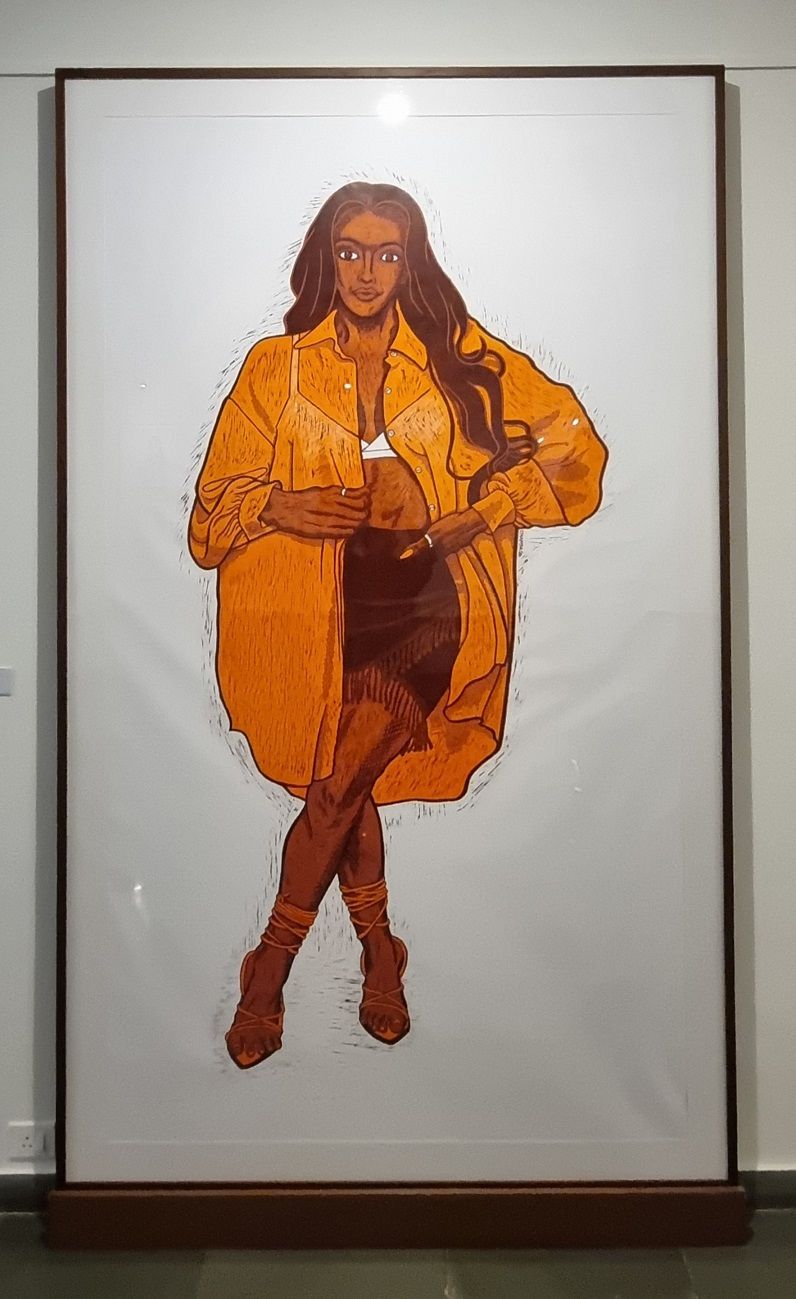
“In this exhibition, Sharath has imagined the gallery space filled with overpowering women avatars, eight feet tall, dwarfing the viewer and engaging us in a visual confrontation and dialogue. Their stances are deliberate; they look you in the eye like epic characters from a projected film, or a cutout outside a film theatre,” art historian and educator Suresh Jayaram writes in the curatorial notes.
<figure class="image embed" contenteditable="false" data-id="580876" data-url="https://images.yourstory.com/cs/2/28b451402d6a11e9aa979329348d4c3e/01-1757827529570.jpg" data-alt="1" data-caption="
Champa Sharath
” align=”center”> Champa Sharath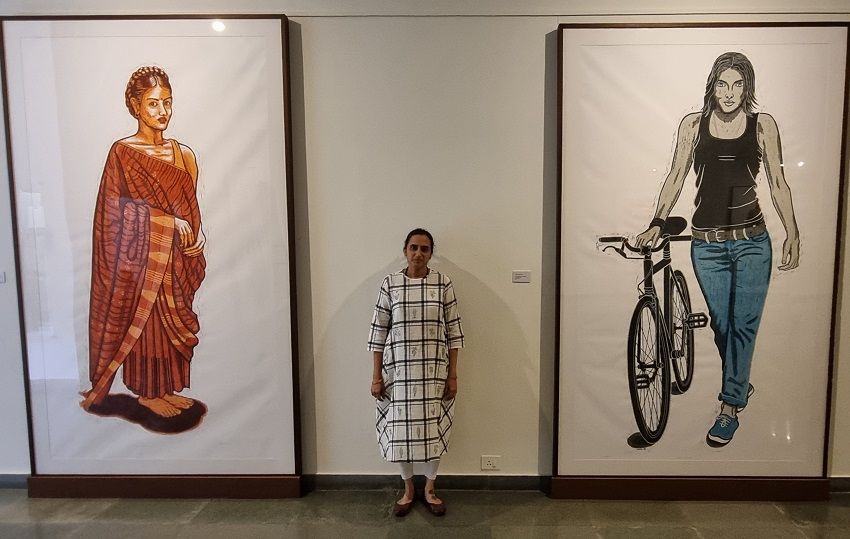
The artist uses her own iconography that draws from myth and lived reality. “The iconography varies from the saree-clad contemporary woman striding to complete her duties as a working woman to the nude, mythic female with eyes reflecting the male gaze,” Jayaram adds.
The large prints reject the traditional portrayal of the female body seen in art and mass culture. They move the perspective away from the male gaze and from the idea of the body as a possession.
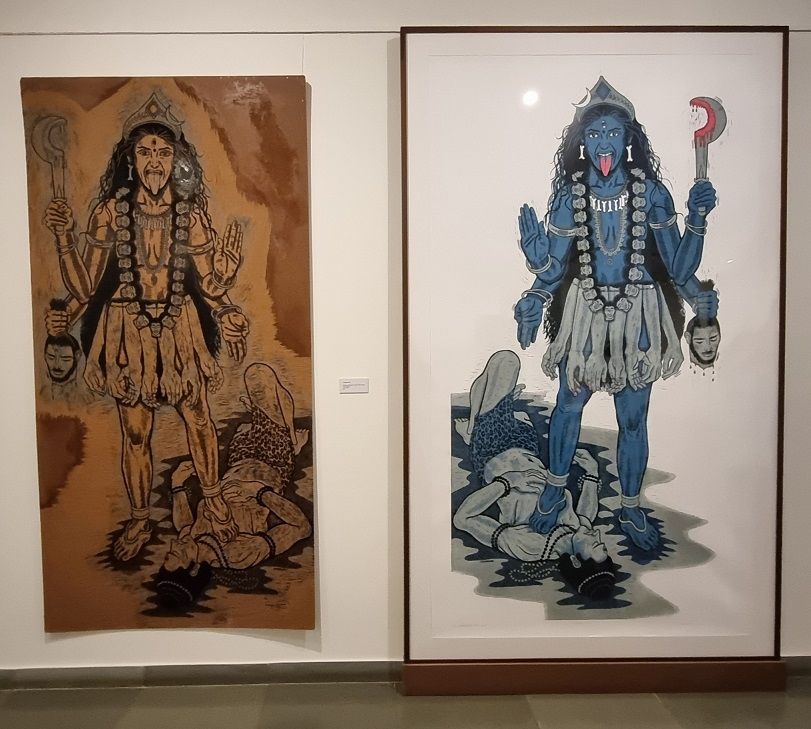
The examples are drawn from the archive of divinities that surround our physical and mental space. For example, there are artworks that depict Kali, Vishnu, Brahma and the naga kanika.
.thumbnailWrapper{
width:6.62rem !important;
}
.alsoReadTitleImage{
min-width: 81px !important;
min-height: 81px !important;
}
.alsoReadMainTitleText{
font-size: 14px !important;
line-height: 20px !important;
}
.alsoReadHeadText{
font-size: 24px !important;
line-height: 20px !important;
}
}

“At the practical level, the whole process of making a woodcut print is very meditative. This spans processes like drawing, cutting the block, and printing,” Sharath explains.
The artistic journey is full of twists and turns, ups and downs. “As a printmaker, I do face technical issues now and then. Sometimes it takes time to analyse and correct oneself. But there is no stopping—whatever odds we face, work has to happen,” she says.
She views art as a mirror of society. “Art holds up current issues constantly, positive and negative ones, and makes us ponder,” Sharath observes.
“Art will express conflict as well. But art also has the power to calm down the mind just as music does,” she adds.
She sees success in art as an internal impact. “In every work, I set a standard in terms of the visual and the technique. I have to reach that—only then will I be satisfied,” she explains.
“Awards do not matter to me, because I believe art cannot be measured as we do in other disciplines. The commercial aspect can definitely be very encouraging when somebody comes forward to acquire one’s art. But honestly, the money part is my last concern,” she affirms.
.thumbnailWrapper{
width:6.62rem !important;
}
.alsoReadTitleImage{
min-width: 81px !important;
min-height: 81px !important;
}
.alsoReadMainTitleText{
font-size: 14px !important;
line-height: 20px !important;
}
.alsoReadHeadText{
font-size: 24px !important;
line-height: 20px !important;
}
}

Sharath calls for more art awareness and appreciation in society. “Art appreciation has to come from within an individual in order to improve its recognition in society,” she suggests.
This is improving in India. “But it’s happening at a very slow pace,” she says.
“I think introducing various forms of art practices at the school level will definitely help students understand art better. This, in turn, will lead to a broader and deeper appreciation of art,” she adds.
Sharath is pleased with the positive and encouraging feedback for her exhibition. “As I was working on this show, during the thought process, I also got three other ideas in different directions. I only need time to bring them to reality,” she says.
She also offers tips from her journey for aspiring artists. “I have always followed two things: never complain, and make the best of what you have,” Sharath signs off.
Now, what have you done today to pause in your busy schedule and harness your creative side for a better world?
(All photographs taken by Madanmohan Rao on location at Gallery Sumukha.)
