

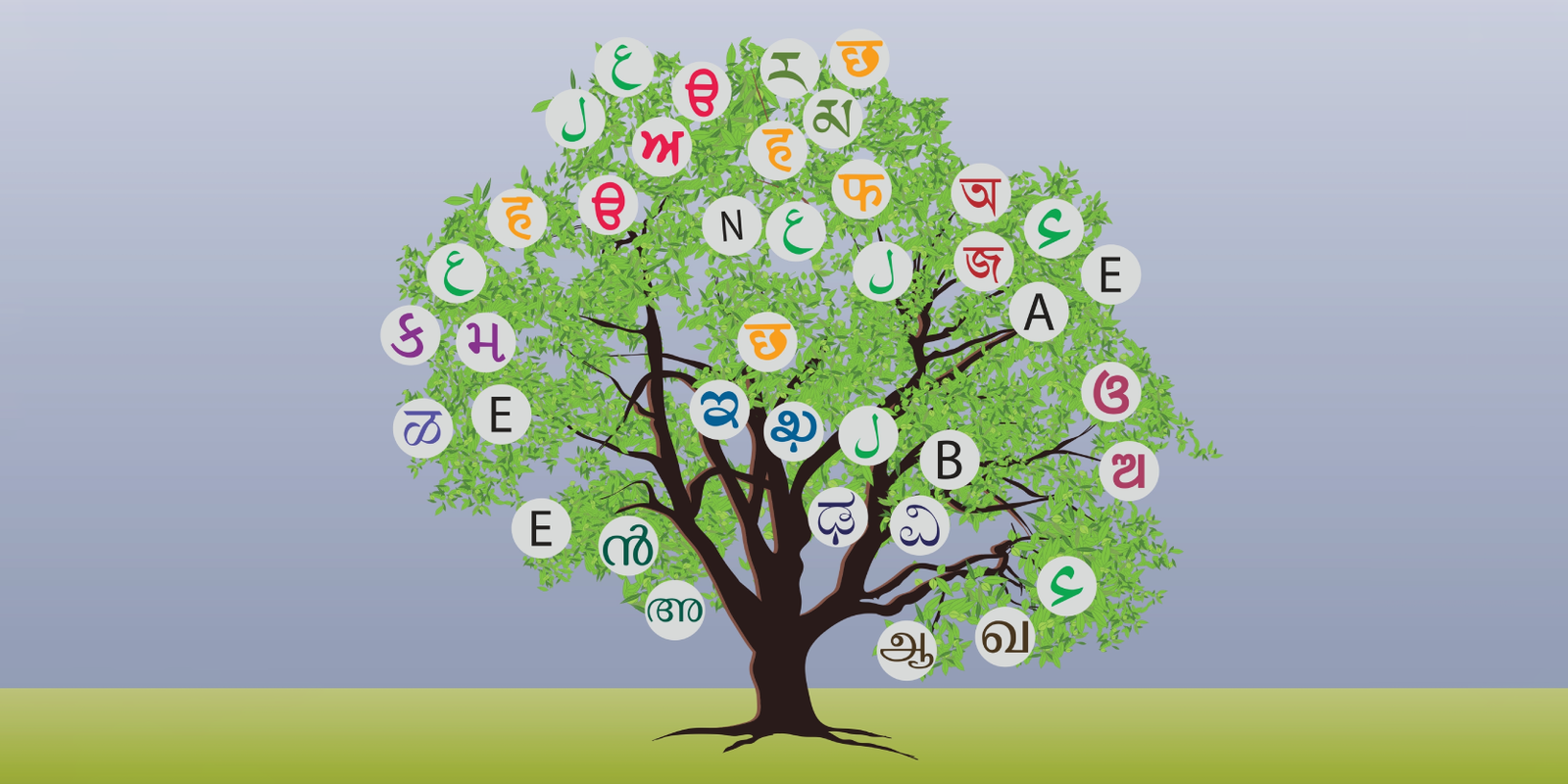
In 2016, when data plans suddenly became cheaper, a wave of first-time internet users surged into India’s small towns and villages. They came online not to binge videos, but to see their own lives reflected, in language, in utility, in context. By 2024, India counted 886 million active internet users, according to a report from the Internet and Mobile Association of India, with rural India accounting for 55% (about 488 million). Almost everyone, 98%, was accessing content in Indic languages, and even in urban areas; 57% preferred digital platforms in their native tongue.
That tidal shift demanded a new kind of platform, one rooted in access, not just content.
Initially, many platforms introduced users to the internet through community bulletins, power cut alerts, mandi prices, or local news snippets in Telugu, Tamil, Kannada, or Bengali. These short, familiar updates helped users build comfort and routine, often making these platforms the second app opened after WhatsApp each morning. Habit formed through relevance, but that alone wasn’t enough.
As the user base grew, so did demands. Users didn’t simply want to read—they wanted to act. Jobs, real estate ads, matrimony listings, and even car resells began tipping the balance. Platforms that enabled transactions delivered real value. But that also exposed a deeper crisis: connecting users wasn’t sufficient when quality and reliability remained unpredictable. In Tier II towns, a listed plumber might also be a driver. An astrologer might double as a loan agent.
<figure class="image embed" contenteditable="false" data-id="580721" data-url="https://images.yourstory.com/cs/21/f02aced0d86311e98e0865c1f0fe59a2/small-business-1590633820394.png" data-alt="Small businesses" data-caption="
” align=”center”>
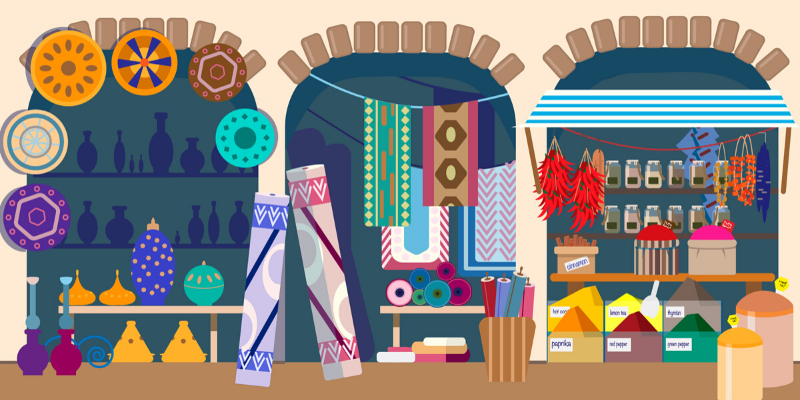
What Bharat truly needed was dependable access
That realisation reshaped platform strategies. Trust became infrastructure, not a feature. Consumer trust hinged on verified credentials, human moderation, genuine reviews, and seamless integration with digital payments. UPI became a game-changer. What was once 90% cash in classifieds evolved into zero-trust platforms to handle payments, so long as reliability was assured.
The dream of the super-app gave way to modular utility. Crisp, single-purpose vertical apps that solved specific problems gained traction faster than one sprawling, confusing interface. Over time, many platforms evolved into collections of standalone services, hyperlocal updates, short-form video content, expert consultations, verified classifieds—each powered by shared backend infrastructure to help testers move fast and scale what worked.
We’ve seen this transition over the past seven years through the lens of platform design and user empathy. One key insight is that building habits and delivering value are distinct acts. Short-form content hooked users; trusted service kept them.
The most critical lesson, however, is that trust must be designed. Verification, safe payment systems, transparent moderation, and vernacular-first user experience are not optional; they are the baseline in low-trust settings. Curation outweighs aggregation in markets where word-of-mouth feedback is quicker and more influential than algorithmically surfaced listings.
We’re only just seeing the next stage of this utility-first evolution. Platforms are now exploring vernacular AI-powered human agents, on-demand agri advice in local dialects, bite-sized finance education, local legal helpdesks, and even wellness clinics delivered via voice-first interfaces. These are not flashy features; they are essential tools empowering millions who once only browsed. The future of Bharat’s digital economy will be defined by solutions that address real friction points in the user’s context.
At a broader level, multiple emerging indicators validate this direction. A recent PayNearby survey found that more than 73% of MSMEs in rural and semi-urban India reported business growth through digital adoption, primarily via smartphones and UPI-based tools. And national collaborations like AI4Bharat and Bhashini are accelerating vernacular AI capabilities, making translation, speech recognition, and local-language chatbots nationally available infrastructure, reinventing how services can be delivered in Hindi, Marathi, Telugu, and more.
Platforms that embrace this evolution are doing more than just scaling; they’re redefining what nationwide inclusion means. They’re not chasing vanity metrics of downloads or views. They’re enabling livelihoods, facilitating access to services, and building trust bridges between users and experts, in the languages they actually understand.
People can sense when technology is built with empathy, and that sensitivity matters more than code elegance. This is not just about scale; it’s about relevance at scale.
The next phase of India’s digital story won’t be powered by more entertainment or English-first interfaces; it will be defined by platforms built for action, empathy, and trust in vernacular-first modes. That’s how Bharat moves from consuming content to unlocking access.
And in that shift, real digital inclusion is born.
(Jani Pasha and Vipul Chaudhary are co-founders of Lokal, a discovery platform for Bharat users.)
Edited by Kanishk Singh
(Disclaimer: The views and opinions expressed in this article are those of the author and do not necessarily reflect the views of YourStory.)
