

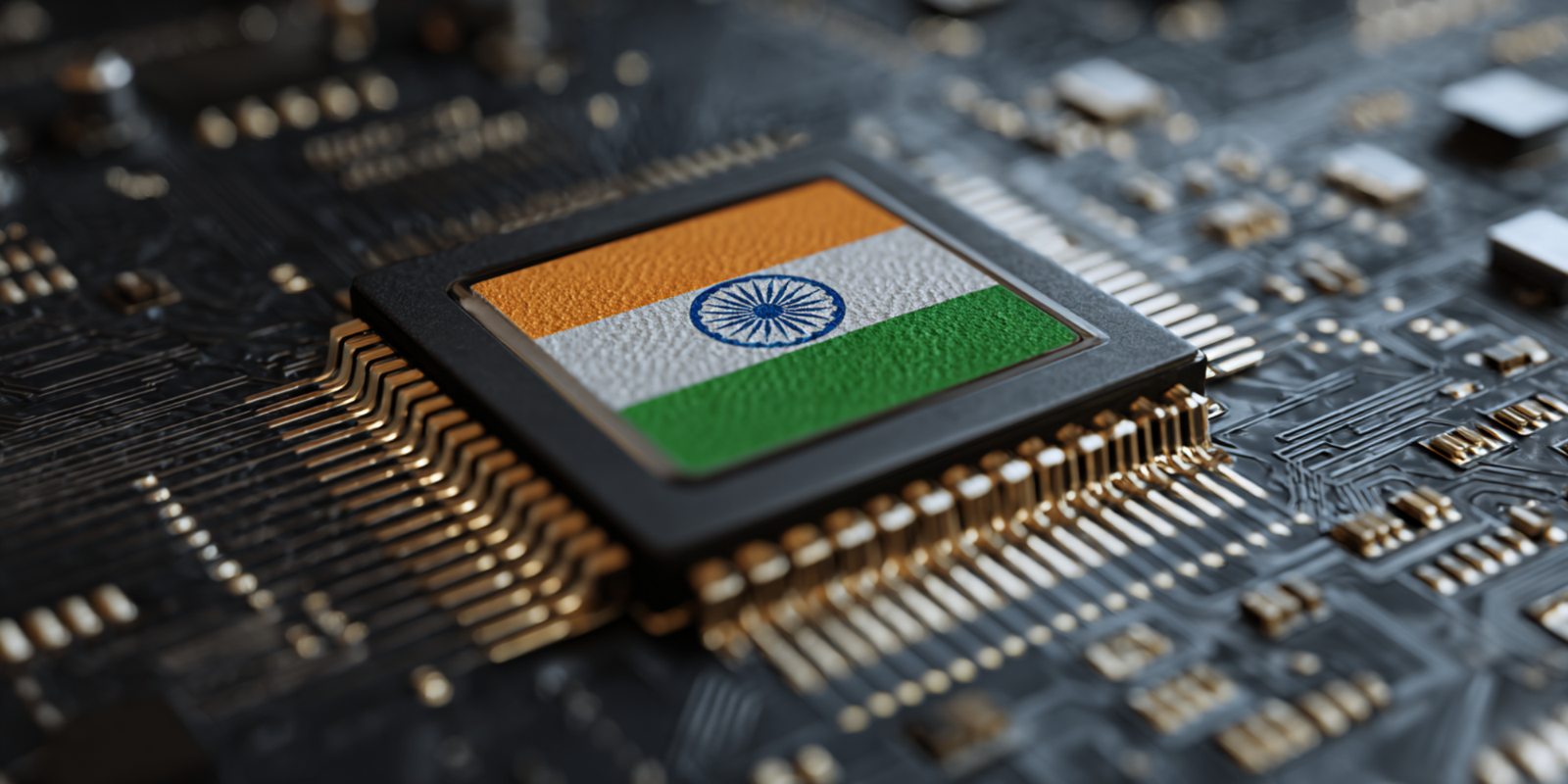

India’s semiconductor industry, valued at $54.32 billion in 2025, is expected to almost double to $103.5 billion by 2030, making the country a global hub next only to the US.
According to a report The Chip Catalyst: India’s Emerging Semiconductor Ecosystem by staffing and workforce solutions company Quess, India has an estimated 250,000 semiconductor professionals. This number is projected to touch 400,000 by 2030, registering a growth of 122%.
Already an established global destination for software professionals, India is now emerging as a hotbed for semiconductor talent thanks to the push by central government.
Chip design, especially, is a focal point for policymakers.
The India Semiconductor Mission is building the backbone for domestic capability. It is backed by Rs 1.6 lakh crore worth of projects and close to 29,000 new jobs, according to the report.
Currently, around 60% of the domestic semiconductor talent pool is focused on engineering & IT and R&D. The rest work in assembly, testing, marking and packaging (ATMP) segment, which is largely related to the manufacturing aspect of semiconductors.
A young and adaptable workforce along with a strong pipeline for design, verification and embedded roles is among India’s biggest strengths.

However, a shortage of experienced professionals adds to the country’s challenges. According to Quess’ report, only 20% of the workforce fall into the category of mid-senior and above roles.
This could lead to a leadership bottleneck in segments such as analog IC, verification, physical design and AI-driven EDA flows.
As for salaries in the field, Specialist roles such as SoC Architects, Senior SoC Design Engineers, and Analog IC Designers now command between Rs 50 lakh and Rs 85 lakh annually, according to the report. These salaries are projected to grow 5-6% in the near term.
The semiconductor industry is also mirroring the IT sector in terms of where the talent pool is located. An overwhelming 72% of workers are present in the Tier I locations like Bengaluru and Hyderabad. Bengaluru alone accounts for 51% of the talent pool.
Emerging cities for semiconductor talent pools include Ahmedabad, Mohali, and Thiruvananthapuram. The growth of these locations can be attributed to the support given by state governments in terms of incentives, presence of ESDM (Electronics System Design & Manufacturing) parks and manufacturing initiatives of the centre.
Although these centres have the advantage of lower costs and a sizable talent pool, their biggest obstacle is the absence of senior resources.
Semiconductor is the new battleground for nations across the world and India has all the ingredients to become a key player globally.
Edited by Affirunisa Kankudti
