

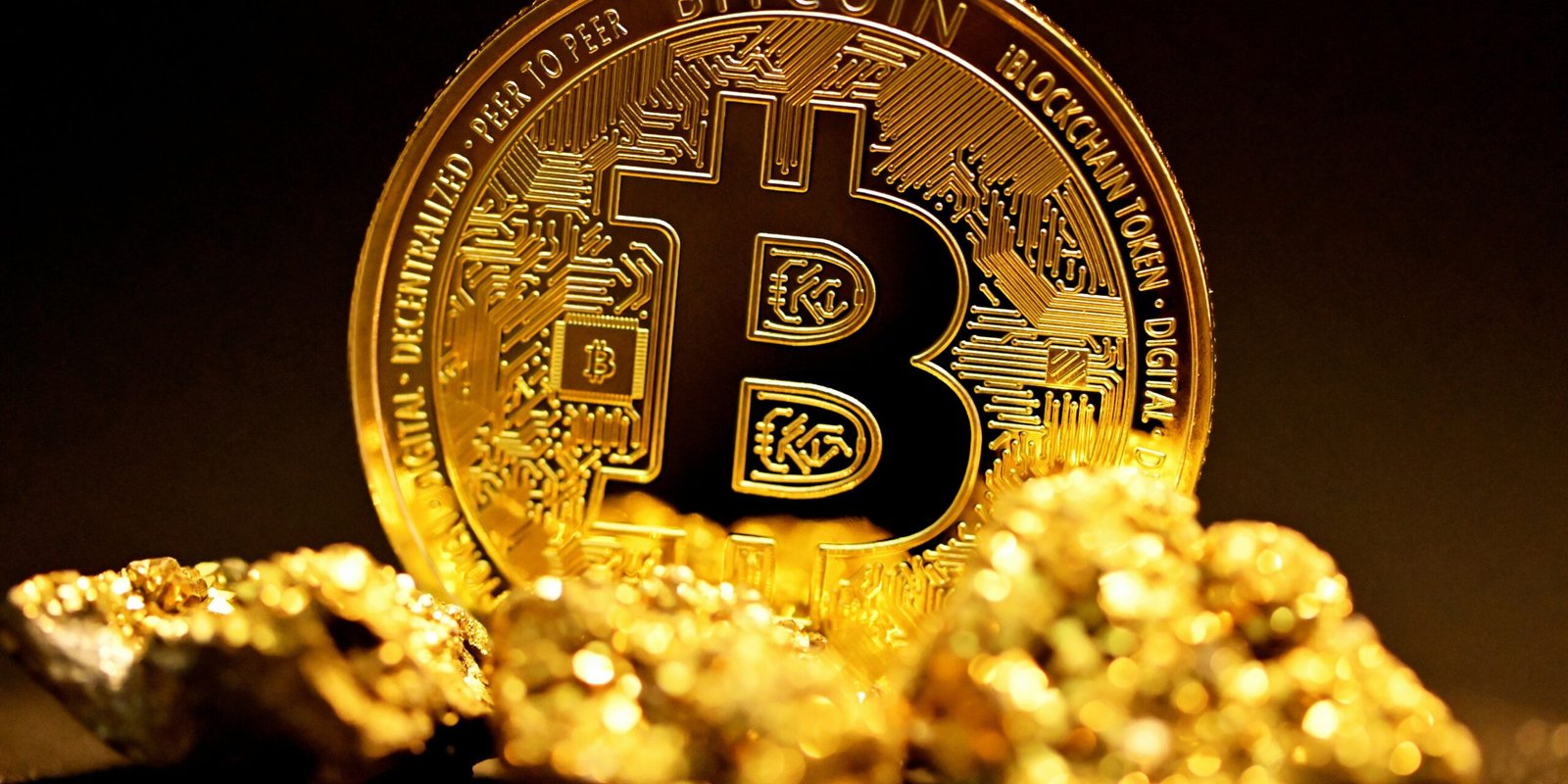

Requirement leads to innovation, and this is the aspect that has led to the comprehensive transformation of global financial models. The world has relied heavily on traditional assets like gold for a significant time. However, decentralised finance (DeFi) has forced modern investors to truly diversify their portfolios.
The public release of bitcoin is being considered a watershed moment in the history of wealth creation, and as things stand, gold and bitcoin have essentially beaten almost all assets out there in terms of comprehensive wealth.
In the last decade, gold and bitcoin have faced stark competition from numerous asset categories, including the world’s leading equity indices. In India, the Nifty 50 has been one of the best performers for wealth creation across the world. Beyond the equity market, debt, securities, other commodities, annuities and others have all provided significant returns if we take a decade-long outlook. However, gold and bitcoin have turned multibaggers in consecutive years, and investors across levels—retail, institutional and governments—have taken heed.
Furthermore, wealth creation strategies have also been subject to significant changes in the last decade. Modern investors are no longer interested in garnering long-term exponential returns, but are more favourable towards sustaining logarithmic or cumulative returns. This is where gold and bitcoin have become synonymous with assets with immense profit potential, leading to modern-day investors opting for the duo instead of other more traditional assets in their wealth creation strategy.
Liquidity as a catalyst
A critical aspect of wealth creation strategies has always been the ease of liquidity. Traditional assets like land across the world have given prominent returns; however, the asset itself remains less liquid in comparison to gold and bitcoin.
A very particular model exists in India in this aspect, where land and gold have historically been revered for their wealth creation potential, and the fact that these assets are part of the mass culture has also helped them to become mainstream assets.
However, risk-efficient investors in India also understand the fact that while both assets have significant wealth creation potential, land remains highly illiquid in comparison to gold. On the other hand, physical gold is often difficult to maintain at home for security reasons, leading to the gradually increasing popularity of digital gold and sovereign gold bonds.
Bitcoin has proved to be a worthy peer of land and gold in this aspect. Since its public release in 2009, it has accumulated unprecedented growth. For a more conservative approach, it has been able to accumulate over 900% of return in the last five years. In contrast, gold has appreciated approximately 200% in the last six years in India, leading to the unprecedented inclusion of these assets in modern investors’ wealth creation strategy.
It is imperative to understand that while investors in bitcoin and gold have witnessed significant participation over the last decade, adoption rates have been proportional to the risk appetite of investors. For example, investors who are open to exposing themselves to higher risk for more profits have participated in bitcoin more. Gold, on the other hand, has remained a conscious choice for cultural and risk-averse investors who are looking for stable growth.
Why gold and bitcoin?
While it is established that modern wealth creation strategies have changed significantly, it is critical to understand why investors have been choosing gold and bitcoin over other assets. These two assets have essentially become the twin pillars of modern wealth creation strategies, driven by their accumulated returns within a predetermined span of time, along with investor goals. The requirement to establish a decentralised model of finance has also played a key role in this, with bitcoin having the largest share of voice in the domain, it has essentially strengthened its position.
The price appreciation of both gold and bitcoin, especially in India, is happening at a time of a massive increase in per capita income. As individuals earn more, their capacity for investments goes up dramatically. This model is flourishing in India because of the country’s rapid ascent to prominence and rising wealth accumulation. Backed with multibagger status, this has played a key role in attracting investors to include bitcoin and gold in their wealth creation strategies, something that is projected to increase in the coming years.
Furthermore, policy reforms like reduced taxation have helped the growth of gold as an asset among the masses in India. The country already boasts one of the largest investor ecosystems that has already adopted bitcoin, and a supportive environment will help increase the adoption rate further in the coming years.
What’s next?
Both gold and bitcoin are projected to appreciate in value in the coming years. Simultaneously, new investors would look to make them part of their portfolios in the hopes of considerable wealth creation. In India, policy reforms regarding digital assets would pave the way for increased adoption, and there is little doubt over how wealth creation strategies would comply with this gradual change.
The mid- to long-term views of gold and bitcoin’s price appreciation remain bullish, and institutional participation would certainly boost the aspect for all stakeholders concerned.
The author is Co-founder & CEO of GoSats, a bitcoin and gold rewards company.
Edited by Swetha Kannan
(Disclaimer: The views and opinions expressed in this article are those of the author and do not necessarily reflect the views of YourStory.)
