

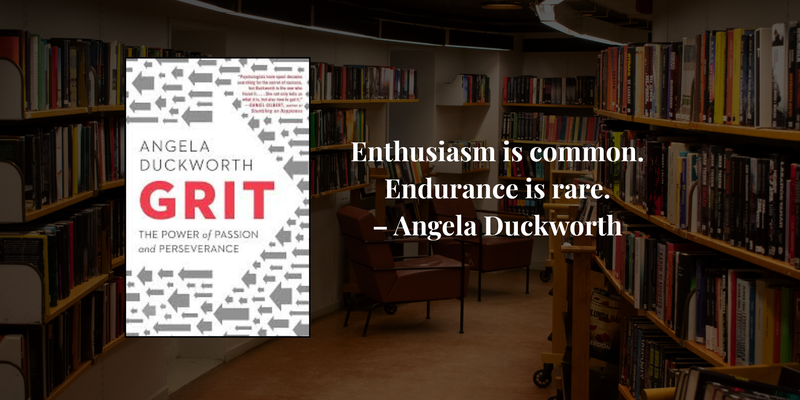
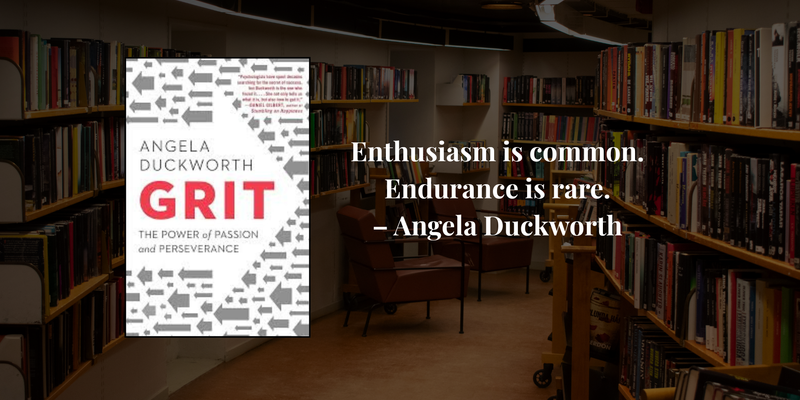
In a world obsessed with quick wins, overnight fame, and instant gratification, it’s easy to believe that success belongs only to those born with extraordinary talent or luck. Yet, psychologist and author Angela Duckworth challenges this very idea in her groundbreaking book Grit: The Power of Passion and Perseverance. Through years of research and compelling stories, Duckworth reveals a truth that can transform the way we approach our goals: Talent matters, but perseverance matters more.
She calls this rare blend of determination and sustained effort “grit.” It’s not about working hard for a week or a month—it’s about showing up every single day, even when things get tough, boring, or uncertain. Duckworth’s work doesn’t just inspire; it offers practical, science-backed strategies to build resilience, overcome setbacks, and sustain motivation for the long haul. Whether you’re a student, entrepreneur, athlete, or simply someone chasing a personal dream, the lessons from Grit can help you turn fleeting ambition into lasting achievement.
Below, we’ll explore the most powerful takeaways from Duckworth’s book and how you can apply them to create your own version of lasting success.
Angela Duckworth’s lessons on success
1. Passion and perseverance beat talent
One of the book’s core messages is that talent alone does not guarantee success. Many highly gifted individuals fall short because they lack the determination to keep going when faced with challenges. Duckworth’s research shows that grit, a combination of passion for a goal and unwavering perseverance, is often a better predictor of success than raw ability.
Lesson: Instead of focusing solely on improving your skills, nurture your ability to stay committed over the long term.
2. Effort counts twice
Duckworth presents a simple but profound formula:
Talent × Effort = Skill
Skill × Effort = Achievement
Effort appears in the equation twice, making it more important than talent in the journey toward mastery. You can’t control how naturally gifted you are, but you can control how much effort you put in, day after day.
Lesson: Don’t be discouraged if you start with less talent. Consistent practice can close the gap.
3. Embrace a growth mindset
Inspired by psychologist Carol Dweck’s research, Duckworth emphasises that people with a growth mindset, the belief that abilities can be developed, are more likely to persevere. Viewing challenges as opportunities to learn makes it easier to keep going when things get tough.
Lesson: Instead of asking, “Am I good at this?” start asking, “How can I get better at this?”
4. Purpose fuels persistence
Passion alone can fade without a deeper sense of purpose. Duckworth’s interviews with high achievers reveal that they often connect their work to a mission larger than themselves. This sense of purpose helps them stay motivated even when progress feels slow.
Lesson: Link your goals to something meaningful, helping others, creating impact, or solving a problem you care about.
5. Grit can be grown
The most encouraging part of Grit is the reminder that grit is not fixed, it can be developed. Small daily habits, a supportive environment, and learning from failure all contribute to building perseverance over time.
Lesson: Treat grit like a muscle, train it consistently through challenges, reflection, and practice.
Final thoughts
Angela Duckworth’s Grit is not just a book about working hard, it’s a blueprint for building an inner strength that can carry you through life’s toughest challenges. By focusing on passion, persistence, purpose, and practice, you can create a success story that lasts far beyond a single achievement.
