

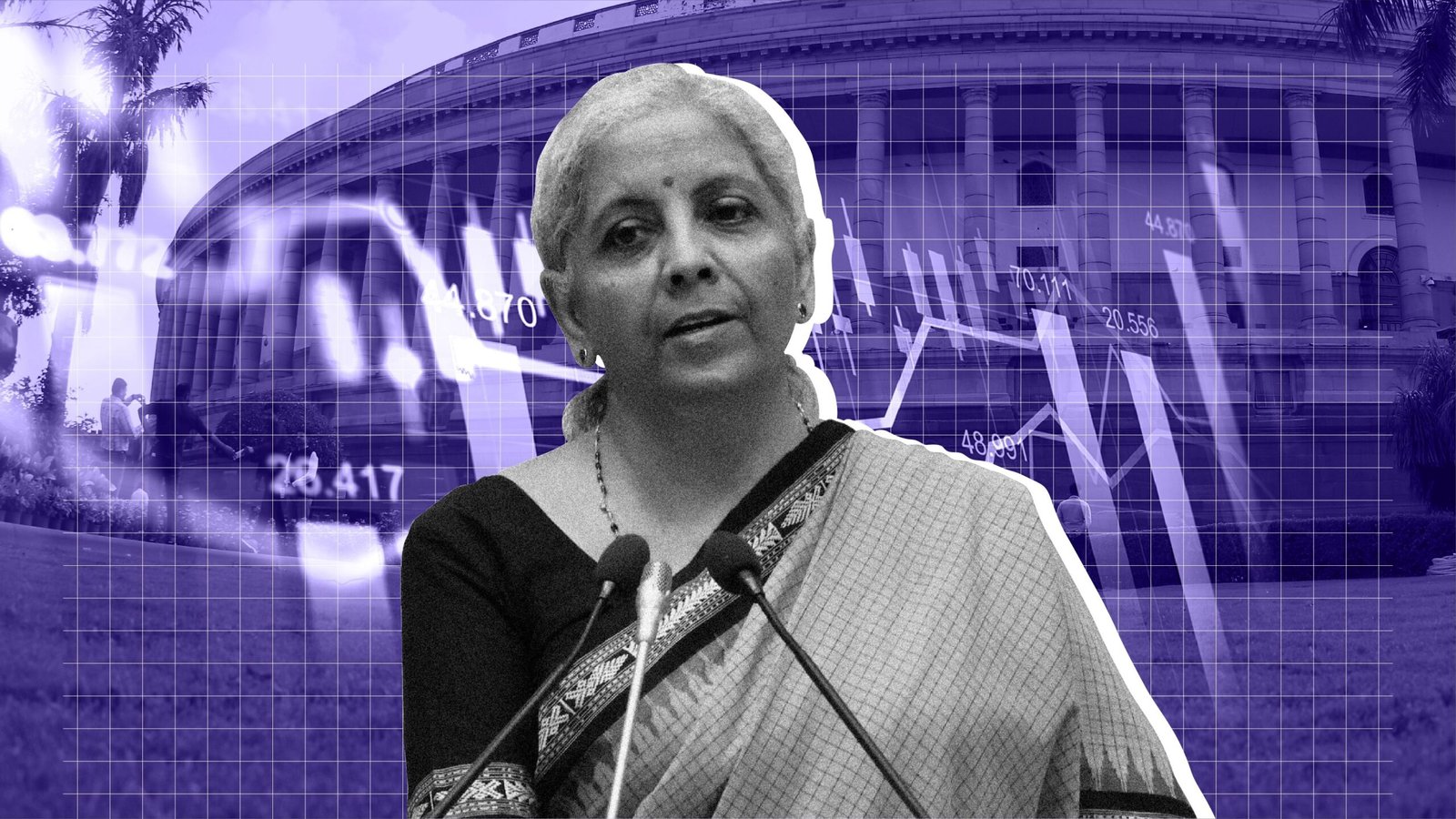
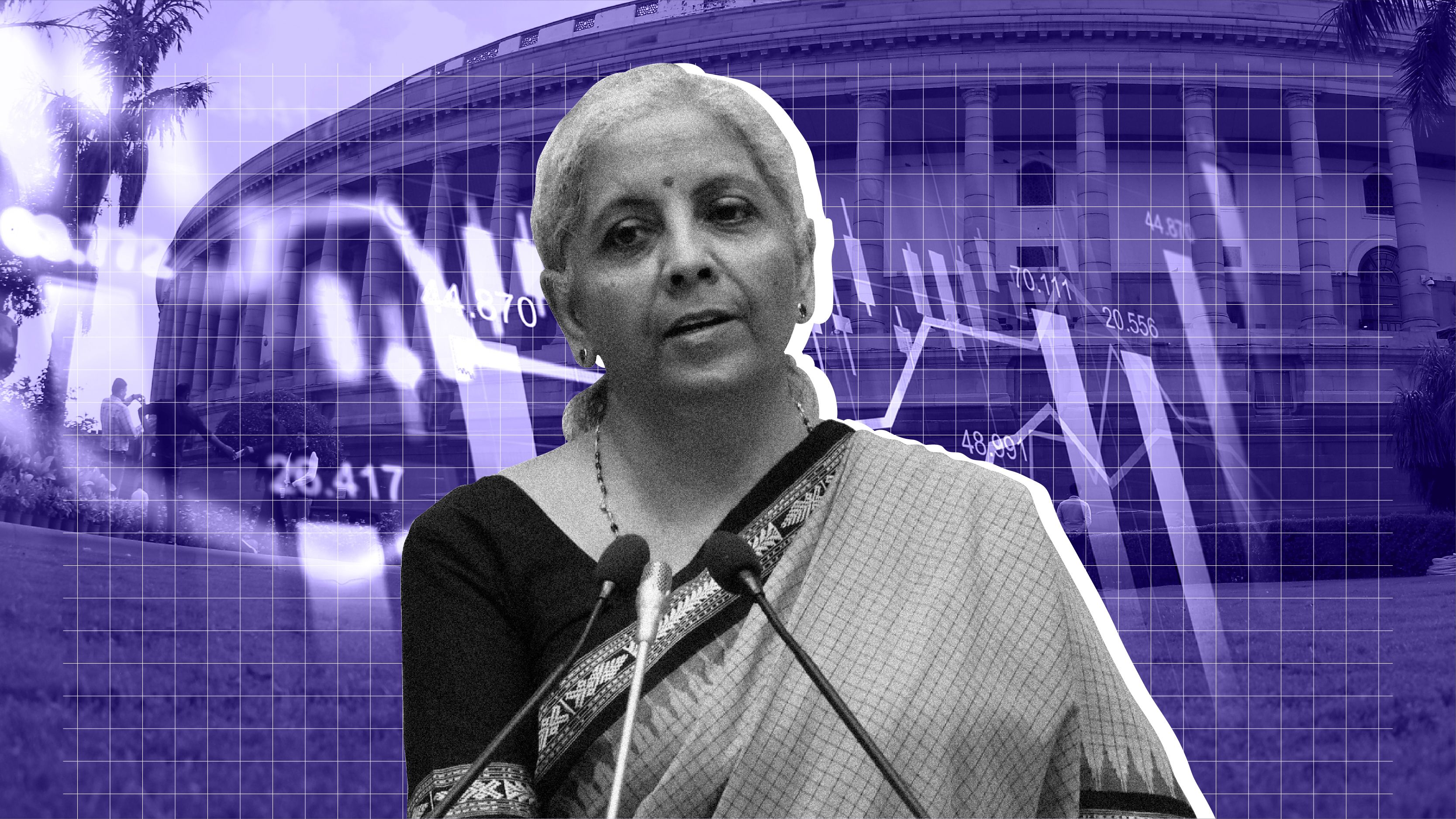
India has reduced taxes on medicines, medical devices, and health insurance in one of the most sweeping healthcare tax reforms since the introduction of the Goods and Services Tax in 2017, a move industry executives say will make treatment more affordable but may not address deeper structural challenges.
The government eliminated the 12% GST on 33 life-saving medicines, including some of the world’s most expensive therapies. Onasemnogene abeparvovec—a gene therapy for spinal muscular atrophy—will now be tax-free, along with high-cost cancer drugs such as Daratumumab and Atezolizumab. The tax exemption could save families several hundred thousand rupees per treatment course.
At the same time, taxes on all other medicines and formulations—from conventional pharmaceuticals to Ayurvedic preparations—dropped from 12% to 5%.
Medical devices and consumables, including blood glucose meters, surgical gloves, and diagnostic kits, also saw their tax burden reduced to 5% from as high as 18%.
Health and life insurance premiums, previously taxed at 18%, are now completely exempt.
The changes address a critical pain point in Indian healthcare, where out-of-pocket expenses account for nearly two-thirds of total healthcare costs—among the highest rates globally. For a rapidly ageing population increasingly burdened by chronic diseases and cancer, the tax changes are a relief as medical inflation continues to outpace general price increases.
“The decision to reduce GST on medicines and healthcare products is a welcome and progressive step that will make treatment more affordable and accessible,” said Nikkhil K Masurkar, CEO of Entod Pharmaceuticals.
.thumbnailWrapper{
width:6.62rem !important;
}
.alsoReadTitleImage{
min-width: 81px !important;
min-height: 81px !important;
}
.alsoReadMainTitleText{
font-size: 14px !important;
line-height: 20px !important;
}
.alsoReadHeadText{
font-size: 24px !important;
line-height: 20px !important;
}
}

Industry welcomes relief but warns of complications
While healthcare companies and hospital operators cheered the reforms, many cautioned that implementation challenges could limit their effectiveness. The new tax structure has created what industry executives call an “inverted duty structure,” where finished medical devices now carry a 5% tax while their raw materials and components face 12% to 18% taxes.
“This squeezes margins, strains cash flows, and disadvantages small and mid-sized domestic manufacturers,” Masurkar said. The mismatch could force companies to absorb higher input costs or seek complex tax credit arrangements that may not fully offset the burden.
Hospitals, which typically pass device and supply costs directly to patients, are expected to lower bills in response to the reduced taxes. Dr. Pallavi Sharma, Director at Kailash Hospitals, said the reform would “encourage wider adoption of advanced technologies across healthcare settings.”
Dr. Govindaiah Yatheesh, Chief Operating Officer at Apollo Hospitals in Bengaluru, called the reforms a “commendable step” toward affordability, especially for high-cost therapies. “Therapies for rare diseases such as Onasemnogene abeparvovec, Daratumumab and Emicizumab have historically imposed significant financial strain on patients. The revised GST structure alleviates part of this burden, particularly for genetic and oncology treatments,” he said.
Similarly, lowering GST on essential supplies such as oxygen concentrators, glucometers, and spectacles has “a direct and meaningful impact on patients managing chronic disease.” He added that by cutting tax overheads, providers are better positioned to pass benefits to patients, improving treatment adherence and outcomes.
The insurance tax elimination drew particular praise from industry observers, who see it as potentially transformative for India’s underpenetrated insurance market. “This will make coverage more affordable, encourage uptake among the ‘missing middle,’ and help bring down out-of-pocket spending,” said Bhanu Prakash Kalmath, a healthcare expert at Grant Thornton Bharat.
Medical technology companies expect the simplified tax structure to drive broader adoption of diagnostic and treatment devices. Deepak Sharma, Co-founder and CEO of MedLern, said the policy “fosters an environment conducive to innovation and broader access.”
For investors, the changes signal government support for healthcare innovation. Ajay Mahipal, Co-founder of HealthKois, said the tax waiver on biologics would benefit crowdfunding platforms and startups raising money for rare disease and cancer therapies. Lower device taxes would help companies like diabetes management firm BeatO and diagnostic provider Redcliffe Diagnostics.
Broader healthcare access challenges remain
Despite the sweeping tax cuts, healthcare executives acknowledge that affordability remains just one barrier to broader medical access in India. The country still lacks adequate healthcare infrastructure in rural areas, faces physician shortages, and struggles with inconsistent drug pricing policies.
Dr. Harsh Mahajan, Founder of Mahajan Imaging and Chairman of the industry association FICCI’s Health Services Committee, welcomed the device tax cuts, but noted that hospitals continue to bear “embedded taxes” of 18% on leases and service contracts.
The pharmaceutical industry continues to push for additional reforms, including zero import duties on life-saving equipment and drugs. “The larger goal must be to move towards zero import duty and GST on sight-saving equipment and drugs,” Masurkar said. “Only then can we balance affordability for patients with sustainable growth for manufacturers.”
For India’s growing elderly population, the changes represent a significant step toward more accessible healthcare. Sonia Mehta, Founder of senior care company Everbloom, said the reforms would help older adults “access timely care at home, reduce hospital dependence, and maintain a better quality of life.”
The tax cuts also reflect a broader policy shift toward viewing healthcare as a social priority rather than a revenue source. As India grapples with rising medical costs and an ageing demographic, the government appears increasingly willing to sacrifice tax revenue to improve healthcare accessibility, which could serve as a model for other developing economies facing similar challenges.
Whether the reforms will translate into meaningfully lower healthcare costs for Indian families will depend largely on how quickly companies pass through the savings, and whether the government addresses the structural issues that continue to complicate the healthcare tax landscape.
Edited by Suman Singh
