

When The Sopranos debuted in 1999, the series moved the cultural needle in innumerable ways — not least with its depiction of a hypermasculine man in a therapist’s office.
Over six seasons, the series featured eponymous mobster Tony Soprano’s regular visits with Dr. Jennifer Melfi — a subplot so socially impactful that actress Lorraine Bracco was once honored by the American Psychoanalytical Association.
In the decades since the HBO series challenged white men’s historical aversion to the therapist’s couch, men of color have remained largely absent from that needle-shift. Shows like Atlanta and This Is Us are among the few hits in the past quarter century in which a man of color visited a therapist.
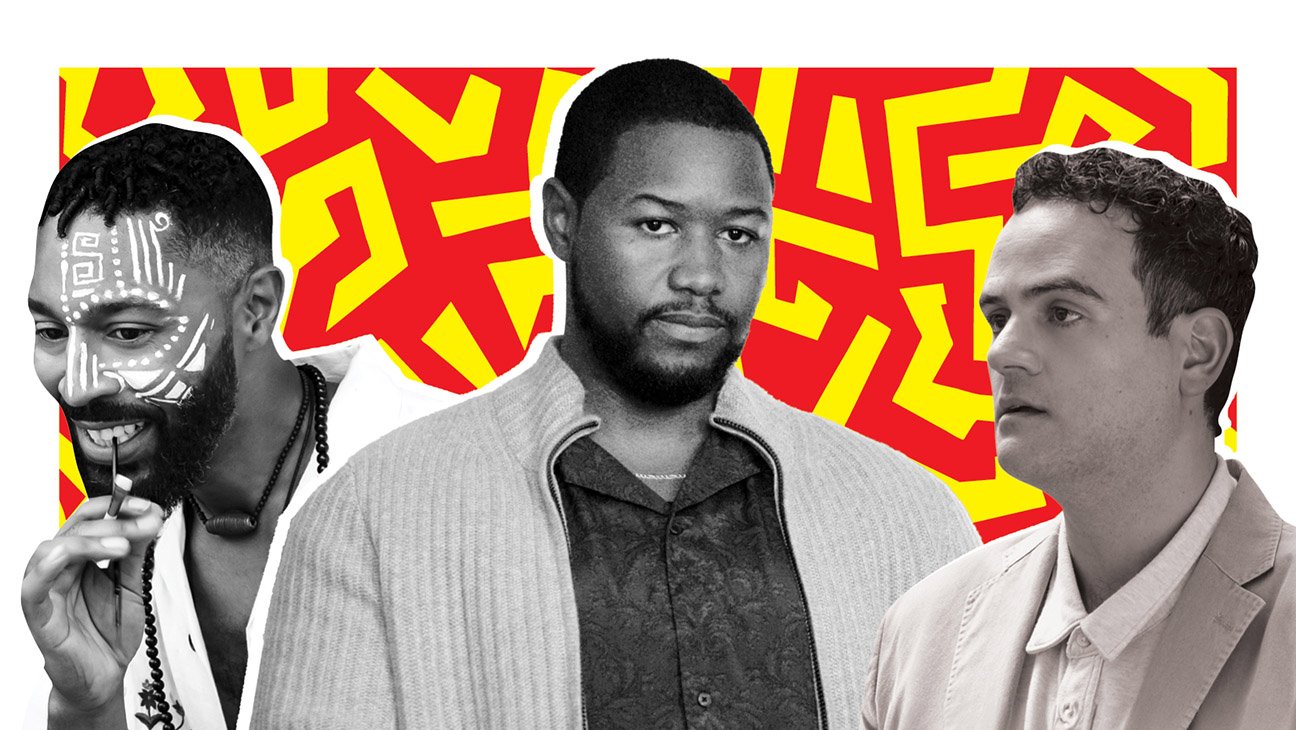
But at least three series this season — Netflix’s Survival of the Thickest and Mo, and Apple TV+’s Shrinking — have devoted significant time to unpacking men of color’s complicated history with psychotherapy. This collection of disarming portrayals depicts realities and dispels stereotypes, and potentially even shifts real-world behaviors.
“A thing that all of us [writers] were most attracted to is how do you take care of your mental health when you don’t even know that you have to,” says Survival of the Thickest star and co-creator Michelle Buteau, whose Black male lead Khalil (Tone Bell) starts to consider therapy, then takes the plunge after learning on the basketball court that many of his Black male friends already go. “I was also really inspired by — we talked about this in the room a little bit — when Will Smith and Chris Rock had that moment at the Oscars. I was just like, ‘These two very successful Black men that have access to all the resources still somehow, from what I saw, haven’t worked through it yet.’ “
Mo creator and star Mo Amer’s experience with a brother who has multiple disabilities (along with show consultant Dani Rodwell, a clinical social worker with autism who specializes in neurodevelopmental disabilities) shaped the depiction of Sameer (Omar Elba), Mo’s older brother who receives an autism diagnosis. In season two, Sameer’s sister Nadia (Cherien Dabis) sets up an appointment with a therapist after years of their mother’s reluctance.
“In real life, I did that with my brother, and he was very responsive to it,” Amer, who notes his family has always been more open about these discussions, says. “A lot [of people] within our [Palestinian American Muslim] community deny what’s actually going on and don’t deal with it head-on; they just self-diagnose, in a way. But it’s important to own [in the show] if we are helping [Sameer] or hurting him. That’s something I needed to acknowledge: Move forward as a family with love, care and understanding.”
Meanwhile, in the latest season of Shrinking, Sean (Luke Tennie), a veteran with PTSD, continues treatment despite an emotional blowup with his estranged father, who downplays the impacts of his therapy. Tennie credits writer Bill Posley, who worked in his perspective as a Black veteran. “We see [Sean] get excited, or even begin to lean on his therapy as a way to give him more choices than the ones he had before. We start to see somebody who’s using a tool for himself instead of just being reprimanded by it,” says the actor.
Tennie also notes that the initial paternal rejection offered its own opportunity for real-world mirroring. “A lot of these Black dads are not going to say sorry,” says the actor. “But what we’ve provided is a catharsis and a hope that could convince other people that they could be the father who gives this to their child.”
These portrayals enter a world in which men of color have had a far more wary attitude toward therapy than white men. Between 2010 and 2013, white men with daily feelings of anxiety and depression were up to two times as likely to talk to a medical professional than Black and Hispanic men, according to the CDC.
“The historical relationship between men of color — particularly Black men — and therapy has been shaped by systemic inequities, cultural stigmas and a legacy of mistrust toward mental health institutions,” says Dr. Nashira Funn Kayode, a longtime clinical social worker and mental health expert in the areas of trauma, PTSD and criminal justice-involved individuals. “[This has] led to Black men being less likely to seek treatment and more likely to receive inadequate care when they do.”
But more positive depictions of men of color in therapy are cropping up now, say experts, due to the streaming age’s influx of writers of color as well as evolving attitudes within society itself.
“There’s a cadre of people coming out of the 1990s and 2000s era, which is when you’re starting to see more boys — especially boys of color — having disciplinary problems in school, learning disabilities,” says Stephanie Troutman Robbins, head of the Gender & Women’s Studies department at the University of Arizona. That fact, she says, meant many more adults today were as children brought “into contact with the guidance counselor, with a psychoanalyst.”
The TV trend could further accelerate these shifts. Research published in 2016 by the American Psychological Association found that portrayals of therapy decreased stigma around mental health. And Bracco has said that more men started going to therapy because of Tony Soprano.
Experts are hoping for the same effect from these new depictions. Says Troutman Robbins: “I’m here to see proces ses that are often either inaccessible or underrepresented demystified.”
This story first appeared in a June stand-alone issue of The Hollywood Reporter magazine. To receive the magazine, click here to subscribe.
