

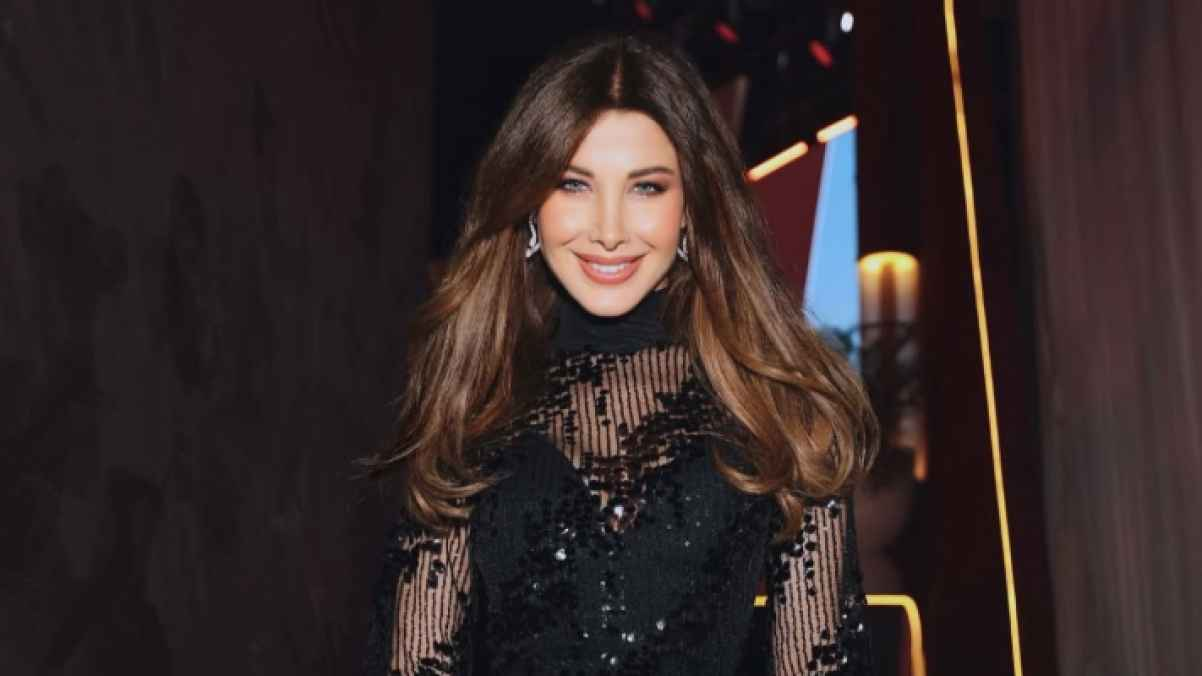
From Cairo to Beirut, from Riyadh to the world stage, Arabic music has long been carried by voices that transcend borders, trends and time. Among the artists who defined and redefined the sound of the region are Amr Diab, Nancy Ajram, Elissa and Mohammed Abdu—four performers whose careers represent different eras, styles and philosophies, yet share one powerful common thread: evolution.
Amr Diab: The Architect of Modern Arab Pop
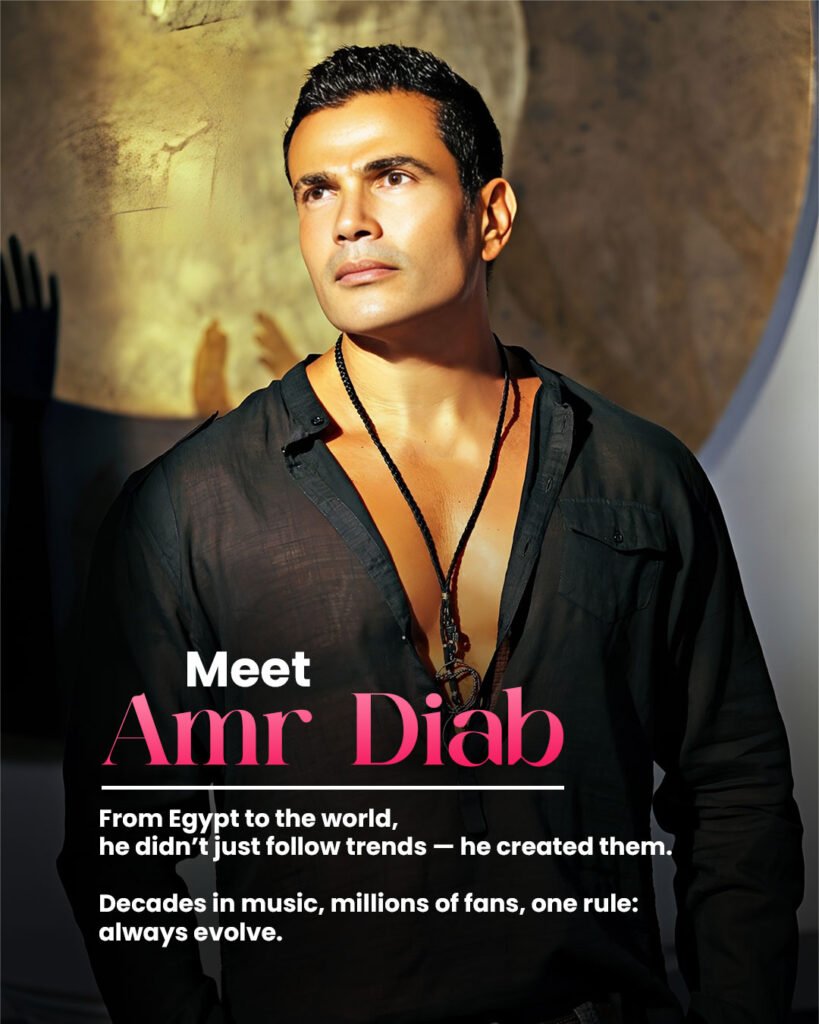
For decades, Amr Diab has stood at the intersection of tradition and innovation. Emerging in the 1980s, he quickly distinguished himself by blending Western pop structures with Arabic melodies and rhythms. While others followed established formulas, Diab experimented—with production, visual identity and international collaborations—creating a new blueprint for Arab pop stardom.
His influence stretches far beyond hit singles. Diab reshaped the sonic landscape of Arabic music by introducing Mediterranean beats, electronic textures and polished studio production long before such elements became mainstream in the region. More importantly, he understood reinvention. Each album marked a stylistic shift, ensuring he never remained trapped by nostalgia.
In an industry where longevity is rare, Diab’s ability to consistently top charts across decades reflects a strategic understanding of audience psychology and brand identity. He is not just a singer; he is a cultural strategist who turned evolution into a career principle.
Nancy Ajram: The Power of Authenticity
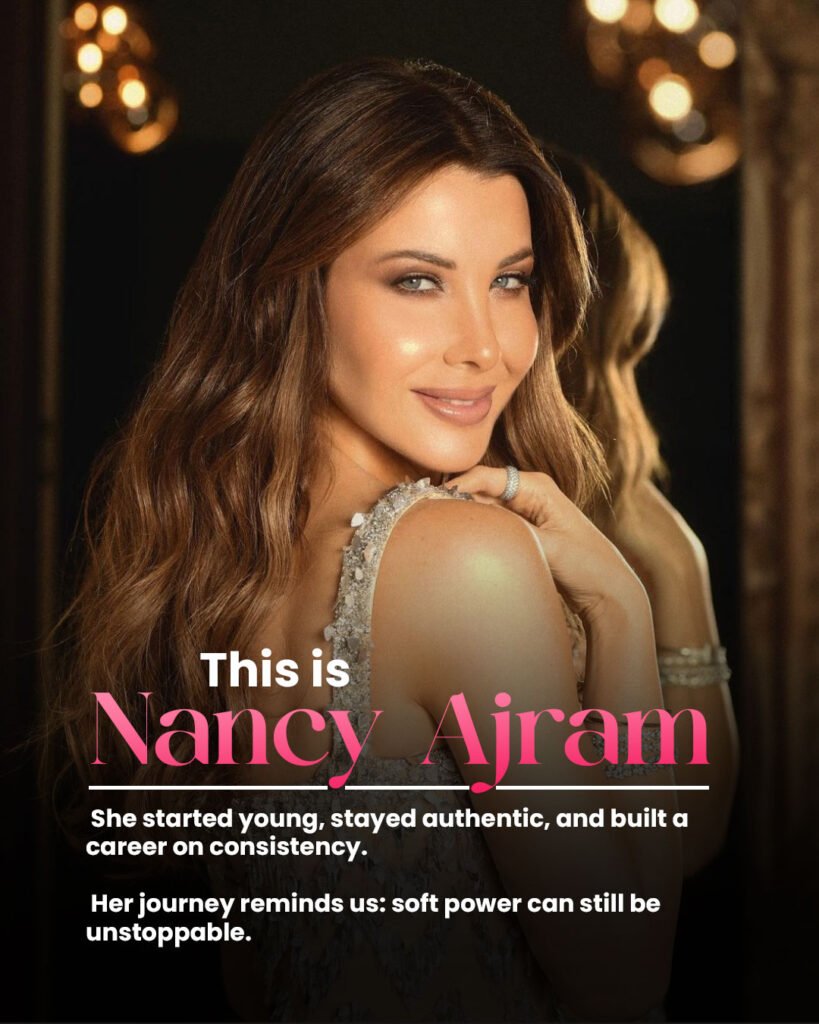
Nancy Ajram entered the spotlight at a young age, navigating an industry often shaped by rigid expectations. What set her apart was not only her vocal clarity but her ability to balance commercial appeal with relatability. Her early 2000s breakthrough marked a new era for female pop artists in the Arab world—youthful, confident and unapologetically modern.
Ajram mastered the art of simplicity. Her songs, often playful and emotionally accessible, resonated across age groups and demographics. Yet beneath the approachable image lies strategic consistency. She maintained a clear brand identity—soft power, charm and emotional sincerity—while steadily expanding her repertoire.
Over time, Ajram transitioned from rising star to cultural fixture. Her career demonstrates that staying authentic can be more powerful than chasing trends. In an industry frequently driven by reinvention through spectacle, she proved that credibility and connection create deeper longevity.
Elissa: Turning Vulnerability Into Strength
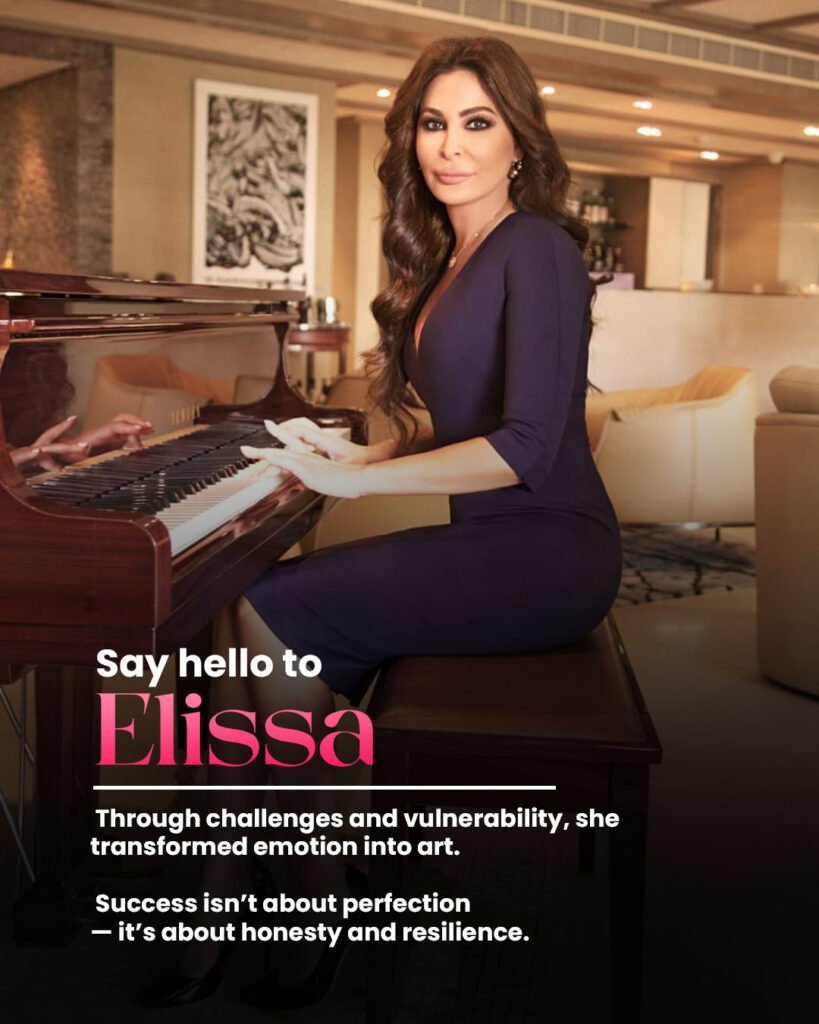
Elissa represents another dimension of Arabic pop—the emotionally driven, introspective performer. Her music often centers on heartbreak, resilience and personal growth, themes that resonate widely across the region. But what truly defines her legacy is transparency.
Throughout her career, Elissa has faced professional challenges and personal trials in the public eye. Rather than retreat, she transformed vulnerability into artistic fuel. Her performances carry emotional weight, and her songs often function as collective catharsis for listeners navigating similar experiences.
This openness strengthened her bond with fans. In a landscape where celebrity culture can feel distant, Elissa’s honesty made her accessible. She illustrates a vital lesson in modern entertainment: authenticity is not weakness; it is strategy. Emotional intelligence can be as influential as vocal power.
Mohammed Abdu: The Timeless Voice of Tradition
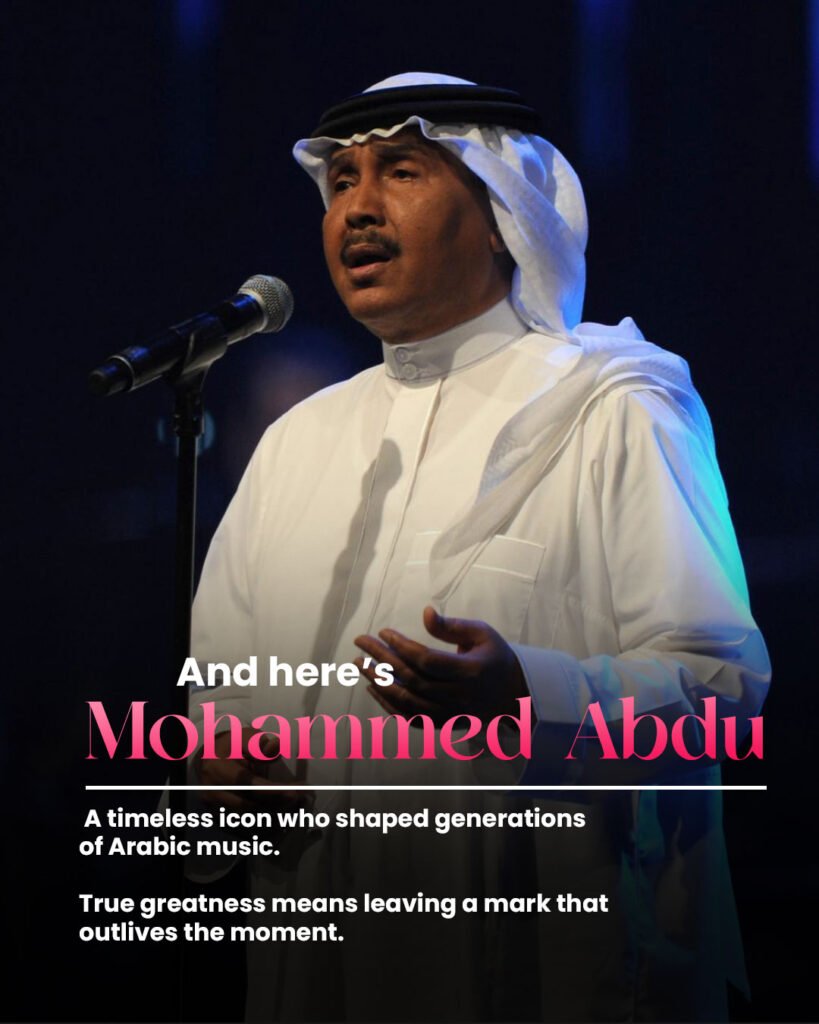
While the others represent contemporary pop evolution, Mohammed Abdu stands as a pillar of classical and traditional Arabic music. Often referred to as “The Artist of Arabs,” his career spans decades, influencing multiple generations of performers and audiences alike.
Abdu’s music draws heavily from Gulf traditions, poetic lyricism and orchestral richness. His stage presence is dignified, his delivery measured, and his influence profound. Unlike artists who adapt to global trends, Abdu embodies continuity—preserving musical heritage while remaining relevant.
His longevity speaks to cultural depth. In an era of rapid consumption, he reminds listeners of the value of craftsmanship and legacy. True greatness, as his career demonstrates, is measured not by momentary popularity but by enduring respect.
A Shared Legacy of Evolution
Despite differences in style, gender, geography and generation, these four artists collectively represent the arc of Arabic music’s modern history. Diab redefined the commercial formula. Ajram proved relatability could be powerful. Elissa showed vulnerability builds strength. Abdu safeguarded tradition while commanding contemporary relevance.
Together, they illustrate how the Arabic music industry has transformed—from cassette tapes and televised concerts to digital streaming and global tours. They adapted to changing technologies, shifting audience behaviors and evolving cultural conversations.
Their impact also extends beyond music. Each artist shaped fashion, branding and the perception of Arab pop culture internationally. They became ambassadors of identity, carrying regional narratives onto global stages.
The Future They Helped Shape
The current generation of Arab artists—experimenting with hip-hop, electronic fusion and cross-cultural collaborations—operates within a framework built by these pioneers. The freedom to innovate, to merge East and West, to speak openly about emotion or identity, stems from doors previously opened.
In a rapidly digitized industry where virality can replace longevity, their careers offer a counterpoint. Sustained influence requires strategy, authenticity and adaptability. Success is not about chasing the algorithm—it is about understanding audience connection at its core.
Beyond the Spotlight
Ultimately, what binds these icons is not fame alone. It is the discipline behind it. Years of touring, recording, navigating criticism and evolving publicly demand resilience. Their journeys underscore a larger truth about artistry: survival depends on reinvention without losing essence.
Arabic music continues to evolve, shaped by new voices and global influences. Yet the foundations remain anchored in the legacies of artists who dared to innovate, remain authentic and preserve cultural depth.
Amr Diab, Nancy Ajram, Elissa and Mohammed Abdu are more than performers. They are chapters in a living narrative—proof that music, when rooted in identity and guided by evolution, can transcend borders and generations.
