

Opinions expressed by Entrepreneur contributors are their own.
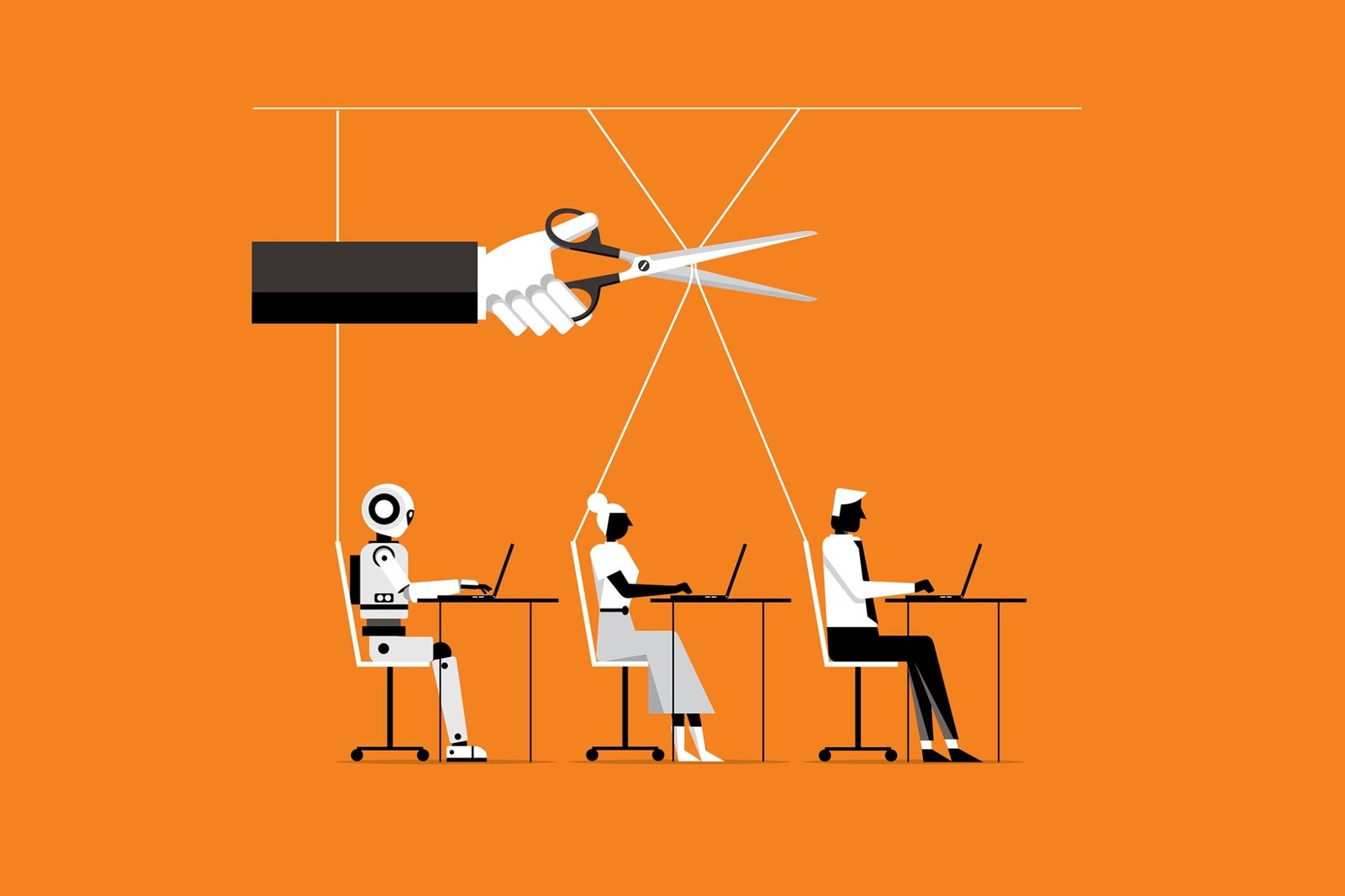
The alarm bells are ringing in corporate boardrooms across America. Amazon CEO Andy Jassy delivered a stark message to employees last month: the company’s workforce will shrink as it adopts more generative AI tools.
If one of the world’s largest employers is openly discussing AI-driven workforce reductions, the conversation has moved from theoretical to inevitable. But for many CEOs, especially those running smaller businesses, Jassy’s announcement represents more than a strategic shift — it’s a preview of the ethical nightmare they’re about to face.
Recent research confirms what many leaders are experiencing — job displacement has emerged as one of the primary ethical concerns hindering AI adoption in business. This isn’t just a business decision. For leaders who built their companies on trust and loyalty, it’s a deeply personal dilemma that tests the very core of their leadership.
Related: Avoid AI Disasters and Earn Trust — 8 Strategies for Ethical and Responsible AI
Between a rock and a hard place
AI promises incredible benefits: faster operations, lower costs, better insights. When Amazon and others are restructuring around AI, the message to other CEOs is clear: adapt or get left behind.
Many boards of directors are now pushing CEOs to cut 20% of workforce costs, and major corporations are already acting. Microsoft, IBM and Walmart have all announced layoffs, with companies specifically replacing HR workers and tech teams with AI systems. The result is a climate of fear that’s slowly spreading through workplaces. Employees who once felt secure in their roles are now questioning their value, their skills and their future. They’re watching colleagues disappear and wondering when their turn might come.
Adding to this pressure is growing public backlash. Duolingo’s CEO recently faced unexpected criticism after announcing the company would become “AI-first.” This puts leaders in a difficult position — they must balance board demands for AI adoption with potential damage to their brand reputation and customer relationships.
When employees aren’t just numbers
Amazon’s announcement might seem straightforward — a large corporation making strategic adjustments. But for CEOs of small and medium businesses like me, the reality is completely different. I know my employees personally — their families, their financial situations, their career aspirations.
This personal connection transforms business strategy into personal agony. When AI could automate roles held by people I have known and worked alongside for years, it’s not just eliminating a position — it’s potentially devastating someone that I genuinely care about.
Research shows that ethical challenges around AI adoption vary significantly across organization types and sizes. While Amazon can manage workforce transitions through HR departments, smaller companies face unique burdens because relationships are more personal and decisions carry greater emotional weight. These include:
- Personal accountability: Business owners must personally deliver difficult news to employees they consider friends, not delegate to HR.
- Loyalty guilt: CEOs remember when employees made personal sacrifices during tough times to help build the company.
- Identity crisis: Company culture is often an extension of the owner’s personal values, making workforce cuts feel like self-betrayal.
- Immediate visibility: Owners witness the human cost in real-time and live with daily reminders of their choices.
Related: How to Implement Ethical AI Practices in Your Company
The meaningful work paradox
The pain runs deeper for CEOs who built their companies on strong relationships. Many founders deliberately created family-like cultures, championing loyalty and long-term commitment.
What they’ve created is what researchers call “meaningful work” — work that has “worth, significance or a higher purpose”. This type of work is ethically important as a basis for human wellbeing and flourishing.
Now AI challenges everything they stand for. When AI solutions promise significant cost reductions but require workforce reductions, these leaders face a profound identity crisis. The question that haunts them: “Am I betraying everything I built?
The conversation you’re avoiding
The hardest part isn’t making the decision about AI — it’s looking your employees in the eye and talking about it honestly.
How do you tell someone who’s been with you for five years that their role might change dramatically? How do you balance transparency with compassion? How do you discuss the future when you’re not even sure what it looks like?
The conversation many CEOs are avoiding is the one their employees need most. Not the sanitized corporate communication about “digital transformation” and “exciting opportunities.” The real conversation about what AI means for them personally.
Employees aren’t asking for guarantees — they’re asking for honesty. They want to know:
- What you’re really thinking about AI
- How it might affect their specific role
- What timeline you’re considering
- How they can prepare or adapt
- Whether their years of loyalty and contribution matter
The irony is that avoiding this conversation often creates more anxiety than having it. Employees can sense when something is changing. The uncertainty of not knowing is often worse than the reality of what’s coming.
But here’s what makes it an ethical nightmare: These conversations require a level of vulnerability and honesty that most business relationships aren’t built for. You’re asking people to trust you with their livelihood while you’re considering changes that might eliminate their position.
The employees who built your company deserve more than corporate speak. They deserve the truth, delivered with the same care and respect you’d want if the roles were reversed.
The real test of leadership
Amazon’s announcement adds momentum to a workforce transformation already underway. The question isn’t whether AI will change how we work, but how leaders will navigate that change.
The easy path is to chase efficiency at any cost. The harder path is to embrace technology while preserving meaningful work that gives people purpose and dignity.
The most successful leaders won’t be those who implement AI fastest or cut costs deepest. They’ll be the ones who navigate this challenge with integrity, finding ways to innovate while staying true to their values.
This is the real test: Can we lead with both intelligence and heart? How we respond will define not just our companies, but our legacy as leaders.
The alarm bells are ringing in corporate boardrooms across America. Amazon CEO Andy Jassy delivered a stark message to employees last month: the company’s workforce will shrink as it adopts more generative AI tools.
If one of the world’s largest employers is openly discussing AI-driven workforce reductions, the conversation has moved from theoretical to inevitable. But for many CEOs, especially those running smaller businesses, Jassy’s announcement represents more than a strategic shift — it’s a preview of the ethical nightmare they’re about to face.
Recent research confirms what many leaders are experiencing — job displacement has emerged as one of the primary ethical concerns hindering AI adoption in business. This isn’t just a business decision. For leaders who built their companies on trust and loyalty, it’s a deeply personal dilemma that tests the very core of their leadership.
The rest of this article is locked.
Join Entrepreneur+ today for access.
