

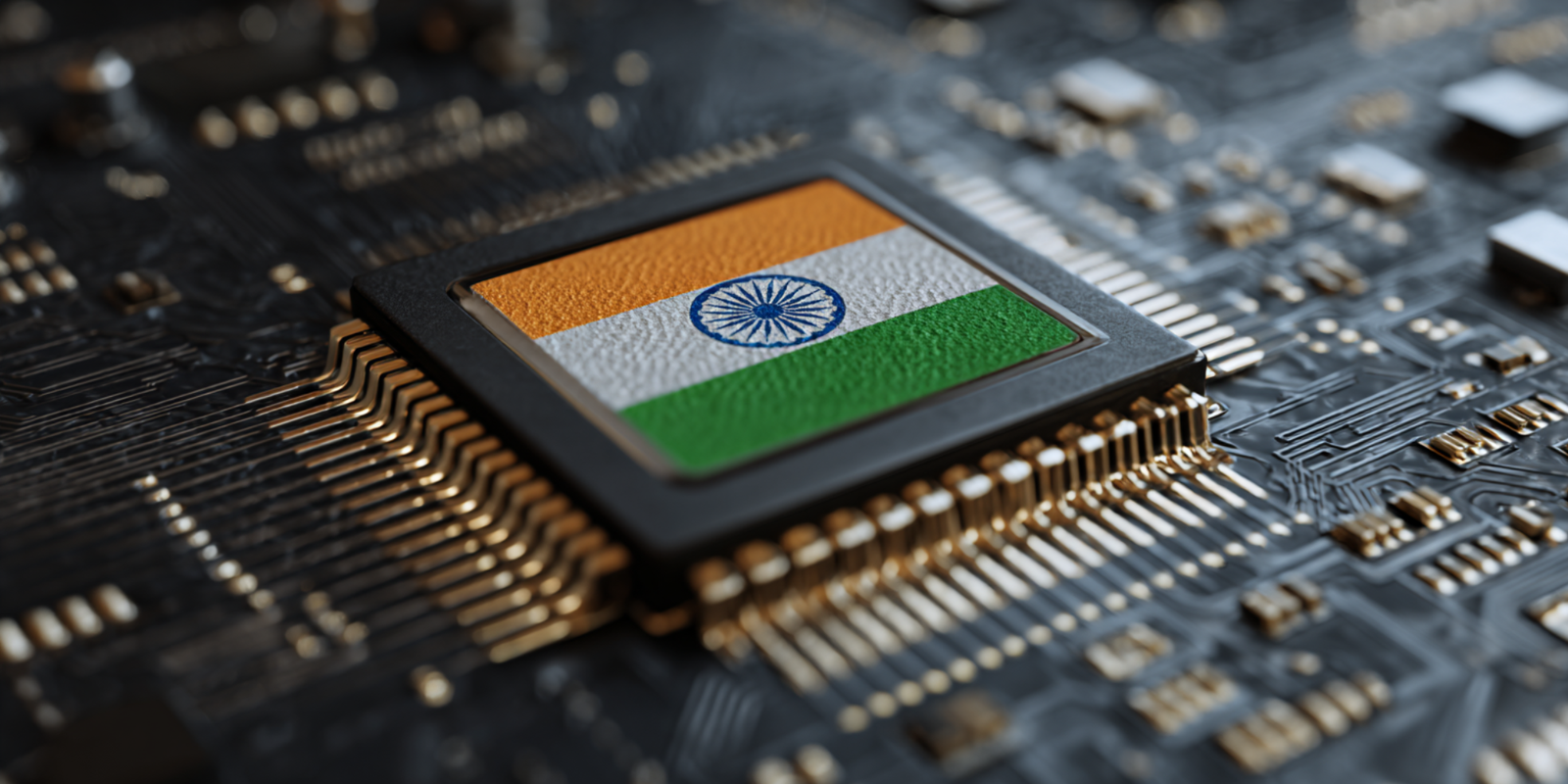
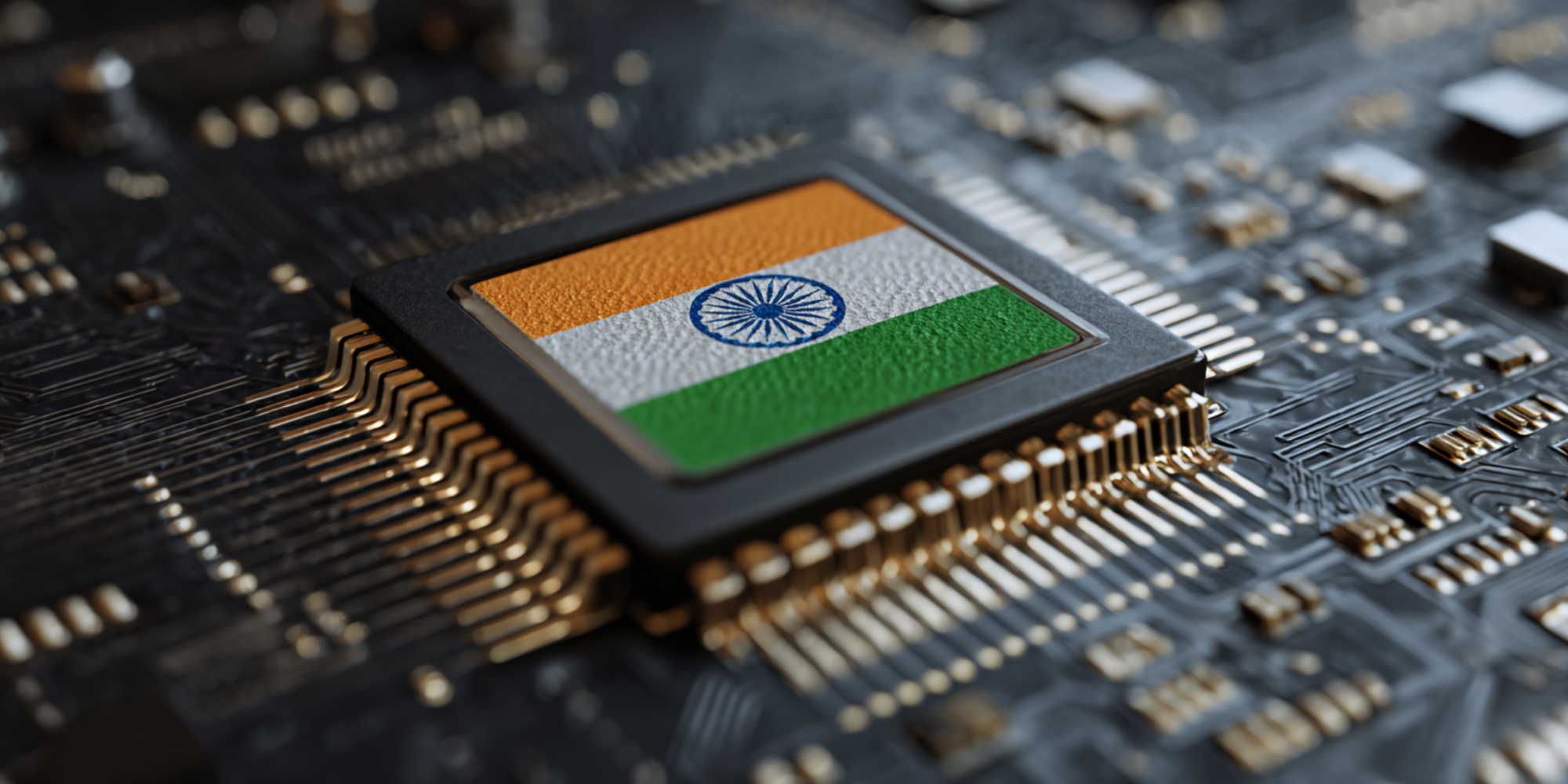
- India risks being only a chipmaking hub unless it secures semiconductor IP.
- Most of India’s 20% global design workforce builds IP for foreign firms.
- Government schemes like DLI and Chips-to-Startup are shifting focus to homegrown innovation.
- IP ownership ensures strategic autonomy and long-term value.
- Without IP, India may miss the real prize of the semiconductor race.
” data-brand=”yourstory” contenteditable=”false” data-clicktext=”” data-clickurl=”” data-pageurl=”https://yourstory.com/2025/09/india-semiconductor-ip-ownership” data-sectiontype=”Key Takeaways” data-emailid=”aasma@yourstory.com”>
font-size: 1rem;
padding-bottom: 1.1rem;
color: #171B1C;
width: auto !important;
padding: 1.5rem 0.875rem;
margin: 1rem 0rem !important;
background: #FFFEF5;
box-shadow: 0px 4px 24px rgba(130, 150, 165, 0.25);
height: 100%;
display: block;
position: relative;
max-width: unset;
}
.keyTakeAWaysContainer li, .keyTakeAWaysContainer p{
font-family: Adobe Caslon Pro !important;
font-style: normal;
font-weight: 400 !important;
font-size: 21px !important;
line-height: 29px !important;
color: #0F171C !important;
}
.ql-editor .keyTakeAWaysTitlePara{
font-family: Adobe Caslon Pro !important;
font-style: normal;
font-weight: 700 !important;
font-size: 20px !important;
color: #FFFFFF !important;
margin: 0 !important;
text-align: center;
line-height: 20px !important;
}
.keyTakeAWaysTitlePara {
font-family: Adobe Caslon Pro !important;
font-style: normal;
font-weight: 700 !important;
font-size: 22px !important;
color: #FFFFFF !important;
margin: 0 !important;
text-align: center;
line-height: 20px !important;
margin-top: 5px !important;
}
.keyTakeAWaysWrapper{
position: relative;
margin: 6% 0px;
}
.ql-editor .keyTakeAWays{
margin: 1rem !important;
}
.keyTakeAWays{
margin: 3rem 1rem !important;
}
.keyTakeAWays ol li:before {
counter-increment: headings;
content: counter(headings) ”;
}
.ql-editor .keyTakeAWays ol li{
padding-top: 2rem;
list-style-position:outside;
list-style-type: none;
}
.ql-editor .keyTakeAWays ul li{
padding-top: 2rem;
list-style-position:outside;
list-style-type: disc;
}
.keyTakeAWays ol li{
padding-top: 2rem;
list-style-position:outside;
list-style-type: none;
}
.keyTakeAWays ul li{
padding-top: 2rem;
list-style-position:outside;
list-style-type: disc;
}
.keyTakeAWays ol li{
padding-top: 2rem;
list-style-position:outside;
list-style-type: none;
display: table;
}
.keyTakeAWays ul li{
padding-top: 2rem;
list-style-position:outside;
list-style-type: disc;
}
.keyTakeAWays ol li:not(.ql-direction-rtl), .keyTakeAWays ul li:not(.ql-direction-rtl){
padding-left: 0 !important;
}
.ql-editor .keyTakeAWays li::before,
.ql-editor .keyTakeAWays li::marker {
width: 12px;
height: 24px;
font-family: Adobe Caslon Pro !important;
font-style: normal;
font-weight: 400;
font-size: 21px;
line-height: 24px;
color: #0F171C;
padding-right: 0em;
vertical-align: middle !important;
}
.keyTakeAWays li::before,
.keyTakeAWays li::marker {
width: 12px;
height: 24px;
font-family: Adobe Caslon Pro !important;
font-style: normal;
font-weight: 400;
font-size: 21px;
line-height: 24px;
color: #0F171C;
padding-right: 0em;
vertical-align: middle !important;
}
.keyTakeAWays li::marker {
unicode-bidi: unset !important;
font-variant-numeric: unset !important;
text-transform: none;
text-indent: 0px !important;
text-align: unset !important;
text-align-last: unset !important;
vertical-align: middle !important;
}
.keyTakeAWays ul > li::before {
display: inline-block;
white-space: nowrap;
width: unset;
}
.ql-editor .keyTakeAWays .inline_link{
color: #0F171C !important;
border: 1px solid #0F171C;
padding: 2px 5px 0px !important;
text-decoration: none !important;
margin: 0px 3px 5px !important;
}
.keyTakeAWays .inline_link,
.keyTakeAWaysContainer > ol > li > .link,
.keyTakeAWaysContainer > ul > li > .link{
color: #0F171C !important;
border: 1px solid #0F171C;
padding: 5px 5px 0px 5px !important;
text-decoration: none !important;
text-align: center !important;
display: inline-block !important;
margin: 0px 3px 5px !important;
font-weight: 0;
cursor: pointer !important;
}
.ql-editor .keyTakeAWays .inline_link,
.ql-editor .keyTakeAWaysContainer > ol > li > .link,
.ql-editor .keyTakeAWaysContainer > ul > li > .link{
color: #0F171C !important;
border: 1px solid #0F171C;
padding: 5px 5px 0px 5px !important;
text-decoration: none !important;
text-align: end !important;
display: inline-block !important;
margin: 0px 3px 5px !important;
cursor: pointer !important;
}
.keyTakeAWays u {
border-bottom: 1px solid #0F171C;
text-decoration: none !important;
padding-bottom: 0px !important;
display: inline-block !important;
width: auto !important;
}
.keyTakeAWays .keyTakeAWaysPointsWrapper{
margin: unset !important;
}
.keyTakeAWaysContainer p:is(:first-child){
margin: 4% 1% 3% 5.5%;
}
.keyTakeAWaysContainer p:not(:first-child) {
margin: 4% 1% 3% 5.5%;
}
.keyTakeAWaysContainer p:last-child:has(br:only-child) {
margin: 0 !important;
}
.keyTakeAWaysContainer p:is(:first-child) .keyTakeAWaysTitleWrapper{
top: -1rem;
}
.keyTakeAWays .company-widget {
font-size: 20px !important;
color: #000000 !important;
cursor: pointer !important;
font-weight: 600 !important;
font-family: Adobe Caslon Pro !important;
display: unset !important;
}
.ql-editor .keyTakeAWays .company-widget::after,
.keyTakeAWays .company-widget::after {
font-family: pt-sans !important;
content: ‘i’;
font-size: 12px !important;
border-radius: 20px !important;
border: 2.6px solid #000000 !important;
color: #000000 !important;
transform: translateY(-24%) !important;
line-height: 14px !important;
display: inline-block !important;
height: 17px !important;
width: 17px !important;
margin: 0px 0.2rem !important;
text-align: center !important;
font-weight: 900;
padding-top: 2px;
}
.ql-editor .keyTakeAWaysTitleWrapper {
height: 37px;
width: 181px;
display: flex;
align-items: center;
background: black;
justify-content: center;
position: absolute;
top: -1rem;
left: 6%;
}
.keyTakeAWaysTitleWrapper {
height: 37px;
width: 210px;
display: flex;
align-items: center;
background: black;
justify-content: center;
position: absolute;
top: -1rem;
left: 6%;
}
.ql-editor .keyTakeAWays ul {
counter-reset: headings;
}
.keyTakeAWays ul {
counter-reset: headings;
}
.ql-editor .keyTakeAWays ol {
counter-reset: headings;
}
.keyTakeAWays ol {
counter-reset: headings;
}
.keyTakeAWays ol{
margin: 0 !important;
padding: 0 !important;
}
.ql-editor .keyTakeAWays ul, .ql-editor .keyTakeAWays ol {
margin: 0px 0px 0px 0.8rem !important;
padding: 0 !important;
border-collapse: separate;
border-spacing: 1.5rem;
}
.keyTakeAWays ul{
margin: 0px 0px 0px 0.8rem !important;
padding: 0 !important;
border-collapse: separate;
border-spacing: 1rem 2rem;
}
.keyTakeAWays ol {
margin: 0px 0px 0px 0.5rem !important;
padding: 0 !important;
border-collapse: separate;
border-spacing: 1rem 2rem;
}
.ql-editor .keyTakeAWays ol, .ql-editor .keyTakeAWays ol {
padding: 0 !important;
border-collapse: separate;
border-spacing: 1.5rem;
}
.keyTakeAWays ol {
display: table !important;
}
.keyTakeAWays ul {
display: table !important;
}
.keyTakeAWays ol li {
list-style: none !important;
display: table-row !important;
}
.keyTakeAWays ul li {
list-style: none !important;
display: table-row !important;
text-indent: unset !important;
}
.keyTakeAWays ol li::before {
display: table-cell !important;
text-align: right !important;
vertical-align: middle !important;
}
.keyTakeAWays ul li::before {
display: table-cell !important;
text-align: right !important;
padding-right: 0rem !important;
content: “\2022” !important;
vertical-align: middle !important;
}
.ql-editor .keyTakeAWays ul li:not(.ql-direction-rtl)::before{
margin: 0px !important;
}
@media (max-width: 769px) {
.keyTakeAWaysContainer p:is(:first-child){
margin: 13% 1% 3% 5.5% !important;
}
.keyTakeAWaysContainer p:not(:first-child){
margin: 4% 1% 3% 5.5% !important;
}
.keyTakeAWays ul, .keyTakeAWays ol{
margin: 0px !important;
}
.keyTakeAWays .inline_link,
.keyTakeAWaysContainer > ol > li > .link,
.keyTakeAWaysContainer > ul > li > .link{
text-align: center !important;
}
.keyTakeAWaysTitleWrapper{
width: 155px;
height: 30px;
top: -1rem;
left: 12.5%;
}
.ql-editor .keyTakeAWaysTitlePara{
font-family: Adobe Caslon Pro !important;
font-style: normal;
font-weight: 400 !important;
font-size: 16px !important;
}
.keyTakeAWaysTitlePara{
font-family: Adobe Caslon Pro !important;
font-style: normal;
font-weight: 400 !important;
font-size: 16px !important;
margin-top: 5px !important;
}
.keyTakeAWaysContainer{
margin: 1% 0px 0rem 0px !important;
}
.keyTakeAWaysContainer li, .keyTakeAWaysContainer p{
font-family: Adobe Caslon Pro !important;
font-style: normal;
font-weight: 400 !important;
font-size: 17px !important;
line-height: 24px !important;
}
.keyTakeAWays li::before,
.keyTakeAWays li::marker{
width: 5px;
height: 24px;
font-family: Adobe Caslon Pro !important;
font-weight: 500;
font-size: 14px !important;
line-height: 24px;
color: #0F171C;
padding-right: 0em;
}
.keyTakeAWays ul > li::before{
width: unset !important;
font-size: 18px !important;
}
.keyTakeAWaysPointsWrapper{
box-shadow: 0px 4px 24px rgba(170, 167, 162, 0.38);
padding: 0.8rem 0.5rem 1rem !important;
}
.ql-editor .keyTakeAWays ol > li{
padding-top: 1rem;
list-style-type: none;
list-style-position: inside;
}
.keyTakeAWays ol > li{
padding-top: 1rem;
list-style-type: none;
list-style-position: outside;
}
.ql-editor .keyTakeAWays ul > li{
padding-top: 1rem;
list-style-type: disc;
list-style-position: inside;
text-indent: -6% !important;
margin-left: 1em !important;
}
.keyTakeAWays ul > li{
padding-top: 1rem;
list-style-type: disc;
list-style-position: inside;
}
.keyTakeAWays{
margin: 2rem 1rem 3.5rem !important;
// 2rem 1rem 3.5rem !important;
}
.keyTakeAWaysContainer p {
margin: 4% 4% 0 8% !important;
}
.keyTakeAWaysContainer p:last-child:has(br:only-child) {
margin: 0 !important;
}
.ql-editor .keyTakeAWays .company-widget::after,
.keyTakeAWays .company-widget::after {
height: 0.8rem !important;
width: 0.7rem !important;
}
.ql-editor .keyTakeAWays .company-widget,
.keyTakeAWays .company-widget {
font-size: 1.12rem !important;
line-height: 0.9rem !important;
}
.keyTakeAWays li::before, .keyTakeAWays li::marker{
padding: 0px !important;
}
}
@media (max-width: 300px) {
.keyTakeAWaysTitleWrapper{
left: 18% !important;
top: -1rem !important;
}
.keyTakeAWaysContainer p:is(:first-child){
margin: 14% 1% 3% 4.5% !important;
}
.keyTakeAWaysContainer p:not(:first-child){
margin: 4% 1% 3% 4.5% !important;
}
}
@media (min-width: 200px) and (max-width: 389px) {
.keyTakeAWays ul > li::before{
width: unset !important;
}
.keyTakeAWays ul > li{
padding-top: 1rem;
list-style-type: disc;
list-style-position: inside;
}
}
@media (min-width: 500px) and (max-width: 600px) {
.keyTakeAWaysTitleWrapper{
left: 8% !important;
}
.keyTakeAWaysContainer p:is(:first-child){
margin: 8% 1% 3% 2.5% !important;
}
.keyTakeAWaysContainer p:not(:first-child){
margin: 4% 1% 3% 2.5% !important;
}
}
@media (min-width: 390px) and (max-width: 500px) {
.keyTakeAWays ul li:not(.ql-direction-rtl)::before{
margin-left: -1em !important;
margin-right: 0em !important;
}
.keyTakeAWaysContainer p:is(:first-child){
margin: 12.5% 1% 3% 5.5% !important;
}
.keyTakeAWaysContainer p:not(:first-child){
margin: 4% 1% 3% 5.5% !important;
}
}
@media (min-width: 768px) and (max-width: 820px) {
.keyTakeAWays ul li:not(.ql-direction-rtl)::before{
margin-left: -0.3em !important;
margin-right: 0em !important;
}
}
@media (max-width: 1280px) {
.keyTakeAWaysTitlePara{
margin-top: 5px !important;
}
}
@media (min-width: 768px) and (max-width: 768px) {
.keyTakeAWaysTitleWrapper{
left: 6% !important;
top: -1rem !important;
}
.keyTakeAWaysTitlePara{
margin-top: 3px !important;
}
.keyTakeAWaysContainer p:is(:first-child){
margin: 8% 1% 3% 2.5% !important;
}
.keyTakeAWaysContainer p:not(:first-child){
margin: 4% 1% 3% 2.5% !important;
}
}
@media (min-width: 414px) and (max-width: 417px) {
.keyTakeAWays ol{
border-spacing: 1.6rem 2rem !important;
}
.keyTakeAWays ul{
border-spacing: 1.2rem 2rem !important;
}
}
.glossary-story-scroll{
text-decoration: none !important;
color: #000 !important;
cursor: pointer !important;
}
}
Key Takeaways
- India risks being only a chipmaking hub unless it secures semiconductor IP.
- Most of India’s 20% global design workforce builds IP for foreign firms.
- Government schemes like DLI and Chips-to-Startup are shifting focus to homegrown innovation.
- IP ownership ensures strategic autonomy and long-term value.
- Without IP, India may miss the real prize of the semiconductor race.
Factories and fabs make headlines. But in semiconductors, the real wealth lies in intellectual property (IP)—the blueprints, designs, and architectures that power chips. Today, India employs nearly 20% of the world’s semiconductor design talent, yet most of the IP they create belongs to multinational companies.
This is a strategic blind spot. Without homegrown IP, India risks becoming a low-margin manufacturing hub while others capture the value of innovation.
Government’s early steps
The Ministry of Electronics and IT (MeitY) has recognised this challenge and is beginning to act. Its Design Linked Incentive (DLI) scheme and Chips-to-Startup programme are designed to build capacity in IP creation. Key measures include:
- Access to tools: Over 270 institutions now have access to expensive Electronic Design Automation (EDA) software at subsidised rates, reducing barriers for students and researchers.
- Startup funding: Grants of up to Rs 50 crore help innovators move from idea to prototype to market-ready solutions.
- RISC-V ecosystem: IIT Madras and C-DAC are nurturing startups that build on open-source RISC-V architectures, providing India with a potential foothold in next-generation chip design.
These efforts are laying the groundwork for a broader ecosystem. However, to scale into a robust IP-driven sector, India will need sustained funding, global partnerships, and policies that reward risk-taking innovators.
Why IP matters for India’s future
Semiconductor IP is about more than patents on paper. It carries long-term strategic and economic implications:
- Strategic autonomy: India cannot depend on foreign firms for critical technology if it wants technological sovereignty.
- Economic value: Manufacturing contracts pay once; IP generates ongoing royalties and licensing revenue across product lifecycles.
- Innovation leadership: Owning designs gives India influence in global standards and the ability to set directions for future technologies.
Countries like Taiwan and the US dominate not only because they manufacture chips, but because they own the designs that others must license. For India to be more than a participant in the semiconductor race, it must cross this threshold.
Avoiding the dependency trap
Attracting global giants like Micron or Tata Electronics with subsidies brings infrastructure, investment, and jobs. But while fabs are critical, the IP they use remains foreign-owned. This means India’s role, though important, could be limited to assembly lines rather than innovation hubs.
If India does not accelerate local IP creation, it risks remaining dependent—valuable to global supply chains, but never indispensable. To avoid this dependency trap, the focus must shift from simply hosting fabs to anchoring the designs that power them.
Building a design-first culture
To change this trajectory, India must encourage a design-first culture. That means supporting startups with risk capital, tax incentives, and patient policies that allow them to compete with global giants. Protecting and commercialising IP generated in universities and labs so innovations do not get transferred abroad without local benefit.
Linking academia, industry, and government into tight clusters that accelerate knowledge transfer and reduce barriers between research and application. Ensuring that IP rights remain in India, even as global collaborations expand, so that the country benefits from the ideas created by its own talent. Officials have signalled that the next phase of the semiconductor mission will place strong emphasis on intellectual property (IP) creation.
“We must ensure that the IP developed by Indian engineers is retained in India,” said Mr. S. Krishnan of MeitY. This clear shift from focusing on fabs to prioritising IP is seen as a critical step for India to move up the global value chain.
The road ahead
Building a semiconductor IP ecosystem is a marathon. Taiwan’s Hsinchu Science Park took decades to evolve into the powerhouse it is today. India, however, has the advantage of hindsight and a model to follow. As global supply chains seek to diversify beyond East Asia, India can accelerate its journey by combining infrastructure with innovation.
The immediate goal should be to succeed in mature chip design and IP creation, while laying the foundation to move up the value ladder. Over time, as India secures a reputation for reliable IP ownership, it can become a destination not just for manufacturing but for cutting-edge design.
The bottom line
Semiconductor fabs may mark India’s entry into the big league, but the real prize lies in IP. Owning designs means owning the future. For India, the challenge is not just to manufacture chips, but to author the blueprints of tomorrow’s technologies. Without IP, the country risks being a player; with IP, it has a chance to lead.
This is the difference between being a participant in the semiconductor age and being a leader shaping it. India’s moment is now; it must seize it by securing semiconductor IP.
