


The Indian ecommerce industry is undergoing a significant transformation with the rapid shift to quick-commerce models. Amazon has launched “Tez,” and Flipkart has introduced “Minutes,” positioning the sector for massive growth beyond the metro cities.
As digital convenience meets the needs of India’s changing demographics, quick commerce is proving to be a gold mine, challenging traditional retail models. Though still in its early stages, this growing industry is driving gig economy expansion and making essential goods more accessible to every Indian.
A 2023 study by IIM Ahmedabad professors found that since 2020, quick commerce in India has driven an 80% rise in online grocery purchases, highlighting a shift in consumer behaviour. Despite slower consumption trends, the industry still grew by 77% in 2023, according to Redseer Consulting. By 2024, the Quick commerce industry saw a 280% increase from 2022 and in 2025, it is further expected to grow another 25% from 2024. Its rapid expansion is creating benefits not only for sellers, delivery partners, and consumers but also for recruitment agencies and job platforms.
Creation of new opportunities
There is a genuine concern that quick commerce could threaten the traditional kirana store model. However, despite these fears, it is also creating significant advantages, one of the biggest being new job opportunities for thousands of people.
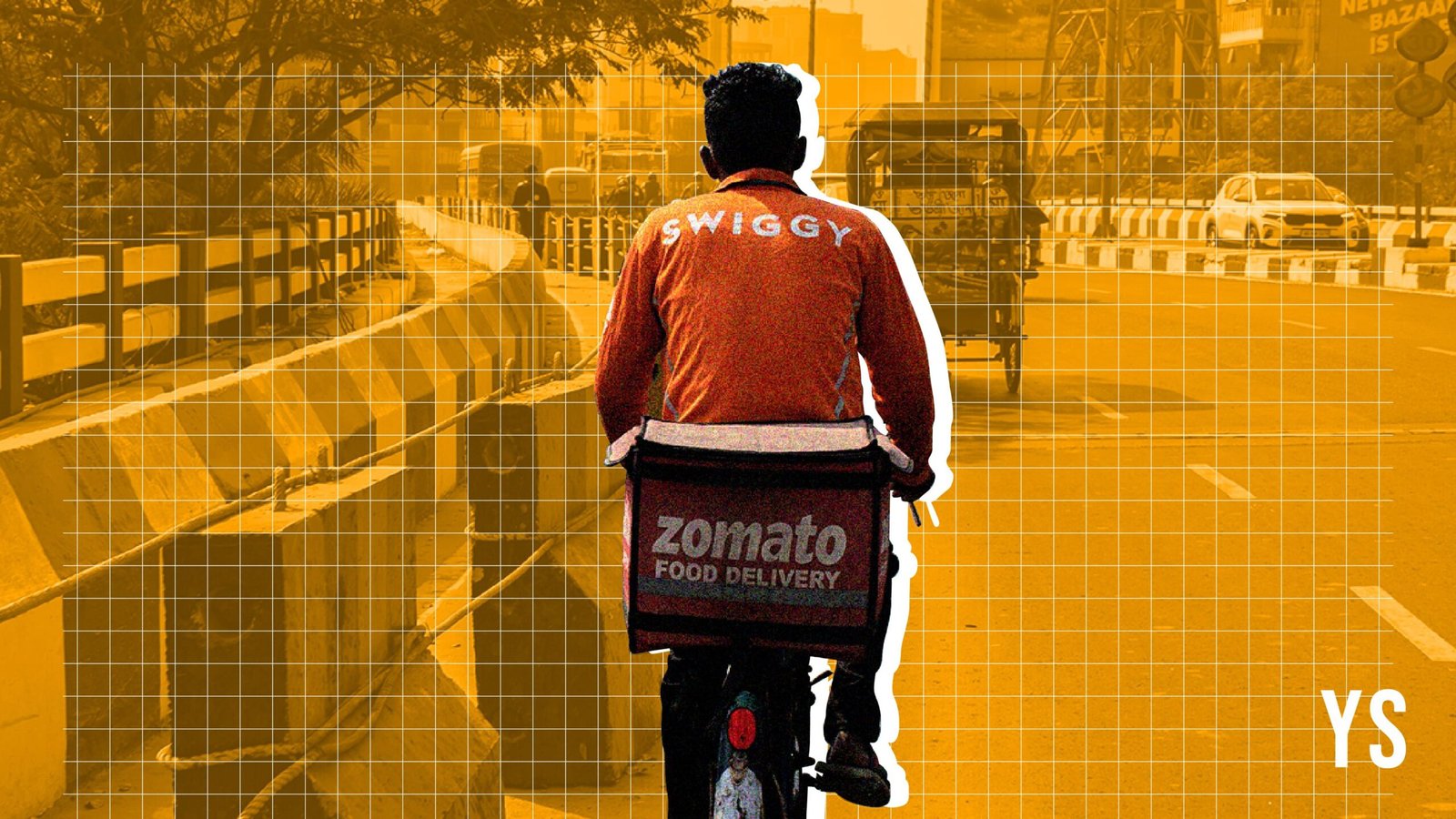
The rapid rise of quick commerce has led to a major shift in employment, extending far beyond delivery partners. To make 10-minute deliveries possible, platforms need teams to manage dark stores, handle customer support, develop mobile apps, and build the technology that powers these services. Every order relies on a vast supply chain, with thousands of people working behind the scenes to ensure products reach customers on time—jobs that didn’t exist just a few years ago.
Quick commerce alone has gone from creating zero jobs to employing 450,000 people in just over three years—and that’s not even counting those working in dark stores and other non-delivery roles.
According to Aadit Palicha, Co-founder and CEO of Zepto, this shift has enabled young workers to move from unemployment to earning an average income of ₹20,000 a month, surpassing typical wages in the informal sector.
As of Q3 FY25, Blinkit had an average of 145,000 monthly active delivery partners onboarded on the platform and 1,000+ stores across 80+ cities. Zepto, on the other hand, directly or indirectly employs and engages over 1,20,000+ people and currently has over 900 dark stores across 60+ different cities in India. During the same period, Swiggy Instamart has delivered 234 million orders from its 705 active dark stores across the country.
There’s no doubt that Quick commerce will have a significant impact on kirana stores, but the market isn’t a zero-sum game. Before affecting local retailers, quick commerce first disrupted platforms like Big Basket and Grofers, which operated on scheduled delivery models. According to Datum, 69% of online shoppers now prefer instant deliveries over next-day scheduled delivery options.
However, unlike app-based competitors, kirana stores have one key advantage: price. quick commerce thrives in urban areas, where consumers prioritise speed and convenience over cost. While kirana stores offer lower prices, many city dwellers are willing to pay extra for faster deliveries. But here’s the catch—60% of India’s population lives outside urban centers, and these consumers still prefer traditional brick-and-mortar retail.
The rise of digital payments did impact cash-based businesses, but just as cash and digital transactions now coexist, traditional retail and quick commerce can thrive together. A great example of this balance is the ride-sharing industry. When Uber and Ola entered the market, they faced strong resistance from local taxi and auto drivers, as these platforms initially took business away from traditional operators. But as the market evolved, both models found a way to coexist—ride-sharing apps provided a tech-driven, on-demand alternative, while conventional taxis continued to serve customers who prefer predictability around price and availability.
In fact, ride-sharing platforms helped traditional taxi drivers tap into a larger consumer base. In Bangalore, Namma Yatri—a direct-to-driver platform that bypasses aggregators—has further shaken up the industry, challenging the dominance of Uber and Ola. This shows that disruption doesn’t always mean elimination; instead, it can create opportunities for adaptation and coexistence.
Enhancing accessibility and opportunities
To understand the rise of quick commerce, we need to look at why it’s gaining traction. The “stay-at-home” model appeals strongly to urban youth, who prioritise convenience in their fast-paced lives. By delivering directly to doorsteps, these platforms fill gaps that local retail stores and supermarkets often cannot, redefining convenience in the process.
Beyond just urban consumers, quick commerce is also making everyday life easier for those who face challenges with in-person shopping—such as senior citizens, people with disabilities, and new parents. While this may be a smaller consumer base, it’s one that traditional brick-and-mortar stores often overlook, making quick commerce a valuable and inclusive alternative.
Conclusion
The rise of quick commerce in India marks a significant shift in how different parts of the country cater to its fast-evolving, digitally savvy population. As the gig economy expands, technology is playing a crucial role in widening access to work, building consumer trust, and fostering inclusive growth.
The Q-commerce market is still in its early stages. Overregulating it now could stifle innovation before it fully develops. At present, quick commerce primarily serves young, tech-connected consumers in urban centers. Meanwhile, the majority of Bharat still relies on traditional retail—a system that won’t be displaced anytime soon.
When COVID hit, many predicted the downfall of kirana stores, yet they adapted and endured. The same will hold true in the face of quick commerce. Kirana stores won’t just survive—they’ll integrate technology, evolve, and coexist alongside new retail models. With government support and entrepreneurial innovation, the market will find a way to balance tradition and transformation.
(Madhav Krishna is the Founder and CEO of Vahan Inc, an AI powered blue collar workforce recruitment and staffing solutions)
(Disclaimer: The views and opinions expressed in this article are those of the author and do not necessarily reflect the views of YourStory.)
