

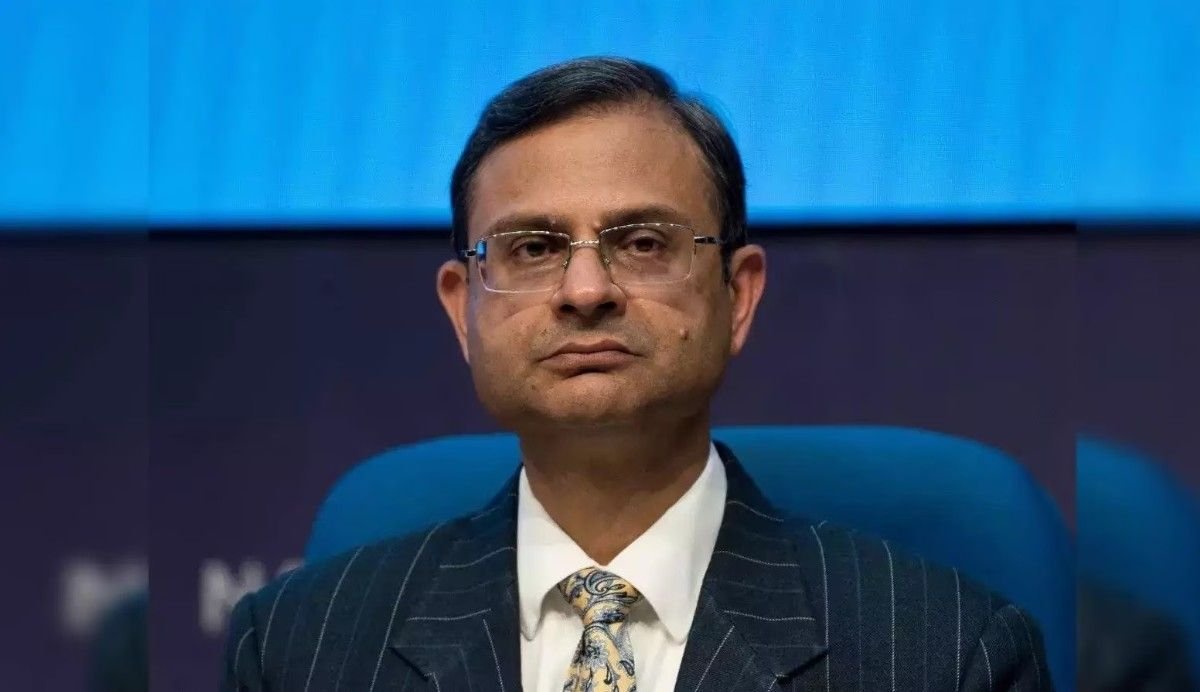
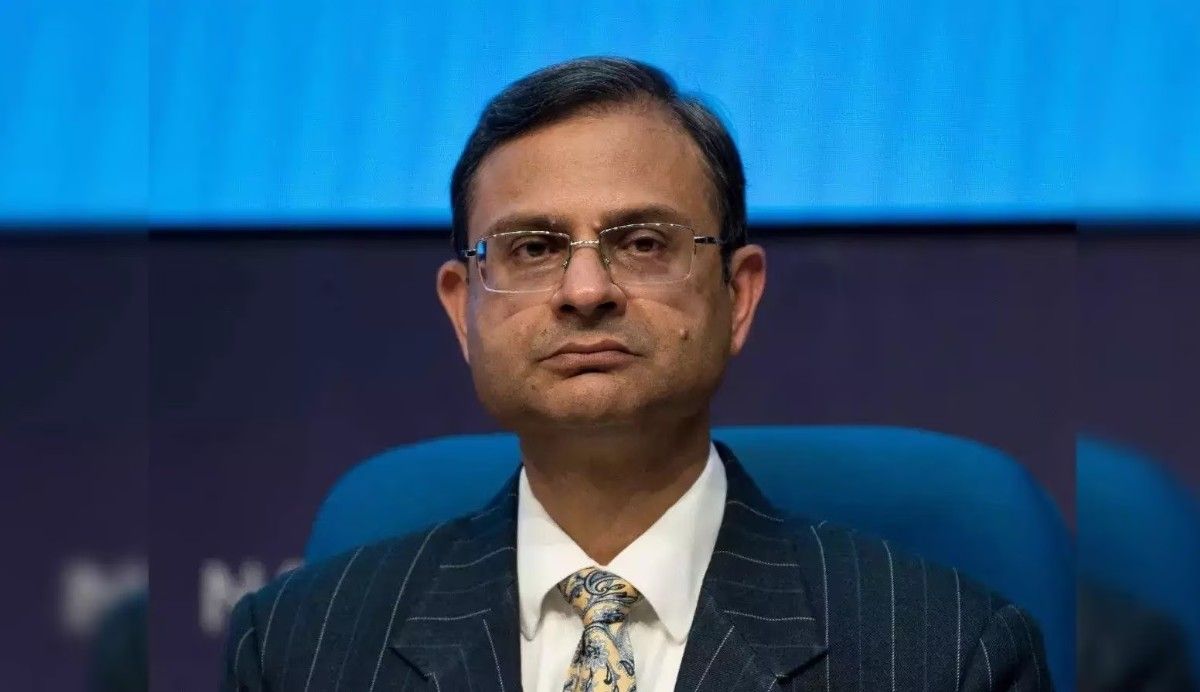
RBI Governor Sanjay Malhotra has indicated that the era of free digital transactions via the Unified Payments Interface (UPI) may be coming to an end, citing the need for financial sustainability.
RBI Governor Sanjay Malhotra said at a recent Financial Express event that while UPI currently operates without user charges, the government has been subsidising banks and other stakeholders to maintain the zero-fee model.
He stressed that as UPI usage continues to grow rapidly, the system’s long-term viability must be addressed.
The Governor highlighted that daily UPI transactions have doubled in the past two years, rising from 310 million to more than 600 million. He underscored the importance of an efficient and universally accessible payments system but noted that someone will eventually have to bear the costs associated with running it.
However, he also clarified that the decision on whether to continue with the current zero merchant discount rate (MDR) regime ultimately rested with the government.
.thumbnailWrapper{
width:6.62rem !important;
}
.alsoReadTitleImage{
min-width: 81px !important;
min-height: 81px !important;
}
.alsoReadMainTitleText{
font-size: 14px !important;
line-height: 20px !important;
}
.alsoReadHeadText{
font-size: 24px !important;
line-height: 20px !important;
}
}

Merchant Discount Rate (MDR) is the fee that a merchant pays to a bank or payment service provider for processing digital transactions, such as payments made via debit or credit cards, or mobile wallets.
This fee, typically a small percentage of the transaction amount, is shared among the various companies. MDR helps cover the cost of infrastructure, fraud prevention, and transaction processing.
In March, the government approved a Rs 1,500-crore incentive scheme to promote low-value BHIM-UPI transactions among small merchants during the financial year 2024-25.
By effectively subsidising MDR (merchant discount rate), the scheme ensured that both merchants and consumers could benefit from “zero MDR” on these transactions.
However, this push came in the backdrop of a significant reduction in budgetary support for similar digital payment initiatives. The Union Budget for FY 2025-26 slashed allocations for promoting RuPay debit cards and low-value BHIM-UPI transactions to Rs 437 crore, down from Rs 2,484.97 crore in FY 2023-24—an 82% drop over two years.
Payments Council of India (PCI) Chairman Vishwas Patel criticised the Union Cabinet’s Rs 1,500 crore incentive scheme for low-value BHIM-UPI transactions, calling the allocation inadequate and unfair.
Patel, who is also the Joint MD of Infibeam Avenues, argued that the funding fell far short of what is needed to support the projected Rs 246.82 lakh crore worth of UPI transactions in 2024. He said the industry had expected an allocation of over Rs 5,000 crore but instead received what he called a “paltry” amount.
Earlier this year, there was speculation that the government might allow the reintroduction of MDR; however, the Finance Ministry dismissed reports suggesting that merchant discount rates would be reinstated on UPI transactions.
Edited by Kanishk Singh
