

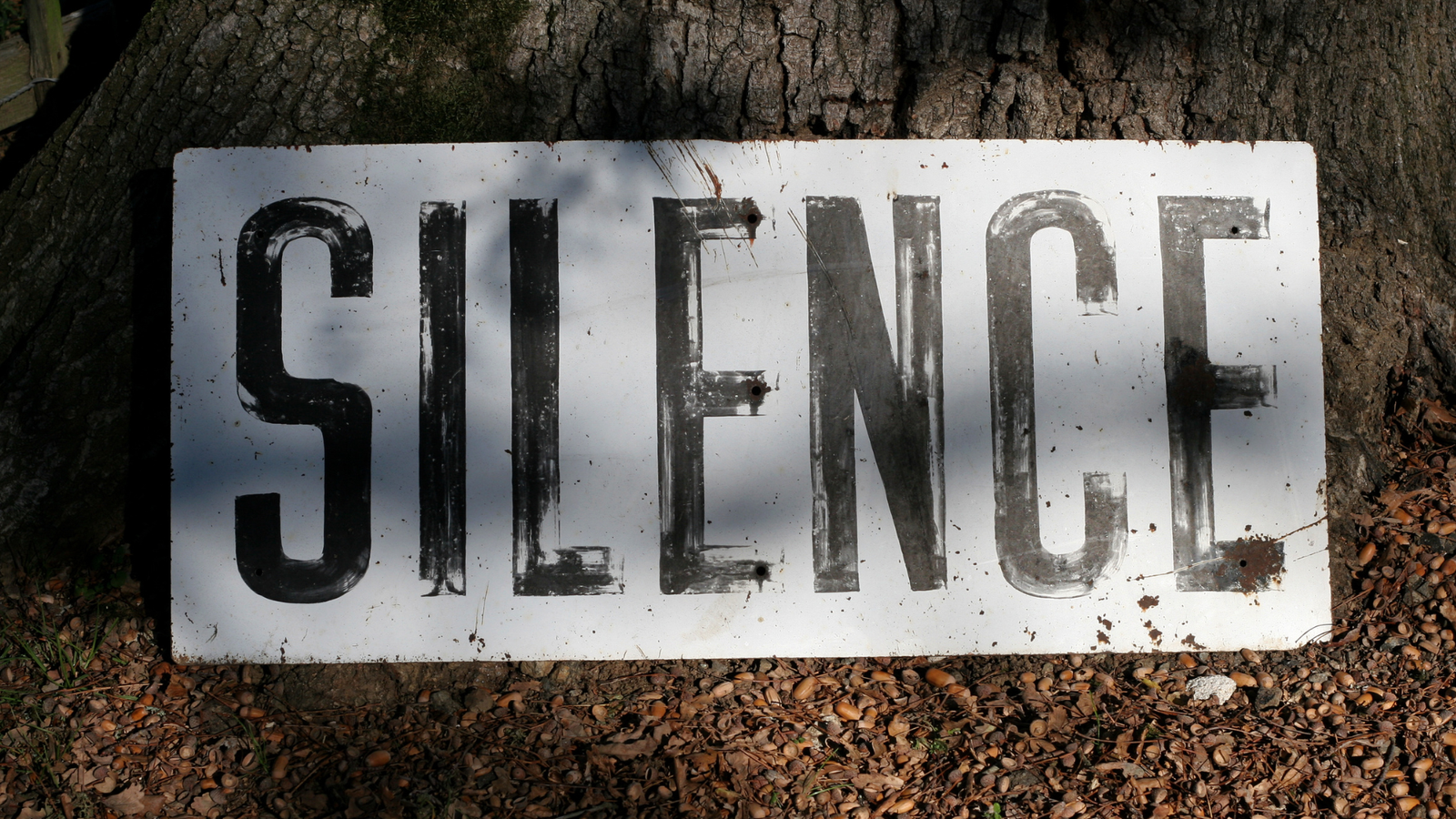
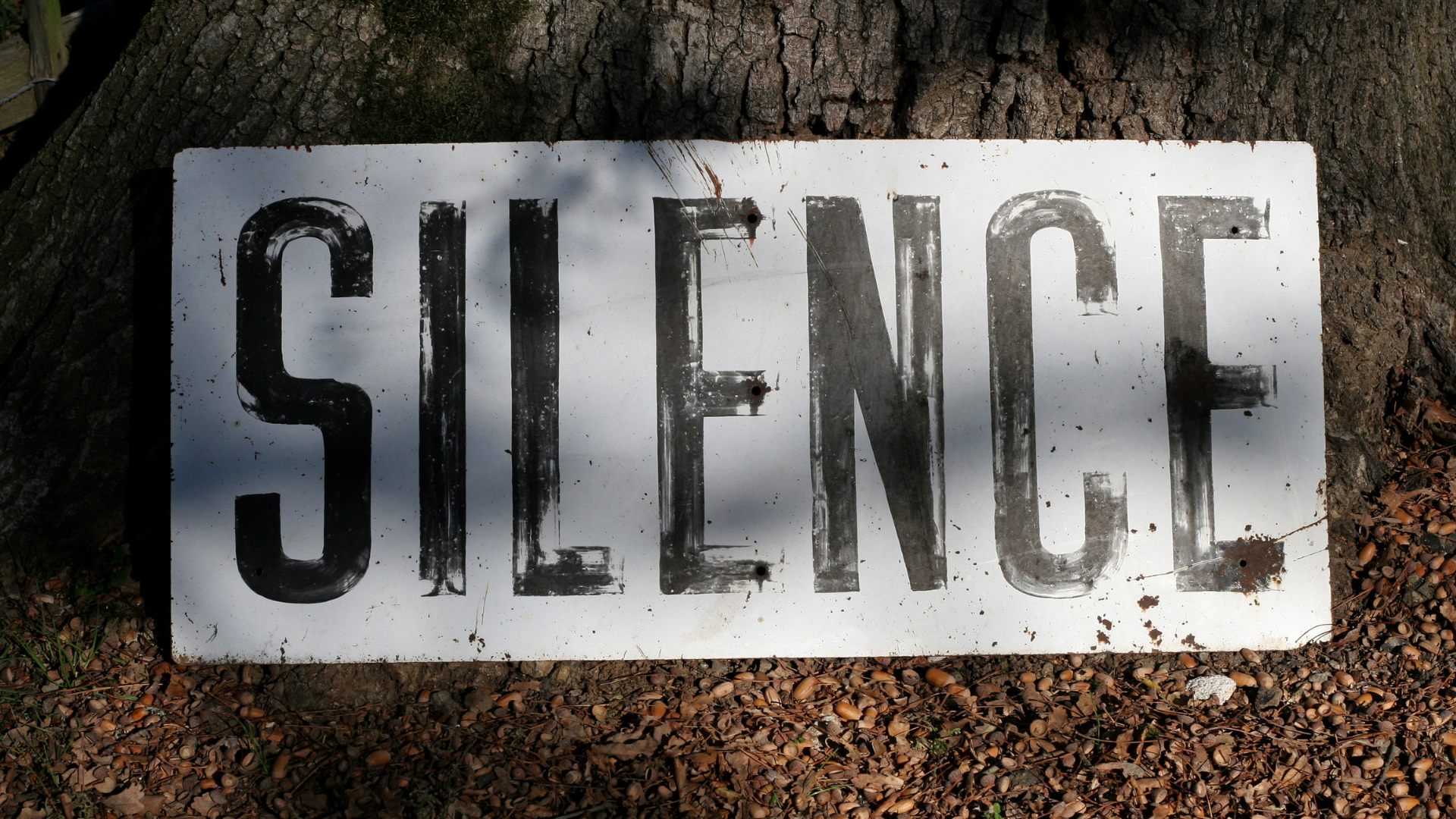
In a world that never stops buzzing, silence has quietly become the most coveted luxury of 2025. From the constant hum of notifications to the chatter of crowded cities, we are surrounded by noise—both external and internal. Yet, amid this chaos, more people are realising that the true measure of wealth isn’t just money, possessions, or even free time. It’s the ability to disconnect, pause, and embrace stillness.
This shift isn’t just about seeking peace; it reflects a deeper cultural craving. As wellness trends evolve and mental health takes centre stage, silence is no longer seen as emptiness. It’s seen as a resource, a power, and even a status symbol. Those who can afford to step away from the noise are finding themselves richer in ways that matter most—clarity, creativity, and calm.
Why silence is the new wealth in 2025
1. The age of overstimulation
We live in what psychologists call the “attention economy.” Companies compete fiercely for every second of our focus, flooding us with ads, alerts, and endless scrolling. This overstimulation leaves us exhausted, unable to think deeply or rest fully.
A recent survey by Deloitte revealed that the average person checks their phone 144 times a day. For younger generations, silence isn’t just missing—it’s almost alien. That’s why when silence appears—whether in a quiet park bench, a no-phone dinner, or a retreat—it feels almost sacred.
2. Silence as a status symbol
True luxury has always been about scarcity. In the past, gold and silk were rare. Today, silence is. Wealthy urban dwellers now book $3,000-a-weekend digital detox retreats in remote locations, where phones are locked away, and nature takes center stage. In Japan, “silent cafes” allow visitors to sit together without speaking, focusing only on the ritual of tea.
Even workplaces are catching on. Tech companies in Bengaluru and San Francisco now design “silent zones”—soundproof lounges where employees can think without distraction. In this sense, the ability to escape noise has become a new marker of privilege.
3. The science behind quiet power
Silence doesn’t just feel good—it rewires the brain. Studies from the University of Pavia in Italy show that two hours of daily silence can lead to the growth of new brain cells in the hippocampus, an area linked to learning and memory.
Silence also reduces cortisol levels, slowing down the stress response. That’s why cardiologists often recommend silent walks in nature as therapy for patients with high blood pressure. It’s not an indulgence—it’s medicine.
4. From noise to mindfulness
The rise of mindfulness and minimalism has changed the way we see silence. Once seen as boring or uncomfortable, silence is now sought as a form of active self-care.
- Mindfulness apps encourage users to sit quietly, helping them break the addiction to stimulation.
- Schools in India and Finland have introduced “quiet minutes” before classes, allowing students to reset their attention.
- Airlines like Emirates now promote “silent flights” on overnight routes, dimming lights and banning announcements.
This global embrace shows silence isn’t a trend—it’s a movement.
5. Building silence into daily life
Across cultures, silence has always been revered.
- In Buddhism, monks practice noble silence to deepen awareness.
- In Islam, Prophet Muhammad (peace be upon him) said, “Whoever believes in Allah and the Last Day, let him speak good or remain silent.”
- In Indian philosophy, silence or mauna is seen as a path to inner wisdom.
Now, these age-old practices are being rediscovered by a modern audience hungry for calm.
Conclusion
Silence in 2025 is no longer a void to be filled—it’s a treasure to be preserved. As the world grows noisier, those who value and protect moments of stillness find themselves richer in health, happiness, and perspective. Silence is the unexpected luxury everyone craves, not because it’s rare, but because it’s transformative.
