



From Zelo Electric building affordable scooters for India’s Tier II and III towns to Jeh Aerospace raising $11 million in a Series A funding round, YourStory brings today’s headlines that highlight significant developments across industries.
Featured stories
MedScore helps pharma distributors reduce bad debts and manage credit better

When Mannuri Vamshi Krishna was just 13, his father died of tuberculosis—not because treatment was unavailable, but because medical help didn’t arrive in time. “We spent three years going from hospital to hospital, but help never came in time. There wasn’t a shortage of medicines. It was the delay caused by systemic inefficiencies and a lack of coordination in the healthcare system. The healthcare system failed where we lived,” recalls Krishna.
Growing up in Nizamabad, a small city in Telangana, he saw firsthand how rural healthcare access was not just about doctors or medicines but about how efficiently the system functioned. Read more.
How Zelo Electric is building affordable EVs for small-town India
<figure class="image embed" contenteditable="false" data-id="578377" data-url="https://images.yourstory.com/cs/2/da2fbdc0190811f081151f90dce74d60/ZeloElectricFeatureImage-1754310471894.jpg" data-alt="How Zelo Electric is Building Budget EVs for Small-Town India" data-caption="
Aditya Baheti and Mukund Baheti, Co-founders of Zelo Electric, are building affordable electric scooters tailored for India’s small towns and price-sensitive buyers.
” align=”center”> Aditya Baheti and Mukund Baheti, Co-founders of Zelo Electric, are building affordable electric scooters tailored for India’s small towns and price-sensitive buyers.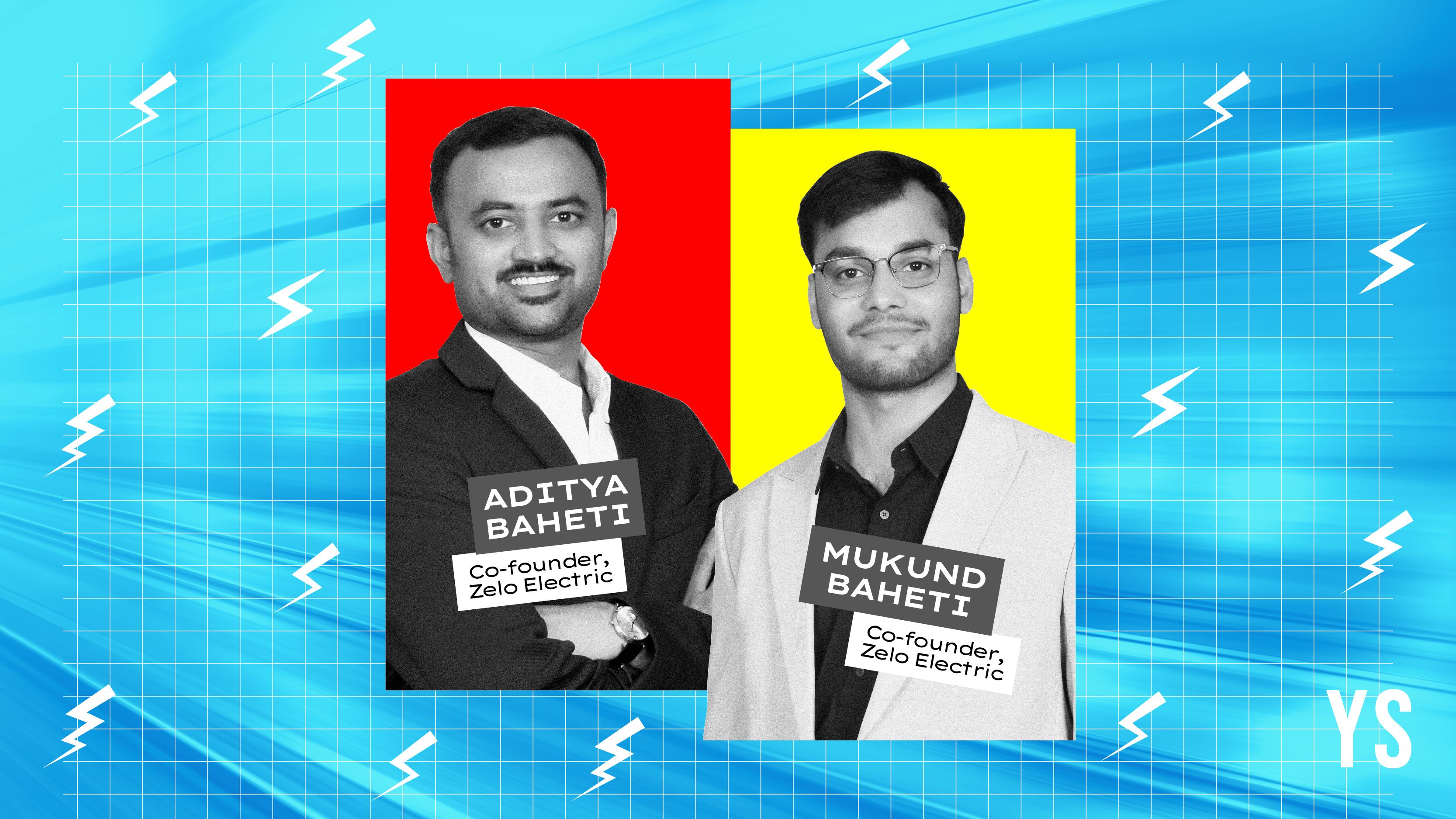
In India’s Tier II and III cities, where fuel costs strain daily budgets and two-wheelers are essential for mobility, the dream of owning an electric vehicle is still out of reach for many. High prices and a lack of easy loan options have made it hard for people to buy electric vehicles.
Zelo Electric, an Ajmer-based company, is trying to change that by building affordable, practical scooters tailored to the needs of small-town India. The company was founded in August 2021 by Mukund Baheti, who completed his MBA from NMIMS CDOE, and his brother Aditya Baheti, who also holds an MBA from IBS Mumbai. Read more.
Funding news
Jeh Aerospace secures $11M in Series A funding
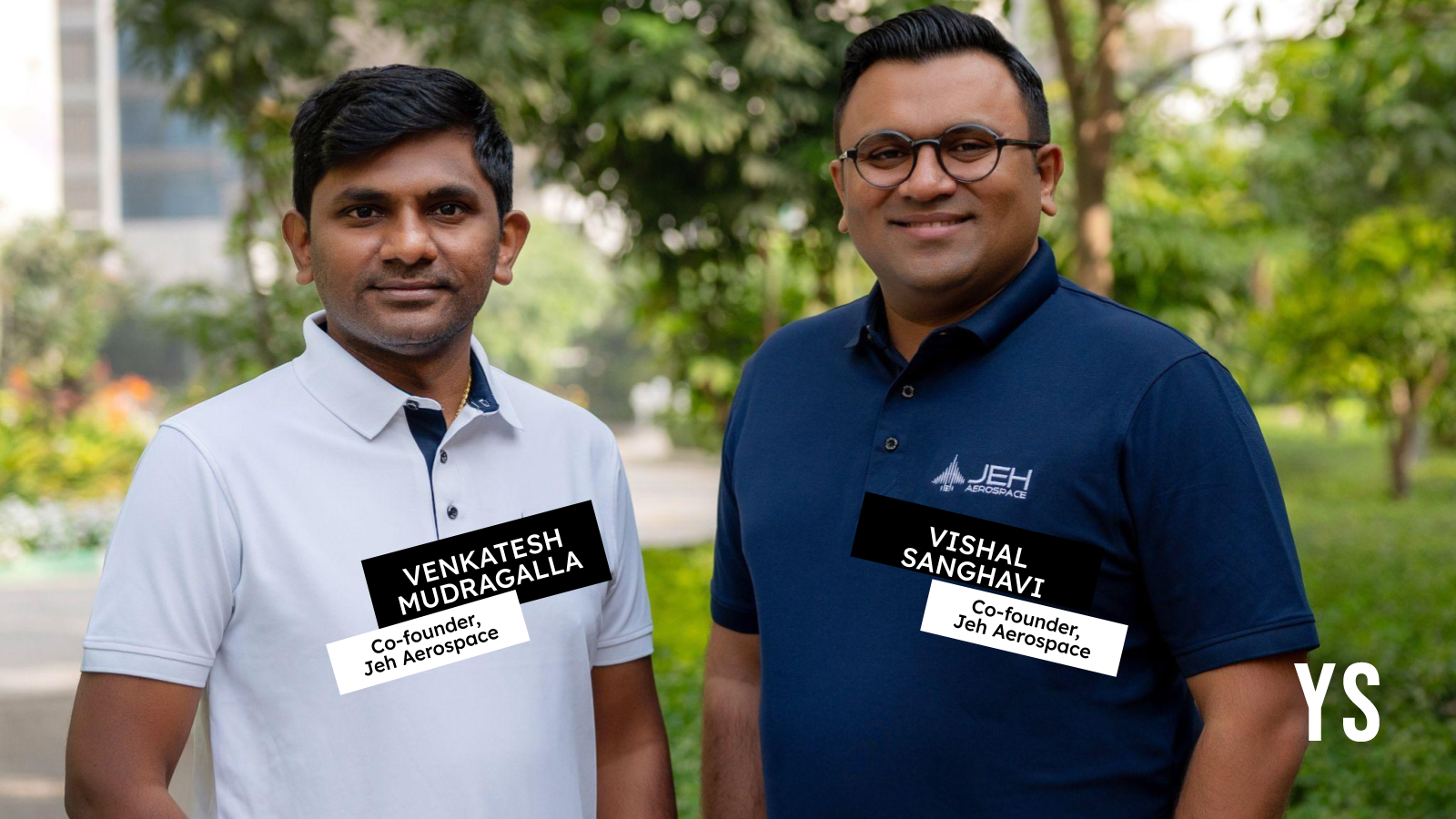
Aerospace manufacturing startup Jeh Aerospace has secured $11 million in a Series A funding round led by Elevation Capital, with participation from existing investor General Catalyst. Headquartered in Atlanta in the US, Jeh Aerospace operates with advanced facilities and production capacity in Hyderabad.
It plans to use the funds to build mega factories and advance software-defined manufacturing for reliable, scalable production. This follows a strategic investment announced a month ago by IndiGo Ventures, the venture capital arm of IndiGo, into Jeh Aerospace. Read more.
Rifa AI raises $1.1M in fresh funding
Rifa AI, a Mumbai-based conversational AI startup developing human-like voice automation solutions for enterprises, has raised $1.1 million in a funding round led by Seaborne Capital. The funds will support its expansion into the North American market and development of its voice AI platform for call centres in regulated industries.
Backed by NASSCOM and FalconX, Rifa AI offers voice AI systems designed for sectors such as healthcare, insurance, and financial services.
“We’ve built for complexity from day one, and this funding will help extend our platform to more enterprise customers. Our focus is on scaling voice workflows in sectors where human involvement has traditionally been essential due to compliance challenges. As AI agents become mainstream, the real question is whether they work where it matters most in high-stakes environments,” said Sameer Fulzele, Co-founder of Rifa AI.
Shortgun Games bags $1M seed funding
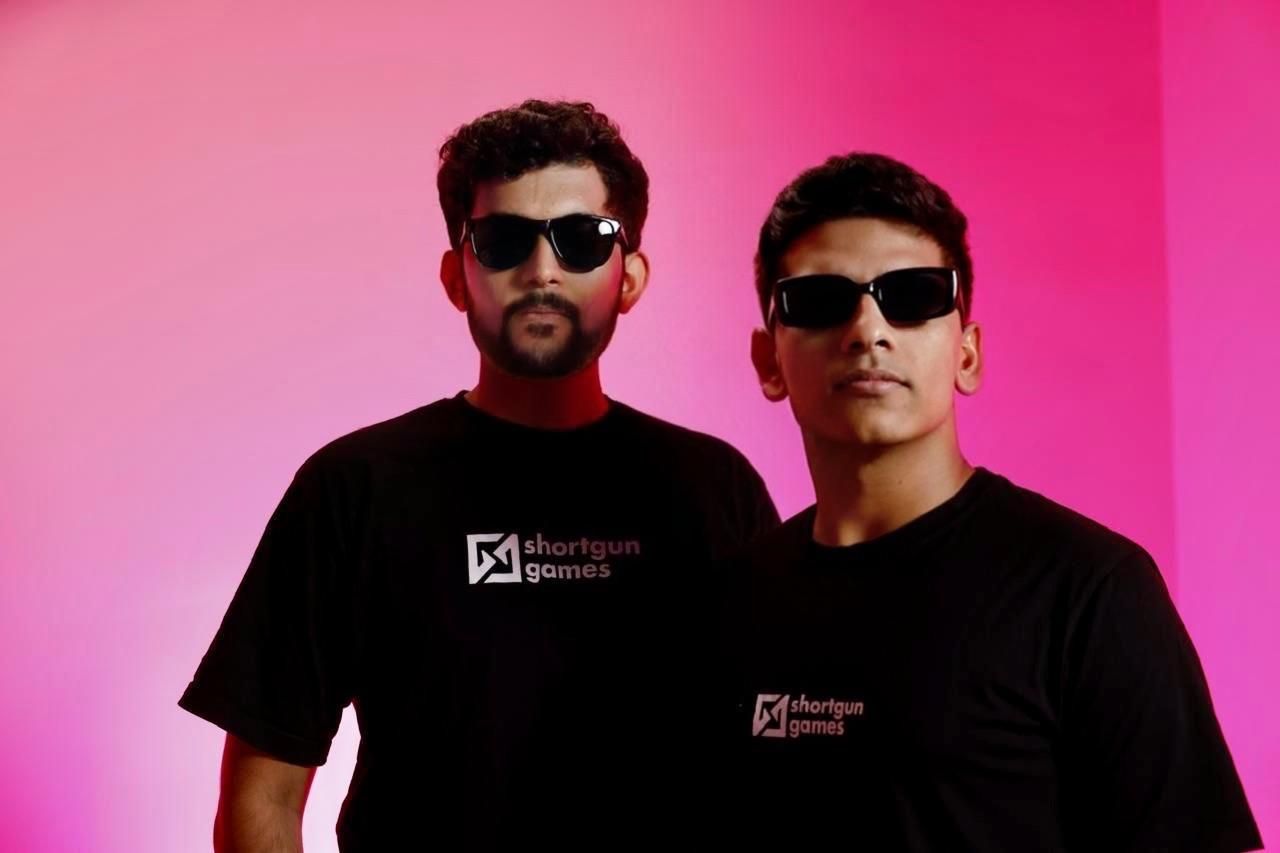
Game development studio Shortgun secured $1 million in seed funding from a group of angel investors to develop its next major title—a console-grade, story-driven shooter designed for global competitive play.
“This funding will allow us to go beyond prototypes and deliver a polished vertical slice that encapsulates the heart of our game,” said Vidhit Mehta, Founder of Shortgun Games.
“We’re deliberately focusing on quality-first development, taking time to refine systems, narrative tone, and gameplay depth. This proof of concept will be key to attracting publishing partners and setting new benchmarks for what an Indian studio can achieve on a global stage,” he added.
Terafac raises Rs 6.5 Cr in pre-seed round
Manufacturing intelligence startup Terafac raised Rs 6.5 crore in a pre-seed funding round led by Inuka Capital, with participation from DEVC, Bharat Founders Fund, Innovation Mission Punjab, and angel investors.
The funding will support the launch and expansion of Terafac’s flagship AI-Vision product, WeldT, which will help automate welding in factories across India and global markets.
Terafac’s platform equips standard industrial robots with computer vision and AI to autonomously scan parts and execute precise welds—eliminating the need for manual programming and reducing dependence on skilled labour.
Other news
Razorpay rolls out ‘CardSync’ in partnership with CRED, VISA
Razorpay introduced ‘Card Sync’, a new feature developed in collaboration with CRED to simplify and speed up online checkouts.
<figure class="image embed" contenteditable="false" data-id="578383" data-url="https://images.yourstory.com/cs/2/fe056c90507811eea8de27f99b086345/Imageg25p-1754378907101.jpg" data-alt="Khilan Haria, CPO, RazorPay" data-caption="
Khilan Haria, CPO, Razorpay
” style=”float: right; margin-left: 20px; width:50%; height:auto” align=”center”> Khilan Haria, CPO, Razorpay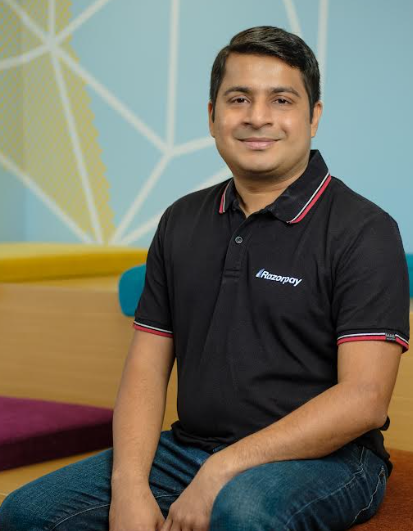
By utilising Visa’s tokenisation infrastructure, the solution allows CRED users to securely link their saved credit cards across any online store powered by Razorpay Checkout.
With just a single tap, shoppers can complete transactions without re-entering card details or CVV, eliminating manual entry, errors, and delays for future payments.
“The next phase of digital payments is not just about enabling transactions, it’s about making them invisible. Tokenisation has long promised safer, seamless payments; however, its adoption has lagged due to checkout friction and low user trust in saving card details on merchant sites,” said Khilan Haria, CPO, Razorpay.
(This article will be updated with the latest news throughout the day.)
Edited by Suman Singh
