

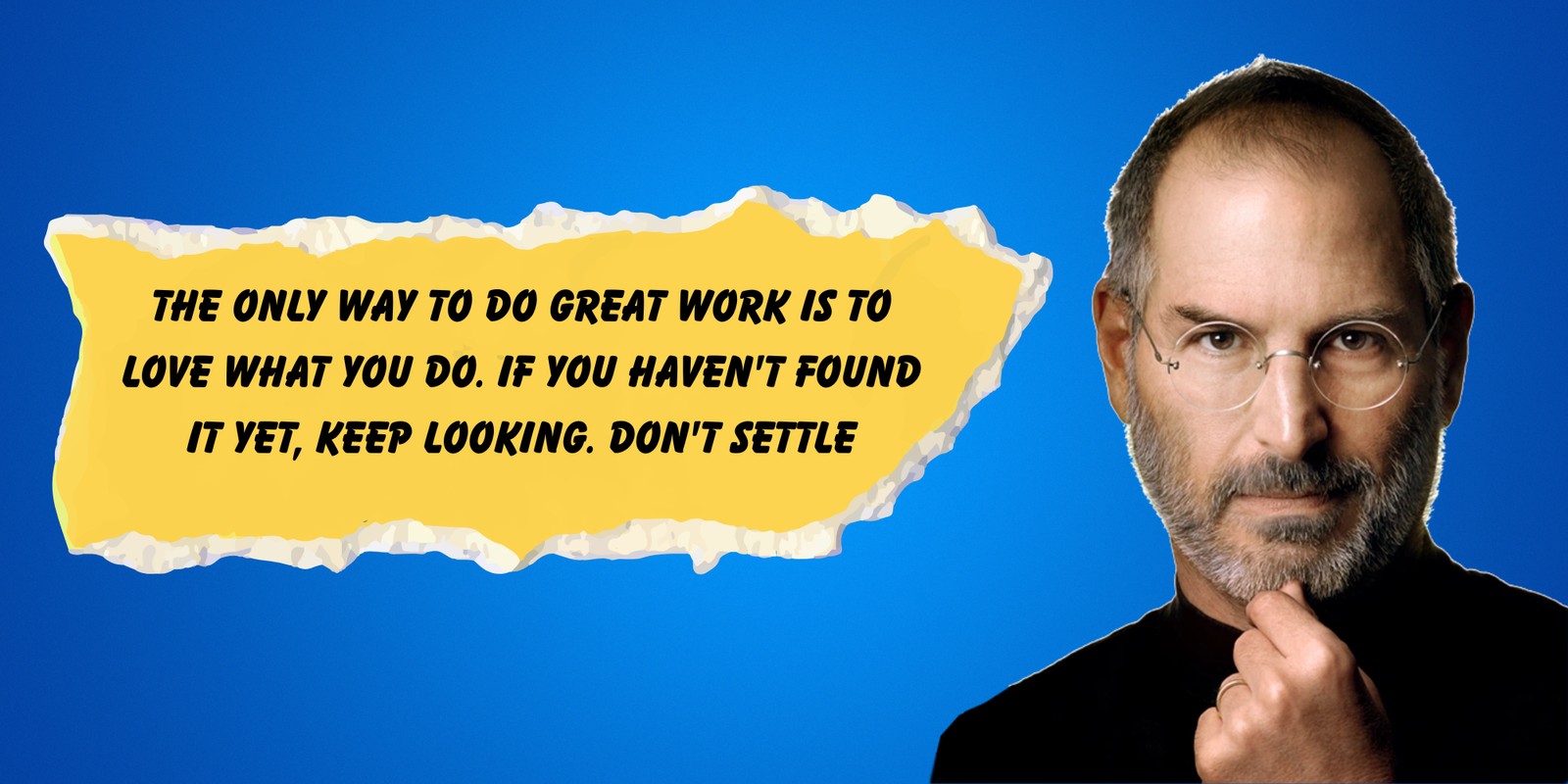
Steve Jobs neither coded nor held a tech degree. Yet he built one of the most iconic companies ever.
He wasn’t a technical genius in the traditional sense. He was impatient, often difficult to work with, and far from perfect. But Steve Jobs wasn’t great because he had it all figured out.
He was great because he kept learning, failing, and relentlessly pushing forward, including challenging himself. Today, we’ll share 15 lessons from his life that aren’t just about business. They’re about mindset, resilience, and the uncomfortable but essential work of personal growth.
15 Timeless lessons from the life of Steve Jobs

1. Stop rerunning the same mental playlist
Your thoughts form patterns like scaffolding in the brain. Most people spend their lives stuck in the same tracks, reacting, repeating, and rarely rethinking. Jobs urged people to question everything, including their assumptions. He believed that innovation requires mental freedom and the ability to see beyond your thought patterns.
Takeaway: Challenge your default thinking often. If a belief feels too familiar, examine it.
2. Let the reality of time bring clarity
Steve Jobs often reflected on the limited nature of life. For him, acknowledging that time is finite helped cut through fear and indecision. It served as a reminder to focus on what truly matters and not waste energy on things that don’t.
Takeaway: Ask yourself, “If today were my last day, would I still do this?”
3. Anticipate, don’t just respond
Customers often don’t know what they want until it’s in front of them. Jobs didn’t wait for permission. He predicted desire and shaped expectation. That mindset created revolutionary products like the iPhone and iPad.
Takeaway: Train yourself to think one step ahead of your audience or industry.
4. Start with meaning, not money
The founder of Apple cautioned against starting anything just to get rich. For him, it was about building something you believe in. When intention is rooted in purpose, success becomes sustainable.
Takeaway: Ask yourself if you would still do this if no one were watching.
5. Let passion drive the work
The iPod wasn’t built for the market. It was built for people like him. Steve believed that when you build for yourself or someone you love, you naturally demand higher quality. Passion pushes you past the bare minimum.
Takeaway: If you wouldn’t use your own product, don’t expect others to love it either.
6. Simplify relentlessly
Jobs was known for his ability to strip everything down to the essentials. He believed clarity was born from subtraction, not addition. Saying no to good ideas was necessary to make room for the best ones.
Takeaway: Focus on 2 or 3 priorities at most. Simplicity unlocks sharper execution.
7. Believe until others do
Steve’s legendary reality distortion field was part charisma, part obsession. He convinced people to do the impossible by making them believe it was possible. Reality, to him, was flexible, especially in the presence of vision.
Takeaway: When your belief is unshakable, others will start to see it too.
8. Let the product speak
Many companies prioritise sales over quality as they scale. Jobs resisted that. He believed in product-first thinking, where design and function mattered more than marketing spin.
Takeaway: If the product isn’t exceptional, no amount of sales effort can save it.
9. Sweat the details no one sees
Steve Jobs believed craftsmanship mattered even where no one looks, like the back of a cabinet. This invisible care reflected pride, not vanity. Excellence was a standard, not a strategy.
Takeaway: Do great work even when there’s no spotlight.
10. Say what needs to be said
Jobs was known for his brutal honesty. He didn’t hide behind politeness. While his directness could sting, it also created clarity, speed, and raised standards.
Takeaway: Respect others enough to be truthful. Kindness and honesty aren’t opposites.
11. Disagree to discover
He encouraged debate. Sometimes, Jobs would take the opposing view just to push the team toward better ideas. For him, disagreement was a tool rather than a threat.
Takeaway: If everyone agrees too quickly, you’re probably not thinking deeply enough.
12. Don’t be afraid to outdo yourself
Jobs believed that if you don’t cannibalise your ideas, someone else will. He was never attached to past success. He was always reinventing. Evolution demands it.
Takeaway: Be willing to outgrow your old work. Holding on too tightly kills progress.
13. Create space for stillness
Jobs practised mindfulness to slow his mind. In stillness, he found clarity, focus, and ideas. It wasn’t just for peace. It was a performance edge.
Takeaway: Schedule quiet time. Your brain needs silence to think clearly.
.thumbnailWrapper{
width:6.62rem !important;
}
.alsoReadTitleImage{
min-width: 81px !important;
min-height: 81px !important;
}
.alsoReadMainTitleText{
font-size: 14px !important;
line-height: 20px !important;
}
.alsoReadHeadText{
font-size: 24px !important;
line-height: 20px !important;
}
}

14. Talk, don’t just text
Even in the digital age, Jobs valued real conversation. He believed spontaneous, in-person dialogue sparked creativity in ways that Slack or email never could.
Takeaway: If something feels stuck, step away from the screen and talk it out.
15. Stay hungry, stay foolish
In his famous Stanford address, Jobs left students with this mantra. Staying hungry means always reaching. Staying foolish means staying open, curious, and willing to try the unconventional.
Takeaway: Never stop learning, building, questioning. Comfort kills creativity.
The bottom line
Steve Jobs’ lessons weren’t just for tech founders. They were for anyone trying to live deliberately, think boldly, and make something that matters. Pick one of these insights and try to apply it to your day. And keep moving forward with hunger and courage!
