

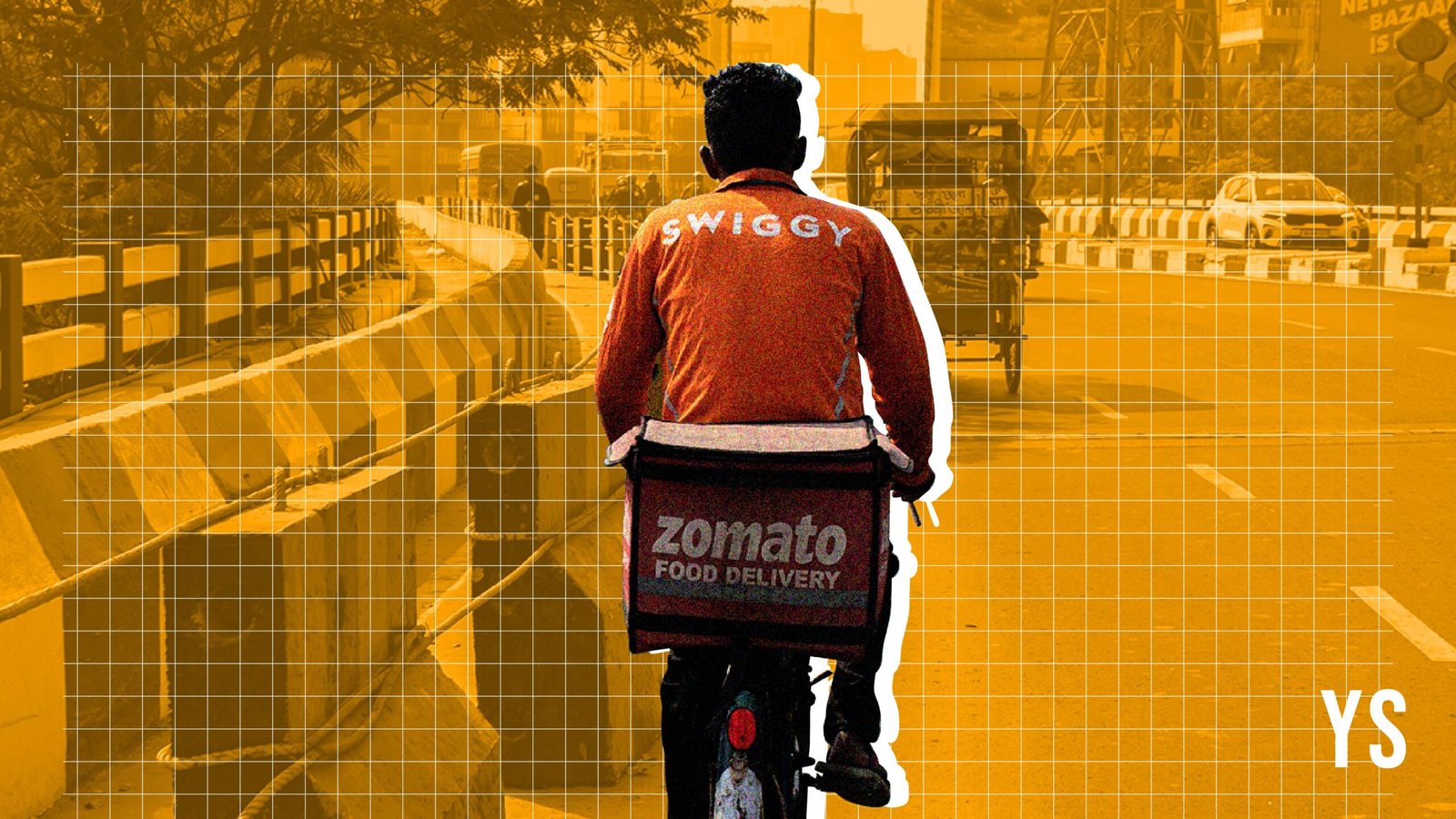

Food delivery and quick commerce company Swiggy has increased its platform fee to Rs 15 per order, its highest so far, as the company adjusts for higher demand during the festival season and rising operational costs.
The Bengaluru company had briefly tested a Rs 14 platform fee on Independence Day before pulling back to Rs 12. With order volumes climbing again, it has now pushed the levy higher.
Rival Zomato recently raised its own platform charge to Rs 12 per order.
The platform fee—an extra line item distinct from delivery charges, GST, and restaurant commissions—was introduced in April 2023 at just Rs 2. Since then, both Swiggy and Zomato have steadily ratcheted up the levy, especially on high-demand days, expanding hikes more broadly when customer volumes remain steady.
.thumbnailWrapper{
width:6.62rem !important;
}
.alsoReadTitleImage{
min-width: 81px !important;
min-height: 81px !important;
}
.alsoReadMainTitleText{
font-size: 14px !important;
line-height: 20px !important;
}
.alsoReadHeadText{
font-size: 24px !important;
line-height: 20px !important;
}
}

At Swiggy’s scale of more than two million daily orders, the higher Rs 15 charge could bring in as much as Rs 3 crore in incremental revenue each day, or roughly Rs 216 crore annually if sustained.
Zomato, which handles 2.3–2.5 million daily orders, could similarly net about Rs 3 crore a day from its current fee.
The increases come as the foodtech companies face pressure to improve profitability. Last month, Swiggy said its net loss nearly doubled annually in the June quarter to Rs 1,197 crore, weighed down by continued spending on Instamart, its quick-commerce business. Losses in the previous quarter were Rs 1,081 crore. Revenue from operations rose 54% year-on-year to Rs 4,961 crore.
In July 2024, Zomato extended the fee to Rs 6 in major metros, including Delhi, Mumbai, and Bengaluru. During last year’s festive season, it jumped to Rs 10, framed as a “festive platform fee.” The latest move lifts the charge to Rs 12, sparking a wave of customer frustration online.
Indian internet companies have increasingly leaned on such fees to squeeze revenue from consumers in a price-sensitive market.
Edited by Suman Singh
